The 5 Major Trends Influencing the Future of Wellness
The 5 Major Trends Influencing the Future of Wellness
Wellness is no longer a category—it is a cultural infrastructure. What began as green juices and boutique fitness has evolved into a multi-layered ecosystem touching beauty, technology, mental health, community design, and even urban planning. The next five years will not simply refine wellness; they will rearchitect it.
From AI-supported therapy to a radical return to nature, from longevity science to shifting product categories, the industry is moving toward a more intelligent, immersive, and deeply personalized future. Beauty brands, especially those positioned at the intersection of science and lifestyle, must now adapt to a consumer who expects evidence, empathy, and experience in equal measure.
Here are the five defining trends shaping the next era of wellness.
1. AI Becomes the Silent Architect of Mental Health 🧠✨
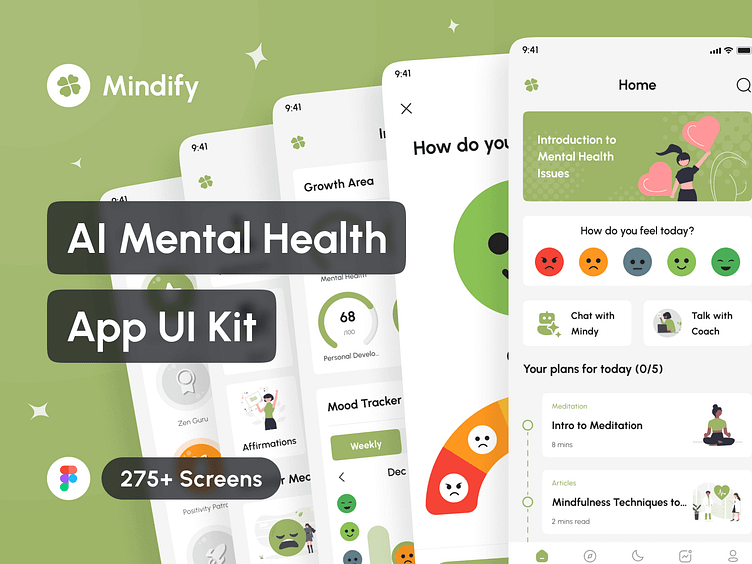


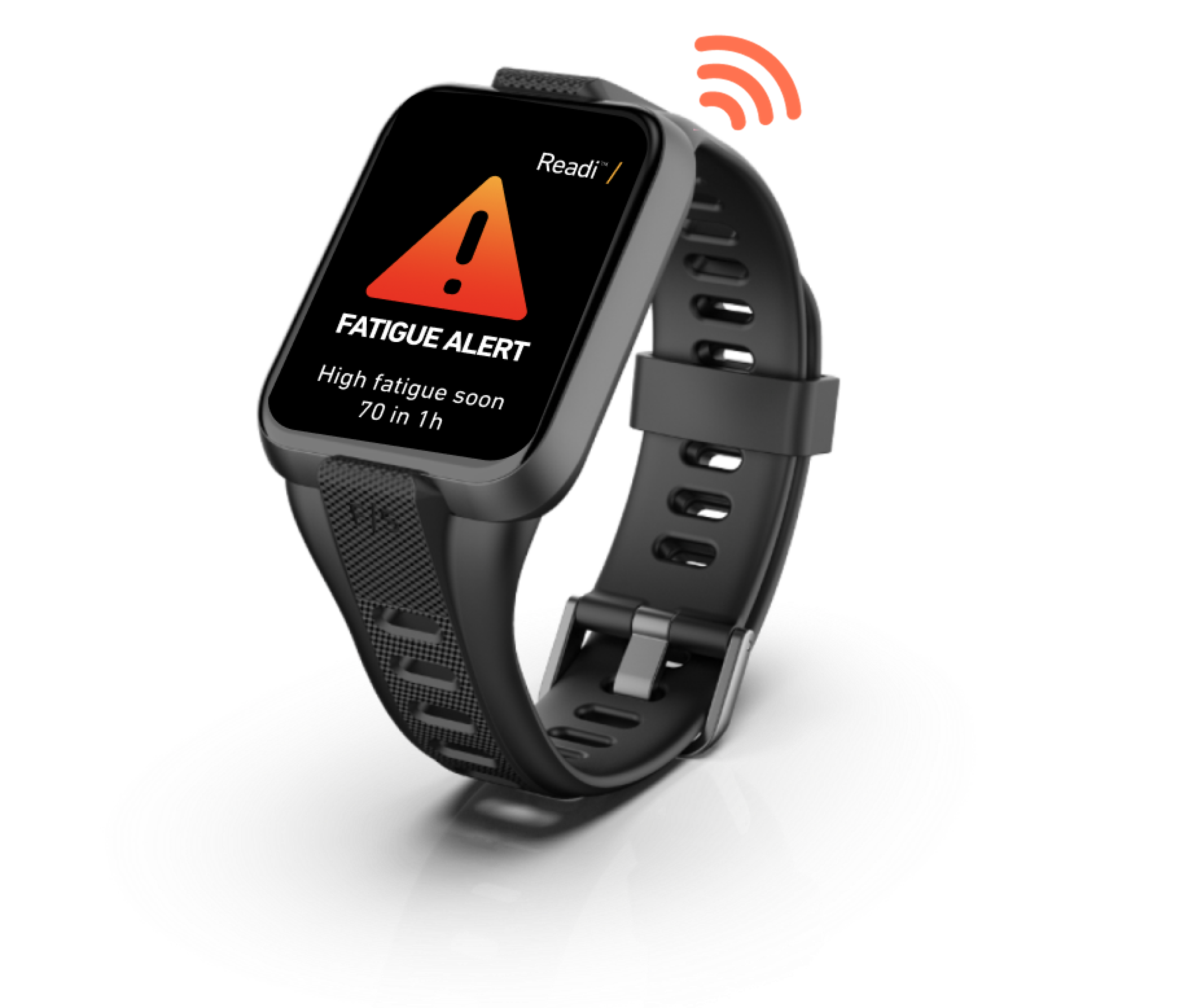
The mental health conversation has shifted from stigma to scalability. The next frontier is accessibility—and artificial intelligence is accelerating that transformation.
AI-powered therapy platforms, emotion-tracking wearables, and personalized stress analytics are moving from experimental tools to daily rituals. Unlike traditional therapy, which depends on scheduling and availability, AI-driven systems operate continuously. They observe sleep patterns, speech cadence, heart rate variability, and digital behavior to create predictive emotional profiles.
This doesn’t replace human therapists. Instead, it augments them.
Consumers are increasingly comfortable interacting with conversational AI systems that provide cognitive behavioral prompts, breathing exercises, and mood journaling suggestions in real time. The result is a hybrid model: AI for daily maintenance, humans for depth and complexity.
Why This Matters for Beauty
Stress is one of the most measurable drivers of skin inflammation, premature aging, and hormonal imbalance. As emotional health becomes quantifiable, skincare and wellness brands must align with data-backed narratives.
We will see:
Stress-calibrated skincare routines.
Products designed for cortisol regulation.
Neurocosmetic claims supported by biometric feedback.
Packaging integrated with digital wellness ecosystems.
The future of beauty is no longer topical—it is neurological. 🔬💡
2. Outdoor-Centric Living Redefines Luxury 🌿🌍



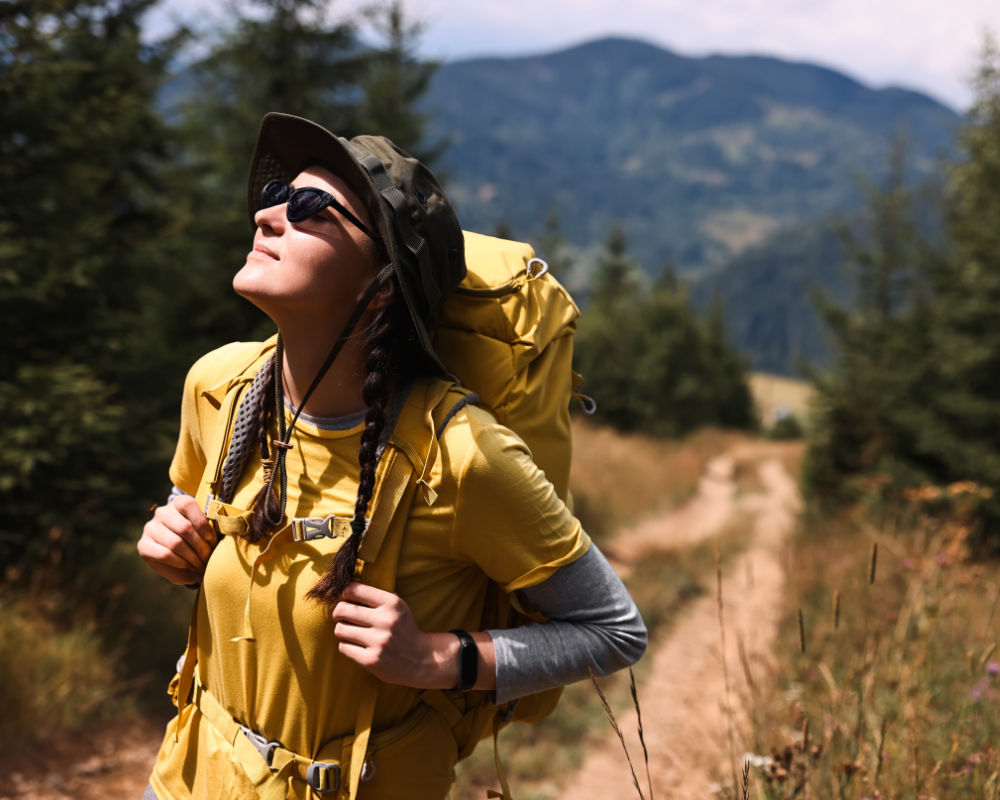
After years of hyper-digital immersion, consumers are craving physical reconnection. Not performative nature, but immersive, sensory, grounding experiences.
The rise of outdoor-centric lifestyles—forest bathing, cold plunging, mountain retreats, open-air yoga—is reshaping the definition of luxury. Wellness is moving outdoors, and with it, beauty rituals are becoming more elemental.
Sun protection, barrier repair, climate-adaptive skincare, and performance hydration products are evolving to support extended outdoor exposure.
This is not a fleeting aesthetic trend. It reflects a deeper recalibration toward circadian alignment, microbiome diversity, and natural light exposure.
The Marketing Shift
Brands that previously centered pristine laboratory environments are now embracing environmental integration. Campaign imagery features wind, texture, movement, and earth tones.
The narrative evolves from “anti-aging” to “pro-resilience.”
Outdoor wellness reframes aging as adaptation rather than correction. Consumers want products that help them thrive in real environments—not hide from them.
3. Longevity Becomes the Core Philosophy 🧬💎


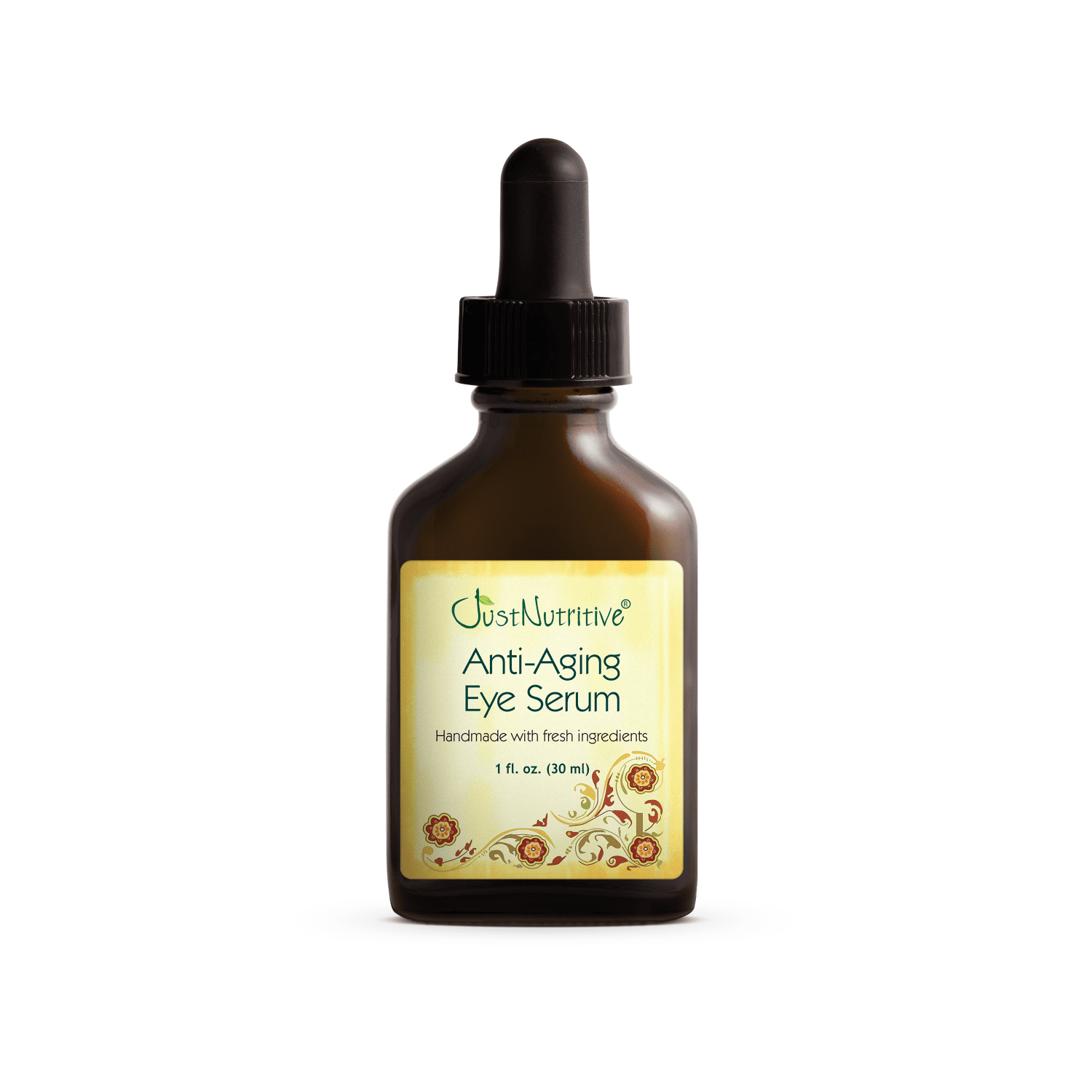
Longevity is no longer a niche biohacking conversation. It is the organizing principle of modern wellness.
Consumers are asking more sophisticated questions:
Does this product protect mitochondrial function?
Does it support collagen synthesis at the cellular level?
Is this formula reducing inflammation markers?
The language of beauty is merging with the language of biochemistry.
Instead of promising “youth,” brands now promise “functional years.” Instead of chasing quick results, consumers invest in cumulative impact.
The Evolution of Anti-Aging
The term “anti-aging” itself is losing relevance. The new lexicon includes:
Cellular renewal
Regenerative support
Epigenetic influence
Barrier longevity
In skincare, ingredients like peptides, NAD+ precursors, adaptogens, and microbiome-supportive actives are moving into mainstream awareness.
Wellness forecasting indicates that the next five years will see cross-category integration: supplements paired with topical regimens, wearable diagnostics paired with personalized serums.
Luxury in 2026 is measured in measurable outcomes. 🔬✨
4. Category Fluidity Disrupts Traditional Beauty Aisles 💡


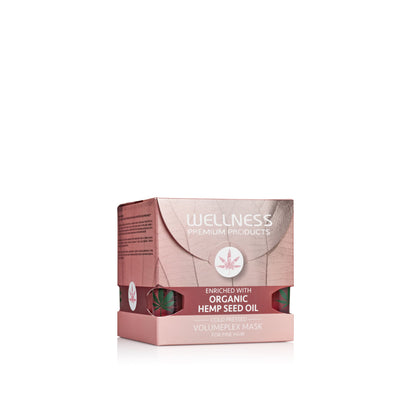
The boundaries between beauty, wellness, and healthcare are dissolving.
Consumers no longer shop in categories. They shop in intentions.
A product might be:
A serum with adaptogens.
A supplement with skin-brightening claims.
A fragrance infused with mood-enhancing neuroactives.
A sleep mask integrated with temperature regulation technology.
Retail spaces are responding by reorganizing around function rather than format. Instead of “skincare” and “supplements,” we see sections labeled:
Calm
Energy
Recovery
Radiance
Longevity
This reorganization changes product development pipelines. Brands must think holistically rather than vertically.
The Five-Year Impact
We will witness:
Hybrid ingestible-topical launches.
Wearable-compatible formulations.
Functional fragrances with documented psychological effects.
AI-guided in-store diagnostic kiosks.
Beauty becomes a platform, not a product.
5. Data-Driven Personalization Becomes Expected, Not Premium 📊
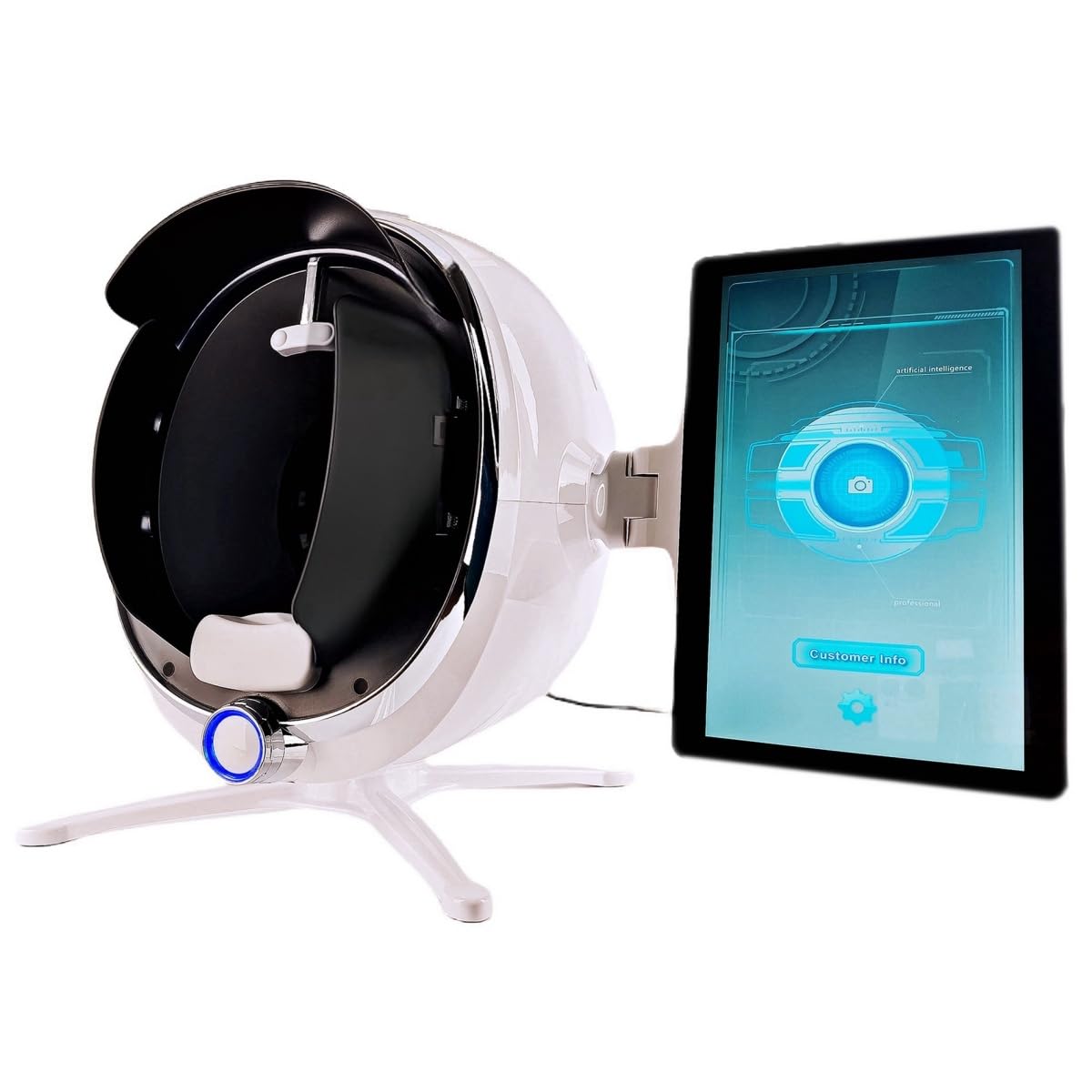
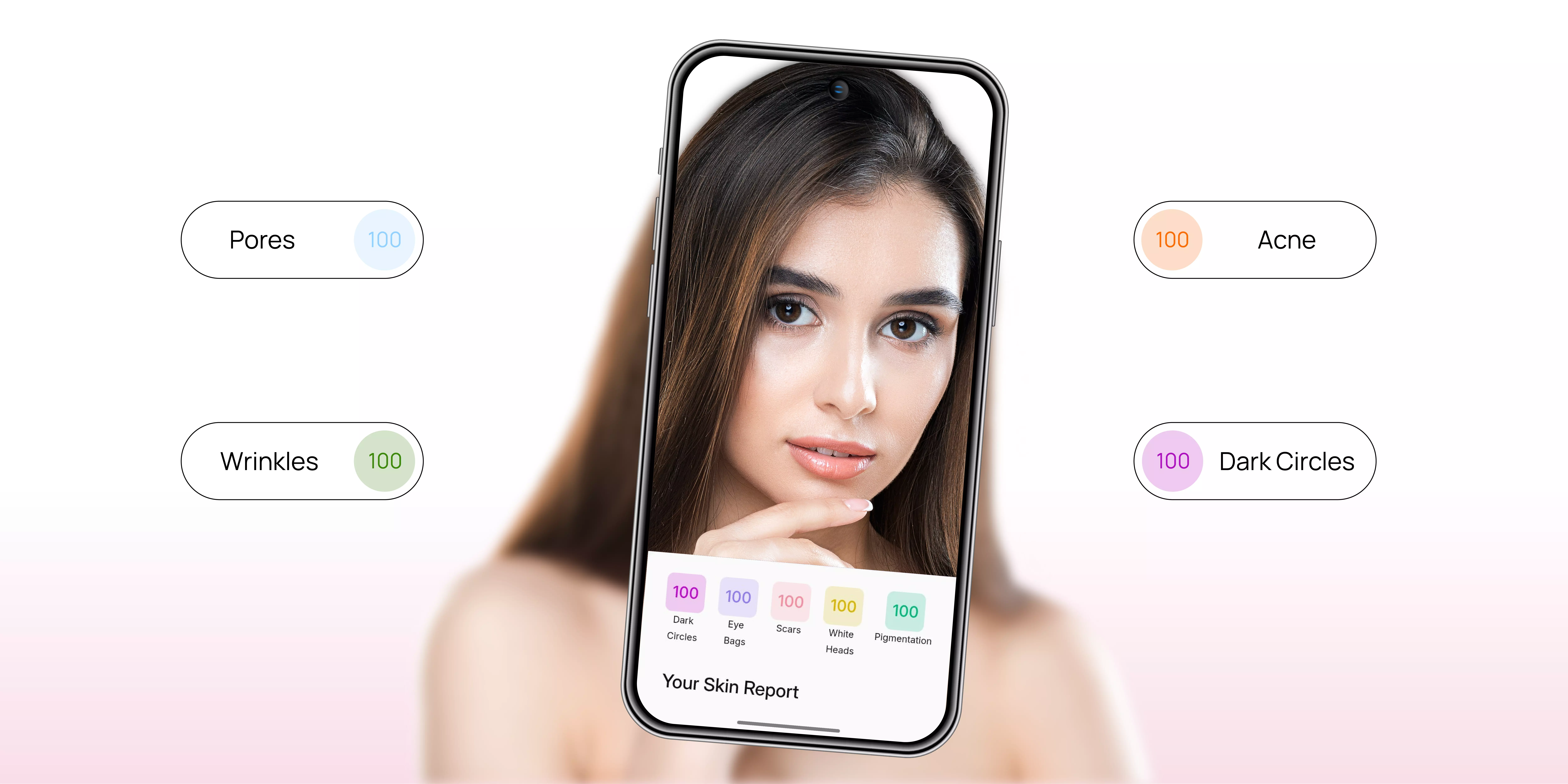

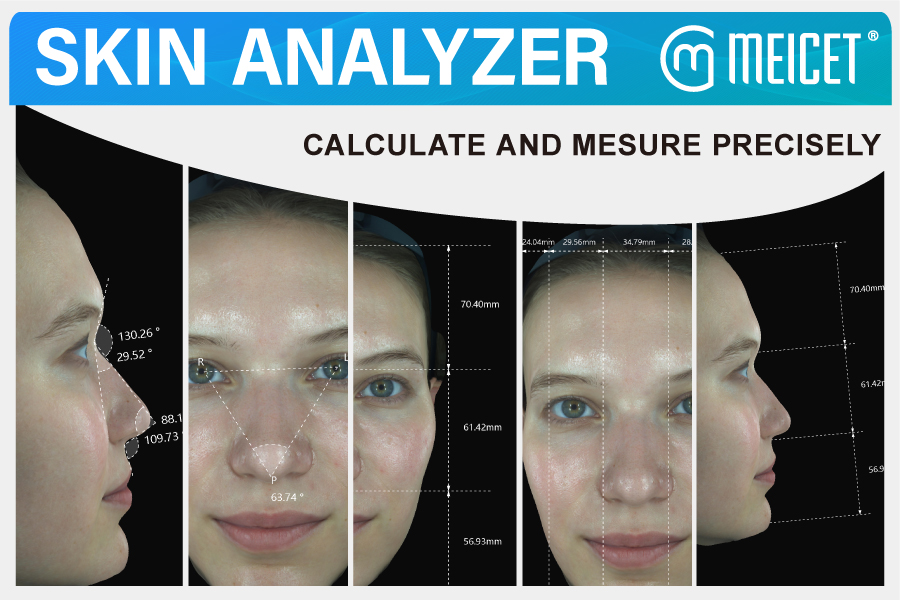
Personalization once felt exclusive. Soon, it will feel standard.
Consumers increasingly expect products that adapt to:
Climate.
Hormonal fluctuations.
Stress levels.
Sleep patterns.
Geographic pollution exposure.
AI-powered skin scanning, genetic testing kits, and real-time formulation adjustments are accelerating this expectation.
The next iteration is dynamic personalization—formulas that change over time based on updated data.
This transforms the brand-consumer relationship into an ongoing dialogue rather than a transaction.
What This Means for Beauty Brands
Over the next five years, wellness will not be defined by aesthetic minimalism or ingredient trends alone. It will be shaped by intelligence, integration, and intention.
Brands must prepare for a consumer who:
Reads clinical studies.
Tracks their biometrics.
Demands transparency.
Expects personalization.
Seeks emotional alignment with products.
Marketing strategies will increasingly rely on storytelling that bridges science and lifestyle. Visual language will soften clinical rigor with human warmth. Claims will require measurable support.
The most successful beauty brands will operate like wellness ecosystems.
The Wellness Forecast: A Strategic Outlook
The convergence of AI, outdoor immersion, longevity science, category fluidity, and data-driven personalization signals a profound shift.
We are entering an era where:
Emotional health shapes skincare.
Nature reshapes luxury.
Cellular science shapes marketing.
Technology shapes personalization.
Consumers shape everything.
For brands positioned in premium beauty and wellness spaces, this moment offers extraordinary opportunity.
Those who integrate research-backed innovation with immersive storytelling will define the next chapter of the industry. ✨🌿
The future of wellness is not reactive—it is predictive, preventive, and deeply personal.
