Haircare Mistakes That Damage Hair
Haircare Mistakes That Damage Hair
Healthy hair rarely happens by accident. Behind glossy, strong, and vibrant strands lies a careful balance of daily habits, product choices, and protective care. Yet many people unknowingly sabotage their own hair health through seemingly harmless routines.
Modern beauty culture has made haircare more sophisticated than ever, with endless products, tools, and treatments promising transformative results. But sometimes the biggest improvements come not from adding more steps—but from eliminating the small mistakes that gradually weaken the hair.
From excessive heat styling to overlooked scalp care, certain habits can quietly cause dryness, breakage, and thinning over time. Understanding these hidden pitfalls is the first step toward restoring your hair’s natural strength and shine.
Below, we explore the most common haircare mistakes that damage hair—and how to replace them with smarter, healthier habits.
Overwashing Your Hair


4
Clean hair feels refreshing, but washing too frequently can do more harm than good. Shampoo is designed to remove dirt, sweat, and oil from the scalp. However, when used excessively, it strips away the natural oils that protect and nourish the hair shaft.
These oils—produced by the scalp—act as a natural conditioner. They keep strands flexible, smooth, and resilient against environmental stress. When they are removed too often, hair becomes dry, brittle, and more prone to breakage.
Overwashing is particularly damaging for people with curly, textured, or color-treated hair, as these hair types tend to require more moisture to remain healthy.
Instead of washing daily, most experts recommend washing hair two to three times per week. This allows the scalp to maintain its natural balance while keeping the hair clean and manageable.
Between washes, dry shampoo can help absorb excess oil and refresh the hair without stripping it of its protective moisture.
Using Excessive Heat Styling

4
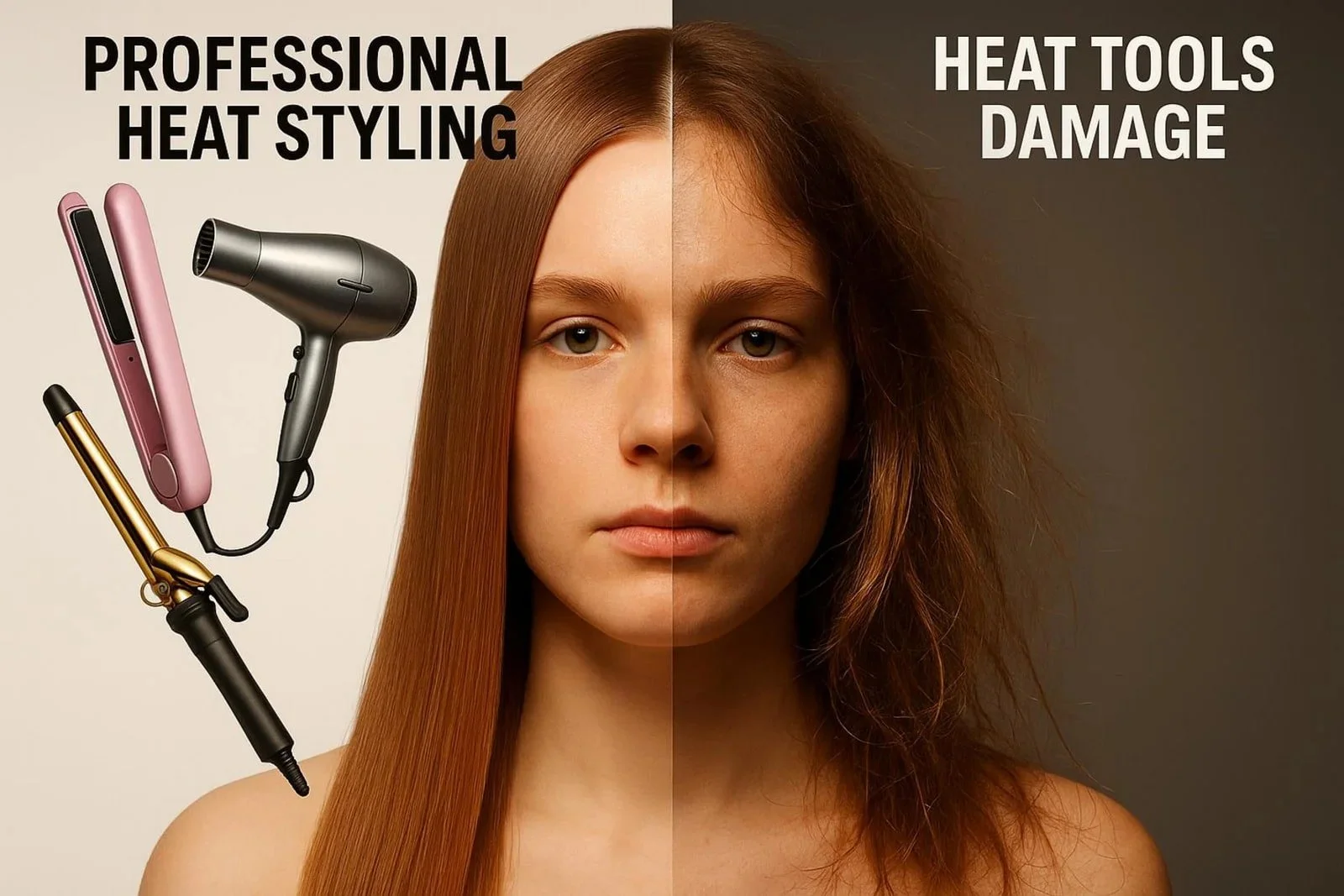
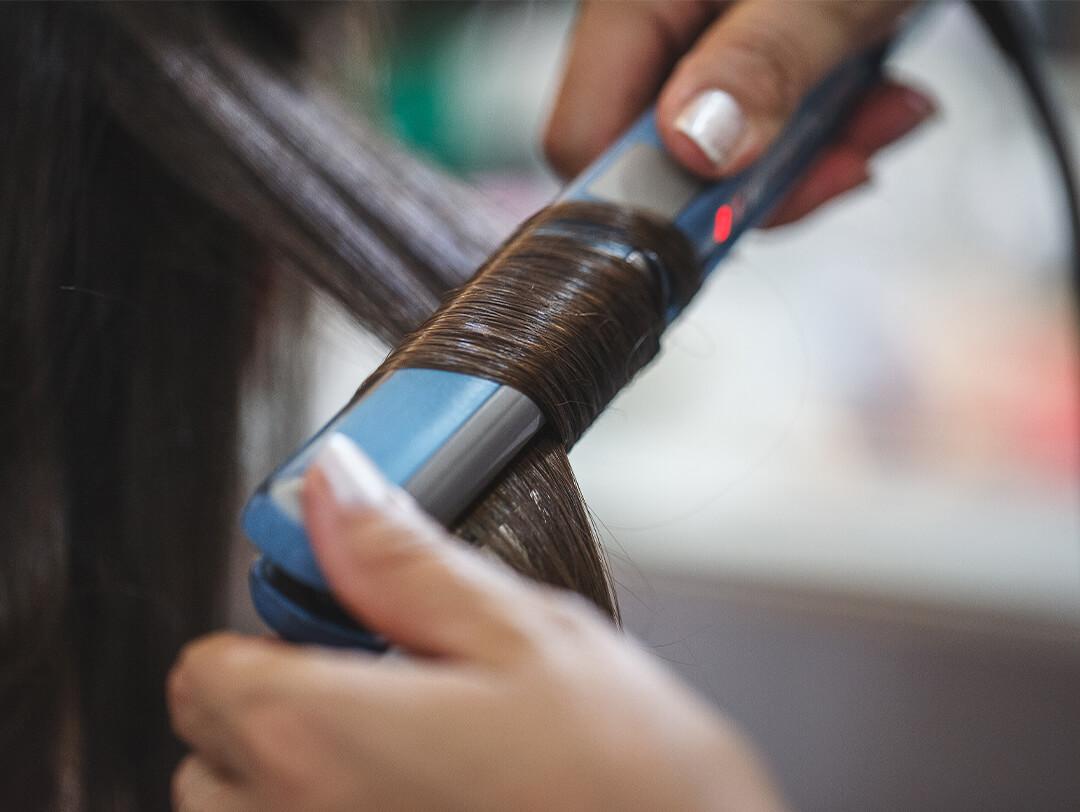
Heat styling tools—such as flat irons, curling wands, and blow dryers—are some of the most common causes of hair damage.
High temperatures weaken the protein structure of hair, particularly keratin, which is responsible for strength and elasticity. Repeated exposure to intense heat gradually dries out the hair shaft, causing split ends, rough texture, and dullness.
Over time, hair that is frequently heat-styled loses its ability to retain moisture, making it increasingly fragile.
One of the most effective ways to prevent heat damage is by lowering the temperature of styling tools. Many people use temperatures far higher than necessary. Fine or fragile hair often requires significantly less heat than thick or coarse hair.
Another essential habit is using a heat protectant spray or cream before styling. These products create a protective barrier that helps reduce moisture loss and minimize structural damage.
Allowing hair to air dry whenever possible can also dramatically improve long-term hair health.
Brushing Hair Too Aggressively


4
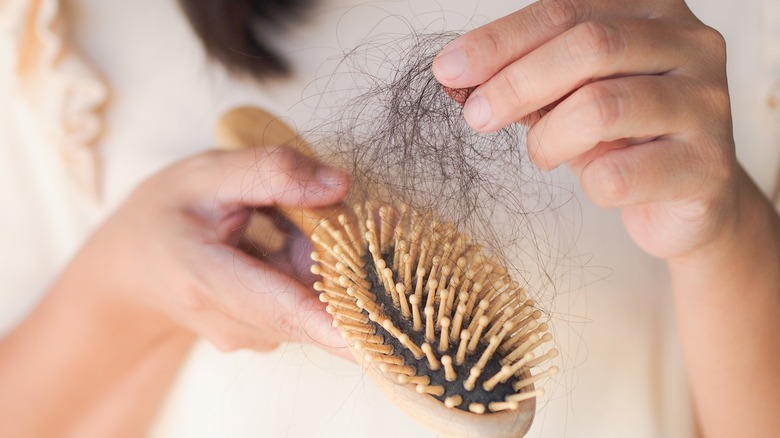
Brushing hair seems harmless, yet aggressive brushing can cause significant mechanical damage.
When hair is tangled, forcefully pulling a brush through knots stretches and weakens the strands. This leads to breakage, split ends, and excessive shedding.
Wet hair is especially vulnerable because it is more elastic and fragile than dry hair. Rough brushing immediately after washing can snap strands before they have time to regain their strength.
A healthier approach involves gently detangling hair using a wide-tooth comb or a brush specifically designed for delicate strands. Starting from the ends and slowly working upward helps remove knots without unnecessary stress on the hair.
Patience during detangling can make a dramatic difference in reducing breakage over time.
Skipping Scalp Care


4
Healthy hair begins with a healthy scalp, yet scalp care is often overlooked in many haircare routines.
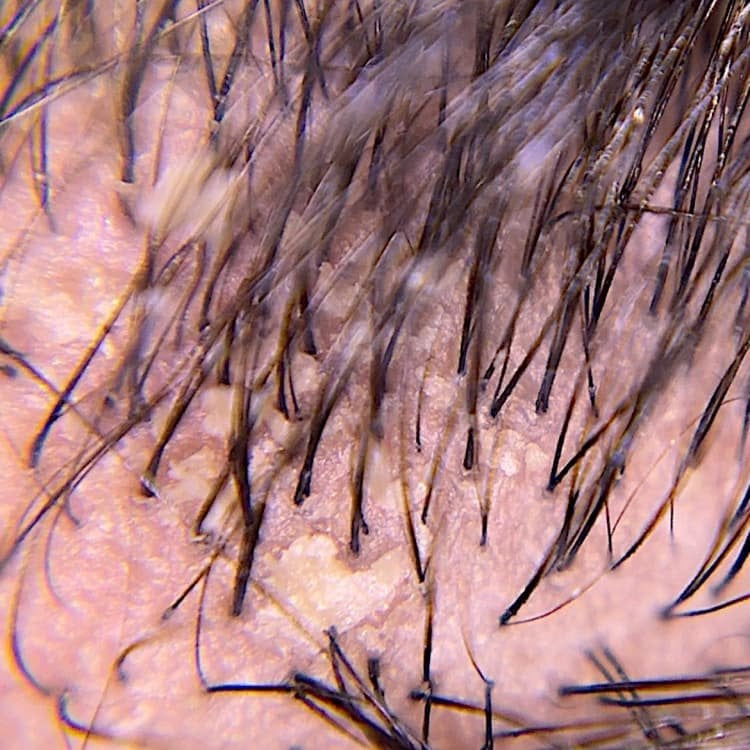
The scalp is essentially an extension of the skin, and like facial skin, it requires proper cleansing, nourishment, and circulation. When the scalp becomes clogged with product buildup, oil, and dead skin cells, hair growth can be affected.
Poor scalp health may lead to dandruff, irritation, or even thinning hair over time.
Incorporating scalp-focused treatments into your routine can significantly improve hair quality. Gentle exfoliating scrubs, clarifying shampoos, and scalp serums help remove buildup and maintain a balanced environment for hair growth.
Regular scalp massages are also beneficial. They stimulate blood circulation, delivering oxygen and nutrients to the hair follicles and encouraging stronger hair development.
Tying Hair Too Tightly



4
Sleek ponytails, tight buns, and pulled-back hairstyles may look elegant, but they can place significant stress on the hair and scalp.
Constant tension weakens hair follicles and may lead to a condition known as traction alopecia—a form of hair loss caused by repeated pulling.
Over time, tight hairstyles can cause thinning around the hairline and temples, areas that are particularly sensitive to stress.
Switching to looser hairstyles helps relieve tension on the follicles. Soft scrunchies, silk hair ties, and spiral bands are gentler alternatives to traditional elastic bands that can pull and break strands.
Alternating hairstyles regularly also prevents the same sections of hair from experiencing constant strain.
Ignoring Regular Trims
Many people avoid trimming their hair because they want it to grow longer. Ironically, this decision often slows progress toward achieving length.
Split ends, once formed, do not repair themselves. Instead, they travel upward along the hair shaft, causing further splitting and weakening. This results in frayed ends that make hair appear thinner and less healthy.
Regular trims—typically every six to eight weeks—remove damaged ends before they spread further. This simple habit helps maintain the overall strength and appearance of the hair.
While trimming may feel counterintuitive when growing hair, it ultimately supports healthier growth by preserving the integrity of each strand.
Using the Wrong Products for Your Hair Type
Haircare is not one-size-fits-all. Products formulated for oily hair may be too harsh for dry hair, while moisturizing formulas may weigh down fine hair.
Using the wrong products can create imbalance in the scalp and hair. Heavy conditioners may leave hair limp and greasy, while overly clarifying shampoos can strip away essential moisture.
Understanding your hair type—whether fine, thick, curly, straight, oily, or dry—helps guide smarter product choices.
For example:
Fine hair benefits from lightweight volumizing products
Curly hair thrives with deeply hydrating formulas
Color-treated hair requires gentle sulfate-free cleansers
Tailoring products to your hair’s natural needs ensures better results and prevents unnecessary damage.
Sleeping on Rough Pillowcases
Nighttime habits can have a surprising impact on hair health.
Cotton pillowcases create friction between the fabric and hair strands as you move during sleep. This friction can lead to tangling, breakage, and frizz—especially for longer or textured hair.
Silk and satin pillowcases provide a smoother surface that allows hair to glide rather than snag. This reduces tension on strands and helps maintain moisture in the hair.
Another protective option is loosely braiding hair before bed or using a silk bonnet to minimize friction overnight.
Small adjustments to nighttime routines can significantly improve the overall condition of hair.
Overusing Chemical Treatments
Coloring, bleaching, relaxing, and perming treatments can dramatically transform hair—but frequent chemical processing weakens its structural integrity.
Many of these treatments alter the hair’s protein bonds, which can lead to dryness, fragility, and breakage when performed too often.
Bleaching, in particular, removes pigment by penetrating deep into the hair shaft, leaving strands porous and vulnerable.
Spacing out chemical treatments allows hair time to recover and rebuild strength. Incorporating protein masks, deep conditioning treatments, and bond-repair products can also help restore damaged hair.
Whenever possible, professional application and guidance ensure safer results and minimize long-term damage.
Neglecting Deep Conditioning
Daily conditioners help maintain moisture, but they may not provide the intensive repair needed for hair exposed to styling, weather, and environmental stress.
Deep conditioning treatments deliver concentrated nourishment that penetrates deeper into the hair shaft. These treatments restore moisture, smooth the cuticle, and improve elasticity.
Skipping this step can leave hair vulnerable to dryness and breakage over time.
Using a deep conditioning mask once a week helps maintain hydration and resilience—especially for color-treated, curly, or heat-styled hair.
The Path to Healthier Hair
Hair damage rarely happens overnight. Instead, it develops gradually through repeated habits that weaken strands and disrupt the scalp’s balance.
Fortunately, the solution is often simple: mindful haircare.
By reducing heat exposure, washing hair appropriately, detangling gently, and prioritizing scalp health, it becomes possible to preserve the strength and beauty of your hair.
Healthy hair is not defined solely by expensive products or elaborate routines. It is the result of consistent care, thoughtful choices, and an understanding of what your hair truly needs.
When damaging habits are replaced with protective ones, hair begins to recover its natural shine, softness, and vitality—revealing its full potential.
