The Secret to Stronger and Healthier Hair


4
The Secret to Stronger and Healthier Hair
Beautiful hair has long been considered one of the most powerful expressions of personal style. From glossy editorial campaigns to effortless everyday elegance, strong and healthy hair represents vitality, confidence, and care. Yet achieving resilient strands is rarely about a single miracle product. Instead, it is the result of thoughtful habits, science-driven ingredients, and a balanced approach to haircare.
In today’s beauty landscape, modern haircare is evolving rapidly. The conversation has shifted away from quick cosmetic fixes toward deeper scalp health, structural hair repair, and sustainable routines that nurture hair over time. Researchers, stylists, and dermatologists increasingly agree that stronger hair begins with understanding how hair actually functions.
Hair is composed primarily of keratin proteins arranged in layered structures. When those layers remain intact, hair appears smooth, flexible, and luminous. But when external stressors such as heat styling, pollution, harsh chemicals, or dehydration disrupt that structure, hair becomes fragile, dull, and prone to breakage.
The real secret to stronger and healthier hair lies in restoring that structure while preventing further damage. This requires a thoughtful routine that prioritizes scalp health, balanced nourishment, and gentle daily practices.
Let’s explore the modern strategies that beauty experts recommend for building stronger hair from the root to the tip. ✨
Understanding Why Hair Becomes Weak
Before strengthening hair, it helps to understand the reasons hair becomes fragile in the first place. Hair damage rarely happens overnight. It is usually the cumulative effect of everyday habits.
Heat styling tools such as flat irons, curling wands, and blow dryers can slowly degrade the hair cuticle. When exposed to high temperatures, the protective outer layer begins to lift, allowing moisture to escape from the inner cortex.
Chemical treatments, including bleaching, perming, and relaxing, can also weaken hair bonds. While these services can transform appearance dramatically, they often alter the internal protein structure that gives hair its strength.
Environmental factors play a role as well. Sun exposure, pollution, hard water minerals, and humidity can all affect hair’s integrity. Even friction from rough towel drying or tight hairstyles can contribute to long-term breakage.
Finally, nutrition and scalp health influence how strong new hair grows. Hair follicles rely on adequate nutrients, oxygen, and circulation to produce resilient strands.
Understanding these causes makes it easier to design a routine that protects hair rather than slowly damaging it.
The Foundation of Strong Hair: Scalp Health 🌿


4
Many people focus only on the visible part of their hair, but experts emphasize that real hair strength begins at the scalp.
The scalp is living skin that contains thousands of hair follicles. Each follicle produces a strand of hair, meaning the environment surrounding those follicles directly affects hair quality.
When the scalp becomes clogged with oil, product buildup, or dead skin cells, follicles may struggle to produce strong hair fibers. Inflammation or dryness can also interfere with healthy growth cycles.
Modern scalp care routines aim to keep this environment balanced and nourished. Gentle exfoliating treatments remove buildup and stimulate circulation, encouraging follicles to function optimally.
Lightweight scalp serums infused with ingredients such as peptides, niacinamide, and botanical extracts are becoming increasingly popular in premium haircare. These formulas support the scalp’s microbiome and help create conditions where stronger hair can grow naturally.
A healthy scalp does not necessarily feel oily or extremely dry. Instead, it feels balanced, comfortable, and calm.
Investing in scalp care may be one of the most transformative upgrades in a hair routine.
The Science of Hair Bond Repair 🧬
In recent years, one of the most significant innovations in haircare has been bond-repair technology.
Hair fibers contain microscopic bonds that hold keratin proteins together. These bonds are responsible for hair’s elasticity, strength, and resilience. When damaged by chemical treatments or heat styling, these bonds break, leaving hair weak and brittle.
Bond-repair treatments work by rebuilding or reinforcing these internal structures. Instead of simply coating the hair surface, these technologies penetrate deeper into the strand to restore its structural integrity.
This scientific approach explains why bond-repair products have gained popularity among both stylists and consumers. When used consistently, they help hair regain flexibility, making it less prone to snapping or splitting.
For individuals who regularly color or style their hair, incorporating bond-repair treatments once or twice per week can dramatically improve long-term hair health.
The result is hair that not only looks healthier but actually becomes structurally stronger over time.
Hydration: The Overlooked Key to Resilient Hair 💧


4
Hydration plays a central role in maintaining flexible, resilient hair.
Hair that lacks moisture becomes stiff and brittle, making it far more vulnerable to breakage. When hair fibers are properly hydrated, they maintain elasticity, allowing them to bend without snapping.
Deep conditioning treatments are among the most effective ways to replenish lost moisture. Modern formulations often include hyaluronic acid, plant oils, ceramides, and amino acids that penetrate the hair shaft and restore softness.
Weekly hair masks can significantly improve the condition of dry or damaged hair. Unlike everyday conditioners, these treatments remain on the hair longer, allowing active ingredients to deliver deeper nourishment.
Leave-in conditioners also contribute to hydration throughout the day. They form lightweight protective layers that prevent moisture from evaporating while smoothing the cuticle surface.
When hydration becomes a consistent part of haircare, hair gradually appears shinier, smoother, and more manageable.
Gentle Habits That Prevent Breakage
Many people unknowingly damage their hair through daily habits. Fortunately, small adjustments can dramatically reduce stress on hair strands.
One of the most beneficial changes is switching to gentler drying techniques. Instead of aggressively rubbing hair with a towel, gently blotting excess water helps prevent cuticle damage.
Detangling methods also matter. Using wide-tooth combs or flexible detangling brushes can minimize pulling and snapping, especially when hair is wet and more vulnerable.
Protective hairstyles offer another way to reduce breakage. Loose braids, buns, and silk hair wraps can shield strands from friction while maintaining their natural moisture levels.
Sleeping on silk or satin pillowcases is a simple but effective upgrade. These materials create less friction than cotton, helping hair glide smoothly overnight without unnecessary tension.
Over time, these gentle practices contribute to noticeably stronger hair.
Nutrition and Hair Strength 🔬

4
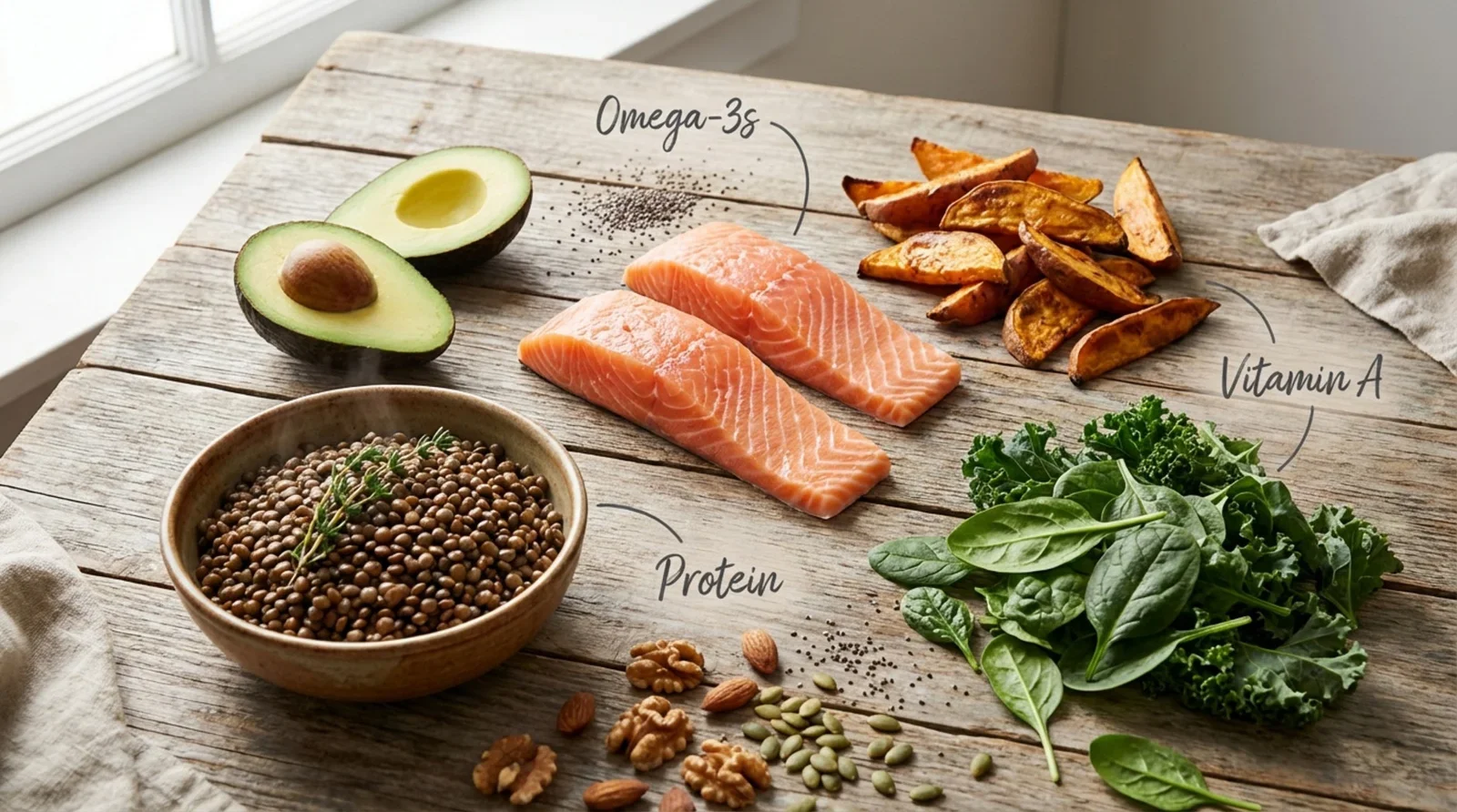
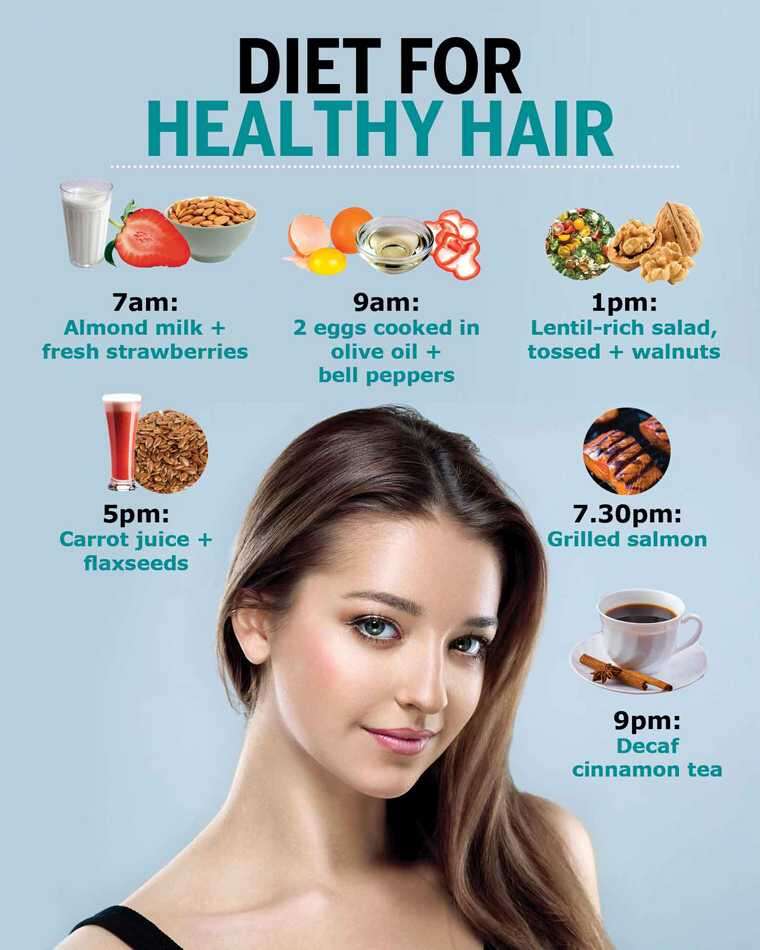
Hair health is closely connected to overall nutrition.
Hair follicles require a consistent supply of vitamins, minerals, and proteins to produce strong hair fibers. Without adequate nutrients, hair may grow thinner or become more fragile.
Protein is particularly important because hair itself is composed primarily of keratin, a structural protein. Foods such as eggs, fish, legumes, and nuts support healthy keratin production.
Iron, zinc, and biotin are also commonly associated with hair health. These nutrients contribute to oxygen transport, follicle function, and hair growth cycles.
Healthy fats found in foods like avocados, olive oil, and fatty fish help maintain scalp hydration and support the skin barrier.
While supplements are widely marketed for hair growth, experts often emphasize that a balanced diet provides the most reliable foundation for strong hair.
When nutrition supports follicle health, new hair grows stronger from the start.
Heat Styling Without the Damage
Heat styling is one of the most common causes of hair weakening, yet it does not need to be completely eliminated.
The key is learning how to style hair safely.
Heat protectant products create a protective barrier that reduces moisture loss and prevents extreme temperature exposure. These formulas often contain silicones, polymers, and conditioning agents that shield the hair cuticle.
Lowering styling temperatures can also make a difference. Many modern styling tools allow adjustable heat settings, making it easier to avoid excessive heat.
Limiting heat styling to a few times per week rather than daily can further reduce damage. On non-styling days, embracing natural texture or using heat-free styling methods helps maintain hair strength.
By combining protective products with mindful styling habits, it becomes possible to enjoy beautiful hairstyles without sacrificing hair health.
The Power of Consistency 💎
Ultimately, the secret to stronger and healthier hair is consistency.
Hair responds slowly to care routines. Unlike skin, which can sometimes show improvements within days, hair often requires weeks or months to reveal meaningful change.
Consistent scalp care, regular conditioning, balanced nutrition, and gentle daily habits gradually rebuild the hair’s strength and resilience.
Over time, this steady commitment leads to hair that feels smoother, appears shinier, and resists breakage more effectively.
Rather than chasing temporary cosmetic fixes, modern beauty experts encourage a long-term approach that treats hair as a living extension of overall wellness.
When hair receives the care it truly needs, strength and vitality naturally follow.
Final Thoughts
Stronger and healthier hair is not the result of a single product or trend. It is the outcome of a thoughtful, science-informed routine that nurtures hair from the inside out.
By prioritizing scalp health, restoring hair bonds, maintaining hydration, practicing gentle styling habits, and supporting hair through proper nutrition, anyone can dramatically improve the strength and resilience of their hair.
In the evolving world of beauty innovation, one truth remains timeless: healthy hair is built through care, patience, and knowledge.
When those elements come together, the result is hair that not only looks beautiful but truly thrives.
