AI-Personalized Skincare: Pros, Cons, and What to Watch Out For
AI-Personalized Skincare: Pros, Cons, and What to Watch Out For
The Rise of Algorithm-Driven Beauty
Beauty has always been personal—but in 2026, personalization has taken on an entirely new meaning. With the integration of artificial intelligence into the skincare industry, routines that once relied on trial-and-error are increasingly guided by algorithms, image analysis, and predictive models. From smartphone skin scans to ingredient recommendation engines, AI-powered skincare platforms promise to transform how people understand and care for their skin.
What once required a dermatology appointment can now be approximated with a quick selfie. AI tools analyze visible indicators such as texture, pigmentation, pores, and hydration to generate personalized product suggestions and skincare routines within seconds. Some systems even track progress over time, comparing scans to monitor improvements or emerging concerns.
For many consumers, the appeal is obvious. AI offers the possibility of clarity in a market saturated with thousands of skincare products and conflicting advice. Instead of guessing which serum or moisturizer might work, users receive data-driven recommendations tailored to their skin profile.
Yet while AI skincare technology offers fascinating possibilities, it also raises important questions about accuracy, bias, data privacy, and commercial influence. Like any emerging technology, it sits somewhere between genuine innovation and marketing hype.
Understanding both the benefits and the limitations is essential before placing full trust in the algorithm.
How AI-Powered Skincare Actually Works


4
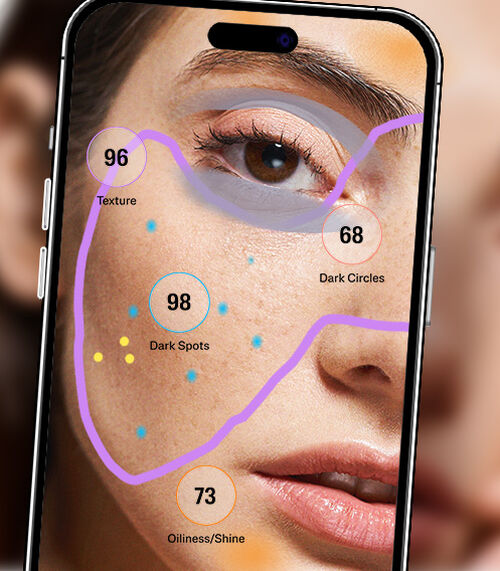
AI-driven skincare typically begins with a digital skin assessment. Most platforms rely on smartphone cameras or specialized imaging devices to analyze facial features and detect visible skin conditions.
The process generally follows three steps:
1. Skin Capture
Users upload a selfie or scan their face using a mobile app. Advanced systems guide users to position their face correctly and ensure proper lighting conditions.
2. AI Analysis
Computer vision algorithms examine the image and identify multiple skin parameters such as:
Fine lines and wrinkles
Dark spots and hyperpigmentation
Acne and blemishes
Oil levels and pores
Redness or irritation
Skin texture
Some advanced systems evaluate as many as 15 different skin metrics to generate a comprehensive skin profile.
3. Personalized Recommendations
Once the analysis is complete, the AI suggests:
A skincare routine (cleanser, treatment, moisturizer, sunscreen)
Specific products suited to the user’s skin type
Ingredient recommendations
Lifestyle suggestions such as hydration or sun protection
Many apps also store past scans, allowing users to track skin changes over weeks or months.
This approach reflects a larger shift in the beauty industry—from generalized advice to data-driven personalization.
The Biggest Advantages of AI-Personalized Skincare
1. Accessibility to Skin Insights
For many people, visiting a dermatologist or aesthetic clinic regularly is expensive or inconvenient. AI tools lower the barrier to entry by offering skin assessments from home.
A simple selfie can deliver insights that previously required specialized equipment. While not a replacement for professional care, this accessibility empowers consumers to better understand their skin’s condition.
For beginners especially, AI can simplify a confusing skincare landscape.
2. Personalized Product Selection
One of the biggest frustrations in skincare is finding products that actually work. Consumers often test multiple products before discovering a suitable routine.
AI systems aim to reduce this trial-and-error process. By analyzing skin characteristics, they recommend ingredients and formulations that are more likely to suit the user’s needs.
For example, someone with visible dehydration might receive recommendations containing:
Hyaluronic acid
Ceramides
Glycerin
Meanwhile, users with acne-prone skin might see suggestions for ingredients like niacinamide or salicylic acid.
In theory, personalization increases the likelihood of effective results.
3. Continuous Skin Monitoring
Unlike traditional consultations, AI apps allow users to track skin changes regularly.
By comparing scans over time, these platforms can show:
Reduction in pigmentation
Improvements in texture
Changes in acne severity
Effects of new skincare products
This progress tracking transforms skincare into a measurable journey rather than a guessing game.
4. Ingredient Education
Some AI skincare tools go beyond analysis and include ingredient scanners. Users can photograph a product label or scan a barcode to learn about its ingredients.
These features help consumers understand:
The function of specific ingredients
Potential irritants
Whether a product suits their skin concerns
As a result, users become more informed about what they apply to their skin.
The Limitations of AI Skin Analysis
Despite the promise of intelligent skincare, AI tools have several limitations that consumers should understand.
Lighting and Image Quality
AI analysis depends heavily on the quality of the image provided. Poor lighting, shadows, makeup, or camera angles can significantly affect results.
A scan taken under bright natural light may produce different results than one taken in a dim bathroom mirror.
This variability means AI assessments should be interpreted cautiously rather than as definitive diagnoses.
Surface-Level Analysis
Most AI systems analyze visible skin characteristics, not deeper biological processes.
Conditions such as:
Hormonal acne
Skin barrier damage
Allergic reactions
Rosacea
cannot always be accurately diagnosed through image analysis alone.
Professional dermatologists use tools such as dermoscopy and medical history evaluations—something AI apps cannot fully replicate.
Dataset Bias
Another challenge lies in the datasets used to train AI models. If the training data lacks diversity in skin tones, ages, or ethnic backgrounds, the system may perform less accurately for certain users.
Researchers emphasize that AI dermatology tools must be trained on diverse datasets to avoid biased results.
Without inclusive training data, recommendations may be less reliable for people with darker skin tones or uncommon skin conditions.
The Commercial Bias Problem
One of the most overlooked issues in AI skincare is commercial influence.
Many apps are developed by beauty brands or retailers. As a result, product recommendations often favor items within the brand’s own portfolio.
For example, a skincare analysis tool owned by a cosmetics company may recommend products exclusively from its product line—even when alternatives might be more suitable.
This doesn’t necessarily mean the recommendations are incorrect, but it does introduce a potential conflict of interest.
Consumers should view AI suggestions as guidance rather than objective truth.
Data Privacy and Skin Data Concerns
AI skincare platforms rely heavily on personal data.
Users often upload:
High-resolution facial images
Skin condition details
Lifestyle habits
Product usage history
This information may be stored and processed by companies to improve their algorithms.
While many platforms claim to anonymize data, questions remain about how facial images are stored and whether they could be used for other purposes such as marketing or algorithm training.
Before using an AI skincare tool, it is wise to review its privacy policies and understand how personal data is handled.
When AI Skincare Works Best
Despite its limitations, AI-driven skincare can be genuinely useful in several scenarios.
Beginners Building a Routine
People new to skincare often feel overwhelmed by product choices. AI can provide a starting framework for building a basic routine.
Tracking Skin Progress
If you enjoy measurable results, AI tracking tools can visualize improvements over time.
Ingredient Awareness
Ingredient scanners and recommendation engines help users learn about skincare formulations.
Between Dermatology Visits
AI tools can serve as supplementary guidance between professional consultations.
However, they should not replace medical advice—especially for serious or persistent skin conditions.
When You Should See a Dermatologist Instead
AI skincare is helpful for general guidance, but certain situations require professional medical care.
Seek expert advice if you experience:
Persistent or severe acne
Sudden skin discoloration
Suspicious moles or lesions
Chronic redness or inflammation
Painful or rapidly changing skin conditions
Dermatologists combine medical expertise with diagnostic tools that AI apps cannot replicate.
In these cases, professional evaluation remains essential.
The Future of AI in Skincare
The intersection of artificial intelligence and beauty is still evolving rapidly.
Future developments may include:
Advanced Skin Sensors
Wearable sensors capable of measuring hydration, oil production, and skin barrier health in real time.
Predictive Skin Modeling
AI may soon predict future skin changes based on lifestyle factors such as sleep, pollution exposure, and UV radiation.
Integration with Dermatology
Hybrid platforms combining AI analysis with tele-dermatology consultations may offer the best of both worlds.
Personalized Formulations
Some brands are already experimenting with AI systems that create custom skincare formulas tailored to an individual’s skin profile.
As technology advances, the gap between digital skin analysis and professional dermatology may continue to narrow.
The Bottom Line
AI-personalized skincare represents one of the most exciting developments in the beauty industry. By combining computer vision, machine learning, and large skincare datasets, these tools promise to make skincare routines more precise and personalized.
For consumers navigating an overwhelming beauty market, AI offers a welcome layer of guidance.
However, the technology is not infallible. Image quality, dataset bias, commercial interests, and privacy concerns all influence the reliability of AI-driven recommendations.
The smartest approach is to treat AI skincare as a helpful assistant—not the ultimate authority.
Used thoughtfully, it can simplify routines, educate consumers, and provide valuable insights. But when it comes to serious skin concerns or medical conditions, nothing replaces the expertise of a trained dermatologist.
The future of skincare will likely be a hybrid one—where human expertise and artificial intelligence work together to create smarter, more personalized beauty solutions.
