How to Choose Actives When Your Skin Is Sensitive or Reactive
How to Choose Actives When Your Skin Is Sensitive or Reactive
In 2026, skincare conversations have shifted from “more is more” to something far more intelligent: precision. ✨ For those with sensitive or reactive skin, this evolution couldn’t come at a better time. After years of over-exfoliating, stacking actives, and chasing dramatic transformations, the industry is rediscovering restraint — and the elegance of a well-supported barrier.
If your skin flushes easily, stings unpredictably, or seems to revolt at the slightest routine change, you are not alone. Sensitive and reactive skin types are increasingly common, driven by environmental stress, urban living, aggressive actives, and even psychological stress. But sensitivity does not mean you must avoid active ingredients entirely. It simply means you must choose them with intention.
This guide walks you through how to evaluate, introduce, and combine actives safely — without compromising results or comfort.
(Structured according to premium editorial guidelines
SEO-optimized blog posts
)
Understanding Sensitive vs. Reactive Skin
Before selecting any ingredient, clarity matters.
Sensitive skin is a long-term skin type. It tends to be thinner, more prone to redness, and may react to fragrance, alcohol, or harsh exfoliants.
Reactive skin, on the other hand, is a temporary state. Even resilient skin can become reactive after overuse of actives, seasonal shifts, stress, or barrier damage.
The common denominator? A compromised or easily disrupted skin barrier.
When the barrier weakens, nerve endings become more exposed, inflammation increases, and transepidermal water loss accelerates. This creates the familiar cycle: dryness → irritation → more sensitivity → further barrier breakdown.
Choosing actives for this skin type isn’t about avoiding innovation. It’s about supporting biology. 🧬
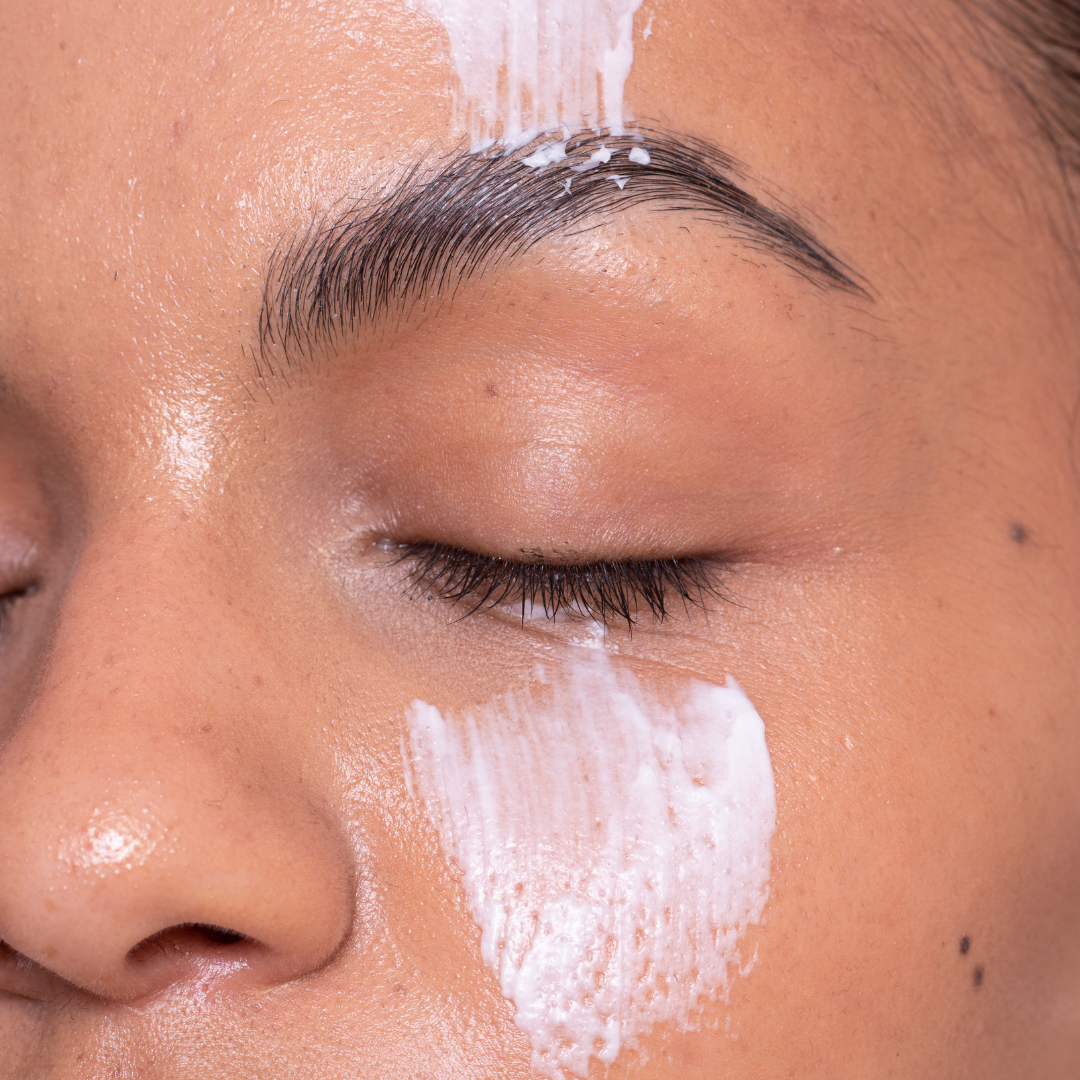
The Golden Rule: Repair First, Then Treat


4
The most common mistake? Introducing treatment actives into an already unstable routine.
Before adding retinoids, exfoliating acids, or pigment correctors, ensure your barrier is functioning properly. Signs your barrier needs attention:
Persistent tightness
Burning when applying simple moisturizers
Red patches that linger
Flaky yet oily surface
Sudden product intolerance
Barrier-Supporting Ingredients to Prioritize
Look for formulas featuring:
Ceramides to replenish lipid structure
Cholesterol and fatty acids to reinforce barrier architecture
Panthenol (Pro-Vitamin B5) to soothe and hydrate
Beta-glucan for calming and resilience
Centella asiatica extracts for inflammation control
These are not “trend” actives — they are foundational ones. 💎
Think of this phase as skin rehabilitation. Only once redness and stinging subside should you layer in more transformative ingredients.
Choosing Actives: The Smart 2026 Approach
Sensitive skin does not require abandoning results-driven skincare. It requires refinement.
Below is how to choose actives strategically.
1. Exfoliation: Gentle Renewal Without Disruption


4
Exfoliation remains essential for brightness and clarity. But high-strength glycolic acid peels are rarely appropriate for reactive skin.
What to Choose Instead
Polyhydroxy Acids (PHAs)
PHAs have larger molecular structures, meaning they penetrate more slowly and cause less irritation. They also attract water, making them ideal for dryness-prone sensitivity. 🌿
Lactic Acid (Low Percentage)
A gentle alpha hydroxy acid that hydrates while exfoliating. Look for concentrations below 5% when starting.
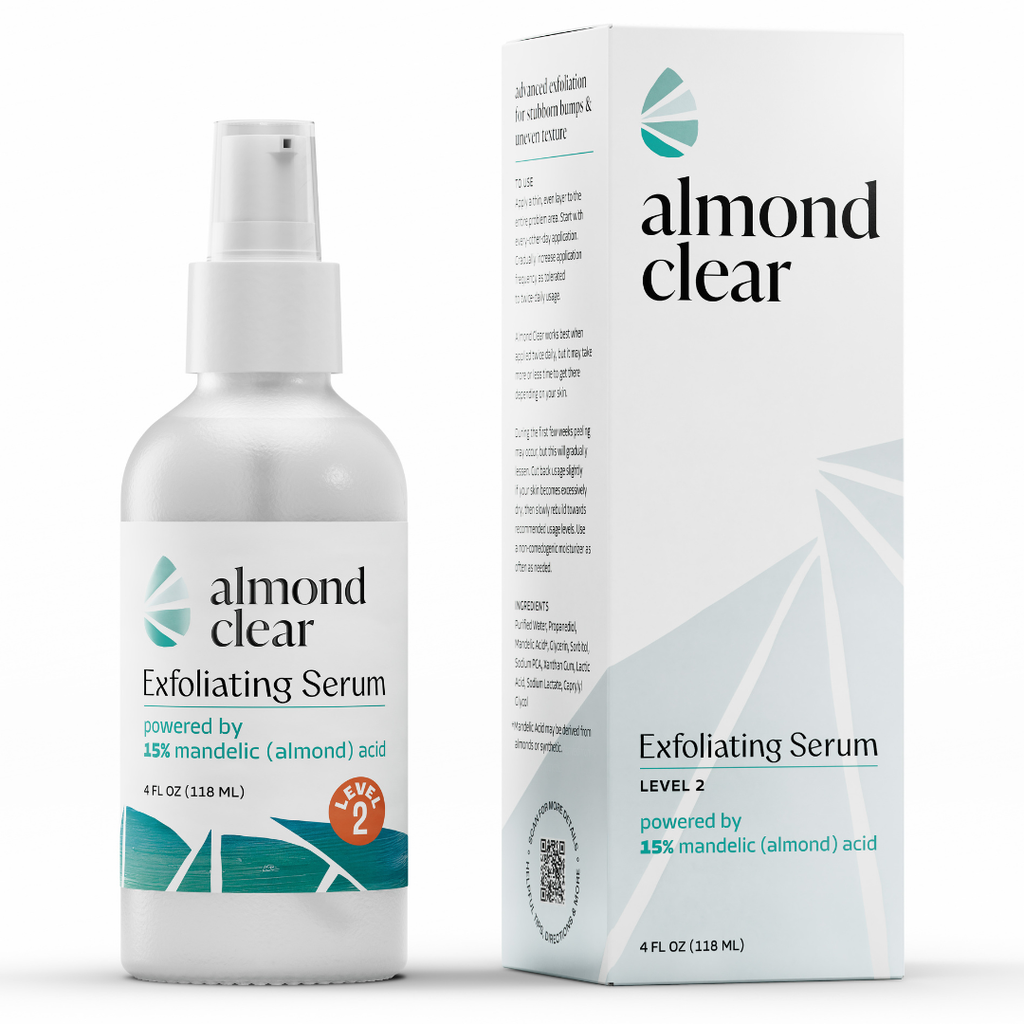
Mandelic Acid
Oil-soluble and slow-penetrating, making it suitable for sensitive, acne-prone skin.
What to Avoid (Initially)
Daily exfoliation
High-concentration glycolic acid
Layering multiple acids
Combining acids with retinoids in early stages
Frequency matters as much as formulation. Once or twice weekly is often enough for delicate skin.
2. Retinoids: Yes, But With Precision
Retinoids are among the most researched skincare actives 🔬, but they are also notorious for irritation.
The key is choosing the right derivative and delivery system.
Sensitive-Skin-Friendly Retinoid Options
Retinaldehyde (low strength)
More potent than retinol but often better tolerated in encapsulated systems.
Encapsulated Retinol (0.1–0.3%)
Encapsulation slows release, minimizing inflammation.
Bakuchiol (as an alternative)
Plant-derived and often gentler, though still biologically active.
How to Introduce Retinoids Safely
Apply to fully dry skin
Start twice weekly
Sandwich between moisturizer layers
Avoid pairing with exfoliating acids initially
If your skin stings beyond 20 minutes or peels excessively, reduce frequency rather than quitting entirely.
The goal is adaptation, not aggression. 💡
3. Vitamin C: Brightening Without Burning


4
Traditional L-ascorbic acid at 15–20% can overwhelm sensitive skin, especially at low pH levels.
Instead, consider:
Magnesium Ascorbyl Phosphate (MAP)
More stable and gentler, though slightly less potent.
Sodium Ascorbyl Phosphate (SAP)
Ideal for acne-prone, reactive skin.
Low-Dose L-Ascorbic Acid (5–10%)
If tolerated, start low before building upward.
Pair vitamin C with soothing agents like panthenol or green tea extract to reduce irritation.
And remember: vitamin C is not mandatory. If your skin reacts repeatedly, prioritize barrier strength first.
4. Pigmentation Actives Without the Sting
Hyperpigmentation often tempts people into overusing harsh acids. Sensitive skin needs alternative pathways.
Look for:
Azelaic Acid (10%) — anti-inflammatory, brightening, and acne-friendly
Tranexamic Acid — helps reduce discoloration with minimal irritation
Niacinamide (2–5%) — strengthens barrier and improves tone
High niacinamide concentrations (10%+) can cause flushing in reactive skin. Lower percentages are often more effective long-term.
5. Acne Treatment Without Over-Drying
Reactive skin can still be acne-prone. The trick is avoiding dehydration-driven breakouts.
Instead of aggressive benzoyl peroxide:
Choose low-dose (2.5%) if needed
Spot treat rather than full-face apply
Pair with hydrating serums
Azelaic acid once again becomes a standout multitasker — calming inflammation while addressing breakouts.
The Order of Application Matters
Layering too many actives at once often triggers reactions.
A simplified routine may look like:
Morning
Gentle cleanser
Hydrating serum
Vitamin C derivative (if tolerated)
Moisturizer
SPF
Evening (Treatment Night)
Gentle cleanse
Hydrating serum
Retinoid (low frequency)
Barrier-focused moisturizer
Alternate treatment nights with full recovery nights.
Minimalism is not boring. It is strategic. 🌍
Patch Testing — But Properly
Many people patch test incorrectly.
Apply a small amount of product behind the ear or on the inner arm for 24–48 hours. Then test on a small section of the face for two nights before full application.
Reactivity can be delayed, so avoid stacking multiple new products within the same week.
Ingredient Combinations to Approach Carefully
Certain pairings are particularly inflammatory for sensitive skin:
Retinoids + exfoliating acids
Benzoyl peroxide + retinoids (unless dermatologist-guided)
High-dose vitamin C + acids
Multiple exfoliants in one routine
Spacing treatments across different nights dramatically reduces irritation risk.
Environmental Sensitivity in 2026
Modern skin isn’t just reacting to products — it’s reacting to environment.
Urban pollution, UV exposure, blue light, and climate shifts all increase inflammatory responses. 🌿 This makes antioxidant support and sunscreen non-negotiable.
Look for mineral-based sunscreens with zinc oxide if chemical filters sting. Hybrid formulas are also improving dramatically this year, offering elegant textures without compromise.
When to Pause Actives Entirely
Sometimes, even gentle formulations are too much.
Pause all actives if you experience:
Persistent burning
Swelling
Severe flaking
Eczema-like patches
Return to a three-product routine: cleanser, barrier serum, moisturizer. Give skin 2–3 weeks before reintroducing anything active.
Skincare is cumulative. Pushing through inflammation never accelerates progress.
Luxury Skincare Doesn’t Mean More Ingredients
High-end formulations today focus on delivery systems rather than raw concentration.
Encapsulation technology, lipid-based carriers, and slow-release systems are reshaping how sensitive skin tolerates powerful ingredients. 🧬
This means you can achieve smoother texture, brighter tone, and collagen support — but at a pace your skin can sustain.
Emotional Triggers & Skin Reactivity
Stress-induced inflammation is increasingly acknowledged in dermatology. Elevated cortisol levels weaken barrier function and delay healing.
This is where the neurocosmetic conversation becomes relevant — products formulated to reduce inflammation signals at a cellular level.
While not miracle solutions, calming ingredients like:
Ectoin
Adaptogenic plant extracts
Thermal spring water
can complement a routine designed around resilience.
True skin transformation includes lifestyle awareness: sleep, hydration, stress management.
How Long Before You See Results?
Sensitive skin responds more slowly — but more sustainably.
Expect:
2–4 weeks for barrier improvement
6–8 weeks for brightness changes
12 weeks for retinoid-based texture refinement
Impatience often causes overuse. Consistency is the true accelerator.
The “One Active at a Time” Strategy
If there is one philosophy that defines sensitive-skin success, it is this:
Introduce only one new active every 3–4 weeks.
This isolates reactions and allows accurate evaluation. It also protects your barrier from cumulative overload.
Beauty in 2026 is less about shock results and more about intelligent layering. 💎
Building Your Ideal Sensitive-Skin Routine
Here is a refined blueprint:
Barrier-first foundation
Gentle exfoliation weekly
One treatment active (retinoid OR pigment corrector)
Daily antioxidant support
Mineral SPF
No 10-step routines. No trend stacking. Just targeted precision.
Final Thoughts: Calm Skin Is Powerful Skin
Sensitive or reactive skin is not a flaw. It is responsive, perceptive, and protective by design.
When you choose actives thoughtfully — prioritizing barrier health, intelligent formulation, and slow integration — your skin becomes more resilient over time.
The future of skincare is not maximalism. It is refinement. ✨
And when your routine feels calm, balanced, and intentional, the glow that follows is unmistakably modern.
