The Skincare Secret Women With Perfect Skin Swear By
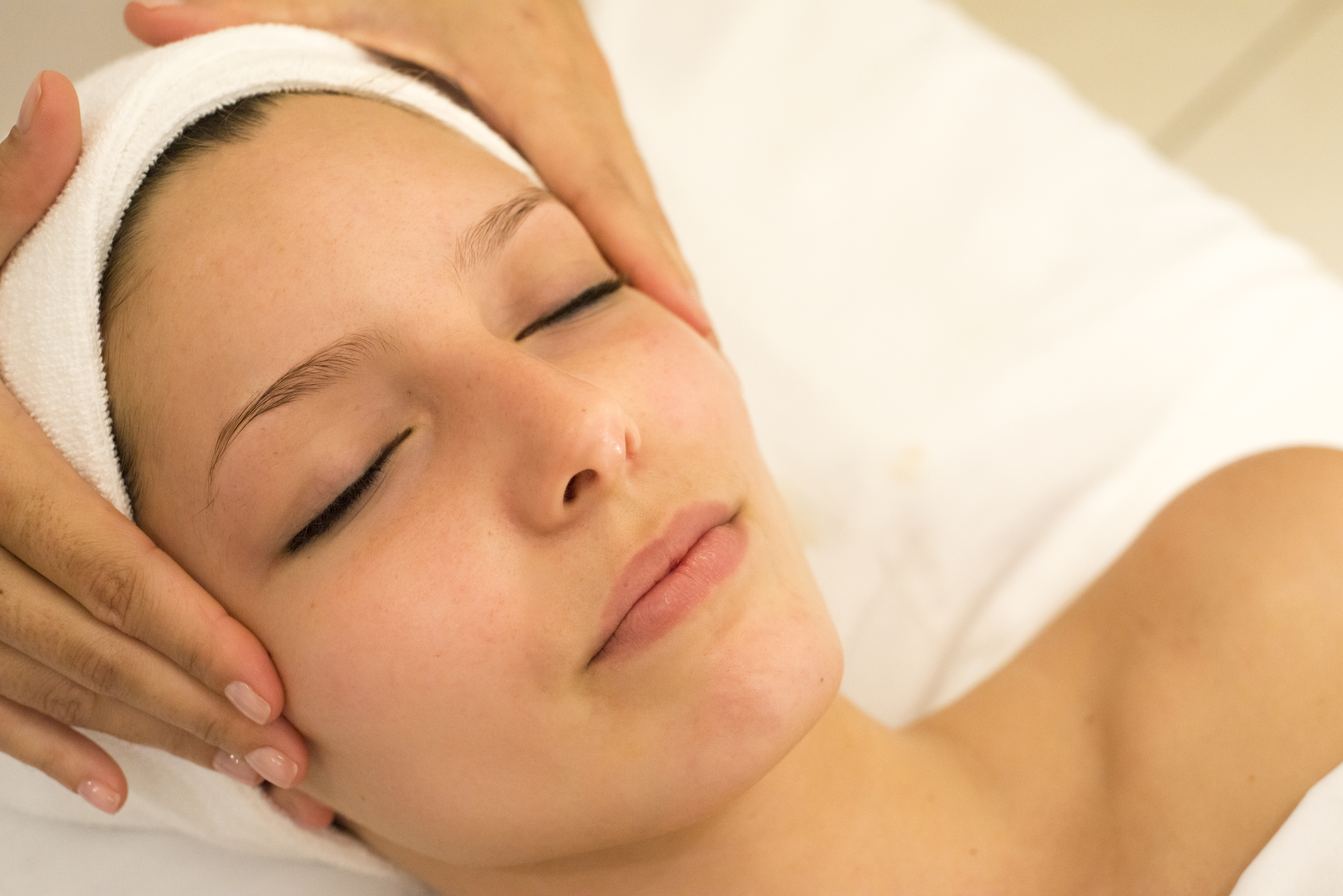
The Skincare Secret Women With Perfect Skin Swear By
There is always a fantasy attached to perfect skin. It suggests one miraculous serum, one insider-only treatment room, one velvet-lined secret whispered between women who somehow wake up luminous. But in 2026, the most interesting thing about beautiful skin is that the fantasy is fading. The new ideal is not porcelain perfection, nor is it the overworked, over-layered glow that dominated social feeds for years. It is calmer than that. Smarter. More believable.
According to the strongest 2026 reporting from Vogue, Allure, Mintel, Vogue Scandinavia, Who What Wear, and the FDA, the industry is moving toward skin health that is barrier-first, science-literate, increasingly personalized, and less obsessed with novelty for novelty’s sake. Consumers are leaning into cellular health, advanced peptides, better delivery systems, professional guidance, sensory ritual, and sunscreen innovation, while also becoming more skeptical of hype-heavy promises. (Vogue)
So what is the skincare secret women with truly enviable skin swear by? Not excess. Not trend-chasing. Not punishing their face in pursuit of “results.” The real secret is elegant consistency: protecting the barrier, choosing proven actives, personalizing instead of copying, and treating skin like a living system rather than a blank canvas. ✨

The New Definition of Perfect Skin
For years, “perfect skin” was sold as flawlessness. Poreless, line-free, texture-free, almost inhuman. In 2026, that image is softening. Mintel’s beauty forecast points to a market that is becoming more human, emotionally resonant, and less enthralled by algorithmic perfection; at the same time, beauty is increasingly merging with health, diagnostics, and personalization. (Mintel)
That shift matters because it changes the goal. Perfect skin now reads less like untouched skin and more like resilient skin. Skin that looks even because it is well supported. Skin that reflects strong barrier function, steady hydration, diligent photoprotection, and a routine that respects biology instead of battling it. Vogue’s 2026 skincare reporting frames this clearly: cellular health, personalized treatment plans, advanced LED, peptides, exosomes, body care, and regenerative thinking are all shaping the year. (Vogue)
Women whose skin looks consistently radiant are not necessarily doing more. Very often, they are doing less—but doing it with more precision. They understand that skin health is cumulative. Their glow is not usually the result of one dramatic night. It is the visible sum of thousands of unglamorous decisions: daily sunscreen, restraint with exfoliation, intelligent ingredient layering, and the willingness to stay loyal to what works.
Why “less but better” feels luxurious now
One of the most interesting beauty reversals of the moment is that discipline has become aspirational. The old prestige model often equated luxury with quantity: more steps, more launches, more claims. The 2026 mood is different. Luxury now lies in discernment. A tightly edited routine can feel more elevated than a crowded shelf because it suggests knowledge, confidence, and access to better information.
Allure’s 2026 skin-care trend report captures that return to basics, noting that innovation is making classic actives like retinol and vitamin C gentler and more effective through improved formulation and delivery. In other words, the future is not always a brand-new molecule; often it is a better version of something dermatologists have respected for years. (Allure)
The Real Secret: Barrier-First Thinking
If there is one phrase that quietly underpins almost every major skin conversation in 2026, it is barrier support. The women with the best skin are not the ones waging war on their face. They are the ones protecting its integrity.
A healthy skin barrier does not sound glamorous, yet it is behind nearly every quality people read as beauty: suppleness, smoothness, comfort, reduced redness, and that expensive-looking softness makeup artists are forever trying to imitate. When the barrier is impaired, skin can become reactive, dehydrated, shiny yet tight, and paradoxically more prone to breakouts and irritation. When it is supported, complexion becomes calmer and more predictable.
This is why “perfect skin” routines are increasingly built around gentle cleansing, hydration, repair, and carefully chosen actives rather than constant resurfacing. Who What Wear identifies gentler exfoliation and microbiome-minded care as key 2026 directions, while Vogue Scandinavia describes a broader course correction away from overzealous at-home experimentation toward smarter stimulation and professional input. (Who What Wear)
What barrier-first looks like in practice
It looks like respecting your skin’s limits. It means not using five strong actives because the internet loves them. It means accepting that irritation is not proof of efficacy. It means choosing cleansers that do not strip, serums that do one or two things well, and moisturizers that genuinely seal in comfort.
Barrier-first also means understanding timing. Women with consistently excellent skin tend to know when to pause. They do not push through inflammation just because a product is expensive or trendy. They step back, simplify, recover, and then reintroduce what serves them. That patience is part of the secret. 🌿
Science Is Back in Fashion—and This Time It’s Elegant
There is a reason 2026 skincare feels more credible than many trend cycles before it: science is not being treated as an afterthought. Allure calls it a year when “science is winning,” with dermatologists pointing consumers back toward clinically backed fundamentals while brands refine delivery systems, peptides, growth factors, and supportive pre- and post-procedure skin care. (Allure)
That return to evidence is one of the clearest markers separating women with good skin from women trapped in the churn of beauty marketing. The former are not ignoring innovation; they are filtering it. They know that retinoids, antioxidants, peptides, and sunscreen continue to matter because decades of dermatologic practice still support them. What is changing is the experience: these ingredients are being made more tolerable, more targeted, and more cosmetically elegant. (Allure)
Vogue adds another layer to this conversation through cellular health and personalized plans. That framing pushes skincare beyond surface-level vanity into resilience, repair, and long-term function. It is a more sophisticated idea of beauty—less instant, more architectural. (Vogue)

The actives that still matter
Retinoids remain central because they continue to influence tone, texture, clarity, and collagen behavior in meaningful ways. Vitamin C still matters because it speaks to brightness and antioxidant defense. Peptides are rising not simply as buzzwords, but because brands and experts increasingly see them as versatile tools within regenerative and longevity-led skincare. Allure and Who What Wear both spotlight advanced peptides among the defining stories of 2026. (Allure)
The lesson here is quietly radical: women with exceptional skin are rarely loyal to novelty alone. They are loyal to performance.
Personalization Is Replacing Copy-Paste Routines
One reason so many people become frustrated with skincare is that they borrow routines from faces that are not theirs. Skin, however, is stubbornly individual. Hormones, age, climate, stress, pigment concerns, lifestyle, sleep, sun exposure, and sensitivity all shape what it needs.
Vogue highlights personalized treatment plans and AI-assisted diagnostics as part of 2026’s skin-health landscape, while Mintel describes beauty as converging with technology, biomarker thinking, and preventive wellness. (Vogue) That does not mean everyone suddenly needs a futuristic scan. It means the industry is catching up to what women with great skin have known instinctively for years: a routine should answer your skin, not social media.
A woman dealing with perimenopausal dryness does not need the same lineup as a 24-year-old navigating congestion. A frequent flier in a cold climate has different needs from someone living in humidity. A post-laser routine should not resemble a brightening routine before a beach holiday. Perfect skin, in practice, comes from customization.
The age of thoughtful editing
This is where discernment becomes visible. Instead of asking, “What’s everyone using?” women with luminous skin ask, “What is my skin asking for now?” That is a completely different posture. It leads to smarter editing, fewer regrettable overhauls, and a complexion that looks stable rather than volatile.
Allure’s reporting on menopause-targeted skincare is an example of this more nuanced future: the category is growing because the industry is finally acknowledging specific biological shifts in collagen, elasticity, hydration, and barrier behavior—though experts remain careful about where the science is still emerging. (Allure)
Ritual Matters—But Not in the Old Performative Way
One of the loveliest contradictions in 2026 beauty is that the industry is becoming more scientific and more sensual at the same time. Mintel’s “Sensorial Synergy” prediction argues that beauty is increasingly judged not only on results, but on emotion, texture, ritual, and the ability to create memorable experiences. (Mintel)
This matters because women with beautiful skin often understand something spreadsheets cannot fully capture: consistency is easier when the ritual is pleasurable. A cream you love to apply gets used. A cleansing step that feels calming becomes part of the evening exhale. A face massage you associate with softness and decompression becomes sustainable. Beauty works better when it fits into life with elegance.
Vogue Scandinavia notes a return to professional treatments and smarter skin stimulation, and Who What Wear flags inter-oral facial massage as one of the year’s talking points. Whether at home or in the treatment room, touch has returned as a serious element of skin culture. (Vogue Scandinavia)

Why women with great skin protect calm
Stress is written onto the face more often than beauty marketing admits. Poor sleep, inflammatory habits, dehydration, and emotional overload can all interfere with how skin looks and feels. That is one reason ritual matters now: not because a pretty bathroom aesthetic is profound, but because skin tends to benefit when the nervous system is not in constant revolt.
The modern luxury skincare ritual is therefore less theatrical and more regulatory. It is the warm rinse, the measured serum, the massage that releases jaw tension, the moisturizer that makes the skin feel sealed and safe. It is not just about looking expensive. It is about signaling safety to the body.
Sun Protection Is Still the Most Unromantic, Most Powerful Answer
Every year, skincare searches for something sexier than sunscreen. Every year, sunscreen remains one of the closest things the category has to a true non-negotiable.
Allure reports that dermatologists are watching the FDA’s sunscreen developments closely because bemotrizinol could improve broad-spectrum protection and cosmetic elegance for U.S. consumers. The FDA announced in December 2025 that it is proposing to add bemotrizinol as a permitted active ingredient for sunscreens. (Allure)
The industry significance is obvious, but the personal significance is even more important. Women with the best skin rarely treat SPF as optional. They understand that no brightening serum can out-charm habitual UV exposure. No collagen story can fully compensate for careless sun habits. Protection is not glamorous in the language of advertising, but it is glamorous in results.

The hidden luxury of being protected
There is something deeply modern about seeing sunscreen not as a beach product, but as a complexion strategy. Daily photoprotection helps defend tone, elasticity, calmness, and overall skin quality over time. It preserves the work your other products are trying to do.
In 2026, this conversation also benefits from a more global beauty perspective. K-beauty’s continued influence on texture, hydration, and formula elegance is part of why consumers now expect protective products to feel beautiful on skin, not merely dutiful. Vogue and Allure both point to K-beauty’s ongoing influence in shaping what shoppers want from skincare. (Vogue)
The Treatment Room Has Returned
For a while, beauty culture suggested that every result worth having could be hacked at home. That mood is cooling. Vogue Scandinavia describes 2026 as a return to in-clinic care, and Allure notes the rise of pre- and post-procedure skincare designed to support collagen-stimulating treatments and optimize recovery. (Vogue Scandinavia)
This does not mean every woman with gorgeous skin is scheduling aggressive procedures. It means that expertise is back in style. Perfect skin no longer belongs to the person with the largest bathroom shelf; it belongs, increasingly, to the person who knows when to consult a professional, when to invest in a treatment, and when to leave well enough alone.
The treatment room today is also less about dramatic transformation and more about subtle maintenance. Biostimulators, gentle resurfacing, targeted facials, LED, and supportive topicals all fit into a broader philosophy of longevity rather than shock value. Vogue’s reporting on 2026 explicitly places regenerative and personalized approaches at the center of the skin conversation. (Vogue)
Good skin now looks believable
That may be the most important aesthetic development of all. Beauty is moving away from the overfilled, overfiltered, overprocessed face and toward something more convincing. Mintel’s prediction that consumers are tiring of algorithmic perfection pairs neatly with this shift. The new aspiration is not to look edited. It is to look deeply well. 💎
So, What Do Women With Perfect Skin Actually Swear By?
They swear by consistency over intensity. They swear by protecting the barrier before chasing “glass.” They swear by proven actives, not just trendy ones. They swear by tailoring routines to age, environment, and biology instead of copying strangers online. They swear by SPF. They swear by the idea that texture is normal, irritation is not a badge of honor, and skin tends to reward steadiness more than spectacle. (Vogue)
And perhaps most tellingly, they swear by patience.

The luxury lesson hidden in all of this
The skincare secret women with perfect skin swear by is not really a secret at all. It only feels like one because it is quieter than marketing. It asks for restraint in a culture of excess. It asks for repetition in a culture of endless launches. It asks for literacy in a category that often prefers fantasy.
But that is precisely why it works.
In 2026, the most compelling skin is not the skin that looks untouched by life. It is the skin that looks expertly cared for—protected, supported, intelligently treated, and unmistakably alive. Beautiful skin is becoming less about chasing flawlessness and more about cultivating function, comfort, and confidence. 🌍
That is the new glow. Not harder. Smarter. And infinitely more chic.
