LED and At-Home Light Therapy in 2026: What’s Truly Worth the Investment?
LED and At-Home Light Therapy in 2026: What’s Truly Worth the Investment? ✨
In 2026, light has become the new serum.
Once reserved for dermatology clinics and luxury spas, LED therapy now lives on bathroom counters worldwide. Inspired by clinical protocols and propelled by beauty tech innovation, at-home light therapy promises clearer skin, fewer wrinkles, calmer redness, and even improved skin resilience. The category has matured fast—especially following industry coverage from outlets like CosmeticsDesign-Europe.com, which has tracked the device boom from novelty to mainstream.
But here’s the truth: not every glowing mask deserves a place in your routine.
Today’s consumer is smarter, more ingredient-literate, and more device-curious than ever. The question is no longer Does LED work? Instead, it’s: Which devices are worth the money—and which are just beautifully marketed light shows? 💡
This is your definitive 2026 guide.
Why LED Therapy Is Still Relevant in 2026 🧬
Unlike trend-driven ingredients that rise and fall with social media cycles, LED light therapy is grounded in decades of research. Originally developed by NASA to study wound healing in space, LED technology works by delivering specific wavelengths of light that penetrate the skin at varying depths.
Each wavelength targets different concerns:
Red light (typically around 630–660 nm) stimulates collagen production and improves skin firmness.
Blue light (around 415 nm) targets acne-causing bacteria.
Near-infrared light penetrates deeper layers to support tissue repair and reduce inflammation.
Green and yellow lights are often marketed for pigmentation and redness, though evidence varies.
What’s changed in 2026 isn’t the science—it’s the accessibility. Devices are more powerful, better designed, and increasingly customizable. Some even sync with apps that adjust wavelengths based on skin condition, creating a data-driven beauty experience 🔬.
But access alone doesn’t equal effectiveness.
The Three Main Categories of At-Home LED Devices
1. LED Face Masks


4
LED masks are the most visible symbols of the light therapy boom. Sleek, often wireless, and increasingly flexible, these masks are designed to deliver even light distribution across the face.
In 2026, the best masks feature medical-grade irradiance levels (a measure of light energy delivered to the skin) and flexible silicone designs that sit flush against the face—reducing light scatter and improving penetration.
What’s worth it:
Masks that:
Clearly disclose wavelength specifications
Provide irradiance measurements
Offer red + near-infrared combination therapy
Have safety certifications and eye protection features
What’s overhyped:
Masks that:
Offer seven “colors” without scientific backing
Focus on aesthetic design over technical specs
Lack transparency about output power
The most effective masks are not necessarily the most Instagrammable. In fact, 2026 buyers increasingly prioritize clinical data over celebrity endorsements.
2. LED Panels


4
Panels are the quiet luxury option of light therapy 💎.
Instead of hugging the face, they sit several inches away, bathing skin in higher-powered light. They often cover larger areas, making them ideal not only for facial rejuvenation but also neck, chest, and even body treatments.
Panels typically deliver stronger irradiance than masks, meaning shorter treatment times or potentially more pronounced results over time.
Who they’re best for:
Consumers serious about anti-aging protocols
Those combining facial and body treatments
Biohacking enthusiasts integrating red light into wellness routines
In 2026, we’re seeing crossover between skincare and wellness. Red light panels are increasingly used for muscle recovery and inflammation reduction—blurring the line between beauty device and performance tool.
However, panels require consistency and space. They’re less portable, less “grab-and-go,” and demand routine discipline.
3. Handheld LED Devices

4
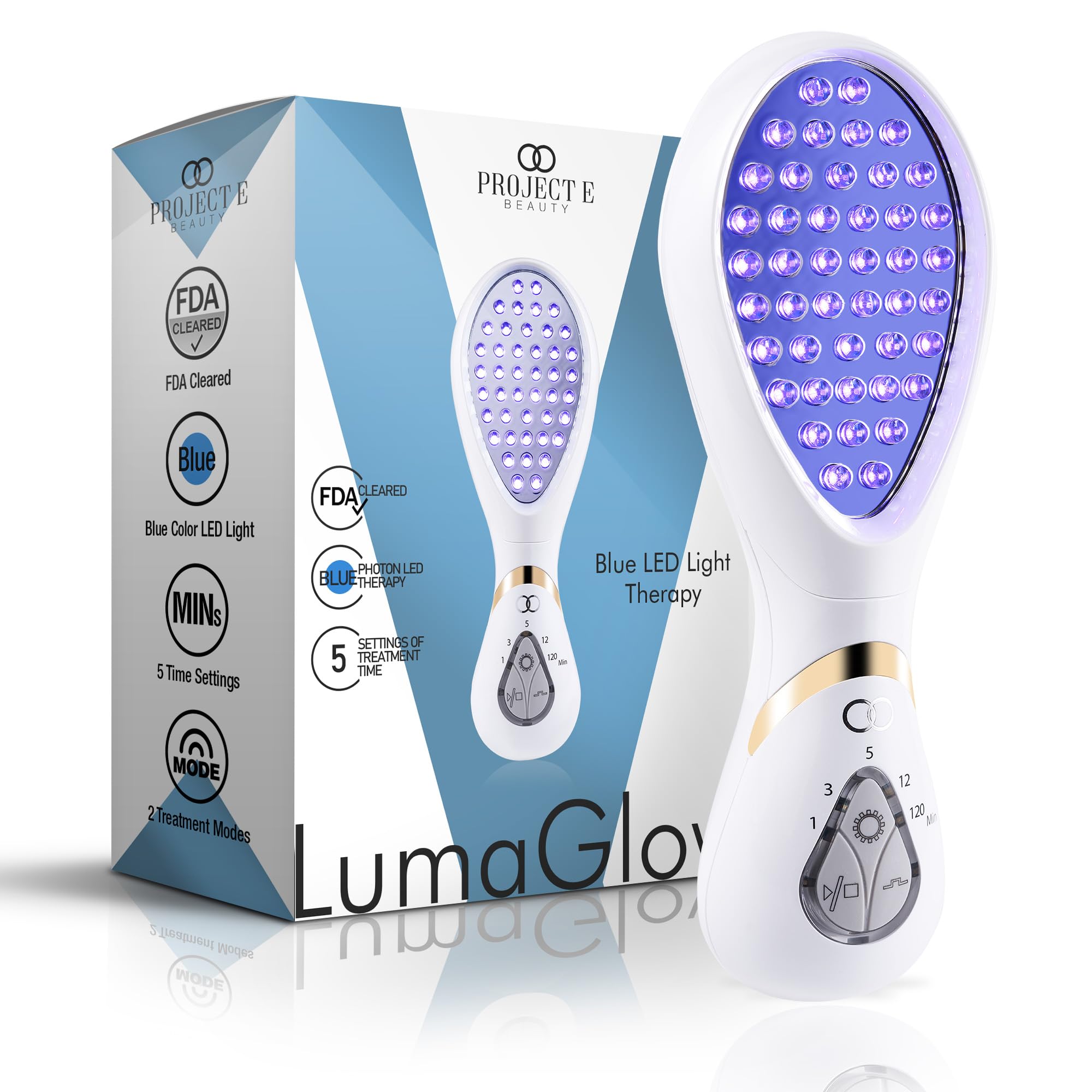
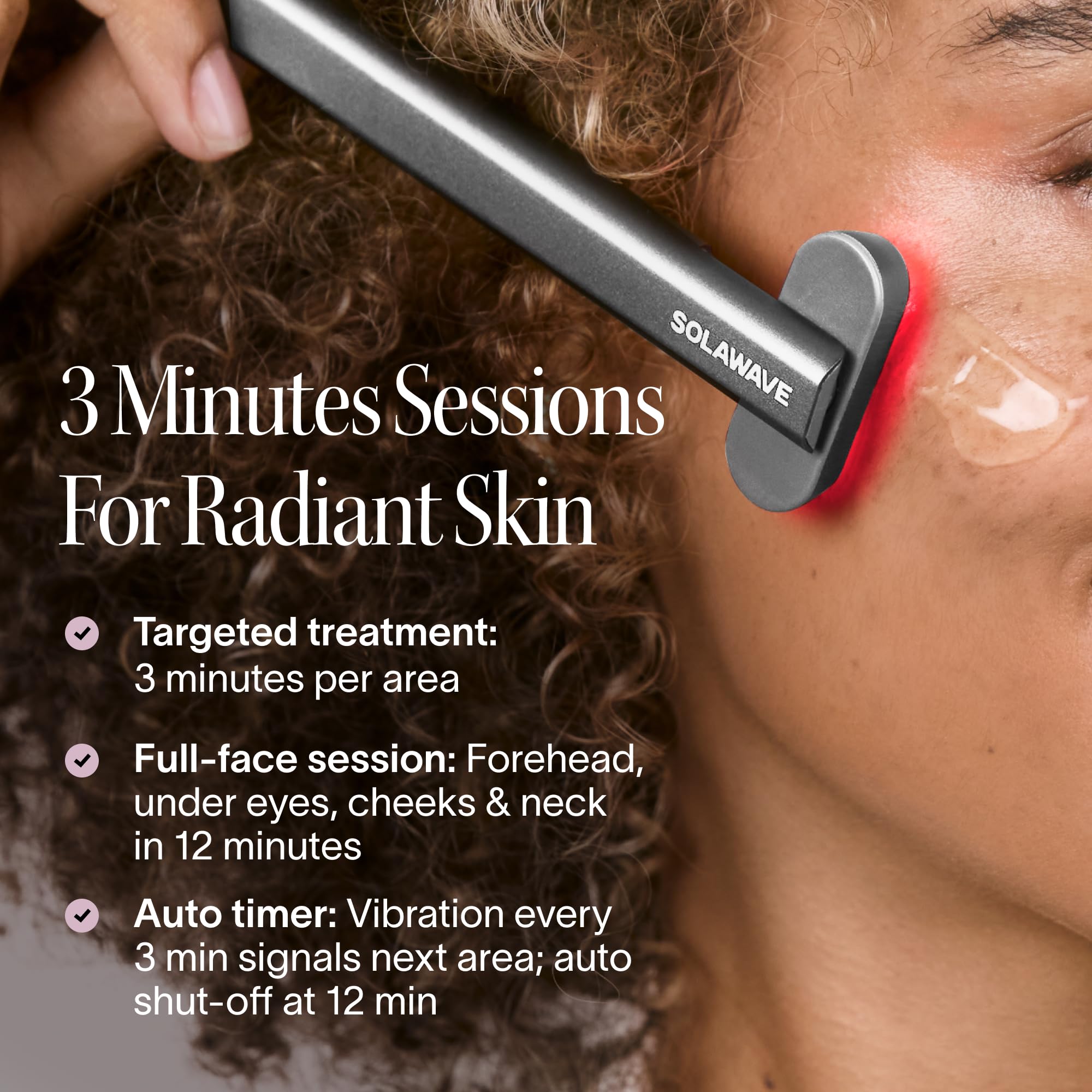
Handheld devices remain popular for targeted treatment.
They’re especially effective for:
Spot acne treatment (blue light)
Nasolabial folds
Under-eye firmness
Post-procedure calming
Their biggest advantage is precision. Instead of treating the entire face, you focus on problem areas.
In 2026, premium handheld tools often combine LED with microcurrent or mild heat therapy, offering multi-modal stimulation. While combination technology can be powerful, it also increases cost and complexity.
If you prefer minimalist routines, a single-wavelength handheld tool may outperform multi-function devices simply because you’ll actually use it.
What Actually Delivers Results in 2026 🔬
Let’s separate promise from performance.
1. Wavelength Accuracy
Red light must fall within the clinically studied range to stimulate fibroblasts effectively. Devices that vaguely list “red light” without nanometer specifications are red flags.
The sweet spot? Around 633 nm for surface-level collagen stimulation and 830 nm for deeper tissue repair.
2. Irradiance (Power Output)
A device can have the right wavelength but insufficient intensity. Think of it like watering plants—if the flow is too weak, growth is minimal.
Professional treatments use significantly higher output. At-home devices won’t match that, but high-quality tools should still disclose measurable energy delivery.
3. Consistency Over Intensity
More isn’t always better.
Overuse doesn’t accelerate results and may lead to irritation. The most successful users treat LED as a long-term investment: 10–20 minutes, 3–5 times per week.
This aligns with the broader 2026 beauty philosophy: repair, calm, and consistency over harsh interventions 🌿.
Are LED Masks Safe?
For most skin types, yes.
LED therapy is non-invasive and non-thermal (meaning it doesn’t rely on heat damage). However, photosensitive individuals or those on certain medications should consult a professional before use.
Important considerations:
Always wear provided eye protection.
Avoid use over active skin infections.
Do not combine with strong photosensitizing treatments (like aggressive peels) without guidance.
The rise of smarter, app-connected devices in 2026 has also improved safety. Some tools automatically shut off if contact is poor or sessions exceed recommended time.
The Marketing Myths You Should Ignore
“More Colors = More Results”
Not necessarily.
Red and blue light have the strongest clinical backing. Green, purple, cyan—while visually appealing—often lack robust research.
“You’ll See Results in One Week”
LED therapy is cumulative. Early improvements may include glow or reduced redness, but collagen remodeling takes 8–12 weeks.
“It Replaces In-Clinic Treatments”
At-home LED supports professional treatments—it doesn’t replace high-powered medical procedures.
Think of it as maintenance rather than transformation.
Who Should Invest in LED in 2026? 💡
LED is especially worthwhile if:
You’re managing mild to moderate acne
You’re beginning to see early signs of aging
You want non-invasive collagen support
You prefer gradual, low-risk interventions
It’s less ideal if you’re expecting dramatic lifting or wrinkle erasure. LED improves skin quality—but it doesn’t sculpt.
How to Integrate LED into a Modern Routine
In 2026, routines are streamlined.
LED typically fits after cleansing and before serums. Clean, dry skin allows optimal light penetration. After your session, apply peptides, barrier-supporting ingredients, or calming formulas to maximize results.
Avoid layering heavy occlusives before treatment, as they can reflect light.
Many users now pair LED with:
Copper peptides for collagen synergy 🧬
Niacinamide for redness control
Growth-factor serums for repair-focused routines
This synergy reflects the larger shift toward longevity-driven skincare—where skin health is prioritized over quick cosmetic fixes.
The Sustainability Question 🌍
As beauty tech expands, sustainability concerns grow.
High-quality LED devices have long lifespans (often 30,000+ hours of use), making them more sustainable than disposable sheet masks or single-use treatments.
However, battery waste and electronic disposal remain issues. Look for brands offering repair services or recycling programs.
In 2026, conscious consumers are no longer impressed by innovation alone. They want durability, transparency, and long-term value.
Price vs. Performance: What Should You Spend?
You’ll find devices ranging from $50 to $1,500.
Here’s the reality:
Under $100: Likely low irradiance, limited results.
$200–$600: Strong mid-range performers with clinically relevant output.
$800+: Often panel systems or professional-grade masks.
The sweet spot for most consumers sits between $300 and $600.
Beyond that, incremental improvements may not justify the price unless you’re deeply invested in light therapy protocols.
The 2026 Verdict: Is LED Worth It? 💎
Yes—with conditions.
LED is not magic. It’s not a facelift. It’s not instant.
But it is one of the few at-home technologies backed by credible research and long-term safety data.
In a beauty landscape saturated with quick-fix trends, LED stands out because it aligns with the modern skincare philosophy: steady stimulation, gentle repair, visible but natural improvement.
The most successful users understand this: LED is a commitment, not a gimmick.
If you’re willing to invest time, choose a device with real technical transparency, and integrate it into a balanced routine, light therapy remains one of the smartest beauty tech purchases of 2026 ✨.
Final Insight
The future of beauty isn’t louder—it’s smarter.
Consumers are no longer dazzled by colorful lights alone. They’re reading wavelength charts, asking about irradiance, and comparing clinical data.
LED’s evolution from spa luxury to at-home staple mirrors a broader industry shift toward informed, science-led decisions 🔬.
In 2026, what’s worth it isn’t the device with the most hype. It’s the one that respects both biology and consistency.
And that glow? It’s earned.
