Why “Skin First” Beauty Is Taking Over

Why “Skin First” Beauty Is Taking Over
There is always a moment when beauty stops chasing surface spectacle and begins moving inward. In 2026, that shift is impossible to miss. The mood across skincare, makeup, and even beauty retail is no longer about layering on transformation for its own sake. It is about creating skin that looks calm, hydrated, resilient, and unmistakably alive—then letting everything else orbit around it.
That, in essence, is why “skin first” beauty has become the defining beauty idea of the year.
The phrase may sound simple, but its influence is broad. It touches the way consumers shop, the textures editors praise, the ingredients brands are fast-tracking, and the finish makeup artists are repeatedly returning to backstage and on set. Beauty’s center of gravity has moved away from aggressive correction and toward condition, comfort, and credibility. The new aspiration is not to look heavily perfected. It is to look exceptionally well-kept.
Industry reporting across 2026 points in the same direction. Allure has framed the year’s skincare conversation around a return to basics, with stronger-but-gentler actives, smarter delivery systems, next-generation peptides, and sunscreen innovation. Vogue, meanwhile, has tied 2026 skincare to barrier repair, microbiome-friendly formulas, cellular health, exosomes, and personalized diagnostics. Mintel’s 2026 beauty predictions go even further, arguing that beauty is increasingly being understood as part of a wider wellness and self-knowledge ecosystem. (Allure)
The result is a beauty culture that feels more discerning than maximalist. Consumers still want glow, softness, and luxury. They just want those things to come from skin that is doing well—rather than from layers of camouflage.

Skin First Is Not Minimalism—It Is Precision
One of the most interesting misconceptions about skin-first beauty is that it is simply shorthand for a “less is more” routine. Sometimes it is. But more often, it is more intelligent beauty rather than merely less beauty.
A skin-first routine is not anti-product. It is anti-noise.
That distinction matters. Today’s consumer is far more ingredient-literate than even a few years ago, but also more fatigued by endless launches, trend churn, and exaggerated claims. Mintel notes that the beauty industry in 2026 is entering a period where trust, utility, and deeper wellness relevance matter more. Vogue Business’s trend tracker similarly points to rising interest in ingredient-conscious, results-driven products, with skincare especially leaning toward gentle hydration and barrier-protective formulas. (Mintel)
So when skin-first beauty takes over, it does not mean consumers suddenly stop caring about performance. It means they want performance that feels believable.
They want vitamin C that does not leave skin angry by week two. Retinoids that behave like they belong in real routines. SPF that wears elegantly under makeup. Serums that strengthen rather than sting. Foundations that blur without suffocating. Luxury, in other words, is being redefined as high efficacy with low drama.
This is also why the category has such broad emotional appeal. Skin-first beauty speaks to the desire to feel at ease in one’s own face. It is beauty that works with the skin you have today, while still investing in the skin you want over time. It offers correction, certainly—but in a quieter register.
Barrier Repair Became the New Status Symbol
If one concept best captures the spirit of 2026 skincare, it is barrier health.
For years, skincare culture rewarded visible activity: tingling acids, strong peels, high-percentage actives, dramatic “before and after” narratives. The fantasy was fast turnover. But 2026 has brought a more mature understanding of what healthy skin actually requires. Vogue’s 2026 skincare reporting explicitly links the year’s biggest shifts to barrier-repairing, microbiome-friendly, healing skincare, while Allure describes the broader market as returning to proven science over gimmickry. (Vogue)
This is not just a dermatologist talking point anymore. It has become cultural language.
The skin barrier now stands in for something bigger: balance, restraint, resilience, longevity. Consumers increasingly recognize that redness, dehydration, tightness, and “mystery sensitivity” are not badges of skincare seriousness. They are signs that the routine may be asking for too much. As a result, ceramides, ectoin, soothing ferments, fatty acids, centella, and cushiony emulsion textures have moved from niche appreciation to mainstream desirability. Vogue has also spotlighted barrier-repair ingredients and routines across its 2026 skincare coverage, reinforcing how central the concept has become. (Vogue)
What makes this especially important in luxury beauty is that barrier-first formulas often feel more sophisticated on the skin. They do not merely promise radiance; they create the conditions for it. And that changes everything.
A face with a healthy barrier reflects light differently. Makeup sits better. Flaking and irritation recede. Texture softens. Even bold lipstick or a sharper eye feels more modern when the skin beneath it looks rested rather than overworked.
In that sense, barrier care has become the new form of polish. Not obvious. Not loud. But instantly legible.
Smarter Actives Are Replacing Aggressive Routines
For the skin-first movement to become truly mainstream, consumers needed one thing above all: actives that feel compatible with real life.
That is exactly where 2026 is heading. Allure’s trend forecast emphasizes that gold-standard ingredients such as retinol and vitamin C are being reformulated through better delivery systems to become both gentler and more effective. Vogue’s reporting echoes that shift and places renewed emphasis on peptides, anti-inflammatory support, and skin integrity rather than exfoliation as an end in itself. (Allure)
This has profound implications for beauty at large.
The old prestige model often equated intensity with seriousness. Now, sophistication comes from engineering: encapsulation, elegant stabilization, slow-release systems, and formulations that respect skin ecology instead of bulldozing it. Consumers are not abandoning science; they are becoming more selective about what science should feel like.
Peptides are a perfect example. In 2026 they are no longer niche add-ons hidden in the fine print. Vogue names them as one of the year’s defining skincare themes, tied to collagen support, redness reduction, and barrier repair. Allure similarly points to next-generation peptides as part of the year’s “back to basics” but more advanced skincare landscape. (Vogue)
There is a subtle elegance to this evolution. Skin-first beauty does not reject potency. It rejects unnecessary punishment.
That distinction is why the movement resonates across age groups. Younger consumers, already wary of over-exfoliation and viral overconsumption, are adopting skin health as prevention. Older consumers are gravitating toward ingredients that preserve comfort while still addressing firmness, tone, and luminosity. Everyone, it seems, wants their routine to feel more sustainable—both biologically and emotionally.

Regenerative Beauty Is Rising, but the Skin-First Version Is More Refined
Every year has its frontier ingredients. In 2026, many of those conversations are happening around regenerative and biomimetic beauty—from exosomes to PDRN to cellular wellness language.
But the important part is not simply that these terms are appearing. It is how they are being framed.
Vogue’s 2026 skincare coverage points to exosomes, cellular health, and biostimulatory treatments as major growth areas, while Allure’s 2026 K-beauty forecast spotlights PDRN, advanced sunscreen, and skin-plumping technologies coming from Korean beauty. Even prestige brand narratives are leaning into regeneration: Vogue recently reported on Dr. Barbara Sturm’s focus on inflammation, regeneration, exosome-inspired skincare, and biomimetic peptides as central to the brand’s next phase. (Vogue)
Yet skin-first beauty filters these innovations through a more grounded lens. The appetite is not for sci-fi spectacle alone. It is for credible improvement: calmer skin, better elasticity, less inflammation, more resilience over time.
That is why regenerative beauty is landing so well now. Consumers are ready for higher-level science—but only when it translates into a face that still looks like a face. Not artificially altered. Not aggressively processed. Just quietly upgraded.
There is also a tonal shift here worth noting. Earlier waves of futuristic beauty often emphasized transformation, correction, or reversal. The 2026 version feels more elegant. It speaks in terms of repair, support, longevity, and skin intelligence. That vocabulary fits perfectly within the skin-first ethos because it treats the skin as an ecosystem to be supported, not a flaw to be subdued.
Sunscreen Has Become a Beauty Product, Not a Chore
No beauty movement can truly call itself skin first unless it takes sun protection seriously. What is different in 2026 is that sunscreen is finally being treated not as the dutiful final step, but as a category of beauty pleasure in its own right.
Allure identifies sunscreen innovation as one of the year’s key skincare trends, and K-beauty experts speaking to the magazine highlight SPF as one of the categories worth watching most closely. Across editorial and consumer coverage, the common thread is wearability: lighter textures, better finishes, more cosmetically elegant formulas, and a greater understanding that daily protection is inseparable from skin quality over time. (Allure)
This matters because the sensory experience of sunscreen has always shaped compliance. A formula can be brilliantly protective in theory, but if it pills, leaves a chalky cast, or fights with the rest of the routine, it rarely becomes habit.
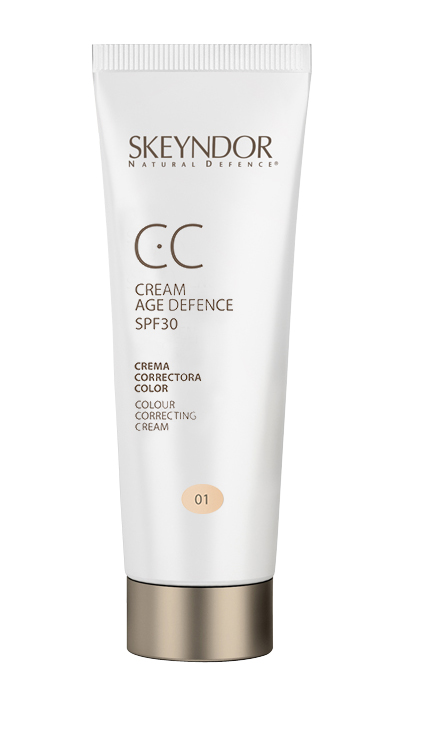
Skin-first beauty changes that equation by insisting that protective products must also feel beautiful. A modern SPF should hydrate, smooth, and sit comfortably under complexion products—or replace them altogether on lighter days. Tinted sunscreens, complexion-SPF hybrids, and refined daily UV products all sit squarely within this logic. They support the overarching goal: keep the skin healthy enough that you need less intervention later.
There is also a deeper symbolism here. Daily SPF is one of the clearest signs that beauty has shifted from short-term appearance management to long-term skin stewardship. It is not glamorous in the old sense. But in 2026, few habits look more luxuriously informed.
Makeup Is Still Here—It Just Wants Better Skin Beneath It
The rise of skin-first beauty does not mean makeup has lost relevance. Quite the opposite. It means makeup is changing its relationship to the face.
The strongest 2026 beauty direction is not “no makeup.” It is makeup that acknowledges skin. That means sheerer bases, strategic complexion products, glossed or softly diffused finishes, and formulas that enhance texture rather than smother it. Vogue Business’s beauty tracker describes a wider consumer shift toward results-driven products and lightweight finishes across categories, while broader 2026 trend reporting continues to favor realism over opacity. (Vogue)
This is where the phrase “skin tint era” undersells what is happening. It is not just about replacing foundation with a tint. It is about a new beauty hierarchy.
First comes skin condition. Then comes correction. Then comes color.
That order changes application, product development, and aspiration. Under-eye products become more flexible. Concealers are expected to move with expression. Blush is chosen for how it melts into moisturizer-prepped skin. Powder becomes targeted rather than blanket. Highlight is less about metallic shine and more about moisture, balm, or freshness.
Even when makeup trends go bold, the face underneath is rarely matte, mask-like, or overdrawn. The look of the moment is one where skin remains visible—alive, dimensional, even slightly imperfect. That imperfection is part of the luxury now. It suggests care rather than concealment.
K-Beauty Helped Push the Conversation Forward
It would be impossible to talk about skin-first beauty in 2026 without acknowledging the influence of K-beauty. While Korean skincare is hardly new to global consumers, this year’s reporting suggests its impact is evolving in more sophisticated ways.
Allure’s K-beauty forecast for 2026 highlights PDRN, advanced sunscreen, and hydration-driven skin technologies as key themes, while Vogue’s 2026 K-beauty reporting points to plump skin, regenerative ingredients, and softer, less severe beauty codes overall. Meanwhile, Vogue has also recently emphasized Korean skincare’s effectiveness for mature skin, particularly due to its focus on hydration, peptides, ceramides, retinoids, and barrier support. (Allure)
What K-beauty offers the skin-first era is not just product inspiration, but philosophy. It treats skin as something to be maintained with consistency, texture layering, and patience. That worldview feels remarkably aligned with where the premium market is headed.
You can see it in the popularity of milky essences, low-irritation actives, calming ampoules, and routines that prioritize bounce over sharpness. The aspiration is not to “strip skin clean” into submission. It is to build suppleness.
For luxury consumers, this has been especially influential because it restores ritual to the routine. Skin-first beauty is not only clinical. It is sensory. It invites a slower hand, a more attentive mirror moment, a feeling that treatment can also be elegant.

Personalization Is Quietly Becoming the Next Luxury Layer
Another reason skin-first beauty is taking over is that it pairs beautifully with personalization.
Vogue’s 2026 skincare reporting points to AI-based imaging, diagnostics, and customized routines as a growing part of the category’s future. Mintel likewise predicts that beauty is moving toward a more data-aware relationship with wellness and self-monitoring. (Vogue)
In practice, this does not always mean futuristic machines in every bathroom—at least not yet. More often, it means a consumer expectation that products should feel tailored to actual needs: sensitivity, climate, pigmentation, barrier status, hormonal shifts, post-procedure recovery, lifestyle.
That expectation reinforces the skin-first mindset because it makes generic beauty ideals feel increasingly outdated. Not everyone needs the same exfoliant schedule. Not every face wants the same finish. Not every glow comes from the same ingredients.
Personalization, then, is less about novelty than about respect. It respects the individuality of skin, which is exactly what skin-first beauty is fundamentally about. It says the goal is not to force every face into one aesthetic template. The goal is to let each face look its best within its own reality.
That is a very 2026 kind of luxury: intimate, informed, and quietly bespoke.
Skin First Also Reflects a Cultural Mood
Beauty trends do not rise in a vacuum. They answer emotional climates.
What makes skin-first beauty so resonant right now is that it suits a wider desire for authenticity without abandoning aspiration. Consumers are tired of extremes—overconsumption, overcorrection, overpromising. They still want beauty to be transformative, but they want the transformation to feel believable and livable.
That is why skin-first beauty carries such unusual breadth. It appeals to the ingredient obsessive and the minimalist. To the luxury shopper and the pragmatic editor. To the person who loves makeup and the person who wants to wear less of it. It offers a common language: look after the skin, and the rest becomes easier.
And there is something psychologically reassuring about that. Skin-first beauty suggests that beauty does not need to begin with erasure. It can begin with support.
In a culture that is increasingly skeptical of visual perfection, that proposition feels not only modern but deeply elegant.

What Skin-First Beauty Means for the Rest of 2026
Expect the movement to keep deepening rather than disappearing.
More complexion products will borrow from skincare. More skincare will borrow from biotech and dermatology. More premium launches will position themselves around tolerance, resilience, and long-term results instead of instant theatrics. Consumers will continue editing down routines, but not out of disinterest—out of discernment.
We will likely also see even more emphasis on neck and body care, since Vogue’s 2026 reporting already identifies these areas as natural extensions of the new skin-health mindset. The same logic applies: healthy skin should not stop at the jawline. (Vogue)
Perhaps most importantly, skin-first beauty will keep reshaping what “done” looks like. A polished face in 2026 is rarely the face with the most product on it. It is the face where every product appears to have a reason.
That is why this trend feels less like a fleeting aesthetic and more like a structural change in beauty culture. It reflects advances in formulation, changes in consumer literacy, the influence of K-beauty, the growth of wellness thinking, and a more nuanced understanding of how people actually want to look.
Not transformed beyond recognition. Just luminous, comfortable, and unmistakably themselves. ✨
That is the quiet power of skin-first beauty—and why it is taking over.

