Hair thinning is rising in 2026 due to stress, pollution, and modern lifestyles. Discover the daily habits, scalp care routines, and science-backed strategies that help keep hair roots stronger and healthier.
Introduction: Why Hair Thinning Is a Bigger Conversation in 2026
Hair thinning has quietly become one of the most talked-about beauty concerns of the decade. Unlike dramatic hair loss, thinning happens gradually — often so slowly that many people only notice it after their ponytail feels smaller, their part looks wider, or their hair simply doesn’t feel as full as it used to.
In 2026, dermatologists and hair experts agree that thinning hair is no longer only associated with aging. Instead, modern lifestyles play a significant role. Environmental pollution, chronic stress, hormonal changes, nutritional imbalances, and excessive heat styling all contribute to weakened follicles and reduced hair density.
At the same time, the beauty industry has shifted toward a scalp-first philosophy. Healthy hair starts beneath the surface, at the root level. Strong follicles require a balanced scalp microbiome, consistent blood circulation, proper nutrition, and protection from everyday damage.
The encouraging news? Many daily habits can significantly improve hair strength and resilience. While genetics still matter, lifestyle choices now play a major role in maintaining fuller hair.
This guide explores the modern habits that support hair density in 2026 — simple practices that protect follicles, strengthen roots, and help hair grow stronger over time.
Understanding Hair Thinning: What Actually Happens at the Root
Before exploring solutions, it helps to understand what hair thinning really means. Hair grows in cycles composed of three phases:
Anagen (growth phase) — when hair actively grows from the follicle
Catagen (transition phase) — a brief stage where growth slows
Telogen (resting phase) — when hair sheds and the follicle resets
Healthy hair spends several years in the growth phase. However, when follicles become stressed or inflamed, the growth phase shortens while the resting phase increases. Over time, the follicles produce thinner strands until they eventually stop producing hair altogether.
Several modern factors accelerate this process:
• Scalp inflammation
• Reduced blood circulation
• Hormonal shifts
• Nutrient deficiencies
• Pollution buildup on the scalp
These influences weaken follicles gradually. The good news is that many of them can be improved through daily habits.
Habit #1: Treat Your Scalp Like Skincare


4
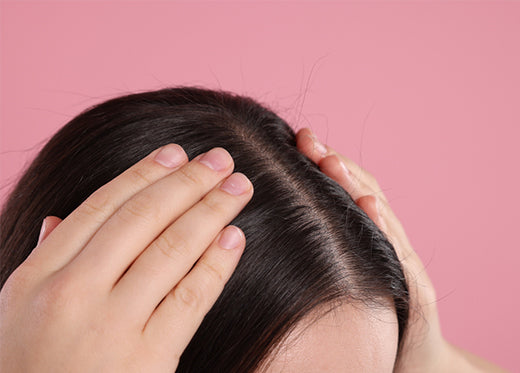
One of the most significant shifts in haircare in recent years is the idea that the scalp is simply an extension of facial skin.
Just like the skin on your face, the scalp accumulates oil, sweat, pollution, and product residue. Without proper care, this buildup can clog follicles and disrupt the scalp microbiome.
A healthy scalp environment allows follicles to function efficiently and remain in the growth phase longer.
Daily scalp-friendly habits include:
• Using gentle, sulfate-balanced shampoos
• Avoiding excessive dry shampoo buildup
• Applying lightweight scalp serums
• Keeping follicles free from heavy product residue
Modern scalp serums often contain ingredients like peptides, niacinamide, and caffeine to stimulate circulation and strengthen follicles.
When the scalp barrier is healthy, hair growth improves naturally.
Habit #2: Protect Hair from Environmental Stress


4
In many cities worldwide, environmental exposure has become a hidden contributor to hair thinning.
Pollution particles settle on the scalp and trigger oxidative stress around hair follicles. Over time, this stress can weaken follicle structure and accelerate hair miniaturization.
UV radiation also damages the outer hair shaft, making strands more fragile and prone to breakage.
Daily protective habits include:
• Wearing hats in intense sunlight
• Rinsing hair after long outdoor exposure
• Using antioxidant hair products
• Avoiding heavy pollution buildup on the scalp
Many modern haircare formulas now include antioxidants like vitamin E, green tea extract, or botanical polyphenols designed to neutralize environmental damage.
Think of this as SPF for your hair ecosystem.
Habit #3: Improve Scalp Circulation


4
Hair follicles depend heavily on blood flow.
Circulation delivers oxygen and nutrients that fuel hair growth. When blood flow decreases — often due to stress, tight hairstyles, or sedentary habits — follicles receive fewer resources to support thick hair production.
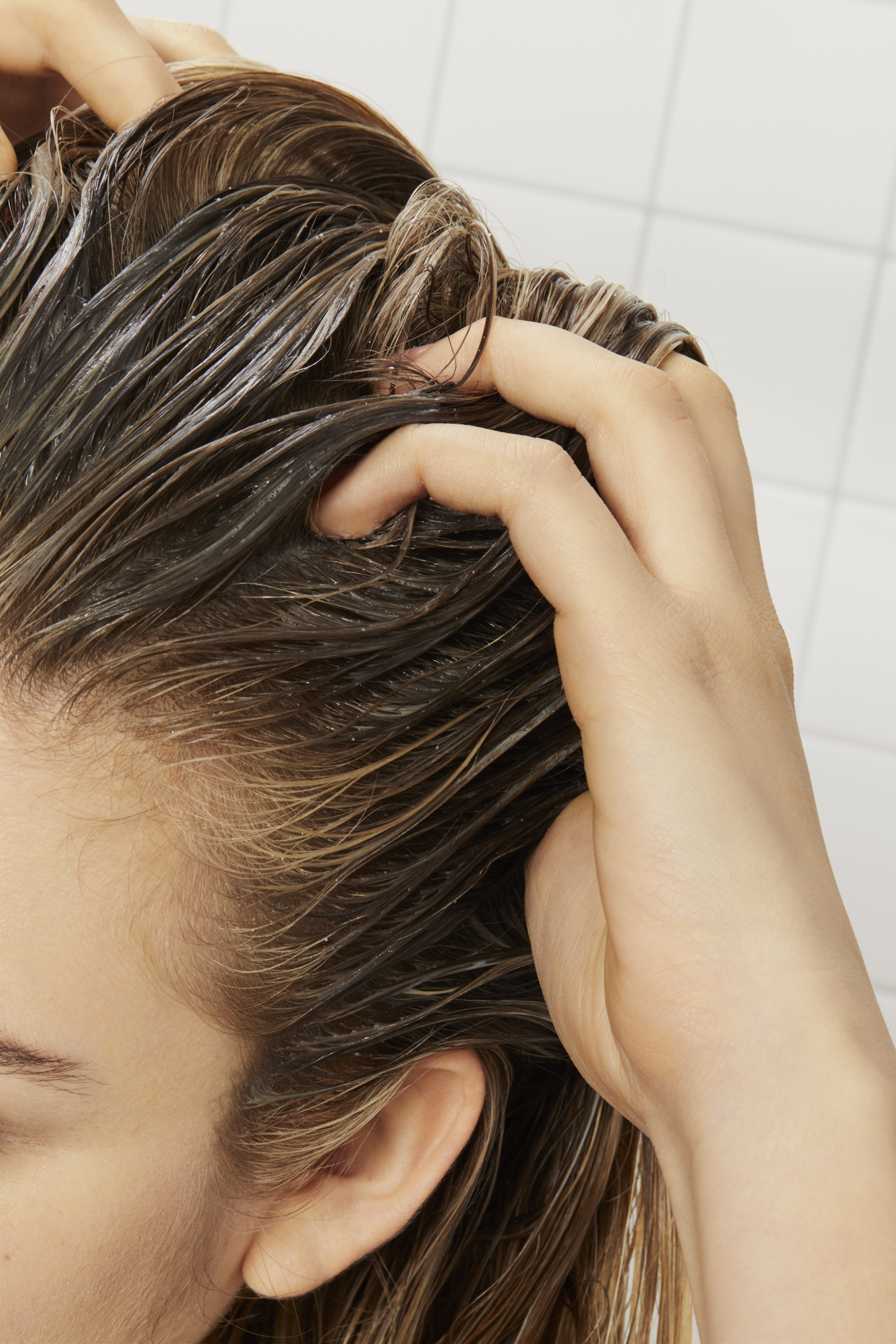
One of the simplest ways to improve circulation is daily scalp massage.
Even just three minutes a day can help stimulate microcirculation.
Benefits of scalp massage include:
• Increased nutrient delivery to follicles
• Reduced tension around the scalp
• Improved follicle stimulation
• Relaxation and stress reduction
Many people use soft silicone scalp massagers while shampooing, which helps stimulate the scalp without causing breakage.
This simple habit can gradually strengthen roots over time.
Habit #4: Eat for Follicle Strength
Hair is a biologically active structure that relies heavily on nutrition.
Hair follicles require a constant supply of proteins, vitamins, minerals, and fatty acids to maintain healthy growth cycles.
When nutrition is lacking, hair is often one of the first areas to show signs of deficiency.
Key nutrients that support hair density include:
Protein
Hair is primarily made of keratin, a protein structure. Inadequate protein intake can weaken strands and slow growth.
Iron
Iron deficiency is one of the most common contributors to hair thinning worldwide.
Biotin and B-vitamins
These nutrients help maintain healthy keratin infrastructure.
Omega-3 fatty acids
These support scalp hydration and reduce inflammation.
In 2026, many experts emphasize food-first nutrition over excessive supplement reliance.
Foods that support stronger hair include:
• Eggs
• Salmon
• Nuts and seeds
• Dark leafy greens
• Lentils and legumes
Consistent nutrition helps maintain strong hair over time.
Habit #5: Reduce Chronic Stress
Chronic stress has a powerful impact on hair health.
When the body experiences long-term stress, it releases hormones such as cortisol. Elevated cortisol levels can disrupt the hair growth cycle and push follicles prematurely into the shedding phase.
This condition, known as telogen effluvium, often appears two to three months after a stressful event.
Stress-reduction habits can help stabilize hair growth cycles.
Effective techniques include:
• Regular exercise
• Meditation or breathing exercises
• Adequate sleep
• Limiting excessive caffeine intake
Many dermatologists note that improved stress management often leads to noticeable improvements in hair density over several months.
Healthy hair growth requires a calm internal environment.
Habit #6: Avoid Tight Hairstyles
Certain hairstyles place continuous tension on hair follicles.
Over time, this tension weakens the follicle and can cause a type of hair loss called traction alopecia.
Styles that can create excessive tension include:
• Tight ponytails
• Braids worn for long periods
• Tight buns
• Hair extensions with strong pull
Modern haircare trends encourage low-tension styling.
Better options include:
• Loose braids
• Soft scrunchie ponytails
• Natural textured styles
• Alternating hairstyles frequently
Giving follicles regular breaks from tension helps prevent long-term damage.
Habit #7: Limit Heat Styling
Frequent heat styling damages the outer hair shaft and weakens the protein structure of hair strands.
When hair becomes fragile, breakage increases — which can create the appearance of thinning even if follicles are still producing hair.
In 2026, many stylists recommend heat-minimal styling routines.
Healthy heat habits include:
• Using heat protectant sprays
• Keeping styling tools below 180°C
• Air-drying whenever possible
• Avoiding daily straightening
Reducing heat exposure preserves the integrity of hair strands and helps maintain fullness.
Habit #8: Prioritize Gentle Hair Handling
Hair is surprisingly fragile when wet.
Aggressive brushing, tight towel drying, and rough detangling can cause unnecessary breakage.
Small changes in daily hair handling make a significant difference.
Gentle hair habits include:
• Using microfiber hair towels
• Detangling with wide-tooth combs
• Starting from the ends when brushing
• Sleeping on silk or satin pillowcases
These practices minimize mechanical damage and allow hair to retain its natural density.
Habit #9: Sleep and Hair Growth
Sleep is one of the most underrated beauty tools.
During sleep, the body performs essential repair processes, including cellular regeneration and hormone balancing.
Growth hormones released during deep sleep help support hair follicle activity.
Poor sleep habits, on the other hand, disrupt hormonal balance and can weaken hair growth cycles.
Experts recommend 7–9 hours of sleep each night for optimal hair and skin health.
Improving sleep hygiene — such as reducing screen time before bed and maintaining consistent sleep schedules — can support long-term hair density.
The Future of Hair Health: Prevention Over Repair
One of the biggest shifts in the beauty industry is the movement toward hair longevity.
Instead of waiting for hair thinning to become noticeable, many people now focus on maintaining follicle health proactively.
The future of haircare focuses on:
• Scalp biology
• regenerative ingredients
• microbiome balance
• preventative routines
This shift reflects a broader understanding that healthy hair is not just cosmetic — it reflects overall wellbeing.
Final Thoughts: Stronger Roots Start with Daily Habits
Hair thinning can feel frustrating, but it is often influenced by everyday choices.
Modern hair science shows that consistent habits can make a meaningful difference in follicle strength and hair density.
Healthy hair in 2026 is no longer about quick fixes or miracle products. Instead, it comes from a balanced combination of scalp care, proper nutrition, stress management, and gentle hair practices.
When follicles are protected and supported, they can continue producing stronger, healthier hair for years to come.
Small daily habits may seem simple, but over time they create the foundation for fuller, more resilient hair — starting right at the root. 🌿✨
