What Happens to Your Skin When You Live With Pets
What Happens to Your Skin When You Live With Pets 🐾

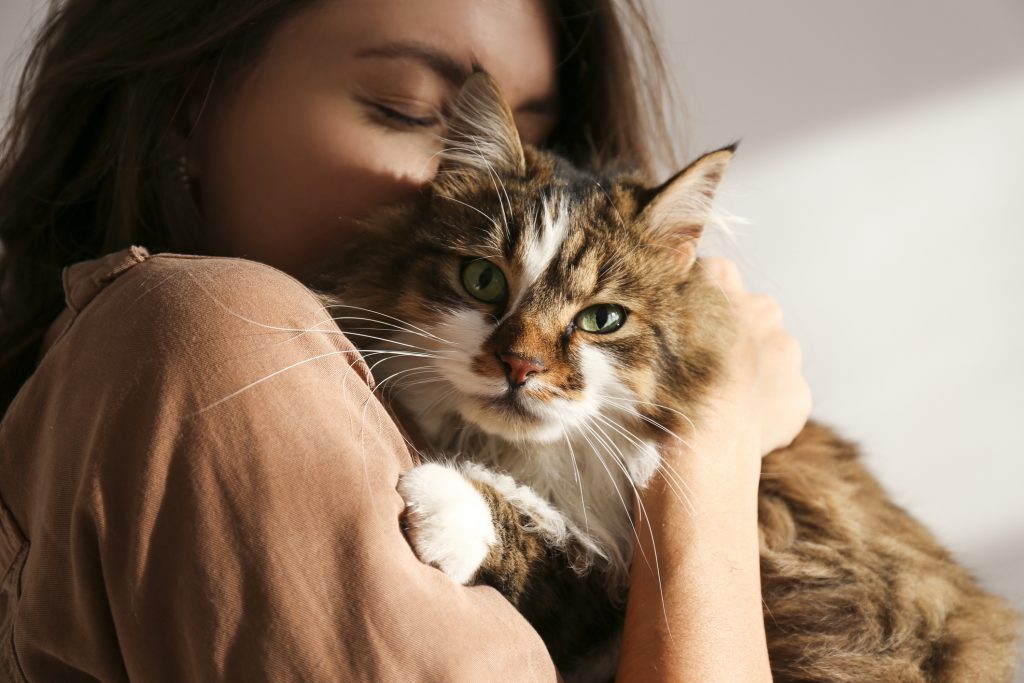

The Quiet Influence Pets Have on Your Skin
Living with pets transforms daily life in countless ways. They change our routines, improve our emotional wellbeing, and often become central to our homes. Yet one influence many people rarely consider is how pets affect the largest organ of the human body: the skin.
From microscopic bacteria transfers to environmental allergens, sharing a home with dogs or cats subtly reshapes your skin’s ecosystem. Some effects are positive and surprisingly beneficial. Others require a few lifestyle adjustments to maintain healthy skin.
Understanding these interactions can help pet owners build smarter skincare habits without sacrificing the joy of living with animals.
Modern dermatology increasingly recognizes that our environment—especially the organisms we live with—plays a role in skin health. Pets are part of that environment, and their impact is more fascinating than most people realize.
Your Skin Microbiome Changes When You Live With Pets 🧬
Your skin is home to trillions of microorganisms. This ecosystem is called the skin microbiome, and it acts as a protective barrier against harmful bacteria, pollutants, and irritants.
When pets enter your home, they introduce their own microbiome into the shared environment.
Dogs and cats bring bacteria from:
outdoor soil
grass
dust
other animals
their own fur and paws
While that might initially sound concerning, research suggests that this microbial exchange can actually increase microbial diversity, which is often linked to stronger immune responses.
People who grow up around pets frequently develop more resilient immune systems and sometimes show lower rates of certain allergies.
For adults, living with pets may slightly reshape the microbial balance on the skin. In many cases, this expanded microbial exposure strengthens the skin's defensive ecosystem.
Think of it as environmental training for your skin barrier.
Pets Can Improve Stress Levels—and That Helps Your Skin
One of the most overlooked connections between pets and skin health is stress reduction.
Stress is a powerful trigger for many skin issues, including:
acne breakouts
eczema flare-ups
psoriasis
dull complexion
premature aging
Spending time with pets has been shown to lower cortisol levels. Lower cortisol means less inflammation throughout the body—including the skin.
Many pet owners unknowingly practice a form of daily therapy when they:
pet their dog
cuddle a cat
take walks with their animals
engage in play
These activities stimulate oxytocin, a hormone associated with bonding and relaxation. When stress hormones decrease, the skin barrier often stabilizes, leading to fewer inflammatory skin reactions.
In other words, your dog might quietly be part of your skincare routine.
The Hidden Skin Irritants Pets Can Bring Indoors
While pets provide emotional benefits, they also carry environmental elements that can affect sensitive skin.
Some common triggers include:
Outdoor Allergens
Dogs in particular collect pollen, dust, and grass particles on their fur. When they return inside, these particles can transfer onto furniture, bedding, and skin.
For people prone to allergies or rosacea, this can lead to irritation.
Dander
Pet dander consists of microscopic skin flakes shed by animals. These flakes can trigger allergic reactions in some individuals.
Symptoms may include:
redness
itchiness
dry patches
facial irritation
Bacteria Transfer
Pets frequently touch surfaces we later touch ourselves. While most bacteria are harmless, occasional transfers can contribute to clogged pores if hygiene habits are inconsistent.
This is especially relevant when pets sleep on pillows or blankets.
Fortunately, these effects are manageable with simple habits.
Sleeping With Pets: The Skin Impact 💤
One of the most common lifestyle choices among pet owners is sharing a bed with their animals.
While comforting, this habit can influence skin health in several ways.
Pets shed fur and microscopic debris that accumulate in bedding. When your face presses against pillows that contain allergens or bacteria, the skin barrier can experience additional stress.
For acne-prone individuals, this may increase the likelihood of breakouts.
However, this doesn’t mean sleeping with pets must end. Instead, dermatologists recommend simple precautions:
wash pillowcases more frequently
groom pets regularly
use breathable bedding materials
maintain nighttime skincare routines
These small adjustments significantly reduce skin irritation risks.
Pets Encourage Outdoor Time—and That Affects Your Skin 🌿
Dog ownership naturally encourages daily outdoor activity.
More time outside brings both benefits and responsibilities for skin health.
Positive Effects
Fresh air, sunlight, and physical movement improve circulation. Better circulation helps deliver oxygen and nutrients to skin cells.
This often contributes to a healthier natural glow.
Outdoor walks also promote overall wellbeing, which indirectly supports skin health.
Potential Downsides
However, increased sun exposure requires careful management. UV radiation is one of the primary causes of premature skin aging.
Dog owners who walk outdoors daily should prioritize:
sunscreen
protective hats
antioxidant skincare
Balancing outdoor benefits with sun protection keeps skin resilient.
The Pet Hygiene Factor
Pet grooming habits also influence your skin environment.
Animals that are bathed and brushed regularly shed fewer allergens and debris around the home.
Key grooming practices include:
brushing pets several times per week
bathing dogs periodically (according to breed needs)
cleaning paws after outdoor walks
maintaining flea and parasite control
Cleaner pets contribute to cleaner living spaces, which in turn supports healthier skin.
This relationship between environmental hygiene and skin health is often underestimated.
Your Immune System Adapts to Living With Pets
Over time, your body gradually adapts to the microorganisms present in your home.
For many people, this results in greater immune tolerance.
Children raised around pets often demonstrate stronger immune resilience later in life. Adults can experience similar adaptive responses, though they may occur more gradually.
A balanced immune response helps prevent excessive skin inflammation.
Inflammation is a key factor behind many dermatological issues, including acne and eczema.
In this way, pets may indirectly help stabilize immune-related skin conditions.
Pet Hair and Pore Congestion
Another lesser-discussed factor is how pet hair interacts with facial skin.
Pet fur itself doesn’t cause acne, but it can carry oils and environmental particles that transfer to the skin.
If these particles accumulate on pillowcases or clothing, they may contribute to clogged pores.
Regular household habits reduce this risk dramatically.
Helpful routines include:
vacuuming frequently
washing blankets and bedding
lint-rolling clothing
maintaining a consistent facial cleansing routine
These simple steps ensure your skincare routine stays effective even in pet-filled homes.
Emotional Wellness and Skin Glow
One of the most beautiful side effects of living with pets is emotional balance.
Happiness, comfort, and companionship all contribute to a calmer nervous system.
When the nervous system is balanced, the body produces fewer inflammatory signals. Skin often reflects this internal balance through:
improved texture
fewer stress breakouts
brighter complexion
The connection between emotional wellbeing and skin health is increasingly recognized in dermatology.
Pets play a meaningful role in this connection.
Smart Skincare Habits for Pet Owners 💡
Pet owners don’t need complicated skincare routines. Instead, a few thoughtful habits make a noticeable difference.
Consistent cleansing removes allergens and environmental debris from the skin.
Barrier-supporting ingredients like ceramides and niacinamide help strengthen skin resilience against environmental triggers.
Regular pillowcase washing prevents buildup of pet hair and particles.
Finally, maintaining hand hygiene after handling pets helps prevent unnecessary bacteria transfer to the face.
These small adjustments integrate seamlessly into everyday life.
The Beauty of Living With Pets 🌍
Ultimately, living with pets is a blend of environmental exposure, emotional wellbeing, and lifestyle change.
While pets introduce new elements into your living space, they also provide meaningful psychological and physiological benefits.
The key lies in balance.
By maintaining simple hygiene practices and supporting the skin barrier through good skincare, pet owners can enjoy the best of both worlds: glowing skin and loyal companionship.
For many people, the comfort of a dog curled beside them or the quiet presence of a cat nearby outweighs any minor skincare adjustments required.
In fact, the joy pets bring often becomes part of the healthiest lifestyle a person can have.
Because sometimes, the secret to better skin isn’t only in a bottle—it might also be wagging its tail beside you. 🐶✨
