Introduction: The New Philosophy of Treating Hyperpigmentation
Introduction: The New Philosophy of Treating Hyperpigmentation
For years, treating hyperpigmentation meant aggressive exfoliation, harsh peels, and overusing actives. While those methods sometimes faded dark spots, they often damaged the skin barrier in the process — leading to redness, irritation, and even more pigmentation.
In 2026, skincare science has shifted its perspective. The focus is no longer about how fast you can erase pigmentation, but how safely you can correct it while protecting skin health. Dermatologists and cosmetic chemists now emphasize a philosophy built on three pillars:
Gentle actives. Consistency. Barrier protection.
This modern approach acknowledges something important: hyperpigmentation is not simply a surface problem. It’s a biological process involving inflammation, melanin production, UV exposure, and skin barrier health. When the barrier is compromised, pigment cells become more reactive — meaning harsh routines can actually worsen discoloration.
The 2026 routine prioritizes steady correction rather than aggressive treatment. By combining barrier-friendly ingredients, anti-inflammatory support, and long-term consistency, it’s possible to gradually fade dark spots while keeping skin calm, resilient, and luminous. ✨
In this guide, we’ll break down the modern hyperpigmentation routine dermatologists recommend today, including the best ingredients, daily habits, and skincare layering strategies that deliver results without damaging your skin.
Understanding Hyperpigmentation in 2026


4
Hyperpigmentation refers to areas of skin that become darker than the surrounding tone due to excess melanin production. While the condition is extremely common, the causes can vary widely.
The most common types include:
Post-inflammatory hyperpigmentation (PIH)
These spots appear after acne, irritation, burns, or inflammation.
Sun-induced pigmentation
Also called sun spots or solar lentigines, these result from cumulative UV exposure.
Melasma
Hormonal pigmentation that appears as larger patches, often on the cheeks or forehead.
Friction or irritation pigmentation
Caused by repeated rubbing, harsh treatments, or barrier damage.
Modern dermatology now recognizes that inflammation and barrier damage are major triggers for pigmentation cycles. When skin is irritated, melanocytes (the pigment-producing cells) become overactive.
This insight explains why aggressive exfoliation often backfires. When the barrier weakens, the skin produces more pigment as a protective response.
The most effective routines in 2026 therefore focus on calming the skin while gradually regulating melanin production.
The Three Principles of the 2026 Pigmentation Routine
1. Gentle Correction Over Aggressive Treatments
In the past, many hyperpigmentation routines relied heavily on strong acids, daily retinoids, and frequent chemical peels. While effective in some cases, these approaches often triggered irritation.
The new approach favors low-irritation actives used consistently.
Modern pigmentation routines often combine ingredients such as:
Azelaic acid
Niacinamide
Tranexamic acid
Alpha arbutin
Vitamin C derivatives
These ingredients target melanin production pathways without disrupting the skin barrier.
Over time, gentle actives can produce impressive results — especially when used consistently for several months.
2. Barrier Repair Is Part of Pigmentation Treatment

4
One of the biggest insights in skincare science is the relationship between barrier health and pigmentation stability.
When the barrier becomes compromised:
• inflammation increases
• sensitivity rises
• melanocytes become more reactive
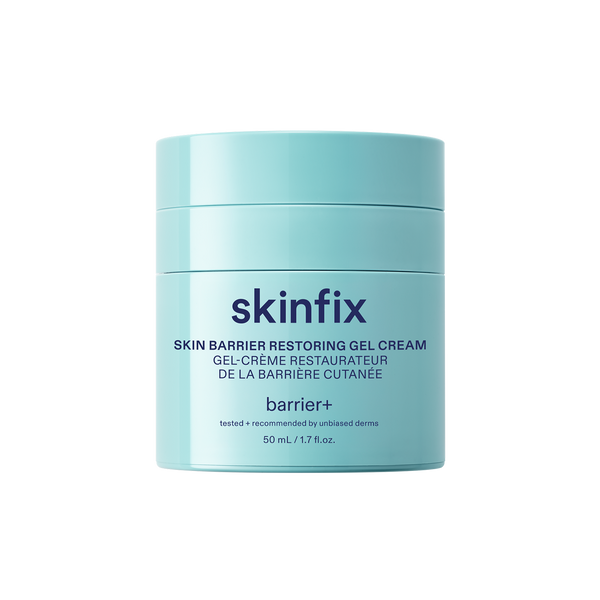
This is why modern pigmentation routines include barrier-repair ingredients alongside brightening actives.
Key barrier-support ingredients include:
Ceramides
Panthenol
Centella asiatica
Squalane
Beta-glucan
These ingredients reduce inflammation and strengthen the outer skin layer, allowing pigmentation treatments to work without triggering irritation cycles.
Healthy skin heals pigment faster.
3. Consistency Beats Intensity
Hyperpigmentation is slow to form and slow to fade.
Most dermatologists now recommend evaluating pigmentation treatments over 8–16 weeks rather than days or weeks.
Instead of strong treatments used sporadically, the modern approach favors:
• daily sunscreen
• consistent brightening actives
• gentle exfoliation
• barrier-support hydration
This long-term strategy allows pigment cells to gradually normalize while the skin renews itself naturally.
The result is clearer skin without rebound pigmentation.
The Ideal 2026 Morning Routine for Hyperpigmentation
Morning skincare plays a critical role in preventing pigment from worsening throughout the day.
Step 1: Gentle Cleanser
Start with a non-stripping cleanser that removes overnight oil without disrupting the barrier.
Look for formulas containing:
glycerin
amino acid surfactants
hydrating botanicals
Avoid harsh foaming cleansers that leave the skin tight.
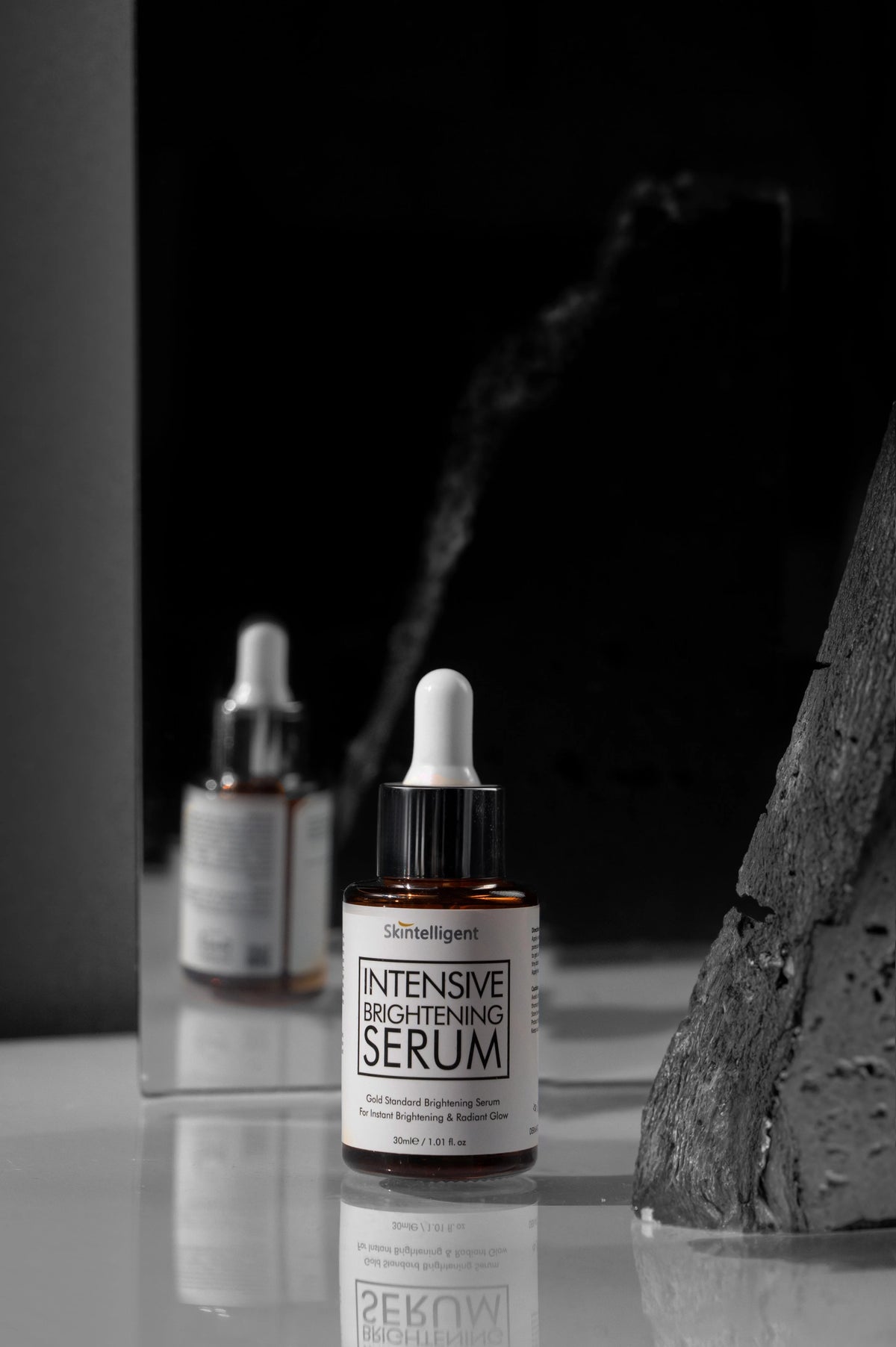
Step 2: Antioxidant Serum


4
Antioxidants are a cornerstone of modern pigmentation prevention.
They neutralize free radicals triggered by UV exposure and pollution, both of which stimulate melanin production.
Common antioxidant choices include:
stabilized vitamin C
ferulic acid
niacinamide
resveratrol
Vitamin C in particular helps brighten skin while reducing the formation of new pigment.
Step 3: Hydrating Moisturizer
A lightweight moisturizer supports barrier function and reduces irritation risk from active ingredients.
Choose moisturizers containing:
ceramides
hyaluronic acid
panthenol
fatty acids
Even oily skin benefits from hydration when managing pigmentation.
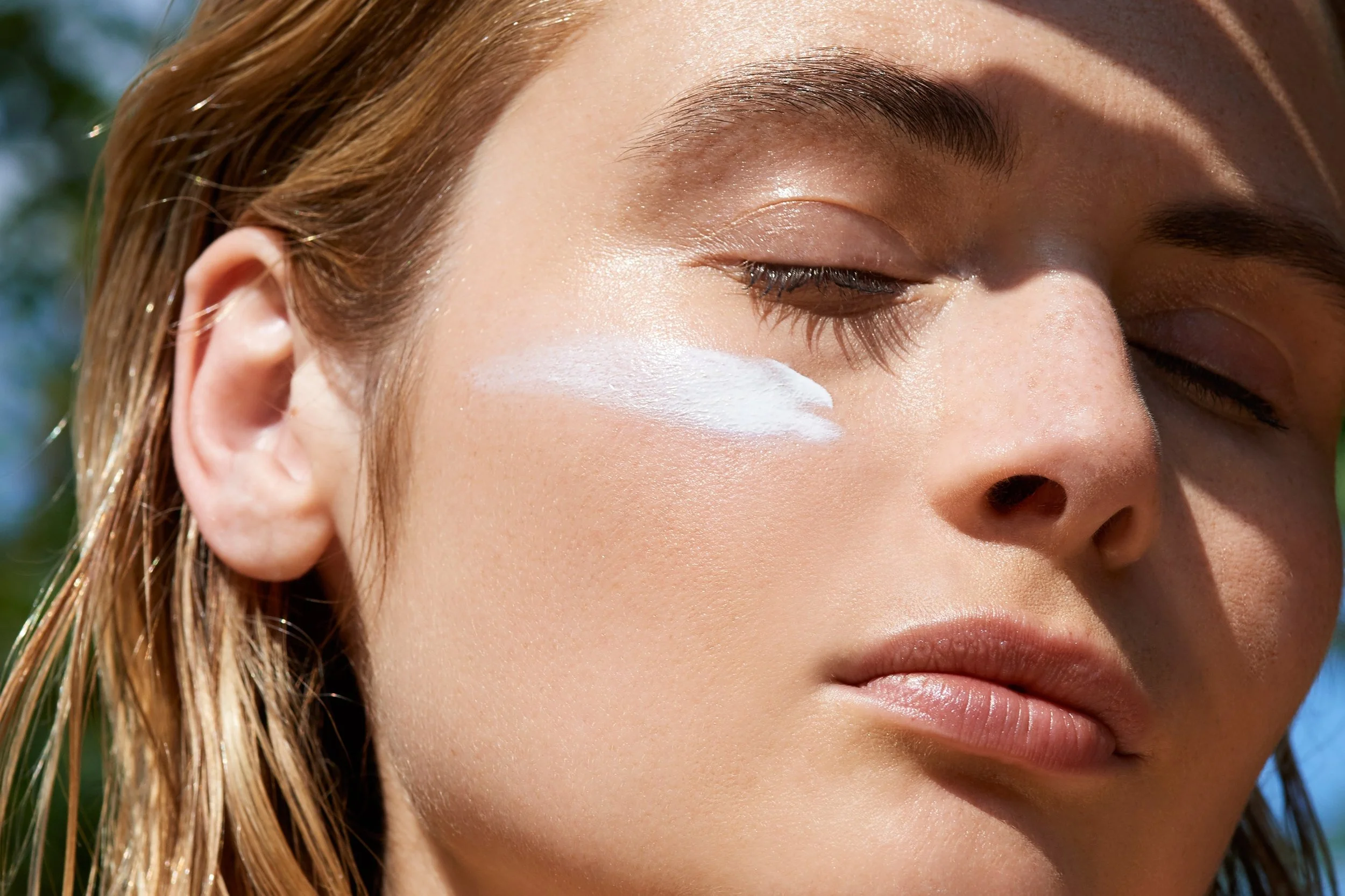
Step 4: Sunscreen (The Most Important Step)

4
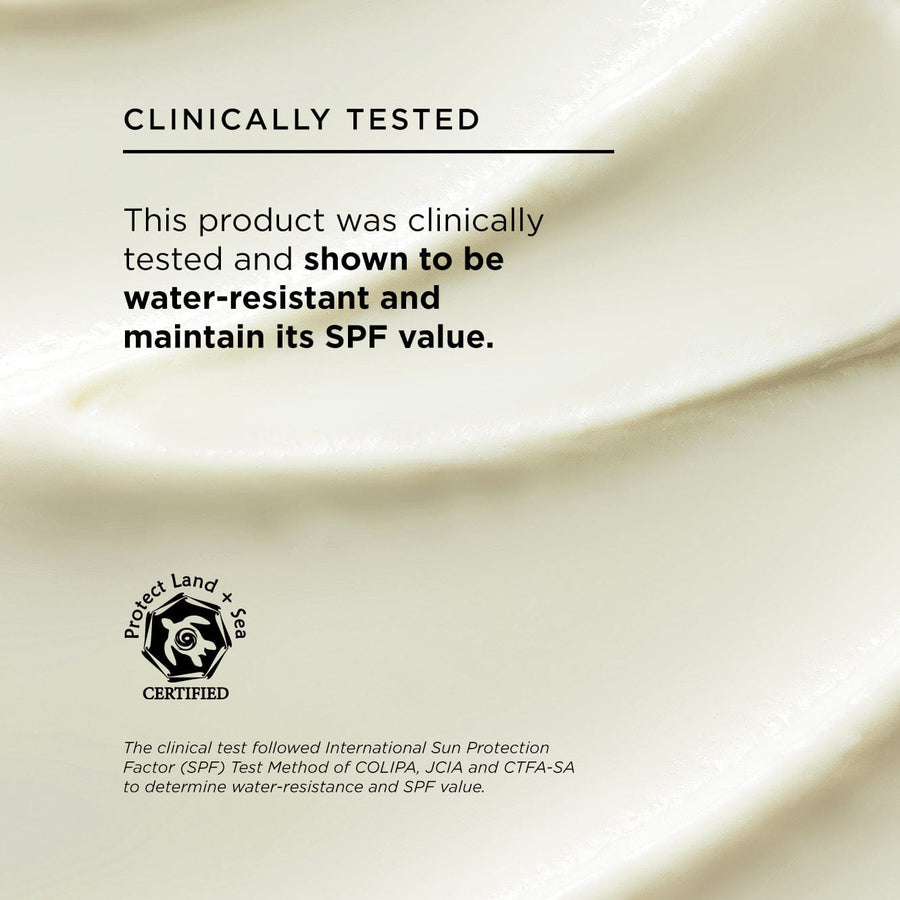
No pigmentation routine works without daily sun protection.
UV exposure stimulates melanocytes and deepens existing pigmentation. Even small amounts of sun exposure can slow fading progress.
Dermatologists recommend:
• broad-spectrum SPF 30–50
• reapplication every 2–3 hours
• tinted mineral sunscreen for additional visible-light protection
Visible light — especially from screens and indoor lighting — can also worsen pigmentation, particularly in melasma.
Tinted sunscreens containing iron oxides help block this light.
🌞 In modern hyperpigmentation care, sunscreen is considered the primary treatment, not just protection.
The Ideal Evening Routine for Hyperpigmentation
Evening skincare focuses on repairing damage and gradually correcting pigment production.
Step 1: Gentle Double Cleanse (Optional)
If wearing sunscreen or makeup, start with an oil or balm cleanser followed by a gentle gel cleanser.
This ensures active treatments penetrate effectively.
Step 2: Targeted Pigmentation Treatment
Modern pigmentation serums often combine multiple gentle actives.
Look for formulas containing combinations such as:
• tranexamic acid + niacinamide
• azelaic acid + alpha arbutin
• vitamin C derivatives + licorice root
These ingredients help interrupt the tyrosinase pathway, the biological process that produces melanin.
Over time, pigment gradually fades as the skin renews itself.
Step 3: Retinoid (Optional but Powerful)
Retinoids accelerate skin cell turnover, helping pigmented cells shed more quickly.
However, modern routines recommend low-strength retinoids used gradually.
Start with:
• 2–3 nights per week
• gentle formulations
• buffer with moisturizer if needed
Retinoids also improve collagen production, which contributes to overall skin clarity and texture.
Step 4: Barrier-Repair Moisturizer
Finish with a nourishing moisturizer to support overnight repair.
Night creams rich in ceramides, peptides, and soothing botanicals help maintain skin resilience while pigmentation treatments work beneath the surface.
🌿 Healthy skin fades pigmentation faster.
Gentle Exfoliation: How Often Is Best?
Exfoliation helps remove pigmented surface cells, but modern dermatology emphasizes moderation.
Recommended frequency:
1–2 times per week
Good options include:
lactic acid
mandelic acid
PHA (polyhydroxy acids)
These exfoliants work slowly and gently, minimizing irritation risk.
Avoid stacking multiple strong exfoliants together — a common mistake that often worsens pigmentation.
Lifestyle Habits That Improve Hyperpigmentation
Skincare alone cannot fully control pigmentation. Daily habits also play a role.
Important lifestyle factors include:
Sun protection habits
Hats, sunglasses, and shade dramatically reduce pigment triggers.
Inflammation control
Avoid picking acne or irritating the skin.
Sleep and stress balance
Hormonal stress responses can influence melasma and pigment activity.
Balanced diet
Antioxidant-rich foods support skin repair.
Modern skincare now recognizes that pigmentation management is holistic, not purely topical.
How Long Does It Take to Fade Hyperpigmentation?
Results vary depending on pigmentation depth and cause.
Typical timelines:
Post-inflammatory hyperpigmentation:
4–12 weeks
Sun spots:
8–16 weeks
Melasma:
3–6 months or longer
Consistency is critical.
Gradual fading is often more stable and longer lasti
