Color Cosmetics Rebound: Why 2026 Is Getting More Playful
Color Cosmetics Rebound: Why 2026 Is Getting More Playful


4
For nearly a decade, beauty trends have been dominated by minimalism. Neutral palettes, barely-there makeup, and skincare-first routines defined the aesthetic of the late 2010s and early 2020s. “Clean girl” beauty, soft bronzed skin, and monochromatic tones shaped what many considered modern elegance.
But something is changing.
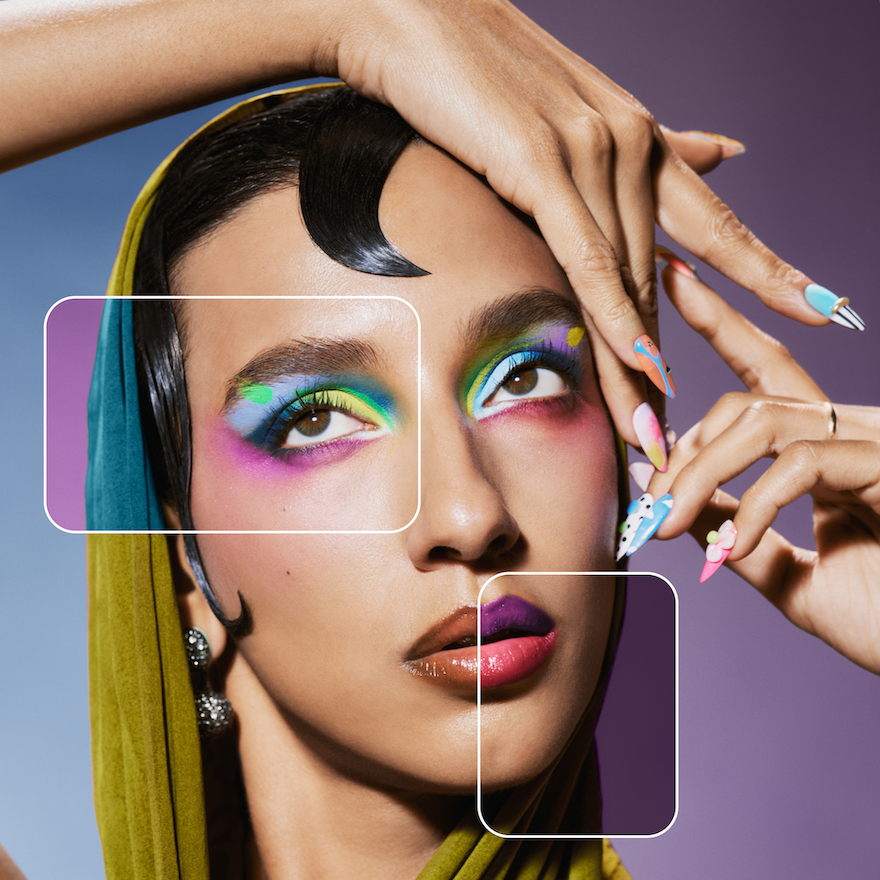
In 2026, the beauty industry is witnessing a significant rebound in color cosmetics. From electric eyeliners and pastel eyeshadows to experimental lip textures and bold blush placements, makeup is becoming expressive again. Consumers are moving beyond the idea that beauty must always look effortless or invisible.
Instead, makeup is reclaiming its original purpose: self-expression, creativity, and fun.
This resurgence isn’t simply nostalgia. It reflects broader shifts in culture, technology, and consumer identity. The new wave of color cosmetics blends artistry with innovation—making playful makeup not only trendy but also wearable in everyday life.
Let’s explore why 2026 is shaping up to be the year color returns to the center of beauty.
The End of the “Barely There” Era
The minimalist beauty wave didn’t appear without reason. Over the past decade, skincare awareness increased dramatically. Consumers learned about ingredients, barrier repair, and skin health. Foundations became lighter, routines simplified, and makeup often served as a subtle enhancement rather than a statement.
However, once minimalism became the norm, creative fatigue slowly emerged.
When every look revolves around beige tones and soft contours, individuality begins to disappear. Social media feeds filled with nearly identical “natural” looks, and beauty enthusiasts started searching for something new.
Color cosmetics offered that escape.
Rather than replacing the skincare-first philosophy, playful makeup builds on it. Healthy skin now serves as the canvas for creativity, allowing color to shine without heavy coverage.
The shift represents an evolution:
healthy skin plus artistic expression.
Social Media Is Fueling the Color Renaissance


4
Digital beauty culture is another major force behind the resurgence of color.
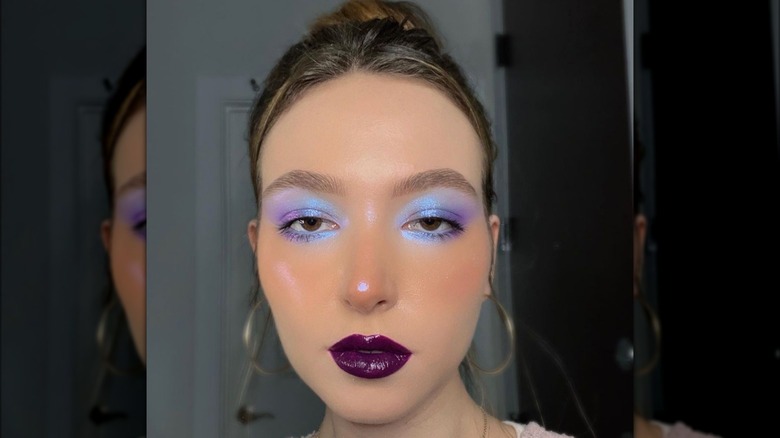
Platforms like short-form video and visual-first social networks reward high-impact visuals. A neutral makeup look might feel elegant in person, but on a phone screen it often fades into the background.
Bold color, on the other hand, captures attention instantly.
Makeup artists and creators are experimenting with:
Floating eyeliner shapes
Two-tone blush placements
Gradient eyeshadow blends
Unexpected color pairings
These looks may appear editorial at first glance, yet many have evolved into simplified versions that are easy for everyday wear.
For example, graphic liner once required complex techniques. Now brands release precision pens, stamps, and flexible gel formulas that allow beginners to achieve clean lines in minutes.
The result is a new kind of accessible artistry.
A Post-Perfection Beauty Mindset
Another reason for the color cosmetics rebound lies in a cultural shift: people are moving away from perfection-driven beauty standards.
The ultra-filtered aesthetic of early social media created pressure to look flawless at all times. Today, many consumers reject that approach. Instead, they embrace individuality, imperfection, and personality.
Colorful makeup fits naturally into this mindset.
Bright pigments signal playfulness rather than perfection. They invite experimentation instead of strict rules. A vivid coral blush or lavender eyeliner isn’t meant to mimic natural skin—it’s meant to stand out.
This philosophy changes how makeup is worn.
Instead of hiding behind neutral tones, people use color to communicate mood, identity, and creativity. A bold eye look can feel empowering, artistic, or joyful—all in a way that minimalist beauty sometimes cannot.
In short, color cosmetics allow beauty to feel human again.
Innovation in Pigments and Formulas

4
While culture plays a role, technology is equally important in the color revival.
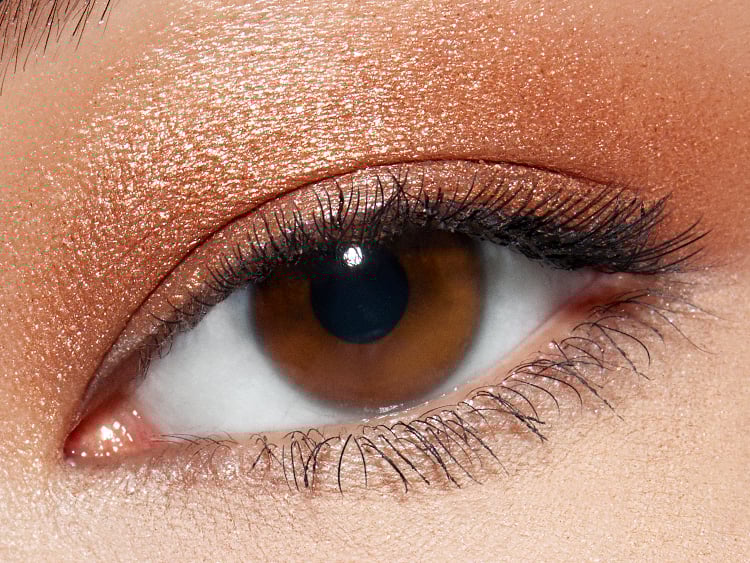
Modern cosmetic science has dramatically improved pigment performance. Today’s formulas are brighter, smoother, and easier to blend than those from previous decades.
Several innovations are driving this change.
Hybrid Cream-Powder Formulas
Traditional powder eyeshadows sometimes struggled with fallout and patchiness. New hybrid textures combine the blendability of creams with the longevity of powders, making color easier to control.
Multi-Dimensional Pigments
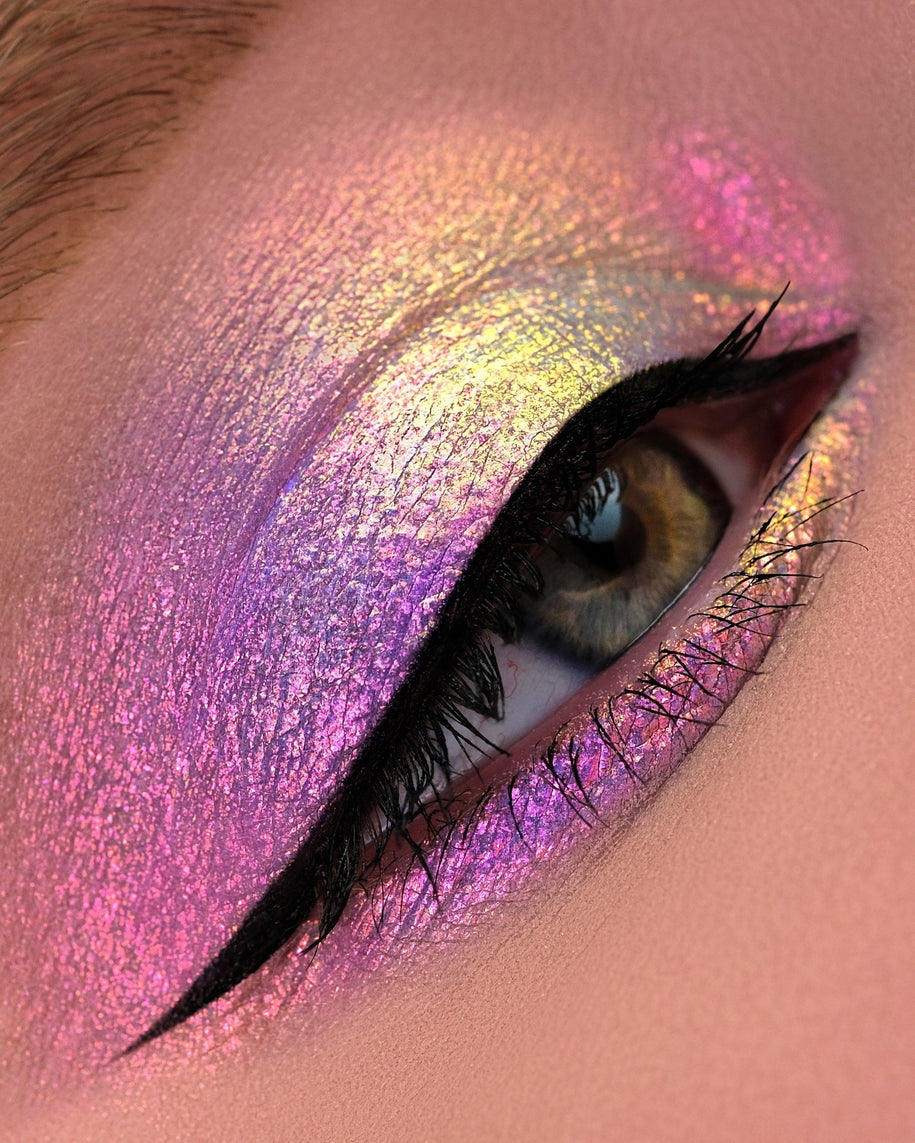
Multichrome and duochrome pigments create shifting colors depending on light and angle. These pigments add visual interest without requiring complicated application techniques.
Skin-Friendly Ingredients
Consumers still expect skincare benefits from makeup. Many color cosmetics now contain hydrating agents, soothing extracts, or barrier-supporting ingredients.
This means vibrant makeup no longer feels drying or heavy.
Long-Wear Without Harshness
Advanced film-forming polymers help pigments stay in place while remaining flexible. The result is long-lasting color that doesn’t crack, crease, or feel uncomfortable.
Together, these innovations transform bold makeup from something dramatic and high-maintenance into something modern and wearable.
The Return of Statement Eyes
Eye makeup is leading the color cosmetics rebound.
For years, neutral eyeshadow palettes dominated beauty counters. Now brands are introducing palettes filled with vivid greens, lilacs, oranges, and cobalt blues.
But the trend isn’t about applying color everywhere.
Instead, the new approach focuses on strategic color placement.
A single bold eyeliner line across the lid.
A pastel wash blended softly across the crease.
A bright inner-corner highlight.
These small touches allow color to stand out without overwhelming the face.
Graphic eyeliner is particularly influential. Clean shapes, floating lines, and geometric accents create striking looks that require minimal product but deliver maximum impact.
It’s makeup as design.
Blush Is Becoming the New Color Playground
Blush is experiencing its own colorful revolution.
Traditional blush shades centered around peach and rose tones meant to mimic a natural flush. In 2026, the palette has expanded dramatically.
Unexpected blush colors are gaining popularity, including:
Soft lilac
Tangerine
Berry wine
Coral pink
Sunset orange
Placement is evolving as well. Instead of applying blush only to the apples of the cheeks, makeup artists experiment with draping techniques, temple highlights, and sculptural placements across the cheekbones.
Liquid and cream blush formulas make these techniques easier, creating sheer layers of color that look luminous rather than heavy.
Blush is no longer just a finishing step.
It’s becoming a central artistic feature of modern makeup.
Lips Are Softening While Staying Bold
Interestingly, the rebound of color cosmetics doesn’t always mean intense pigment everywhere.
Lip trends in 2026 often combine bold shades with soft textures. The popular “cloud lip” aesthetic, for example, features blurred edges and diffused pigment that feels airy rather than sharp.
This creates a balance across the face.
Eyes or cheeks may carry vibrant color, while lips remain softly blended. Alternatively, a bold lip can anchor an otherwise minimal look.
The key difference from past decades is versatility.
Instead of rigid rules about which features must stand out, modern beauty encourages playful combinations.
Nostalgia Is Inspiring New Color Stories
The early 2000s continue to influence beauty trends, but the modern interpretation feels far more refined.
In the past, bright makeup sometimes relied on chalky formulas or overly frosted finishes. Today’s pigments appear smoother, richer, and more dimensional.
For example:
Y2K pastel blues now appear in silky matte textures.
Glitter eyeshadows use biodegradable sparkles and refined shimmer particles.
Glossy lips are paired with blurred edges for a contemporary feel.
Nostalgia acts as inspiration rather than replication.
The result is makeup that feels familiar yet unmistakably modern.
Consumers Want Beauty That Feels Fun Again
Perhaps the most important reason behind the color cosmetics rebound is emotional.
Beauty routines have become highly functional over the past decade—focused on treatment, correction, and optimization. While those goals remain important, many consumers are rediscovering the joy of simply playing with makeup.
Color brings that sense of joy back.
Opening a palette filled with vibrant pigments sparks creativity in a way that neutral shades rarely do. Applying a bold eyeliner or unexpected blush shade can feel like a small act of self-expression in daily life.
This emotional connection matters.
When beauty feels playful rather than purely corrective, it becomes something people genuinely look forward to.
What the Future of Color Cosmetics Looks Like
As 2026 unfolds, the rebound of color cosmetics will likely continue evolving in several key directions.
First, wearable creativity will remain central. Consumers want bold looks that can adapt to everyday life, not just editorial shoots.
Second, sustainability will influence pigment innovation. Brands are investing in responsibly sourced minerals, biodegradable glitter, and environmentally friendly production methods.
Third, technology will further personalize color. Digital shade matching, augmented reality try-ons, and customizable palettes may allow consumers to create color combinations tailored to their skin tone and style.
Ultimately, the future of color cosmetics isn’t about returning to the past. It’s about merging art, science, and individuality into something entirely new.
A More Expressive Era of Beauty
The rebound of color cosmetics in 2026 reflects a broader transformation in how people approach beauty.
Instead of chasing perfection or uniformity, consumers are embracing personality and creativity. Makeup is becoming expressive again—something that enhances mood, identity, and individuality.
Bold pigments, innovative formulas, and playful experimentation are redefining what modern beauty looks like.
The era of invisible makeup isn’t disappearing entirely. But it’s finally sharing the spotlight with something far more vibrant.
And for many beauty lovers, that shift feels long overdue. ✨
