The Clean Beauty Trend Everyone Is Talking About
The Clean Beauty Trend Everyone Is Talking About 🌿
The beauty industry is experiencing one of its most significant transformations in decades. Across social media, dermatology clinics, and beauty magazines, one phrase appears again and again: clean beauty.
What began as a niche movement focused on natural ingredients has evolved into a powerful global shift toward transparent, safer, and more sustainable beauty products. Consumers today are no longer satisfied with products that simply promise glowing skin. They want to know what’s inside the bottle, how it’s made, and how it affects both their health and the planet.
Clean beauty represents a new generation of skincare—one that blends science, safety, and sustainability into routines that feel modern, mindful, and effective.
But what exactly does clean beauty mean? Why has it become such a powerful movement in the beauty industry? And how can you incorporate it into your own routine?
Let’s explore the trend everyone is talking about.
What Clean Beauty Really Means


4
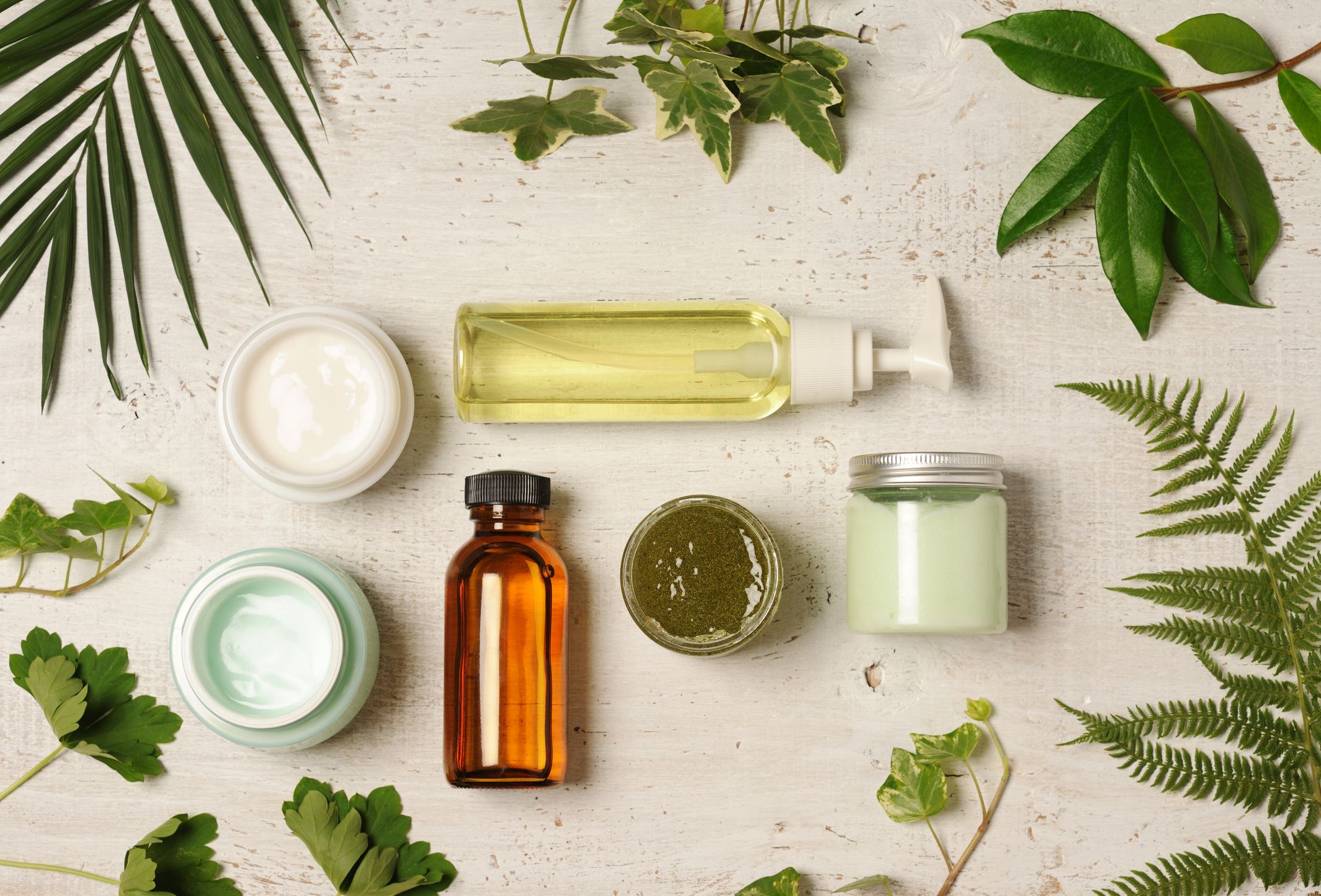
At its core, clean beauty focuses on products made without ingredients considered harmful to human health while maintaining high performance and safety standards.
Unlike traditional beauty marketing claims like “natural” or “organic,” clean beauty places strong emphasis on:
ingredient transparency
non-toxic formulations
ethical sourcing
environmentally responsible packaging
Clean beauty products often avoid controversial ingredients such as:
parabens
phthalates
formaldehyde-releasing preservatives
certain sulfates
synthetic fragrances
However, it’s important to understand that clean beauty is not anti-science. In fact, many clean brands rely heavily on advanced research and dermatological testing.
The goal is balance: effective skincare backed by science while minimizing unnecessary or potentially harmful chemicals.
In this way, clean beauty represents the perfect intersection of innovation 🧬 and wellness.
Why Clean Beauty Is Growing So Fast
The clean beauty movement didn’t appear overnight. Its rise is the result of several cultural shifts happening simultaneously across the world.
1. Consumers Are More Educated Than Ever
Today’s beauty consumers read ingredient labels the same way they read food labels.
Apps, online databases, and dermatology resources allow people to easily research ingredients and understand how they affect skin health.
As a result, shoppers increasingly look for:
shorter ingredient lists
recognizable botanical ingredients
dermatologist-approved formulas
Transparency has become one of the most powerful currencies in the beauty industry.
2. Skin Health Is the New Beauty Standard ✨
For years, beauty trends focused heavily on covering imperfections. Now, the focus has shifted toward healthy skin itself.
Rather than layering heavy makeup, many women prefer skincare routines that strengthen the skin barrier, hydration levels, and long-term radiance.
Clean beauty aligns perfectly with this shift because it emphasizes:
gentle formulations
barrier-supportive ingredients
nourishing botanicals
minimal irritation
The result is skin that looks naturally luminous rather than artificially perfected.
3. Sustainability Matters More Than Ever 🌍
Environmental awareness is another major driver behind the clean beauty movement.
Consumers increasingly want products that minimize environmental impact through:
recyclable packaging
refillable containers
responsibly sourced ingredients
cruelty-free testing practices
Many clean beauty brands now prioritize sustainable production processes, helping reduce waste in an industry traditionally known for excessive packaging.
The Key Ingredients Powering Clean Beauty


4
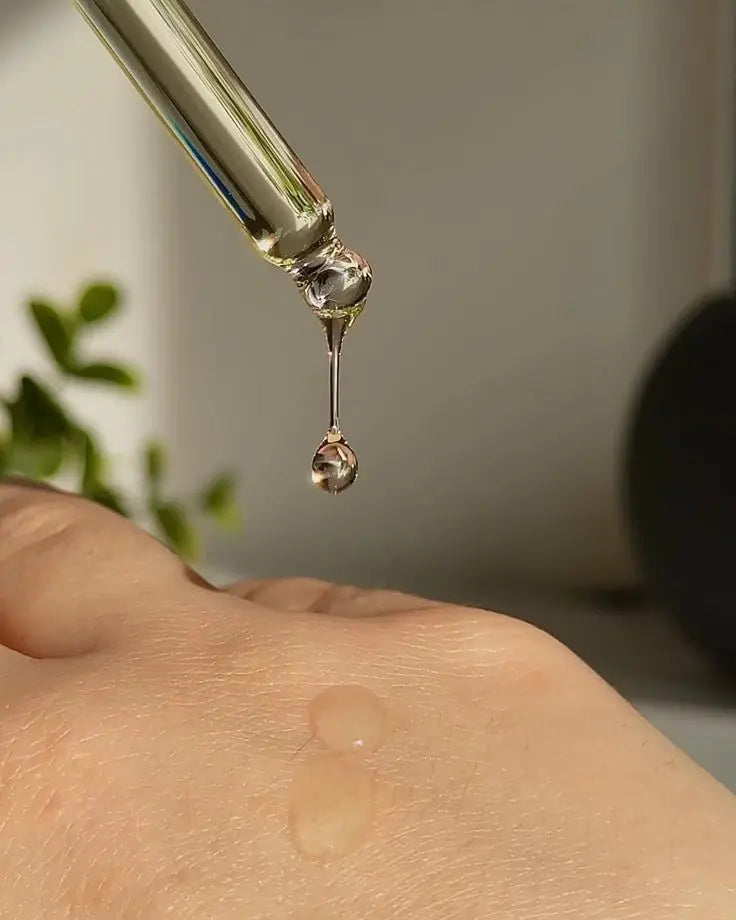
Clean beauty products often combine botanical ingredients with clinically proven skincare actives.
Here are some of the most popular ingredients dominating clean formulations.
Vitamin C
Vitamin C has become one of the most beloved ingredients in modern skincare.
It helps:
brighten dull skin
reduce dark spots
support collagen production
protect against environmental stressors
Many clean beauty brands now formulate stable vitamin C serums using innovative delivery systems.
Niacinamide
Niacinamide is a multitasking ingredient loved by dermatologists.
Its benefits include:
minimizing pores
improving skin tone
strengthening the skin barrier
reducing redness
Because it works well with almost every skin type, niacinamide has become a cornerstone ingredient in clean skincare.
Aloe Vera
Aloe vera remains one of the most soothing botanical ingredients available.
It is widely used in clean beauty products because it helps:
calm inflammation
hydrate the skin
support healing
reduce irritation
Green Tea Extract
Green tea is packed with antioxidants that help protect skin from environmental stress.
It is commonly used in clean skincare to:
reduce inflammation
neutralize free radicals
support youthful-looking skin
The Difference Between Clean, Natural, and Organic Beauty
These three terms are often used interchangeably, but they actually mean different things.
Natural Beauty
Natural beauty products primarily contain ingredients derived from plants or minerals.
However, “natural” does not automatically mean safer or more effective.
Organic Beauty
Organic beauty products use ingredients grown without synthetic pesticides or fertilizers.
Certification standards vary depending on the country and organization.
Clean Beauty
Clean beauty focuses on ingredient safety and transparency, regardless of whether ingredients are natural or synthetic.
This means a clean formula might include lab-created ingredients if they are proven to be safe and effective.
In other words, clean beauty is less about where an ingredient comes from and more about how it impacts skin health.
How Clean Beauty Is Changing the Industry 🔬


4
The influence of clean beauty now extends far beyond niche skincare brands.
Even major beauty companies are reformulating products and improving transparency.
Here are some ways the industry is evolving.
Ingredient Transparency
Many brands now publish full ingredient explanations and sourcing details.
This helps consumers understand:
what each ingredient does
why it’s included
where it comes from
Transparency builds trust, which has become essential for modern beauty brands.
Shorter Ingredient Lists
Clean beauty products often prioritize simpler formulations with fewer unnecessary additives.
Minimalist ingredient lists can reduce the likelihood of irritation while maintaining effectiveness.
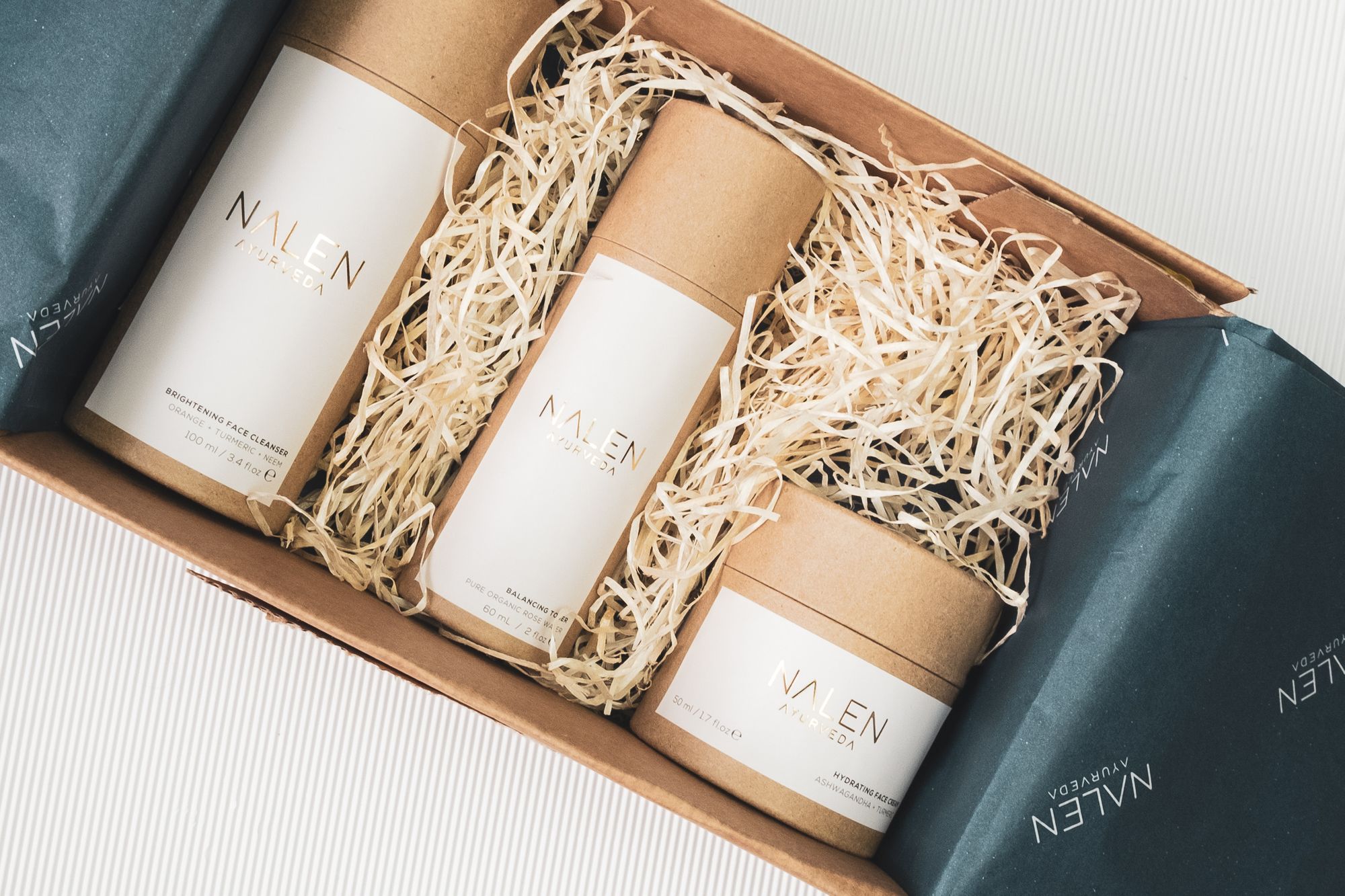
Sustainable Packaging
Luxury beauty brands are now investing heavily in eco-friendly packaging innovations.
These include:
refill systems
biodegradable materials
recycled plastics
glass containers
Sustainability has become a defining feature of modern beauty innovation.
How to Transition to a Clean Beauty Routine 💡
If you’re curious about clean beauty but unsure where to start, the transition doesn’t need to be overwhelming.
Start gradually by replacing products as they run out rather than discarding your entire routine.
Here are a few practical steps.
Step 1: Start With Skincare Basics
Focus first on the products you use daily:
cleanser
moisturizer
sunscreen
serum
These products have the most consistent contact with your skin.
Step 2: Learn to Read Ingredient Labels
Understanding ingredient lists can help you make informed choices.
Look for products that prioritize:
gentle preservatives
antioxidant ingredients
barrier-supportive components
Avoid products with unnecessary fragrance or harsh additives.
Step 3: Prioritize Skin Health Over Trends
Clean beauty isn’t about following every new product launch.
Instead, build a routine centered around skin barrier health, hydration, and protection.
A simple routine often produces the best long-term results.
Common Myths About Clean Beauty
Despite its popularity, several misconceptions still surround the clean beauty movement.
Let’s clarify a few of them.
Myth 1: Clean Beauty Is Less Effective
Modern clean formulations often combine botanical ingredients with advanced cosmetic science.
Many clean products perform just as well as traditional formulas.
Myth 2: Natural Always Means Safe
Some natural ingredients can actually irritate the skin.
Clean beauty focuses on safe formulation, not just natural sourcing.
Myth 3: Clean Beauty Is Only for Sensitive Skin
While gentle formulations can benefit sensitive skin, clean beauty products are designed for all skin types.
They simply emphasize safer ingredient profiles.
The Future of Clean Beauty 💎
Clean beauty is no longer just a passing trend—it’s becoming the new standard for modern skincare.
Future innovations are likely to focus on:
biotech ingredients created through sustainable science
personalized skincare based on skin microbiome analysis
refillable luxury packaging systems
carbon-neutral beauty production
Technology and sustainability are merging to create a beauty industry that prioritizes both performance and responsibility.
Consumers are no longer choosing between luxury and ethics—they expect both.
Final Thoughts
The clean beauty movement reflects a broader cultural shift toward intentional living and informed choices.
People today want products that support their skin, align with their values, and contribute to a healthier planet.
By focusing on transparency, safety, and sustainability, clean beauty offers a smarter approach to skincare—one that blends science, wellness, and modern innovation.
Whether you adopt a fully clean routine or simply start paying closer attention to ingredient lists, one thing is clear:
The future of beauty is thoughtful, transparent, and beautifully clean.
