What Happens to Your Skin When You Stop Using Makeup for 30 Days
What Happens to Your Skin When You Stop Using Makeup for 30 Days
For many people, makeup is part of everyday life. A swipe of foundation, a bit of concealer, and a touch of powder can quickly become routine — almost like brushing your teeth. But recently, a new beauty trend has been gaining attention: the 30-day makeup detox.
Inspired by the growing skin-first beauty movement, more women are taking a break from cosmetics to see how their skin behaves naturally. Dermatologists and skincare experts say the results can be surprisingly transformative.
So what really happens if you stop wearing makeup for an entire month?
The answer is more nuanced than you might expect. Some changes happen quickly, while others take weeks to appear. Your skin’s microbiome, oil production, and natural glow can all shift during this reset.
Let’s explore what typically happens during a 30-day makeup break, week by week. ✨
Why People Are Taking a Makeup Break


4
Before diving into the timeline, it helps to understand why this trend is growing.
The beauty industry has shifted dramatically in recent years. Instead of covering skin imperfections, many consumers now prioritize skin health, barrier repair, and microbiome balance.
Heavy makeup can sometimes interfere with these processes — especially when products contain pore-clogging ingredients or are not removed properly at night.
A makeup break allows the skin to:
Regulate oil production naturally
Restore its moisture barrier
Reduce irritation from pigments and preservatives
Improve oxygen exposure to the skin surface
Dermatologists often compare it to a “skin reset.” 🌿
However, that reset doesn’t happen overnight.
Week 1: Your Skin Starts Detoxing
For many people, the first week without makeup is surprisingly noticeable.
If you typically wear foundation or concealer daily, your pores may finally get a break from layers of pigment, oils, and silicones.
But interestingly, some people experience temporary breakouts during this first week.
Why this happens
Makeup products can trap oil and bacteria in pores. When you stop using them, your skin begins clearing out congestion, which can trigger small breakouts as impurities surface.
This is similar to what happens during a skincare purge.
At the same time, your skin may begin producing less excess oil. Without makeup absorbing oil or clogging pores, sebaceous glands gradually find a healthier balance.
Many people also notice their skin feels:
softer
less tight
more breathable
This early stage is your skin adjusting to its natural rhythm. 🔬
Week 2: Oil Production Begins to Balance

4
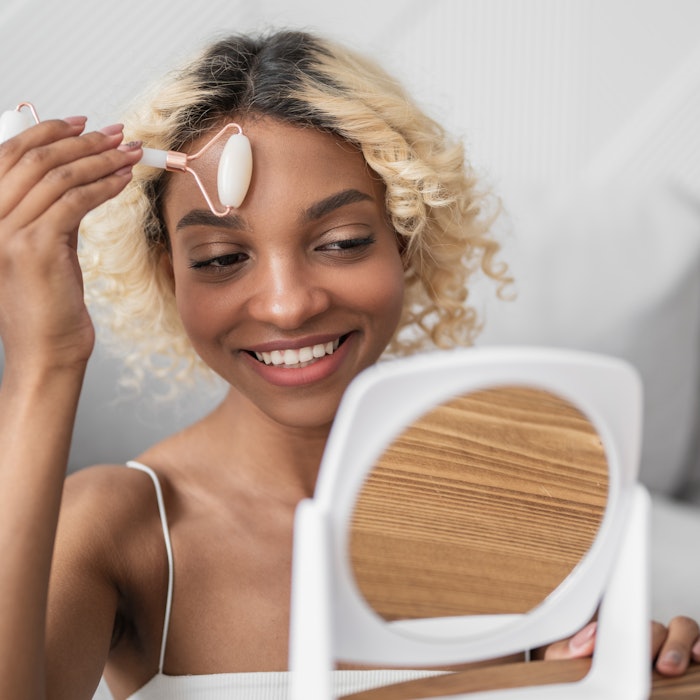
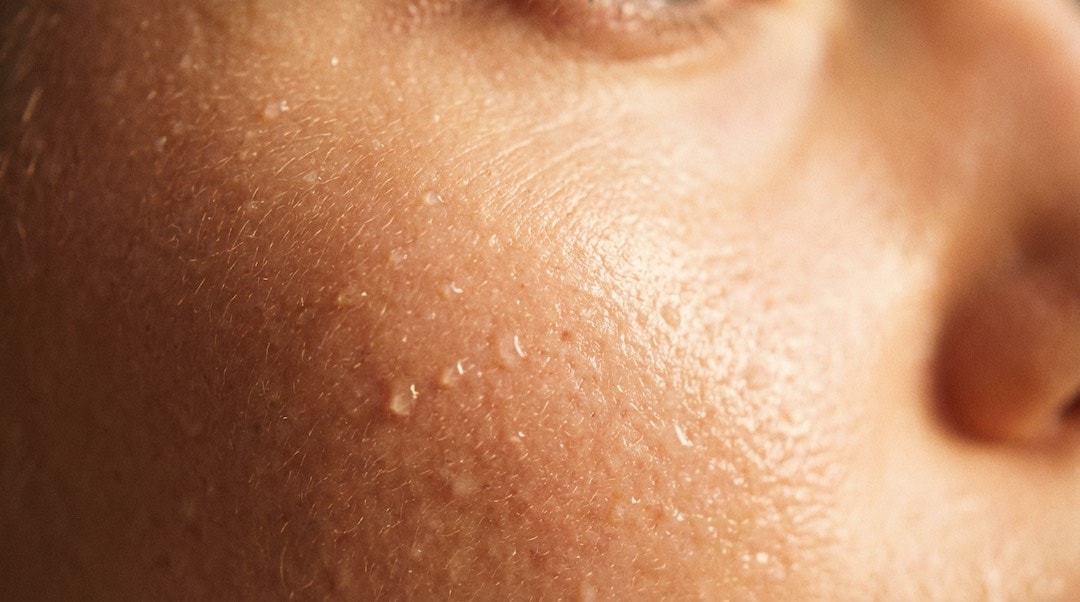
By the second week, many people start noticing improvements in skin texture.
Your pores may appear smaller and less congested, especially if your previous makeup routine included heavy foundation or powder.
Oil regulation improves
When makeup is worn daily, the skin often compensates by producing extra oil to maintain balance.
Without those external layers, your skin slowly recalibrates.
This means:
less midday shine
fewer clogged pores
smoother skin surface
Interestingly, people with combination skin often see the biggest improvements during this stage.
Your skin barrier begins repairing itself
Your skin barrier — the outermost protective layer — plays a major role in hydration and sensitivity.
Makeup removal routines, especially those involving strong cleansers or wipes, can sometimes weaken this barrier over time.
Two weeks without daily makeup removal can allow the barrier to strengthen and retain moisture more effectively. 💎
Week 3: Natural Glow Starts Appearing



4
Around the third week, many people report the most exciting change: their natural glow returns.
This happens because skin cell turnover is improving.
The skin renews itself roughly every 28 days, so by week three your complexion may begin revealing healthier, fresher skin cells.
Increased hydration
Without layers of makeup absorbing moisture, your skincare products can work more effectively.
Hydrating ingredients like:
hyaluronic acid
ceramides
glycerin
can penetrate the skin more easily.
As a result, your complexion may appear:
brighter
plumper
more even
The glow that makeup once simulated begins appearing naturally.
Week 4: Your Skin Reaches a New Balance



4
After 30 days, your skin has typically completed one full renewal cycle.
This is when many of the long-term benefits become visible.
Reduced breakouts
If makeup products were contributing to clogged pores or irritation, breakouts may decrease significantly.
More even tone
Without constant friction from brushes, sponges, and removal wipes, skin inflammation can calm down — leading to a more even complexion.
Stronger skin barrier
Your skin barrier becomes better at:
retaining moisture
blocking irritants
preventing redness
This results in healthier and more resilient skin overall.
Many people discover they need less makeup than before — or sometimes none at all.
The Psychological Effect of Going Makeup-Free
Beyond physical skin changes, a makeup detox often brings an emotional shift.
For some, the first few days feel uncomfortable. Society often encourages covering blemishes or uneven tone.
But over time, many people report feeling more confident in their natural skin.
This shift aligns with the broader skin positivity movement, which celebrates real skin textures, pores, and freckles.
Instead of striving for perfection, the focus becomes skin health and authenticity. 🌍
Does Everyone Benefit From a Makeup Break?
While many people see improvements, the results depend on several factors.
Skin type
People with acne-prone skin may see dramatic improvements if their makeup products were comedogenic.
However, individuals who already use light, non-pore-clogging makeup may notice smaller changes.
Makeup removal habits
Ironically, poor makeup removal habits often cause more issues than makeup itself.
Sleeping with makeup on can trap bacteria and oil, increasing breakouts and irritation.
Product ingredients
Modern makeup formulas have improved significantly.
Many now include skincare ingredients like:
niacinamide
SPF
antioxidants
So the impact of stopping makeup depends largely on the quality of products previously used.
Tips for Doing Your Own 30-Day Makeup Detox
If you want to try this experiment yourself, a few strategies can help your skin transition smoothly.
Focus on skincare
Replace your makeup routine with a simple, effective skincare routine:
gentle cleanser
hydrating serum
moisturizer
sunscreen
Avoid over-cleansing
Since you’re no longer removing heavy makeup, you may not need harsh cleansers.
A gentle hydrating cleanser is usually enough.
Support your skin barrier
Look for ingredients that strengthen the skin barrier, such as:
ceramides
panthenol
squalane
These help maintain hydration and prevent sensitivity.
Stay consistent
Skin renewal takes time.
Many of the most noticeable benefits appear after the third or fourth week.
The Future of Beauty: Skin First, Makeup Second
The 30-day makeup detox reflects a larger transformation in the beauty world.
Consumers are becoming more interested in:
skin health
ingredient transparency
minimalist routines
natural glow over heavy coverage
Instead of hiding imperfections, the modern beauty philosophy emphasizes nurturing the skin beneath.
Makeup isn’t disappearing — but it’s evolving.
Today’s beauty ideal isn’t flawless coverage.
It’s healthy, radiant skin that doesn’t need to be hidden. 💡
Final Thoughts
Stopping makeup for 30 days can reveal fascinating changes in your skin.
From improved hydration to fewer clogged pores, the skin often benefits from a temporary reset. But perhaps the biggest transformation is learning to appreciate your skin in its natural state.
Makeup can still be a powerful tool for creativity and self-expression. Yet giving your skin a break — even occasionally — may help restore balance, glow, and long-term health.
Sometimes the most beautiful look is simply your skin, well cared for and confidently worn.
