The Truth About Washing Your Hair Too Often
The Truth About Washing Your Hair Too Often
For decades, beauty advice about hair washing has swung wildly between extremes. One era insisted daily shampooing was the key to clean, beautiful hair. Another declared shampoo the enemy, encouraging people to stretch washes for as long as possible.
The truth, as with most things in modern beauty science, lies somewhere in the middle.
Hair health is influenced by a complex ecosystem that includes your scalp, natural oils, hair type, lifestyle, and even environmental factors like humidity and pollution. Washing your hair too frequently—or not enough—can disrupt this balance in ways that affect shine, strength, and overall scalp health.
Today, dermatologists and hair scientists are shedding new light on what really happens when you wash your hair too often, why the scalp’s natural oils are essential, and how to build a washing routine that actually supports healthier hair.
Understanding this balance is one of the most powerful steps you can take toward stronger, shinier, and more resilient hair.
The Role of Your Scalp’s Natural Oils


4
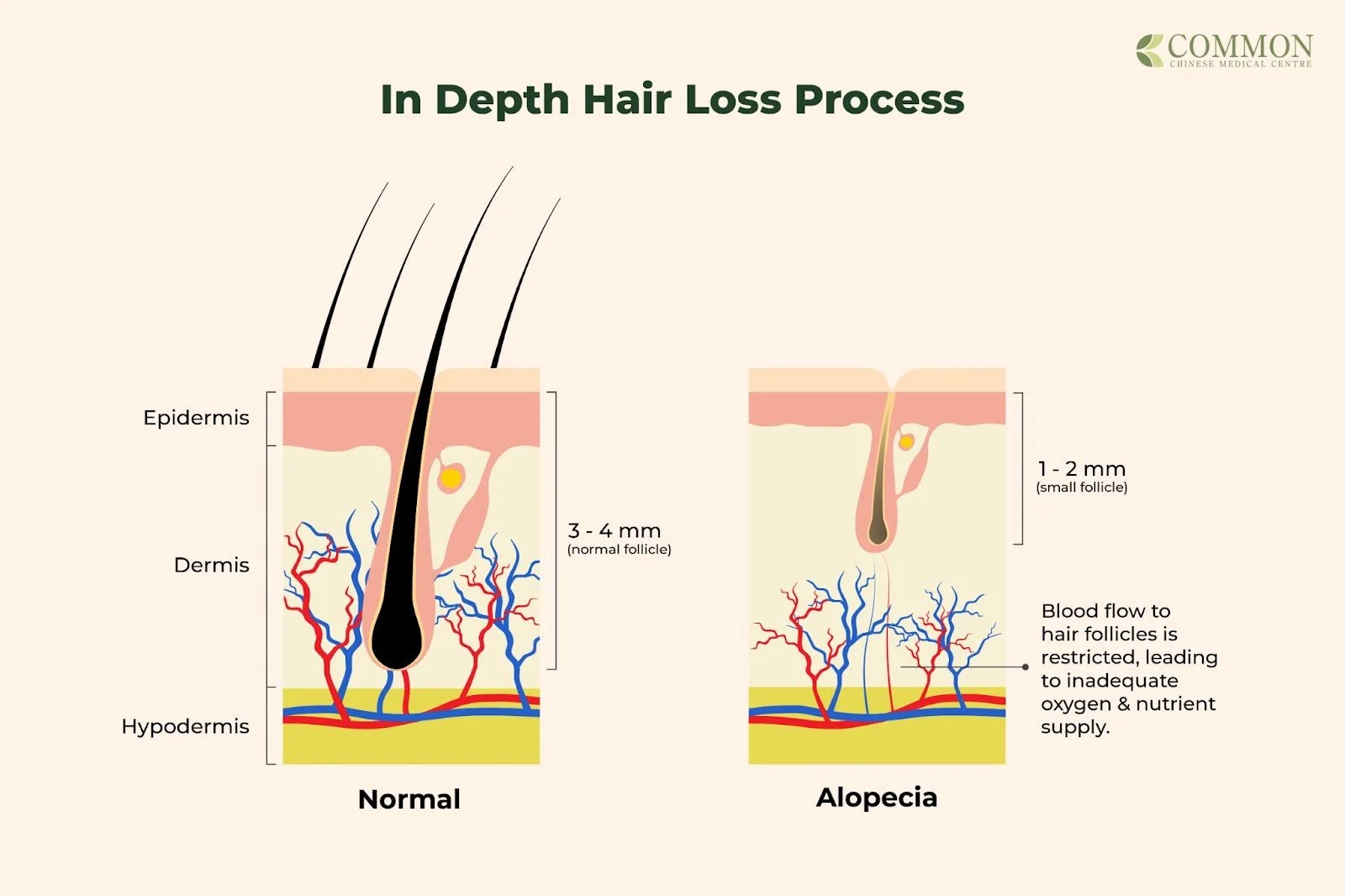
Your scalp is a living, breathing ecosystem. Beneath each strand of hair is a follicle connected to a sebaceous gland that produces sebum, the natural oil responsible for protecting both scalp and hair.
Sebum plays several important roles:
It moisturizes the scalp
It protects hair fibers from dryness
It adds shine and flexibility to hair strands
It forms a natural barrier against environmental stressors
When hair is washed, shampoo removes oil, dirt, sweat, and product buildup. While this is beneficial, shampoo also strips away some of the scalp’s protective oils.
When washing happens too frequently, the scalp may struggle to maintain its natural protective balance.
In response, the sebaceous glands can sometimes increase oil production, which ironically leads to hair appearing greasy more quickly.
This cycle—wash, strip oils, produce more oil—can create the illusion that hair needs constant washing when, in reality, the routine itself is contributing to the problem.
What Happens When You Wash Your Hair Too Often
Overwashing does not damage hair overnight. Instead, it creates subtle changes that gradually affect the condition of both the scalp and the hair strands themselves.
1. Loss of Protective Oils
Hair fibers rely on natural oils to remain flexible and resilient. Without them, strands become more vulnerable to breakage and dryness.
Frequent shampooing can remove these oils before they have a chance to travel down the hair shaft.
This is especially problematic for:
Curly hair
Textured hair
Long hair
Chemically treated hair
These hair types already struggle to distribute natural oils evenly from root to tip.
2. Increased Dryness and Frizz
When hair loses too much natural moisture, the outer cuticle layer lifts slightly. This makes hair appear rougher and allows moisture from the air to enter unevenly.
The result is a familiar beauty frustration: frizz.
Hair that is washed too often may appear:
Less shiny
Harder to style
More prone to flyaways
3. Scalp Irritation
Many shampoos—especially clarifying formulas—contain cleansing agents designed to remove buildup. While effective, frequent use can irritate the scalp and disrupt its natural microbiome.
This imbalance can sometimes lead to:
Flaking
Itching
Sensitivity
Excess oil production
Modern scalp science increasingly recognizes that maintaining the scalp’s microbiome is just as important as caring for the skin on your face.
Why Some People Can Wash Daily (And Others Can’t)


4
One of the biggest misconceptions about hair care is the idea that everyone should follow the same routine.
In reality, hair type and scalp biology vary widely, meaning the ideal washing schedule can differ dramatically from person to person.
Straight or Fine Hair
Straight hair tends to become oily faster because sebum travels easily down the smooth hair shaft.
People with fine or straight hair may need to wash every 1–2 days.
Wavy Hair
Wavy hair sits somewhere in the middle. Oils travel moderately along the strand, but texture creates some resistance.
Most people with wavy hair do well washing every 2–3 days.
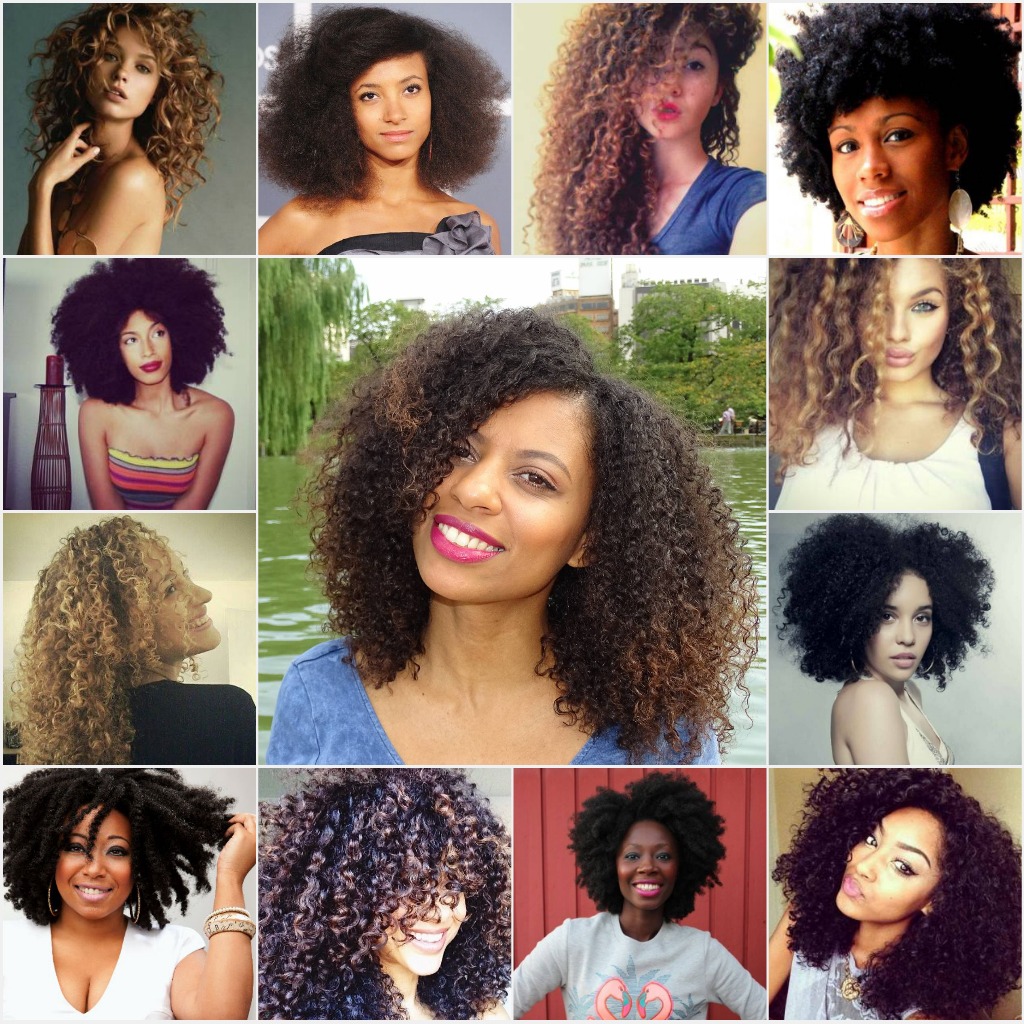
Curly or Coily Hair
Curly hair struggles the most to distribute oil evenly because the spiral shape slows oil movement from root to ends.
For this reason, curly and coily hair often thrives with washing once or twice per week.
In these hair types, preserving moisture is usually more important than frequent cleansing.
Signs You Might Be Washing Too Often
Many people don’t realize their washing routine may be working against them.
A few subtle signs often appear when hair is cleansed too frequently.
Hair might feel dry shortly after washing but become oily again quickly. This is a classic indicator that the scalp is overproducing oil to compensate for frequent stripping.
Other signs include:
Persistent frizz
Dull appearance
Increased breakage
Itchy or sensitive scalp
Hair that feels “squeaky” after shampooing
While squeaky-clean hair might feel satisfying, it can actually signal that too much oil has been removed.
Healthy hair should feel clean but still slightly conditioned and flexible.
The Science of the Modern Hair-Washing Routine



4
The modern approach to hair care focuses on balance rather than strict rules.
Instead of obsessing over a specific number of washes per week, experts recommend creating a routine that responds to your hair’s needs.
A healthy washing routine usually includes three elements:
Gentle Cleansing
Use a shampoo designed for your scalp type rather than just your hair texture.
For example:
Hydrating shampoos for dry scalps
Balancing shampoos for oily scalps
Sulfate-free formulas for sensitive skin
Conditioning
Conditioner helps restore moisture and smooth the cuticle layer after cleansing.
It should primarily be applied to the mid-lengths and ends, where hair is oldest and most vulnerable.
Occasional Clarifying
Even people who wash less frequently need periodic deeper cleansing.
A clarifying shampoo once every 2–4 weeks can remove buildup from styling products, pollution, and minerals in hard water.
This helps reset the scalp without overwashing daily.
How Lifestyle Factors Affect Washing Frequency
Your ideal routine isn’t determined only by hair type.
Lifestyle also plays an important role.
Exercise
Frequent workouts can cause sweat buildup on the scalp. However, sweating does not always require a full shampoo.
Many people refresh hair by:
Rinsing with water
Using lightweight conditioner
Applying dry shampoo
Climate
Humidity and heat can increase oil production. In tropical climates, hair may feel greasy faster than in cooler environments.
Product Use
Heavy styling products such as gels, waxes, and sprays can accumulate on the scalp, making occasional washing more necessary.
The Rise of Scalp-Centered Haircare
In recent years, the beauty industry has shifted toward scalp-first haircare, recognizing that healthy hair begins with a balanced scalp environment.
This trend includes products like:
Scalp exfoliating treatments
Microbiome-friendly shampoos
Hydrating scalp serums
Lightweight scalp oils
Instead of simply removing oil, these products aim to support the scalp’s natural ecosystem.
The result is hair that grows stronger, shinier, and more resilient over time.
Finding Your Ideal Hair-Washing Schedule
There is no universal rule for how often hair should be washed. The ideal routine evolves with your lifestyle, climate, hair texture, and scalp health.
However, many hair specialists recommend starting with a simple guideline:
Fine hair: every 1–2 days
Medium hair: every 2–3 days
Curly hair: every 3–5 days
Coily hair: once weekly or less
From there, the routine can be adjusted based on how your scalp and hair respond.
The goal is not to stretch washes as long as possible, nor to wash constantly. Instead, the goal is balance.
When the scalp is healthy and oils are properly regulated, hair naturally becomes easier to manage, style, and maintain.
The Bottom Line
Washing your hair too often isn’t necessarily harmful, but it can disrupt the natural balance your scalp needs to keep hair healthy.
Overwashing can strip essential oils, increase dryness, and even cause the scalp to produce more oil in response. At the same time, washing too infrequently can lead to buildup and scalp discomfort.
The healthiest approach lies in understanding your hair type, adjusting your routine to your lifestyle, and choosing gentle products that support the scalp rather than strip it.
Beautiful hair isn’t about rigid rules. It’s about learning how your scalp and hair behave—and building a routine that works with your biology instead of against it.
When that balance is achieved, hair tends to look exactly how everyone wants it to: naturally healthy, soft, and effortlessly radiant.
