Pet Grooming Habits That Keep Your Home Cleaner


4
Pet Grooming Habits That Keep Your Home Cleaner
The Overlooked Secret to a Cleaner Home: Pet Grooming
Living with pets brings undeniable joy—loyal companionship, emotional comfort, and moments of playful chaos that make a house feel alive. Yet alongside that joy comes a familiar challenge for many pet owners: keeping the home clean.
Loose fur on the sofa. Paw prints across freshly mopped floors. A faint pet odor lingering in the hallway.
Many people assume the solution lies in constant vacuuming or stronger cleaning products. In reality, the most effective strategy begins not with cleaning the house—but with grooming the pet.
Consistent grooming habits significantly reduce the amount of hair, dirt, dander, and bacteria that pets carry into living spaces. A well-groomed pet sheds less, smells fresher, and tracks far less debris indoors.
The result? A home that stays cleaner naturally, with far less effort.
In modern pet care, grooming is no longer seen as occasional maintenance—it is now recognized as an essential part of a healthy home environment. When approached thoughtfully, grooming routines become simple lifestyle habits that benefit both pets and their owners.
Why Grooming Directly Affects Household Cleanliness
Before exploring specific habits, it's helpful to understand why grooming plays such a critical role in maintaining a tidy home.
Pets naturally collect environmental debris during their daily activities. Outdoor walks expose them to dust, pollen, mud, and bacteria. Even indoor pets accumulate loose fur, skin cells, and natural oils.
Without regular grooming, these elements transfer directly onto:
Furniture
Carpets
Bedding
Clothing
Air circulation systems
Over time, the buildup contributes to odors, allergies, and persistent cleaning challenges.
Regular grooming interrupts this cycle.
When fur is brushed, loose hair is removed before it spreads throughout the home. Bathing eliminates trapped dirt and oils. Nail trimming reduces scratches and floor damage. Paw cleaning prevents mud and bacteria from entering living spaces.
These small habits work together to dramatically reduce the mess pets bring indoors.
The Daily Brushing Habit That Changes Everything


4
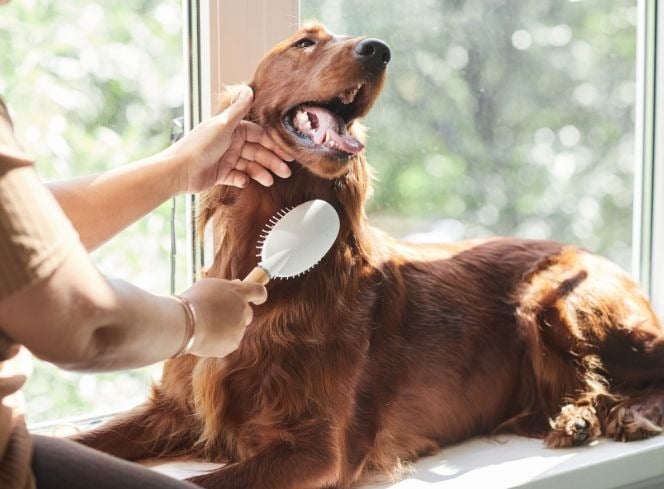
Among all grooming practices, daily brushing has the greatest impact on home cleanliness.
Loose fur is the primary cause of household mess associated with pets. When brushing becomes part of a daily routine, that fur never reaches carpets or furniture.
Instead, it stays contained in the brush.
Brushing also distributes natural oils throughout the coat, which keeps fur healthier and reduces excessive shedding over time.
Even pets with shorter coats benefit from brushing. While they may shed less visibly than long-haired breeds, short hairs often embed themselves into fabric and upholstery where they are harder to remove.
A simple five-minute brushing session each day can prevent hours of cleaning later.
Many pet owners find that incorporating brushing into existing routines works best. For example:
After the morning walk
During evening relaxation time
Before bedtime
The key is consistency rather than duration.
Paw Cleaning: The Small Habit That Protects Your Floors
Pets explore the world through their paws, which means they inevitably collect dirt and bacteria along the way.
Without attention, those particles quickly travel across floors, rugs, and even furniture.
One of the most effective habits for maintaining a clean home is cleaning paws immediately after outdoor activities.
This does not require elaborate grooming equipment. A simple setup near the entrance can transform cleanliness levels dramatically.
Many pet owners create a small "paw station" near the door that includes:
A soft towel
Gentle pet wipes
A small bowl of water
A washable mat
After every walk, paws are wiped before the pet moves further into the home.
The process takes less than a minute but prevents a surprising amount of dirt from spreading indoors.
During rainy seasons or muddy conditions, this single habit can mean the difference between spotless floors and constant cleaning.
Bathing Without Overdoing It


4
Bathing plays an essential role in controlling odors and removing deep-set dirt from a pet's coat.
However, balance is crucial.
Bathing too frequently can strip natural oils from the skin, leading to dryness, irritation, and even increased shedding. Most veterinarians recommend bathing dogs every four to six weeks, though this may vary depending on breed and lifestyle.
Active dogs that spend time outdoors may require more frequent baths, while indoor pets may need fewer.
Cats, on the other hand, groom themselves regularly and rarely require bathing unless they become particularly dirty.
When bathing pets, gentle shampoos designed specifically for animals should always be used. Human shampoos often disrupt the natural pH balance of pet skin.
A properly bathed pet contributes to a cleaner home by reducing both odor and oil buildup on furniture and fabrics.
Nail Care That Protects Floors and Furniture
Many people think of nail trimming as a cosmetic practice, but it also plays an important role in maintaining the condition of a home.
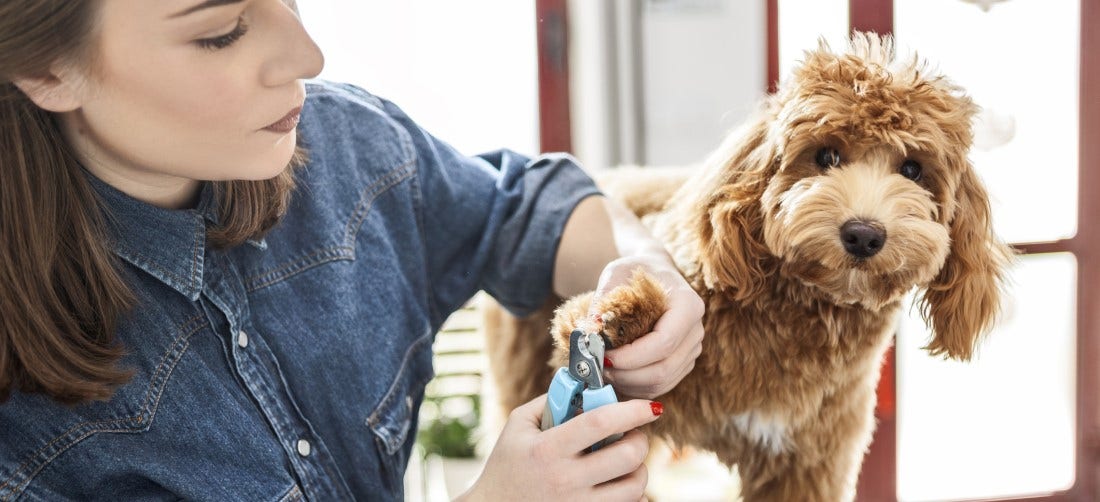
Overgrown nails can scratch hardwood floors, tear upholstery, and leave marks on walls or doors.
Regular trimming prevents this damage while also improving the pet’s comfort and mobility.
For most pets, nail trimming every three to four weeks is sufficient.
If trimming nails at home feels intimidating, professional groomers or veterinarians can assist until owners become comfortable with the process.
Over time, pets also become more relaxed about nail care when it becomes part of a calm, predictable routine.
Managing Shedding Before It Reaches Your Furniture
Shedding varies dramatically across breeds and seasons. Many animals shed heavily during seasonal coat changes in spring and autumn.
During these periods, grooming routines should be slightly intensified.
Specialized de-shedding tools can remove large amounts of loose fur before it spreads throughout the home. These tools are particularly effective for breeds with thick undercoats.
Another helpful habit is grooming pets outdoors whenever possible. Brushing on a balcony, patio, or yard prevents hair from circulating inside the home.
Even in apartments, grooming near an open window or using a small grooming mat can significantly reduce airborne fur.
By capturing shedding early, homeowners avoid the constant battle with vacuum cleaners.
Grooming as a Bonding Experience
Beyond cleanliness, grooming provides valuable bonding opportunities between pets and their owners.
Animals respond strongly to touch, and gentle grooming sessions often become moments of relaxation and trust.
Many pets begin to look forward to grooming routines once they associate them with calm attention and care.
This emotional aspect makes grooming easier to maintain consistently. Rather than viewing it as a chore, pet owners often begin to see grooming as shared downtime with their animals.
These quiet routines can strengthen the emotional connection between pet and owner while simultaneously improving the living environment.
Creating a Grooming Routine That Actually Sticks
Consistency is the foundation of effective grooming habits.
Rather than attempting elaborate grooming sessions once a month, small daily practices produce far better results.
A simple weekly structure may look like this:
Daily
• Quick brushing
• Paw cleaning after walks
Weekly
• Ear inspection
• Light coat check for tangles or debris
Monthly
• Bathing
• Nail trimming
• Deep brushing or de-shedding
This structure spreads grooming tasks across manageable intervals, preventing them from becoming overwhelming.
Over time, these habits become second nature.
The Surprising Air Quality Benefits of Grooming
One often overlooked advantage of grooming is its impact on indoor air quality.
Pet dander—tiny particles of skin shed by animals—can circulate through the air and trigger allergies in sensitive individuals.
Regular brushing and bathing significantly reduce dander buildup before it becomes airborne.
Cleaner coats mean fewer particles entering ventilation systems and settling on surfaces.
For households with allergy sufferers, consistent grooming can make living with pets far more comfortable.
Air purifiers and regular vacuuming help as well, but grooming addresses the problem at its source.
A Cleaner Home Begins With a Healthier Pet
Ultimately, grooming habits benefit pets just as much as their homes.
Healthy coats, trimmed nails, clean ears, and fresh skin contribute to overall animal wellbeing.
Regular grooming also allows owners to notice potential health concerns early—such as skin irritations, ticks, or unusual lumps.
This proactive attention often leads to faster veterinary care when needed.
In other words, grooming supports both cleanliness and preventative health care.
The Modern Mindset of Pet Ownership
Today's pet owners increasingly see their animals as full members of the household. With that shift comes a more thoughtful approach to daily care routines.
Grooming is no longer viewed as an occasional luxury performed at a grooming salon. Instead, it has become part of a holistic lifestyle that values both pet health and living environment.
Simple habits—brushing, paw cleaning, nail trimming—create homes that feel calmer, fresher, and easier to maintain.
And when these routines are performed regularly, they require surprisingly little effort.
A cleaner home doesn't come from working harder to remove pet mess.
It comes from preventing the mess in the first place.
That prevention begins with grooming.
