The Rise of “Skin Ecosystems”: Combining Devices + Apps + Products
The Rise of “Skin Ecosystems”: Combining Devices + Apps + Products
Beauty technology is no longer just about a single gadget promising better skin. The next evolution of skincare is something far more integrated: the skin ecosystem.
Across the beauty industry, brands are beginning to connect devices, apps, and skincare products into unified systems that work together to analyze skin, recommend routines, and track long-term progress. Instead of guessing which serum to buy or when to adjust your routine, consumers are increasingly relying on data-driven skincare environments that adapt over time.
This shift marks a major transformation in how skincare works. Rather than isolated products, the future is about connected platforms that treat the skin like a living system — continuously measured, supported, and optimized.
In many ways, skincare is entering the same technological phase that fitness experienced when wearable trackers and health apps created complete wellness ecosystems.
Now, beauty is following that same path.
✨
What Exactly Is a “Skin Ecosystem”?
A skin ecosystem is a connected skincare environment where multiple technologies and products work together through a central digital platform.
Instead of relying on static routines or trial-and-error product testing, these ecosystems create dynamic skincare systems built around real data.
Typically, a skin ecosystem includes three core components:
Smart diagnostic devices
AI-powered skincare apps
Products tailored to the user’s skin data
Together, they form a loop of measurement, recommendation, and improvement.
Users scan their skin, receive insights from an app, and use recommended products designed to target specific concerns. Over time, the system collects more data and refines the routine automatically.
This continuous feedback cycle is what makes the concept so powerful.
It transforms skincare from a static routine into something adaptive and responsive.
🧬
Why Skin Ecosystems Are Emerging Now
Several major trends have converged to make skin ecosystems possible.
First, AI-powered skin analysis has improved dramatically. Smartphone cameras combined with machine learning can now evaluate skin conditions such as hydration levels, pigmentation patterns, pore visibility, and fine lines with surprising accuracy.
Second, the popularity of at-home beauty devices has exploded. Consumers are increasingly comfortable using LED masks, microcurrent tools, cleansing devices, and skin scanners in their own routines.
Finally, consumers want personalization that actually works.
For years, brands used personalization mostly as a marketing tool — quizzes that recommended generic product bundles. But modern consumers expect something more sophisticated.
They want systems that learn from their skin and adjust routines based on real results.
Skin ecosystems promise exactly that.
💡
The Three Layers of Modern Skin Ecosystems
To understand how these systems work, it helps to break them into their three functional layers.
1. Smart Skin Diagnostic Devices
The first layer of the ecosystem is the measurement device.
These tools collect skin data and translate it into insights the app can understand.


4
These devices typically measure several skin indicators:
Hydration levels
Skin texture
Wrinkle depth
Pigmentation distribution
Pore size
Oil production
Some systems also monitor environmental conditions such as humidity or UV exposure.
The goal is simple: turn invisible skin changes into measurable data.
When consumers can actually see hydration percentages or redness scores, skincare becomes much easier to understand.
This level of transparency also increases trust in product recommendations.
🔬
2. AI Skincare Apps
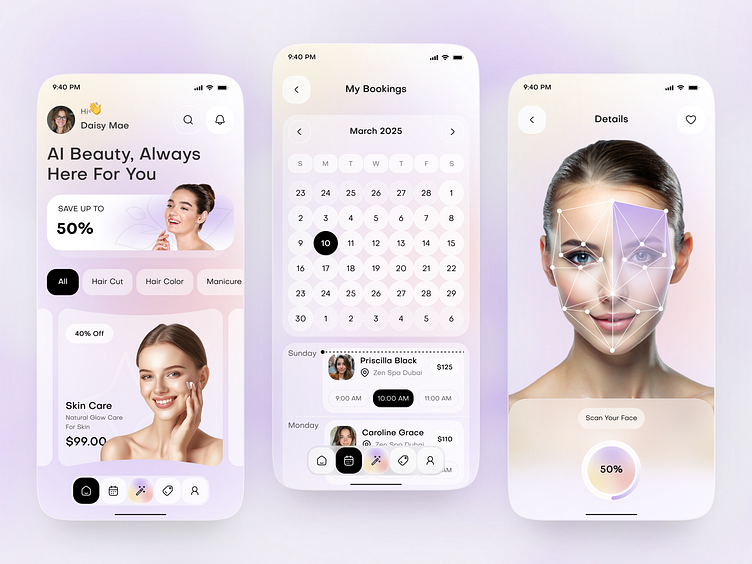
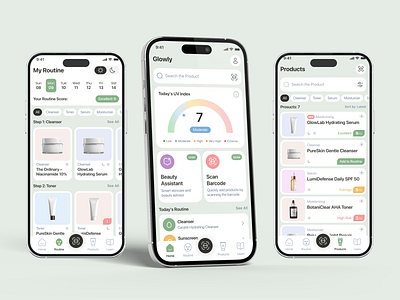
Once the device collects skin data, the information flows into a mobile application that acts as the control center of the ecosystem.

4
These apps typically perform several important functions.
First, they analyze the data collected from the device and convert it into insights the user can understand.
Second, they recommend routines and products designed to address current skin conditions.
Third, they track progress over time.
For example, an app may detect that hydration levels are improving but pigmentation is worsening. The system might then suggest adjusting actives or adding barrier-supporting ingredients.
Over time, the system essentially becomes a digital skincare coach.
Instead of relying on memory or subjective impressions, users can track real improvements across weeks or months.
📱
3. Personalized Skincare Products
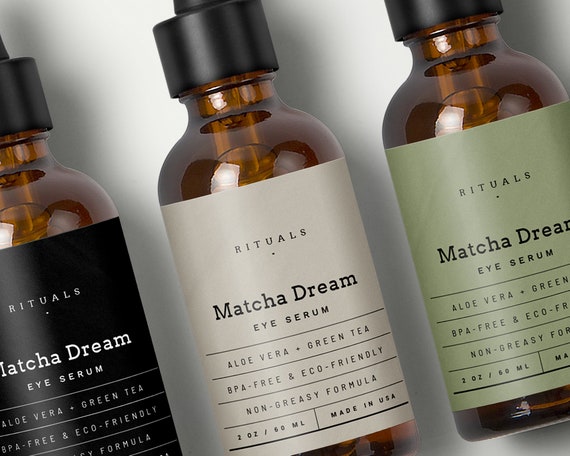
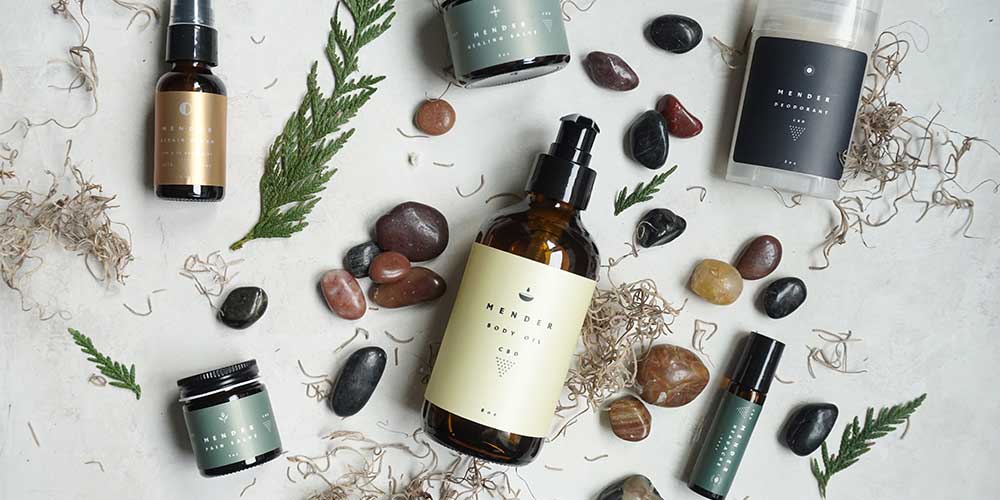
The final layer of the ecosystem is the product system itself.

4
Many skin ecosystems include products that are designed to work specifically with the system.
These may include:
• Custom-blended serums
• Modular cartridge-based skincare systems
• Smart dispensers that adjust dosage
• Subscription formulas updated based on skin data
Some brands even offer dynamic formulas that evolve over time.
For instance, if the app detects improving barrier health, it might gradually increase the concentration of active ingredients such as retinoids or peptides.
The goal is to deliver exactly what the skin needs at the right moment.
This makes routines far more efficient and often reduces the trial-and-error that frustrates many skincare users.
💎
How Skin Ecosystems Are Changing Consumer Behavior
The emergence of skin ecosystems is beginning to reshape how consumers approach skincare.
In the past, routines were largely based on product discovery and experimentation. People would test new serums, moisturizers, or masks hoping to find something that worked.
But skin ecosystems shift the focus toward data-guided decisions.
Consumers begin to see skincare less as shopping and more as ongoing skin management.
This shift encourages several behavioral changes.
First, people become more consistent with routines because they can track improvements.
Second, they become more selective with products, relying on system recommendations instead of impulse purchases.
Third, they start thinking about skin health in long-term patterns rather than quick fixes.
In many ways, skincare becomes closer to preventative care than cosmetic experimentation.
🌿
The Benefits of Skin Ecosystems
While still evolving, these systems offer several clear advantages.
Personalized Precision
Because routines are built from measured data, recommendations can be significantly more targeted than generic skincare advice.
Consumers can focus on the specific issues their skin is experiencing, rather than guessing.
Routine Optimization
Apps can detect when products are not delivering expected improvements and suggest adjustments.
This helps users avoid ineffective routines that waste time and money.
Long-Term Skin Tracking
One of the most valuable features of these systems is historical data.
Users can see how their skin changes across:
seasons
stress levels
travel
hormonal cycles
product changes
Over time, this creates a powerful understanding of what truly affects their skin.
Increased Skincare Confidence
Perhaps most importantly, skin ecosystems help consumers feel more confident about their routines.
Instead of constantly questioning whether products are working, they can rely on measurable results.
🔍
The Challenges and Limitations
Despite the excitement around skin ecosystems, they are not without challenges.
One concern is data accuracy.
While AI analysis has improved significantly, smartphone cameras and home devices still cannot match the diagnostic precision of professional dermatology equipment.
Another issue is over-optimization.
Some consumers may become overly focused on metrics instead of overall skin health. Skincare should remain flexible and responsive rather than rigidly controlled by numbers.
Cost is also a barrier.
Many skin ecosystem systems require:
devices
subscription products
app memberships
This can make them expensive compared to traditional routines.
Still, as technology improves and scales, prices are likely to decrease.
🌍
The Future of Skin Ecosystems
Looking ahead, the skin ecosystem model is likely to become much more sophisticated.
Several emerging technologies are already shaping the next generation of systems.
Continuous Skin Monitoring
Future devices may allow passive skin monitoring throughout the day, similar to how fitness trackers monitor heart rate and activity.
Environmental Integration
Apps may combine skin data with environmental factors such as:
pollution levels
UV exposure
climate changes
This would allow routines to adjust automatically based on external conditions.
Ingredient-Level Personalization
Some brands are experimenting with on-demand formula creation, where skincare products are blended in real time using cartridges containing active ingredients.
This could lead to routines that evolve continuously.
Dermatology Integration
Eventually, skin ecosystems may connect directly with dermatologists, allowing professionals to analyze user data remotely and refine treatment plans.
This could blur the line between consumer skincare and medical skin care.
🧬
Why the Concept Matters for the Beauty Industry
For beauty brands, skin ecosystems represent more than a technology trend.
They signal a fundamental shift in the business model of skincare.
Instead of selling standalone products, brands are beginning to build platform-based skincare systems.
These ecosystems create deeper relationships with consumers because the experience is ongoing rather than transactional.
Consumers return not just for products but for the entire system that manages their skin.
Brands that successfully build these ecosystems may gain powerful advantages:
stronger brand loyalty
deeper consumer data insights
more personalized product development
recurring revenue models
In other words, skin ecosystems could become the operating system of the future beauty industry.
✨
Final Thoughts
Skincare is evolving from a collection of creams and serums into something far more sophisticated.
The rise of skin ecosystems combining devices, apps, and personalized products marks a new chapter in beauty — one defined by data, personalization, and continuous feedback.
For consumers, this means routines that are smarter, more adaptive, and more tailored to their unique skin needs.
For the beauty industry, it represents a shift toward technology-powered skincare platforms that redefine how products are discovered, used, and improved.
While still in its early stages, the skin ecosystem movement suggests that the future of skincare may look less like a bathroom shelf and more like a connected digital health system for the skin.
And for many beauty enthusiasts, that future is already beginning.
💡
