Makeup Storage 2026: How to Keep Products Fresh Longer
Makeup Storage 2026: How to Keep Products Fresh Longer
In the evolving world of beauty, product formulas are becoming more sophisticated than ever. From skincare-infused foundations to probiotic serums and clean cosmetics, modern makeup is packed with active ingredients designed to perform—and expire.
Yet while consumers invest heavily in high-quality beauty products, one critical step is often overlooked: how those products are stored.
In 2026, proper makeup storage has become part of the broader beauty conversation, sitting alongside skincare routines, ingredient awareness, and hygiene. With climate changes, warmer environments, and delicate ingredient formulations, storing makeup correctly isn’t just about organization—it’s about preserving performance, protecting skin health, and extending product life.
Whether you're a beauty enthusiast, professional makeup artist, or someone building a refined daily routine, understanding how to store makeup properly can dramatically improve your results.
Let’s explore how to keep your beauty products fresh, safe, and effective for as long as possible.
Why Makeup Storage Matters More in 2026
The beauty industry is shifting toward cleaner, more active formulas. Many products now contain:
skincare-grade actives
botanical extracts
probiotics and peptides
minimal preservatives
While this evolution benefits the skin, it also means products are more sensitive to environmental conditions.
Heat, light, humidity, and bacteria can all accelerate product breakdown. When makeup deteriorates, it can lead to:
reduced performance
changes in texture
color shifts
skin irritation or breakouts
Proper storage helps maintain formula stability and hygiene, allowing you to enjoy products exactly as they were intended.
According to modern beauty hygiene guidelines, storage habits are just as important as product ingredients.
SEO-optimized blog posts (1)
The Biggest Enemies of Makeup Freshness
Before discussing storage solutions, it’s important to understand what causes makeup to degrade.
Heat
High temperatures break down oils, waxes, and active ingredients.
Lipsticks may soften, foundations may separate, and skincare-infused products may lose effectiveness.
Humidity
Bathrooms are often the worst place for makeup storage because steam and moisture create ideal conditions for bacterial growth.
Sunlight
UV exposure accelerates oxidation, particularly in products containing:
vitamin C
natural oils
pigments
Air Exposure
Every time a jar is opened, oxygen enters the formula. Over time, this causes oxidation and texture changes.
Bacteria
Brushes, fingers, and sponges introduce microbes that shorten a product’s lifespan.
Understanding these factors helps guide smarter storage choices.
Ideal Places to Store Makeup at Home


4
The best makeup storage locations combine cool temperatures, dry air, and minimal light exposure.
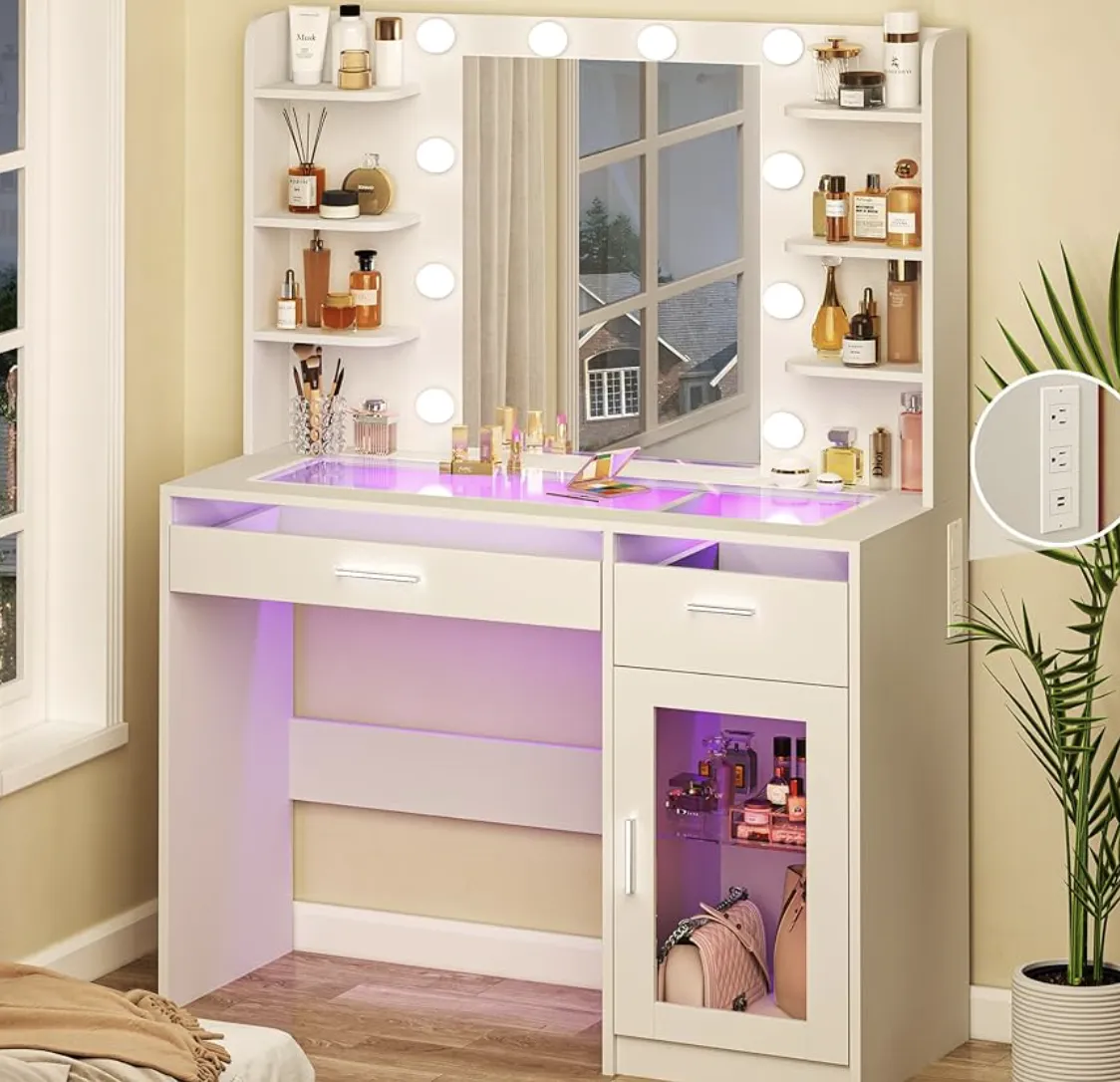
Bedroom Vanity or Drawer
A bedroom vanity or dresser drawer is often the best option because it provides:
stable temperature
less humidity than bathrooms
controlled lighting
Drawer organizers or acrylic trays help keep products upright and separated.
Dedicated Beauty Cabinet
Some beauty enthusiasts now maintain a separate cabinet specifically for cosmetics and skincare.
This reduces exposure to steam and fluctuating temperatures.
Refrigerator (Selective Use)
Certain products benefit from refrigeration, including:
vitamin C serums
liquid eyeliners
natural skincare formulas
depuffing eye products
However, not all makeup should be refrigerated. Powders and wax-based products perform best at room temperature.
Makeup Storage by Product Type
Different cosmetics require slightly different storage strategies.
Understanding these differences helps extend their lifespan.
Foundation and Liquid Complexion Products


4
Liquid formulas are particularly sensitive to heat and bacteria.
Best practices include:
Store upright to prevent leakage and separation
Keep lids tightly sealed
Avoid direct sunlight
Shake occasionally to maintain consistency
Most liquid foundations last 6–12 months after opening.
If the smell changes or the formula separates permanently, it’s time to replace it.
Powder Products (Blush, Bronzer, Setting Powder)
Powders are more stable but still vulnerable to contamination.
To protect powder products:
Store them in dry environments
Avoid humid bathrooms
Clean powder surfaces occasionally with alcohol spray
Keep compacts closed tightly
Powders typically last 12–24 months if kept clean.
Lipsticks and Lip Products


4
Lip products come into direct contact with the mouth, making hygiene especially important.
Storage tips include:
Keep lipsticks away from heat to prevent melting
Avoid storing in handbags for long periods
Clean lipstick surfaces occasionally with alcohol wipes
Lipsticks typically last 12–18 months.
If a lipstick develops a waxy smell or texture change, discard it.
Eye Products (Mascara, Eyeliner, Cream Shadows)
Eye products have the shortest shelf life because they are used near sensitive tissue.
Recommended storage habits include:
Keep mascara tubes tightly closed
Avoid pumping mascara wands (this pushes air inside)
Replace mascara every 3–6 months
Store cream shadows in cool conditions
Never share eye products, as this spreads bacteria easily.
The Rise of Smart Beauty Storage in 2026
The beauty industry is increasingly integrating technology into storage solutions.
Emerging innovations include:
Temperature-Controlled Makeup Fridges
Mini skincare fridges designed specifically for cosmetics help preserve delicate formulas.
Benefits include:
consistent cooling
ingredient stability
soothing application for eye products
UV-Sanitizing Storage Cases
Some organizers now include UV sanitation technology to kill bacteria on tools and products.
Smart Expiration Tracking
Apps and smart labels now allow users to track when products were opened, helping avoid expired makeup.
This shift reflects a broader beauty movement focused on product safety and longevity.
Organization Strategies That Protect Makeup
Good organization does more than make a vanity look beautiful—it also prevents contamination and product damage.
Effective systems include:
Category Separation
Store products by type:
complexion products together
eye products together
lip products together
This prevents unnecessary digging through containers, reducing air exposure.
Vertical Storage
Keeping products upright prevents leakage and maintains formula structure.
Brush Separation
Brushes should be stored separately from makeup to prevent powder transfer and bacteria contamination.
Makeup Storage Mistakes to Avoid
Even experienced beauty lovers often make storage mistakes without realizing it.
The most common ones include:
Storing Makeup in the Bathroom
The constant steam from showers creates a humid environment that encourages bacteria growth.
Leaving Products in Direct Sunlight
Vanity setups near windows may look beautiful but can cause formulas to oxidize quickly.
Overcrowded Makeup Bags
When products are tightly packed together, caps loosen, formulas leak, and bacteria spreads.
Ignoring Expiration Dates
Keeping makeup too long can lead to skin irritation and breakouts.
Signs Your Makeup Has Expired
Even well-stored products eventually degrade.
Watch for these warning signs:
unusual odor
color change
separated texture
irritation during use
mold or unusual film on product surface
When in doubt, replace the product. Skin health always comes first.
Travel Makeup Storage Tips
Travel can be particularly hard on beauty products.
Temperature fluctuations and movement can affect formulas.
To protect your makeup while traveling:
use padded cosmetic cases
store liquids in leak-proof bags
avoid leaving makeup in hot cars
carry essential products rather than full collections
Professional makeup artists often use hard-shell cosmetic cases for maximum protection.
The Minimalist Makeup Storage Trend
Another emerging trend in 2026 is beauty minimalism.
Instead of collecting dozens of products, consumers are focusing on smaller, curated collections.
Benefits include:
easier storage
longer product lifespan
less waste
better product awareness
Minimalist routines also encourage users to finish products before buying new ones, which improves both hygiene and sustainability.
Sustainable Makeup Storage
Eco-conscious beauty habits are expanding beyond product formulas.
Consumers are now choosing sustainable storage solutions, including:
bamboo organizers
recycled acrylic trays
refillable cosmetic containers
reusable travel bottles
Reducing clutter and extending product life also helps decrease beauty waste.
Sustainability is becoming a defining value in modern beauty routines.
The Future of Makeup Preservation
Looking ahead, the beauty industry will likely continue innovating in ways that help products stay fresh longer.
Future developments may include:
preservative-free packaging technology
airless cosmetic containers
antimicrobial makeup tools
smart vanity systems that monitor temperature and humidity
These innovations aim to ensure that beauty products remain safe, effective, and high-performing throughout their lifespan.
Final Thoughts
Great makeup doesn’t just come from high-end brands or advanced formulas—it also comes from how products are cared for after purchase.
In 2026, makeup storage has evolved into an essential part of the beauty routine. Protecting cosmetics from heat, humidity, and bacteria helps maintain product quality while protecting skin health.
By storing makeup thoughtfully, organizing collections intelligently, and paying attention to expiration dates, beauty lovers can extend product life and achieve better results from every application.
Ultimately, good makeup storage is a simple habit with powerful benefits: longer-lasting products, healthier skin, and a more refined beauty routine. ✨
