Stem Cell–Inspired Skincare: What’s Real and What’s Marketing?
Stem Cell–Inspired Skincare: What’s Real and What’s Marketing? 🧬

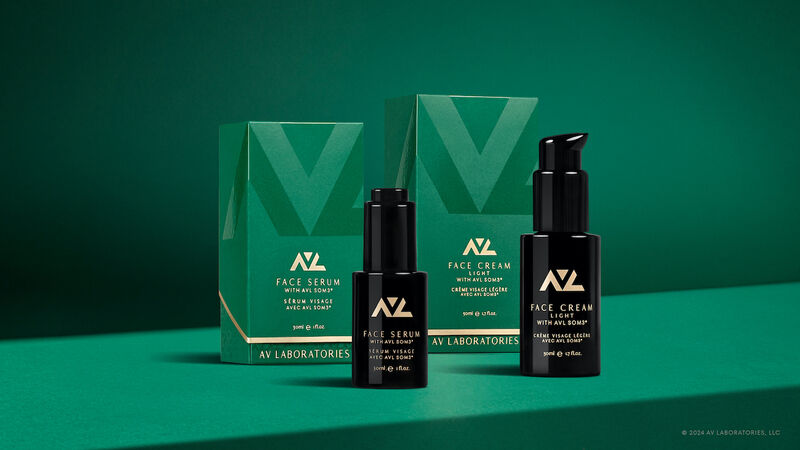
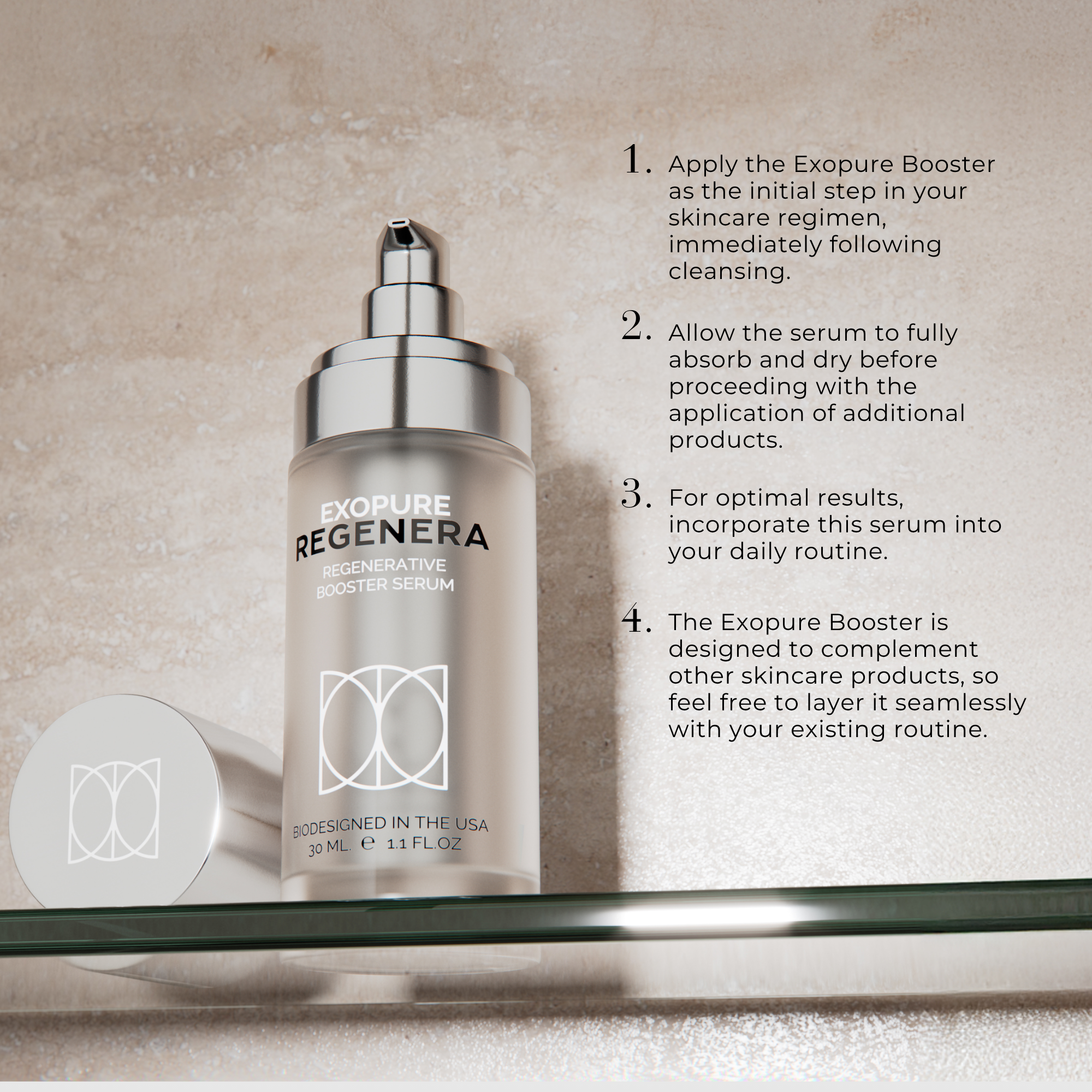
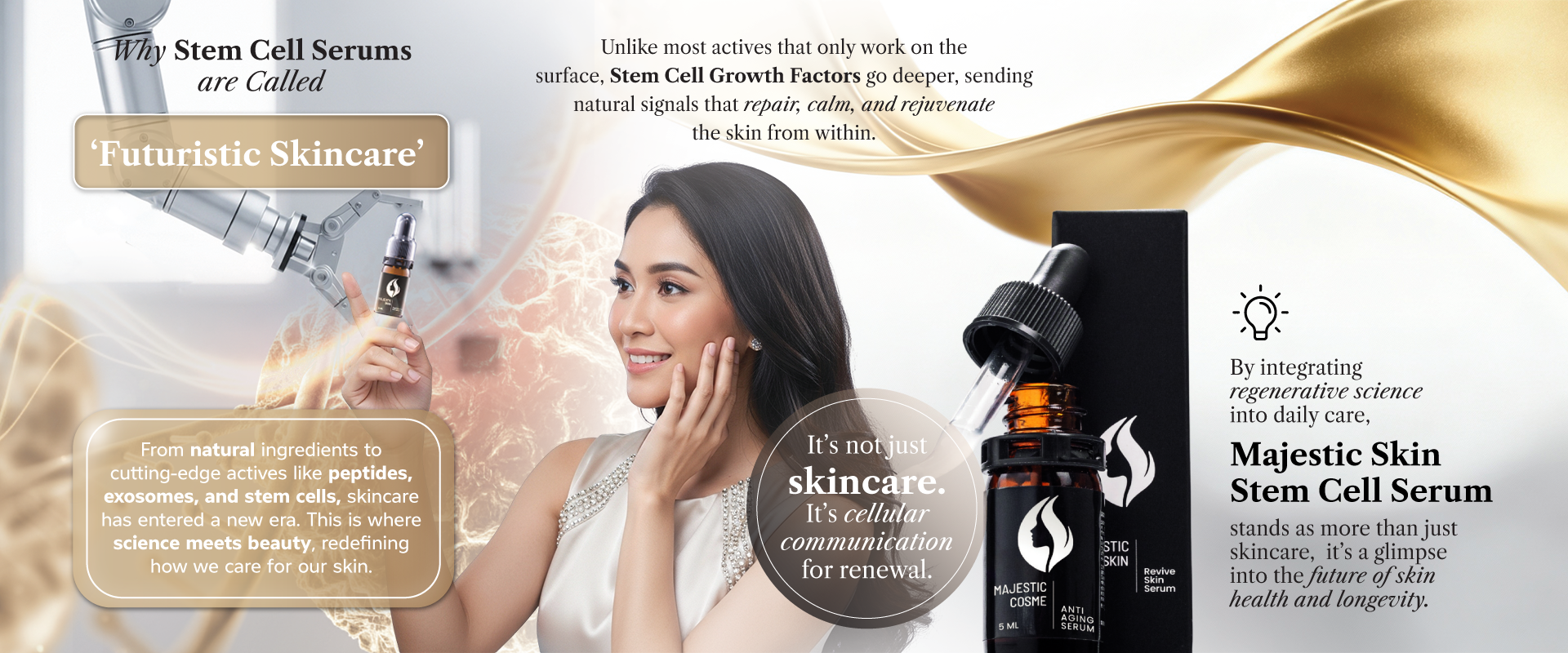
In the past decade, few beauty trends have sounded as futuristic—or as promising—as stem cell skincare. Advertisements often promise extraordinary benefits: skin regeneration, wrinkle reversal, cellular renewal, and even the ability to “re-activate your skin’s own stem cells.”
The language evokes cutting-edge biotechnology and regenerative medicine. It suggests that the same science used to heal damaged organs or regenerate tissues could now be applied to your daily skincare routine.
But how much of this narrative reflects real scientific potential, and how much belongs to the realm of cosmetic marketing storytelling?
Understanding the difference requires examining how stem cells actually work in biology, how they are used in medicine, and what cosmetic products truly contain. The truth, as is often the case in the beauty industry, lies somewhere between genuine scientific inspiration and clever branding.
What Stem Cells Actually Are 🔬


Stem cells are unique biological cells capable of self-renewal and differentiation. Unlike most cells in the body, which have specialized functions, stem cells can develop into multiple types of tissues depending on the signals they receive.
This remarkable ability makes them central to regenerative medicine, where scientists investigate how stem cells can repair damaged tissues, regenerate organs, or treat degenerative diseases. (pmc.ncbi.nlm.nih.gov)
In medical research, stem cells may be derived from several sources:
embryonic stem cells
adult stem cells found in tissues such as bone marrow
induced pluripotent stem cells created in laboratories
These cells can theoretically transform into various specialized cells, including skin, muscle, or nerve tissue. Because of this capability, stem cell therapies are being studied for wound healing, tissue repair, and anti-aging applications.
However, using actual human stem cells in consumer skincare products is generally impractical and restricted due to ethical, regulatory, and safety concerns. (blog.covalo.com)
This limitation is where cosmetic marketing begins to diverge from biological reality.
Why Most “Stem Cell Creams” Don’t Contain Real Stem Cells
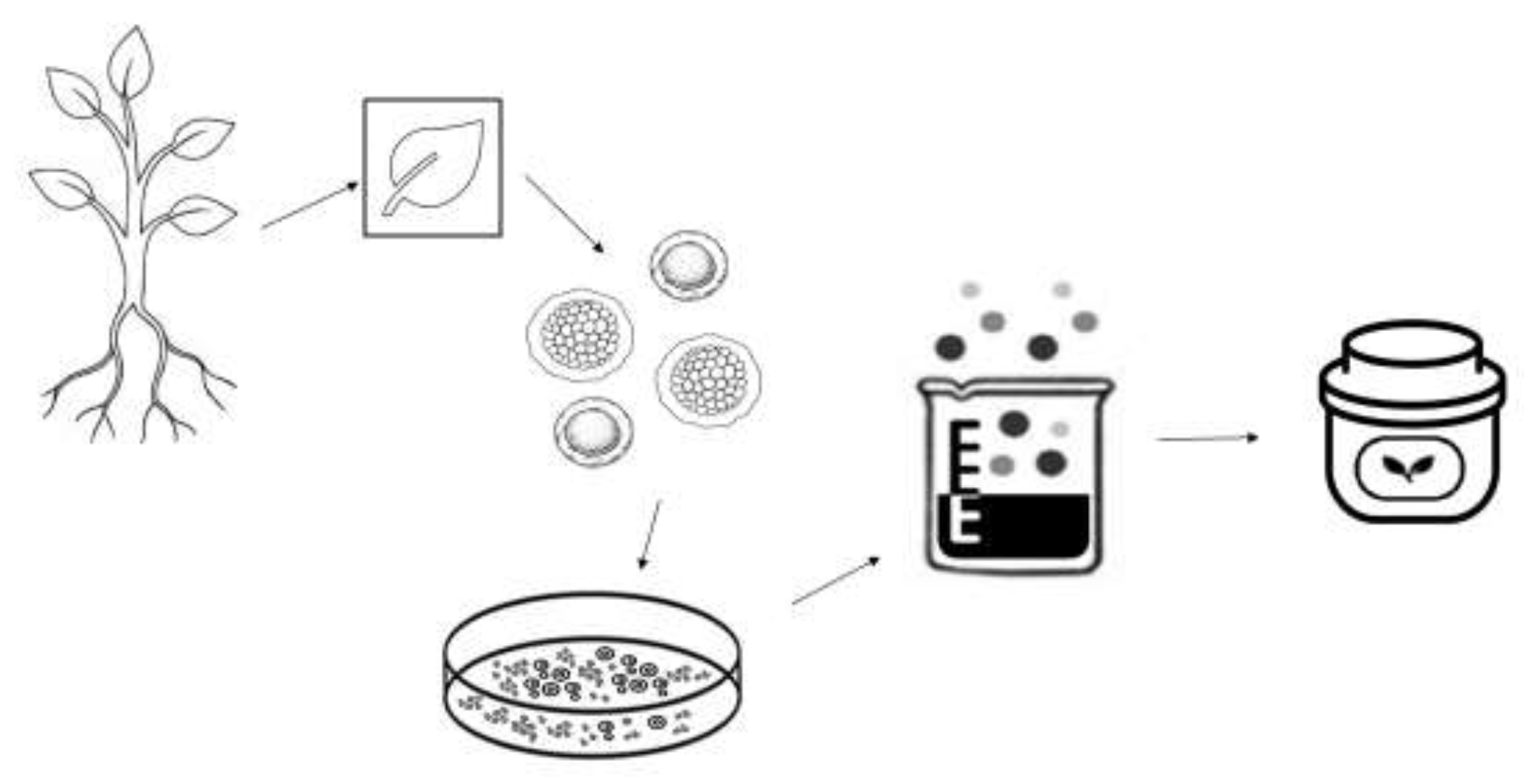
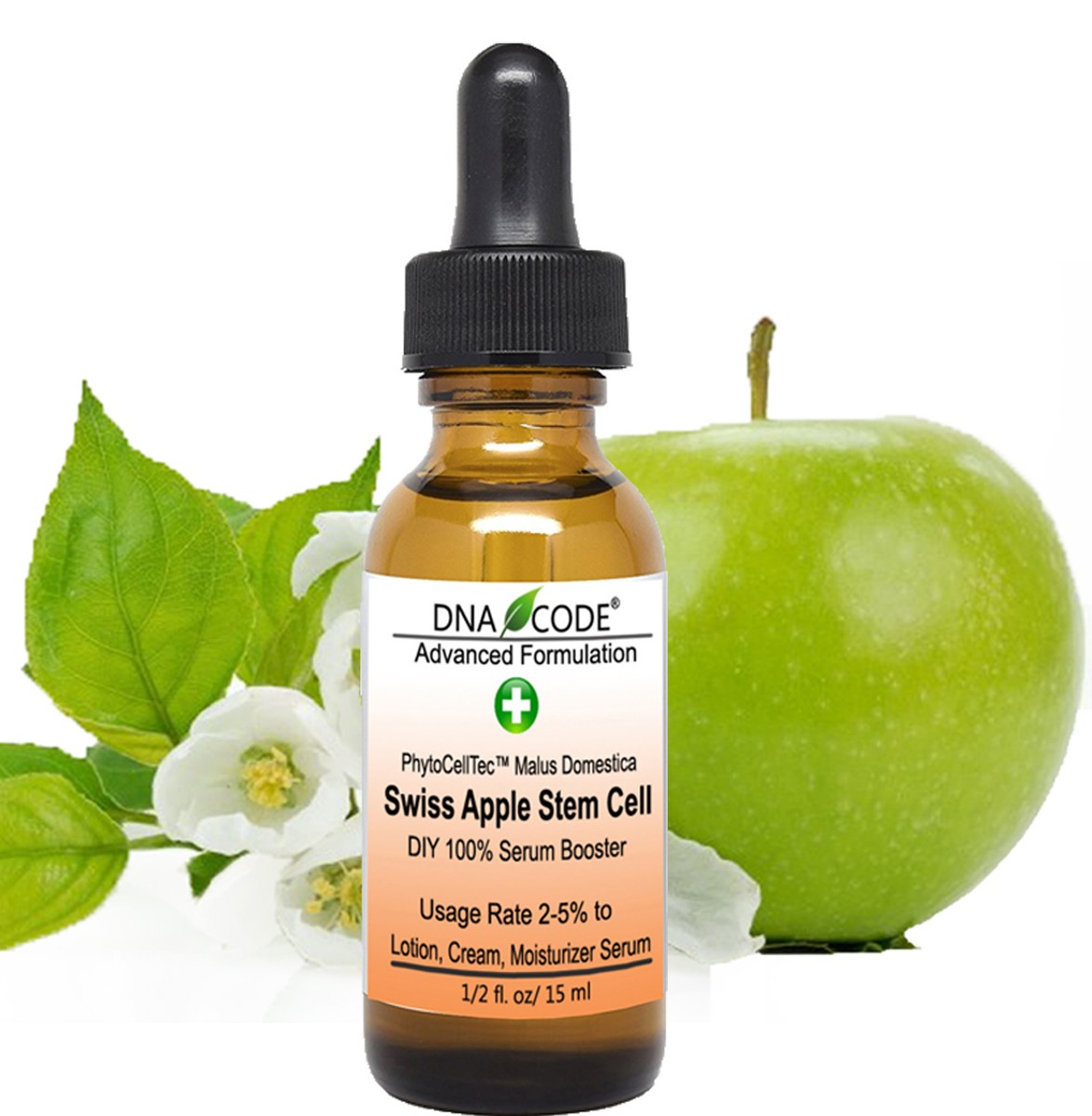
If you examine the ingredient lists of most stem-cell-branded products, you will rarely find actual stem cells. Instead, the majority contain plant stem cell extracts.
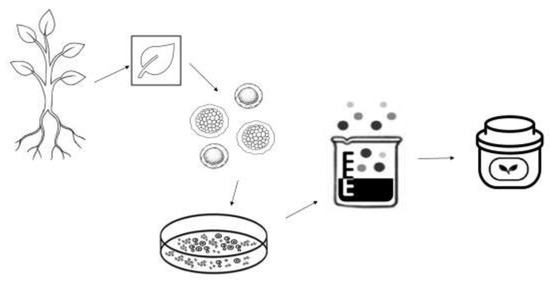
Plant stem cells are obtained from the growth regions of plants, known as meristematic tissues, where new cells are constantly generated. (halecosmeceuticals.com)
In cosmetic laboratories, scientists cultivate plant cells in controlled conditions and extract compounds from them. These extracts often contain high levels of:
antioxidants
polyphenols
protective plant metabolites
Because of these compounds, plant stem cell extracts can help protect skin from oxidative stress and environmental damage. (mdpi.com)
However, an important scientific clarification must be made:
Plant stem cells cannot become human skin cells.
They do not integrate into the skin or transform into human tissues. Instead, they function as antioxidant-rich botanical extracts that help support the skin’s protective mechanisms.
As cosmetic experts often point out, the benefits of these ingredients usually come from their antioxidant molecules rather than from the stem cells themselves. (Angeline Yong Dermatology)
The Real Benefits Behind the Marketing 💎
Despite the marketing exaggeration, stem-cell-inspired skincare is not entirely meaningless.
Many plant stem cell extracts are indeed rich in protective compounds that can benefit the skin.
Research shows that these extracts may help:
reduce oxidative stress in skin cells
protect against environmental damage
support collagen preservation
improve skin hydration and barrier function
In anti-aging formulations, plant stem cell ingredients are often derived from botanicals known for resilience, such as apples, grapes, or edelweiss. (Cosmoderma)
These plants are chosen because they produce strong antioxidant systems that protect them from environmental stress.
When applied topically, the extracts can help defend human skin from similar stressors such as pollution and UV exposure.
So while stem cell creams may not deliver literal cellular regeneration, they may still provide supportive skin protection.
Growth Factors, Exosomes, and the Next Generation of Regenerative Skincare 🧪

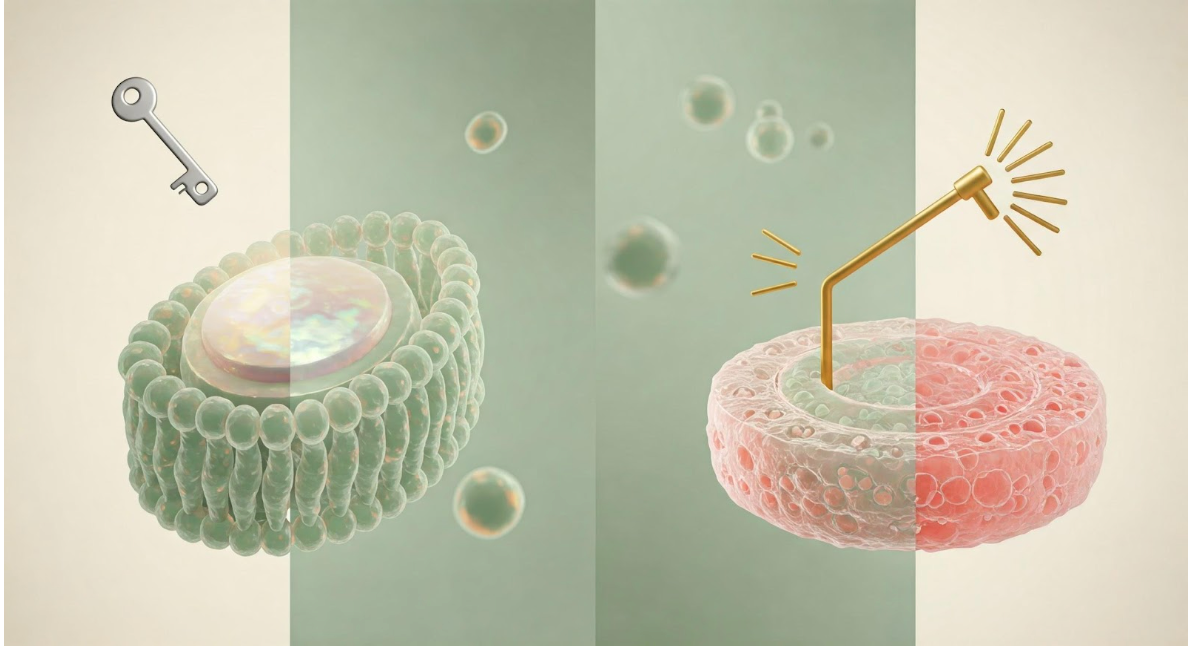
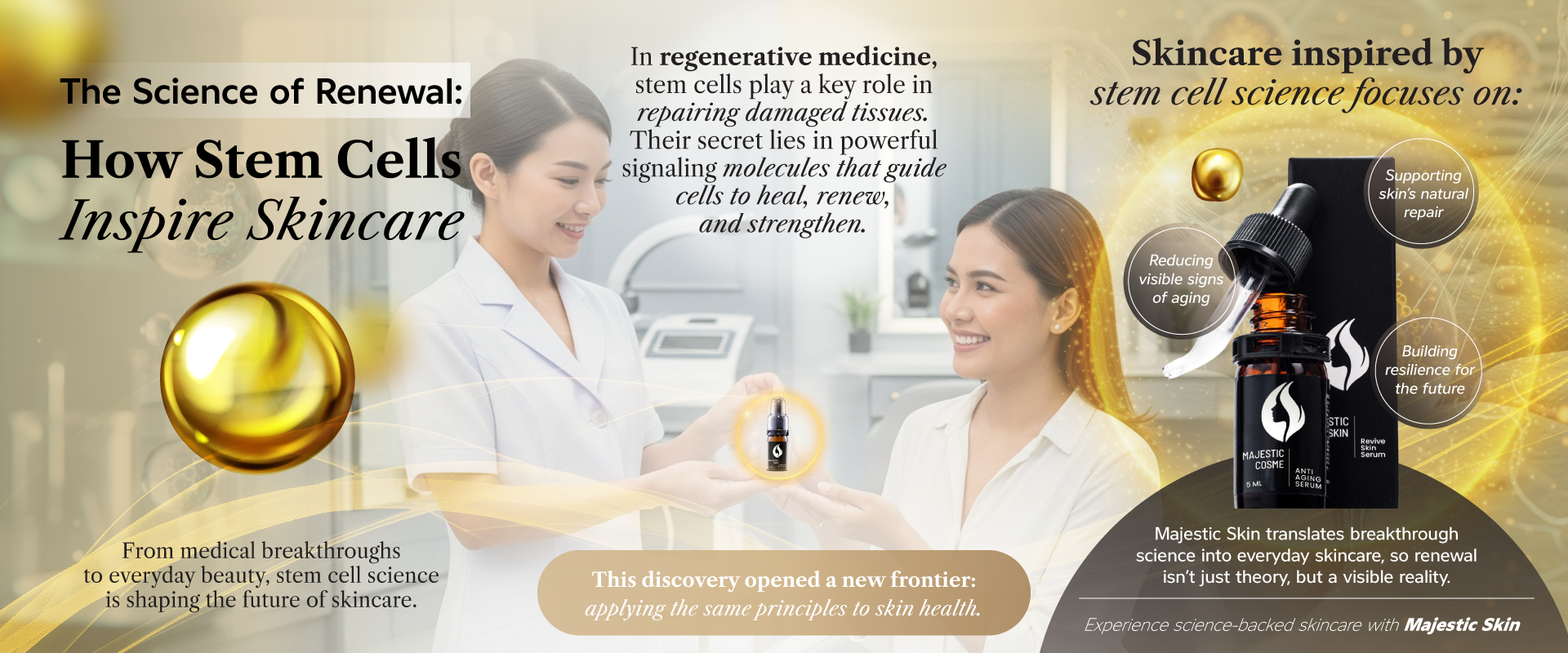

The evolution of stem-cell-inspired beauty is now moving beyond plant extracts toward cell-derived signaling molecules.
Researchers increasingly focus on substances such as:
growth factors
cytokines
peptides
exosomes
These molecules are involved in cellular communication, helping cells coordinate repair, regeneration, and tissue maintenance.
Exosomes, for example, are microscopic vesicles released by cells that carry proteins, lipids, and genetic signals to neighboring cells. (pmc.ncbi.nlm.nih.gov)
In regenerative medicine, they are studied for their ability to influence wound healing and tissue repair.
However, their use in cosmetic products remains controversial. Experts warn that many commercial products claiming to contain exosomes lack strong clinical evidence or regulatory oversight. (Allure)
In other words, while the science behind these molecules is promising, their application in everyday skincare is still developing.
Why Stem Cell Language Is So Popular in Beauty Marketing
The popularity of stem cell terminology in beauty marketing is not accidental.
From a branding perspective, the phrase “stem cell technology” communicates several powerful ideas at once:
cutting-edge science
regenerative potential
youth restoration
medical credibility
Because stem cells play such an important role in regenerative medicine, the concept naturally captures consumer imagination.
Cosmetic companies have capitalized on this fascination, launching product lines that claim to harness stem cell science—even when the ingredients involved are only loosely related to actual stem cells.
Industry analysts note that the cosmetic sector has widely capitalized on the excitement surrounding stem cell research to promote anti-aging products. (pmc.ncbi.nlm.nih.gov)
This doesn’t necessarily mean the products are ineffective. It simply means the marketing narrative often oversimplifies the science.
What Dermatologists Say About Stem Cell Skincare 💡
Dermatologists generally agree on several key points about stem cell–inspired skincare.
First, the most realistic benefits come from supporting skin health, not from creating new human cells.
Second, ingredients associated with stem cell technology—such as antioxidants, peptides, and growth factors—can indeed improve skin appearance when used in well-formulated products.
Third, truly regenerative treatments using stem cells belong primarily to medical procedures, such as regenerative dermatology or clinical therapies, rather than over-the-counter cosmetics.
In other words, stem cell creams may help protect the skin and slow visible aging, but they cannot replicate the complex biological processes studied in regenerative medicine.
The Future of Regenerative Beauty 🌍
The intersection of biotechnology and skincare continues to evolve rapidly.
Emerging technologies include:
precision biotechnology ingredients
lab-engineered growth factor complexes
exosome-inspired delivery systems
microbiome-targeted regenerative molecules
These developments reflect a broader shift toward biotech beauty, where scientific discoveries influence cosmetic innovation.
Rather than relying on exaggerated claims, the next generation of skincare will likely focus on molecular communication, skin repair pathways, and barrier biology.
The goal is not to replace skin cells, but to support the skin’s own natural regenerative processes.
The Bottom Line ✨
Stem cell skincare sits at the fascinating intersection of real science and creative marketing.
On one hand, the products sold today rarely contain living stem cells or deliver true cellular regeneration.
On the other hand, many of the ingredients inspired by stem cell research—plant extracts, antioxidants, growth factors, and peptides—can still provide meaningful benefits for skin health.
The key is understanding the distinction.
Stem cell skincare does not literally regenerate new skin tissue. But it does represent an evolving category of biotech-inspired beauty, where discoveries in regenerative medicine gradually influence cosmetic formulation.
As research progresses, the line between science and skincare innovation may become even more sophisticated.
For now, the smartest approach is to appreciate stem cell skincare for what it truly is: a scientific inspiration, not a miracle cure. ✨
