The Future of Beauty Shopping: AI Recommendations vs. Human Advice—How to Use Both
The Future of Beauty Shopping: AI Recommendations vs. Human Advice—How to Use Both


4
The beauty industry has always thrived on personal discovery. For decades, shoppers relied on beauty counters, glossy magazine recommendations, and word-of-mouth advice from trusted professionals. Today, however, a new advisor has entered the conversation: artificial intelligence.
From AI-powered skin analysis apps to personalized product recommendation engines, technology is reshaping how people choose skincare, makeup, and haircare. Beauty consumers are increasingly guided by algorithms that analyze skin conditions, ingredient compatibility, and even lifestyle patterns.
Yet the rise of AI does not mean human expertise is fading away. In fact, the most sophisticated beauty strategies now combine the analytical precision of artificial intelligence with the nuanced judgment of human professionals.
Understanding how these two forms of guidance complement each other may define the future of beauty shopping.
The Rise of AI in Beauty Retail
Artificial intelligence has quietly become one of the most influential forces in beauty commerce. What began as simple product filters on online stores has evolved into complex systems capable of analyzing skin tone, predicting ingredient reactions, and generating fully personalized routines.
Beauty technology platforms now collect information from multiple sources:
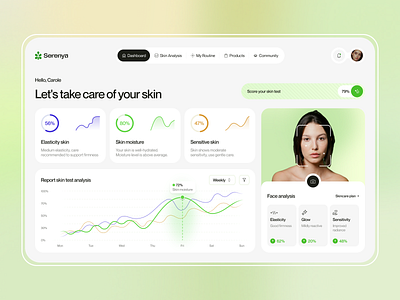
Skin scans from smartphone cameras
Lifestyle and environmental data
Previous product purchases
Ingredient sensitivity patterns
Customer feedback and reviews
With this information, AI systems can generate highly customized product suggestions.
For example, someone dealing with dehydration, sensitivity, and hyperpigmentation might receive an AI-generated routine tailored to address all three concerns simultaneously—something that once required hours of research or a professional consultation.
The efficiency of AI is one of its strongest advantages. In seconds, algorithms can compare thousands of products, ingredient lists, and user reviews.
For beauty consumers overwhelmed by choice, that level of guidance is incredibly valuable.
Why Consumers Are Trusting AI Beauty Advice

4
The appeal of AI in beauty shopping is rooted in personalization.
Modern beauty consumers are no longer satisfied with generic product categories like “for dry skin” or “for oily skin.” They want solutions tailored specifically to them.
AI offers exactly that.
Precision Personalization
AI can evaluate multiple variables at once—skin hydration, pigmentation patterns, acne frequency, environmental exposure, and even sleep habits. The resulting recommendations feel hyper-specific.
This level of precision creates a sense that the routine was designed uniquely for the individual.
Speed and Convenience
Traditional beauty consultations require appointments or in-store visits. AI tools, however, provide guidance instantly.
Consumers can scan their skin, answer a few questions, and receive a recommended routine within minutes.
Ingredient Education
Another advantage of AI systems is their ability to interpret complex ingredient lists.
Instead of expecting consumers to understand every compound, the algorithm explains which ingredients target specific concerns and why certain combinations work better together.
This transparency builds trust.
Continuous Learning
AI systems improve over time. As more users provide feedback about product results, the algorithms refine future recommendations.
The system essentially becomes smarter with every interaction.
The Limits of Artificial Intelligence in Beauty
Despite its impressive capabilities, AI is not perfect.
Beauty, after all, is not purely a data-driven science. It is also deeply human.
Algorithms can analyze patterns, but they cannot fully understand emotional context, personal style, or cultural beauty preferences.
For instance, an AI system may recommend a foundation that perfectly matches someone’s undertone—but it cannot always interpret how that person prefers their makeup to look.
Do they want sheer coverage? A soft matte finish? A luminous editorial glow?
These subtleties often require human interpretation.
Additionally, AI tools rely on the data they are trained on. If datasets lack diversity in skin tones, textures, or hair types, recommendations may become less accurate for certain consumers.
This is why human expertise remains essential.
The Value of Human Beauty Advisors


4
Human beauty professionals bring something AI cannot replicate: intuition and empathy.
A skilled dermatologist, aesthetician, makeup artist, or beauty consultant does more than analyze symptoms—they interpret lifestyle, preferences, and emotional factors.
Emotional Intelligence
Beauty routines often connect to personal confidence.
Someone struggling with acne, hair thinning, or skin sensitivity may need reassurance and guidance beyond technical solutions.
Human advisors provide encouragement and realistic expectations—something algorithms cannot fully replicate.
Contextual Decision Making
A beauty professional might consider factors AI overlooks:
Stress levels
Climate changes
Hormonal fluctuations
Medication interactions
Cultural beauty habits
These details can significantly influence product choices.
Artistic Perspective
Makeup artistry, in particular, remains deeply human.
AI can suggest colors based on undertones, but a professional artist understands how makeup interacts with lighting, facial structure, and personal style.
This creative perspective transforms beauty from routine into self-expression.
Why the Future Isn’t AI vs. Humans
The real evolution in beauty shopping is not a competition between AI and humans.
Instead, it is a collaboration.
The most forward-thinking beauty retailers are integrating both forms of guidance into a hybrid model.
AI handles large-scale analysis and personalization, while human professionals provide interpretation, creativity, and emotional support.
Together, they create a smarter shopping experience.
How Hybrid Beauty Advice Is Changing Retail
Retail environments are already beginning to blend technology with human expertise.
Many beauty stores now feature AI skin scanners that analyze hydration levels, pore size, and pigmentation.
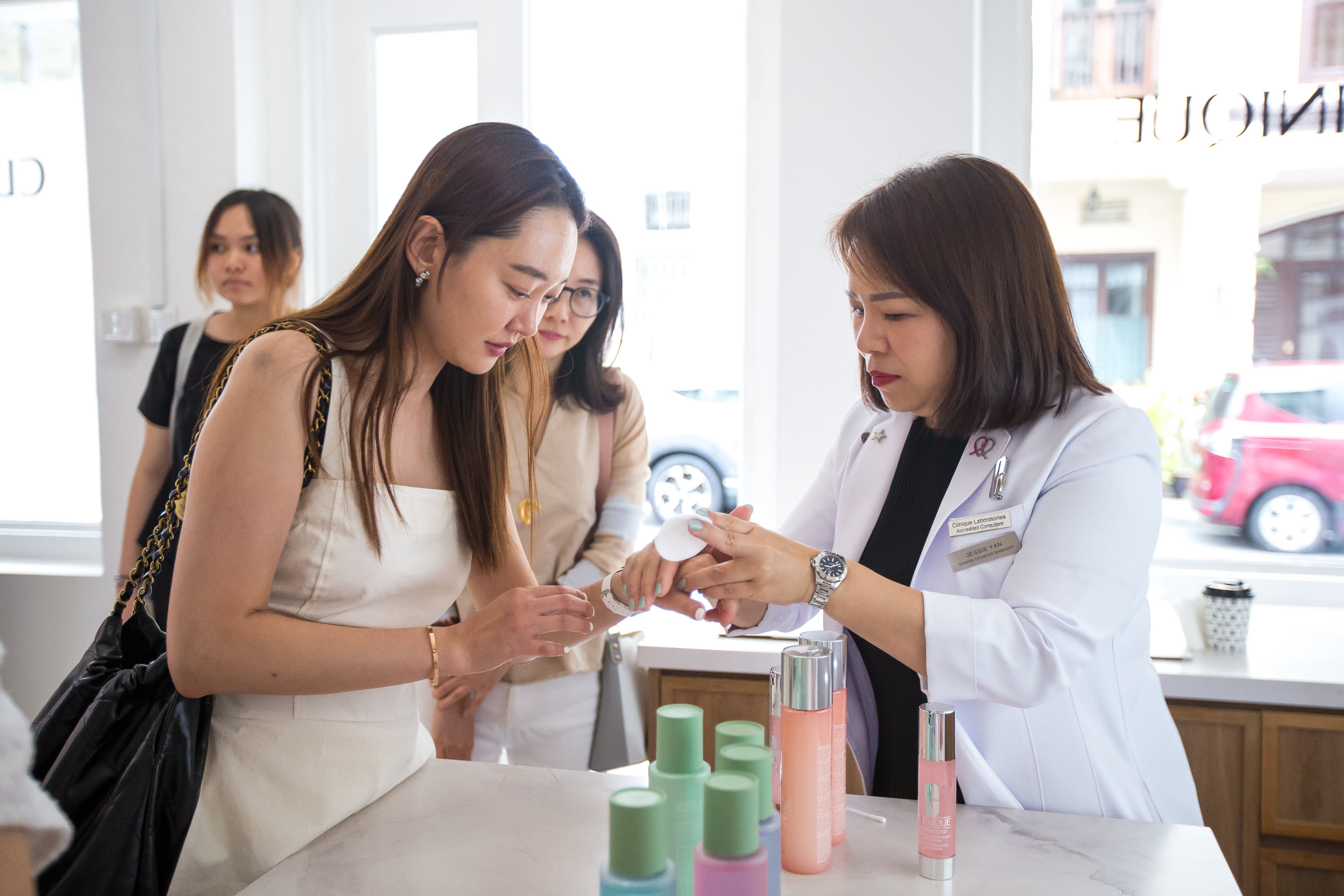
After the scan, a human beauty advisor reviews the results and refines the recommendations.
This approach combines two strengths:
AI delivers objective data
Humans deliver practical judgment
The result is a more informed consultation.
Online shopping is evolving similarly. Virtual consultations with dermatologists or beauty experts are often paired with AI diagnostic tools that analyze uploaded photos.
Consumers receive the efficiency of digital analysis along with professional interpretation.
How Consumers Can Use Both AI and Human Advice
Understanding how to balance AI recommendations with human insight can dramatically improve beauty results.
Start With AI for Research
AI tools are excellent starting points for building routines.
They help identify ingredients suited for specific concerns such as hyperpigmentation, acne, or dehydration.
Use AI recommendations to narrow down options.
Consult Professionals for Complex Issues
If skin concerns are persistent or severe—such as cystic acne, rosacea, or significant hair thinning—professional advice becomes essential.
Dermatologists and licensed aestheticians can diagnose conditions that AI systems cannot accurately identify.
Use AI to Track Progress
Many AI beauty platforms now monitor skin changes over time.
Regular scans allow users to track improvements in hydration, pigmentation, and texture.
This kind of progress tracking helps refine routines and identify which products actually work.
Let Human Experts Shape the Final Routine
Even after AI analysis, human experts can adjust routines based on lifestyle realities.
For example, a dermatologist might simplify a complicated routine suggested by an algorithm or recommend alternative products based on skin sensitivity.
The Next Wave of Beauty Technology


4
The next generation of beauty technology is already emerging.
Future innovations may include:
Real-Time Skin Monitoring
Smart mirrors capable of scanning skin daily may track hydration, inflammation, and sun damage over time.
This would allow routines to adapt dynamically.
AI Custom Product Formulation
Some brands are experimenting with systems that formulate skincare products on demand based on individual skin analysis.
Instead of choosing from existing products, consumers could receive completely personalized formulas.
Augmented Reality Makeup
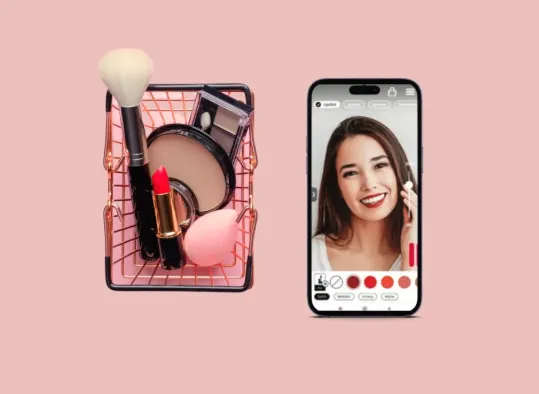
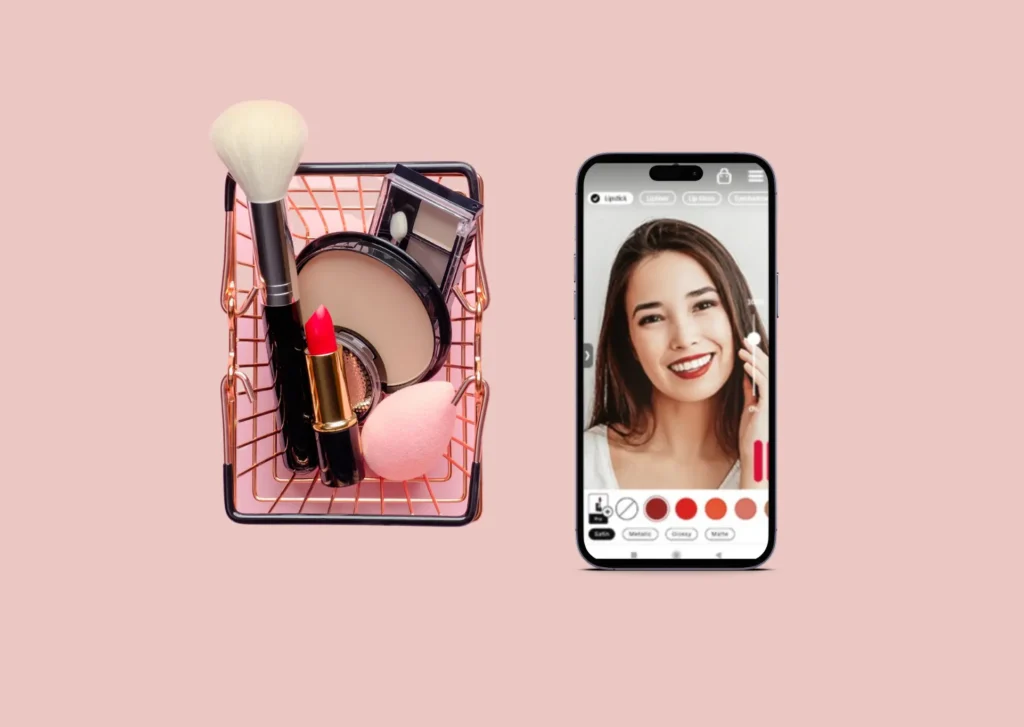
AR technology is improving rapidly, allowing users to test thousands of makeup combinations virtually before purchasing.
This reduces product waste while encouraging experimentation.
Predictive Beauty
Advanced AI may eventually predict skin issues before they appear, recommending preventative routines.
For example, the system could anticipate seasonal dryness or breakouts linked to hormonal cycles.
The Ethical Side of AI Beauty Advice
As AI becomes more integrated into beauty shopping, ethical considerations are becoming increasingly important.
Consumers are beginning to ask questions about data privacy and algorithm transparency.
How is skin data stored?
Who has access to it?
Are recommendations influenced by brand partnerships?
Responsible beauty tech companies are addressing these concerns by offering clearer disclosures and stronger privacy protections.
Transparency will play a critical role in maintaining consumer trust.
The Beauty Consumer of the Future
The beauty shopper of tomorrow will likely be more informed than ever before.
Instead of relying solely on advertising or trends, consumers will combine multiple sources of guidance:
AI analysis
Dermatologist expertise
Professional makeup artistry
Community reviews
Ingredient research
This layered approach allows people to make smarter, more confident decisions.
In many ways, beauty shopping is becoming less about impulse purchases and more about strategic personalization.
Final Thoughts
Artificial intelligence is revolutionizing the beauty industry—but it is not replacing human expertise.
Instead, it is enhancing it.
AI excels at analyzing data, identifying patterns, and delivering personalized recommendations at scale. Human beauty professionals, on the other hand, provide empathy, creativity, and real-world judgment.
When used together, they create the most powerful beauty guidance system the industry has ever seen.
For consumers navigating an increasingly complex beauty landscape, the smartest strategy is not choosing between technology and human insight.
It is learning how to use both. ✨
