Peptides in 2026: Which Types Do What (and Who Actually Needs Them)
Peptides in 2026: Which Types Do What (and Who Actually Needs Them)
In 2026, peptides have quietly become the backbone of modern skincare. Once overshadowed by retinol and vitamin C, they now sit at the center of innovation 🧬—not because they’re trendy, but because they’re adaptable, intelligent, and remarkably skin-compatible.
But the peptide conversation has also become crowded. “Multi-peptide complex.” “Copper peptide blend.” “Neuro-peptide infusion.” Labels are saturated with scientific language, yet clarity remains elusive. What do these molecules actually do? Are they interchangeable? And most importantly: who genuinely needs them?
This Vogue-level deep dive separates marketing from molecular function—so you can shop (or formulate) with confidence.
What Are Peptides, Really?
At their core, peptides are short chains of amino acids—the building blocks of proteins like collagen, elastin, and keratin. In skincare, they act as messengers 💡. When applied topically, certain peptides can signal the skin to perform specific functions: produce more collagen, calm inflammation, or even relax the look of expression lines.
Unlike aggressive actives that force the skin into renewal, peptides work through communication. They’re persuasive, not disruptive. And that subtlety is precisely why they’re thriving in 2026’s barrier-first era 🌿.
Peptides are not exfoliants. They’re not acids. They’re not antioxidants in the traditional sense. They are targeted instructions delivered at a cellular level.
And not all peptides are created equal.
The 5 Peptide Categories That Matter in 2026
1. Signal Peptides: The Collagen Communicators
Signal peptides are the most widely used—and arguably most important—category in modern skincare.
These peptides tell skin cells to increase production of collagen, elastin, and other structural proteins. Think of them as gentle nudges that encourage firmness over time.
One of the most recognized examples is palmitoyl pentapeptide (often associated with early anti-aging formulations). In 2026, signal peptides are more sophisticated—frequently combined into multi-peptide complexes that target different layers of the dermis simultaneously 🔬.
What They Do:
Improve visible firmness
Support smoother texture
Reduce the look of fine lines over time
Strengthen skin structure gradually
Who Actually Needs Them:
Signal peptides are ideal for:
Early prevention (late 20s onward)
Skin showing first signs of collagen decline
Anyone who cannot tolerate retinoids
Barrier-compromised skin
They are particularly valuable in minimalist routines. If someone wants one “smart” anti-aging step without irritation, signal peptides are often the answer.
2. Carrier Peptides: The Repair Specialists
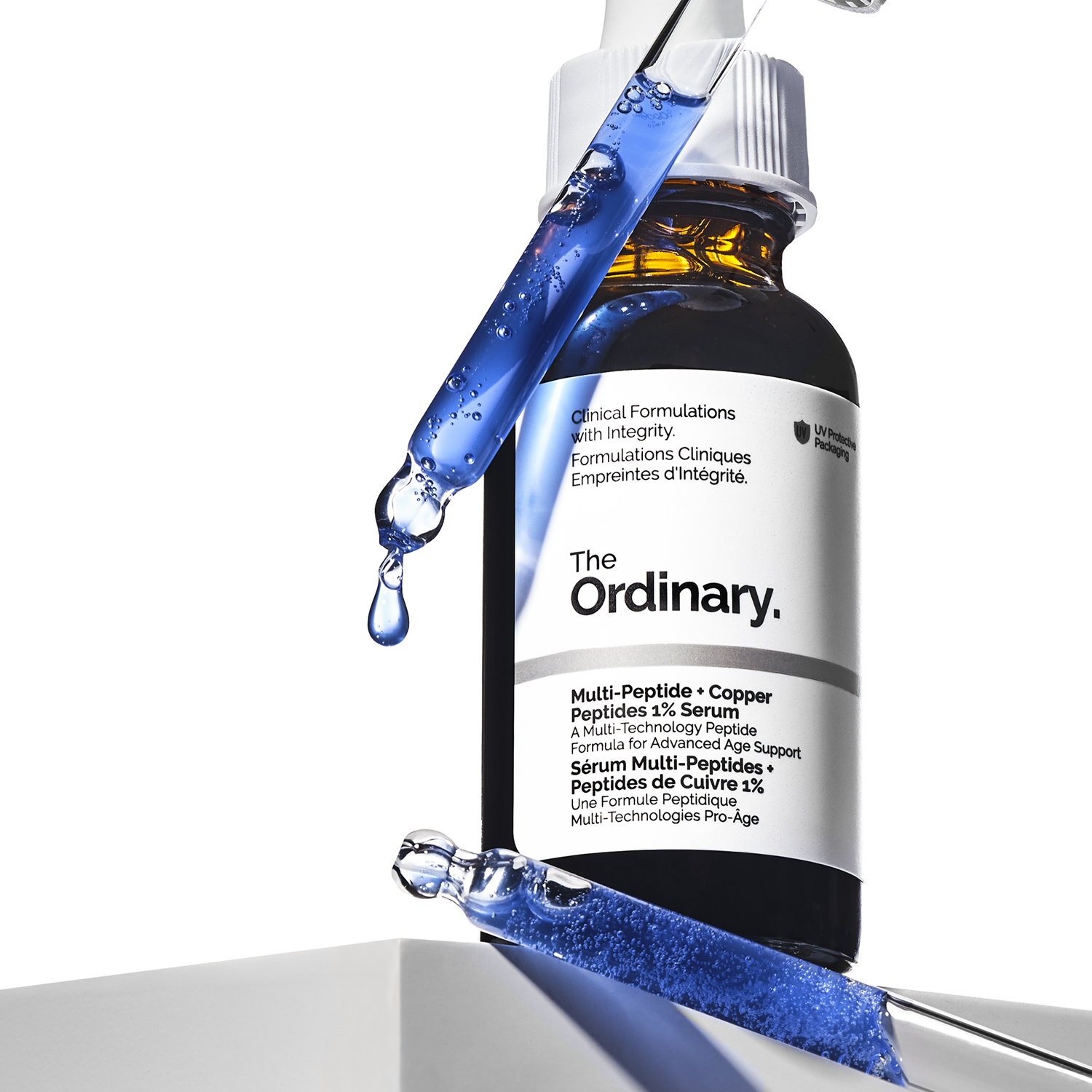

4
Carrier peptides do something different: they deliver trace elements—most notably copper—to the skin.
Copper peptides have become the headline ingredient of 2026 🧬. These molecules bind copper ions and transport them into skin cells, where copper supports wound healing, collagen formation, and antioxidant defense.
They are particularly compelling in regenerative skincare conversations.
What They Do:
Support skin repair
Improve elasticity appearance
Reduce the look of redness over time
Enhance overall resilience
Copper peptides are not instant-gratification ingredients. They’re long-game investments.
Who Actually Needs Them:
Post-procedure skin (once fully healed)
Skin recovering from over-exfoliation
Mature skin with visible thinning
Clients focused on regenerative support
They may not be necessary for very young, balanced skin. But for compromised or aging skin, carrier peptides can be transformative.
3. Neurotransmitter-Inhibiting Peptides (“Neuropeptides”)


4
Often referred to as “Botox-like” peptides, this category works by softening the appearance of dynamic expression lines.
They do not freeze muscles. Instead, they interfere slightly with the signals that cause muscle contraction—reducing the intensity of repetitive movement over time.
In 2026, these peptides are being reformulated for better stability and paired with hydrating agents for a more elegant delivery 💎.
What They Do:
Reduce appearance of forehead lines
Soften crow’s feet visually
Improve look of expression wrinkles
Who Actually Needs Them:
Those noticing deeper dynamic lines
Individuals avoiding injectables
Clients layering actives but wanting added smoothing
It’s important to manage expectations. Results are subtle and gradual—not equivalent to neuromodulator treatments. But in well-formulated serums, they add refinement.
4. Enzyme-Inhibiting Peptides
This is a more nuanced category—and one gaining attention among formulators.
These peptides inhibit enzymes that break down collagen. Instead of stimulating new production, they slow degradation.
What They Do:
Protect existing collagen
Support firmness retention
Complement retinoids or vitamin C
Who Actually Needs Them:
Those already investing in collagen stimulation
Mature skin focused on preservation
High UV exposure lifestyles
In 2026’s preventative skincare model, preservation is as important as stimulation. These peptides serve as guardians rather than builders 🔬.
5. Antimicrobial Peptides
Still emerging in mainstream beauty, antimicrobial peptides mimic natural defense peptides found in skin.
They are being explored for:
Acne-prone skin
Microbiome support 🌿
Redness-prone complexions
This category is growing alongside microbiome-conscious formulation.
They are not antibiotics—but they help regulate imbalance gently.
Do Peptides Actually Penetrate the Skin?
One of the biggest questions in beauty science: can peptides penetrate deeply enough to work?
The answer depends on:
Molecular size
Formulation vehicle
Concentration
Delivery technology
In 2026, encapsulation methods and lipid carriers have significantly improved peptide stability and penetration. While not all peptides reach the deep dermis, many work effectively in upper skin layers where signaling still occurs.
Peptides are not miracles. But they are biologically relevant.
Peptides vs. Retinol vs. Vitamin C
Retinol accelerates turnover.
Vitamin C defends and brightens.
Peptides communicate.
In a luxury routine, peptides often sit between antioxidant and moisturizer layers. They buffer stronger actives and enhance long-term resilience.
For sensitive skin types, peptides can replace harsher actives entirely. For resilient skin types, they enhance results synergistically.
In 2026, layering is strategic—not excessive.
When Peptides Are Overhyped
Not every routine requires five peptide serums.
Peptides may be unnecessary if:
Skin is very young and balanced
Budget is limited and sunscreen isn’t prioritized
Formulation percentages are undisclosed and minimal
Sunscreen still protects more collagen daily than peptides can rebuild. Prevention remains foundational 🌍.
Peptides shine when integrated thoughtfully—not when used impulsively.
How to Choose the Right Peptide Product in 2026
Instead of asking, “Does it have peptides?” ask:
Which type of peptide?
What’s the concentration range?
Is it combined with barrier-supportive ingredients?
Is the packaging air-stable?
Premium formulations now clearly label peptide families and their roles. Transparency has become part of luxury.
Serum textures dominate the peptide space because they allow higher active concentrations with elegant absorption.
Creams with peptides are more supportive than transformative.
Peptides for Different Age Groups
20s
Focus: prevention
Best choice: light signal peptide serum
30s
Focus: early firmness + texture refinement
Best choice: signal + enzyme-inhibiting blend
40s
Focus: collagen support + dynamic lines
Best choice: signal + neuropeptide combination
50+
Focus: regeneration + preservation
Best choice: copper peptide complex layered with hydrating actives
Age isn’t the only factor—but collagen decline accelerates noticeably after the mid-30s.
Are Peptides Safe for Sensitive Skin?
Yes—generally.
Peptides are among the least irritating active categories in skincare. They do not exfoliate or dramatically alter pH. This makes them ideal in barrier-first routines 🌿.
However:
Copper peptides may cause mild tingling initially.
Some individuals react to complex multi-peptide blends.
Patch testing remains wise.
The Rise of Multi-Peptide Complexes
Instead of relying on a single peptide, 2026 formulations increasingly combine:
Signal peptides for stimulation
Carrier peptides for repair
Enzyme inhibitors for protection
The result? Layered communication.
But more isn’t always better. Complexes should be balanced—not overloaded.
Luxury brands are now prioritizing fewer, higher-dose peptides rather than long ingredient lists.
How Long Do Peptides Take to Work?
Unlike exfoliants, peptides require patience.
Visible firmness changes typically appear after:
6–12 weeks of consistent use
Fine lines may soften earlier due to hydration and improved skin quality.
Consistency matters more than frequency.
Daily use is ideal.
Can You Combine Peptides With Everything?
Mostly yes.
Peptides pair well with:
Hyaluronic acid
Ceramides
Niacinamide
Antioxidants
Some formulators avoid layering copper peptides directly with strong acids or pure vitamin C in the same routine due to potential stability concerns.
Morning or evening application depends on formula design.
The Future of Peptides Beyond 2026
The peptide landscape is evolving toward:
Personalized peptide blends
AI-guided formulation 🧬
Regenerative combinations with growth factors
Microbiome-modulating peptide research
Innovation now focuses less on hype—and more on targeted biological pathways.
Peptides are no longer trend-driven. They are infrastructure.
Who Actually Needs Peptides?
Let’s simplify.
You need peptides if:
You want collagen support without irritation
You are in prevention mode but avoiding retinol
Your barrier is fragile
You’re investing in long-term firmness
You may not need peptides if:
Your routine lacks sunscreen
Your priority is immediate resurfacing
Budget requires simplicity
Peptides are enhancers—not replacements for fundamentals.
Final Verdict: Are Peptides Worth It in 2026?
Yes—but strategically.
Peptides represent intelligent skincare 🧬. They align with modern priorities: barrier respect, subtle refinement, regenerative support.
They are not dramatic. They are not aggressive. They are cumulative.
And in a beauty landscape moving away from over-exfoliation and toward resilience, that subtlety is precisely why peptides have become essential 💎.
The future of anti-aging is no longer about forcing transformation—it’s about persuading the skin to function optimally.
Peptides speak that language fluently.
