Wash-Day Upgrades: How to Reduce Breakage and Improve Shine

Wash-Day Upgrades: How to Reduce Breakage and Improve Shine
Wash day used to be simple: shampoo, condition, and move on. But modern haircare has evolved far beyond basic cleansing. Today, beauty experts and trichologists emphasize that how you wash your hair can directly impact breakage, shine, scalp health, and long-term hair strength.
Many people unknowingly damage their hair during wash day through rough handling, harsh shampoos, improper conditioning, or aggressive towel drying. Over time, these habits weaken the hair shaft and lead to dullness, frizz, and breakage.
The good news? Small, intentional upgrades to your wash-day routine can transform the health and appearance of your hair. By combining gentle techniques with smarter product choices, you can protect your strands while boosting shine and resilience.
In this guide, we’ll explore the most effective wash-day upgrades that hair professionals recommend for stronger, shinier, healthier hair.
Why Wash Day Matters More Than You Think
Your wash routine sets the foundation for everything that happens afterward. From styling to moisture retention, hair behaves differently depending on how it’s treated during cleansing.
Hair is especially vulnerable when wet. The cuticle (the outer protective layer of the hair shaft) lifts slightly during washing, making strands more fragile and prone to breakage.
Improper washing techniques can cause:
Mechanical damage from rough handling
Cuticle lifting that leads to dullness
Tangling that causes snapping during detangling
Scalp imbalance that affects hair growth
Conversely, a well-designed wash routine supports:
✨ smoother cuticles
✨ stronger strands
✨ improved scalp health
✨ naturally glossy hair
Think of wash day not just as cleaning your hair—but as the core treatment session of your entire haircare routine.
Upgrade #1: Start With a Pre-Wash Treatment
One of the most overlooked ways to reduce breakage is applying a pre-wash treatment before shampooing.
This step acts as a protective buffer between your hair and cleansing ingredients.
Pre-wash treatments help:
Reduce moisture loss during shampooing
Protect fragile ends
Improve softness and elasticity
Reduce tangling
Popular pre-wash options include lightweight oils, bond-building treatments, and scalp serums.
A few drops of oils like argan, jojoba, or coconut applied to the mid-lengths and ends can prevent excessive dryness during cleansing.
For people with fragile or chemically treated hair, pre-wash protection can dramatically reduce breakage over time.
Upgrade #2: Focus Shampoo on the Scalp, Not the Lengths
Many people apply shampoo all over their hair, but professionals recommend a different approach.
Shampoo should primarily cleanse the scalp, not the lengths of the hair.
Your scalp produces oil, sweat, and buildup. The hair lengths generally do not.
Applying shampoo directly to the lengths can strip moisture and increase friction.
Instead:
Apply shampoo at the scalp
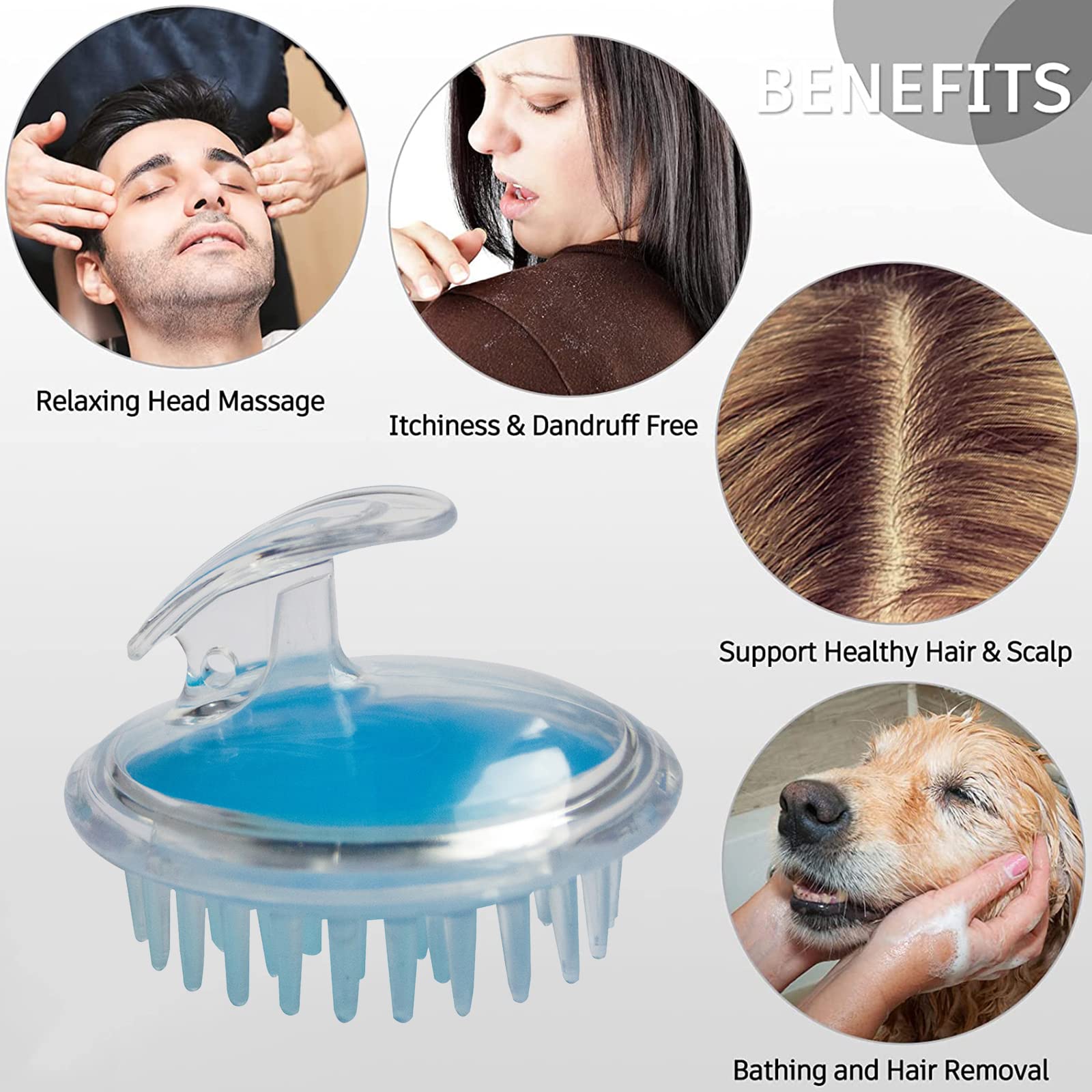
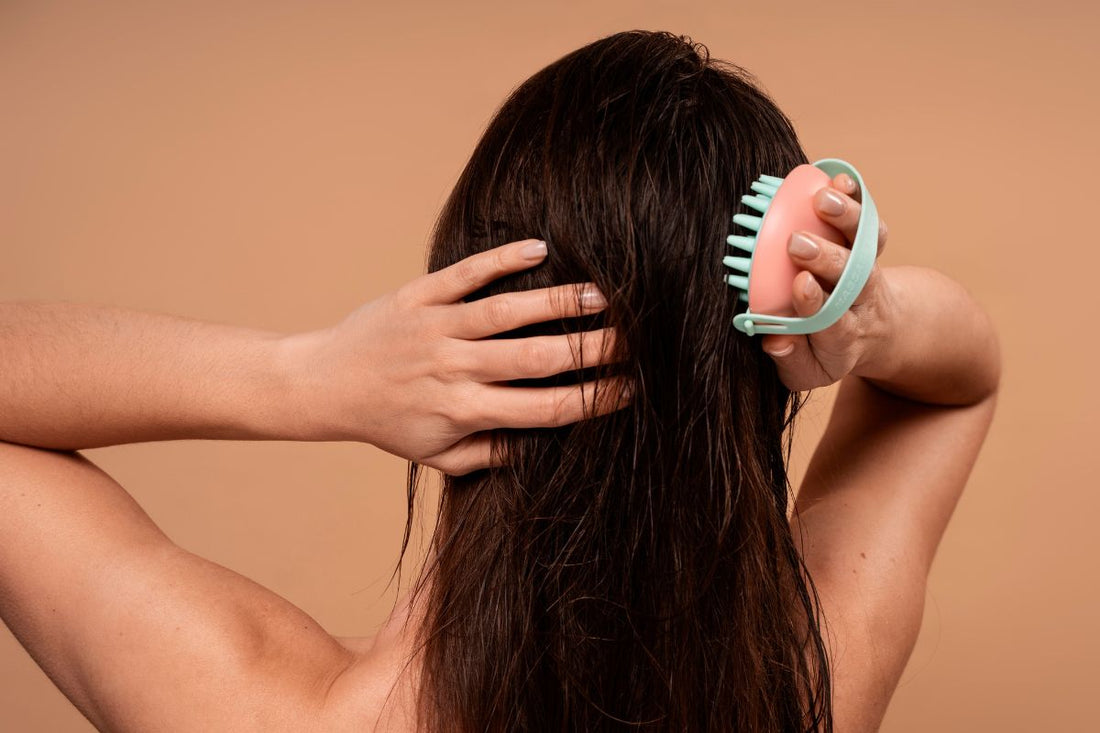
Massage gently using fingertips
Allow the lather to run down the lengths during rinsing
This technique cleans the hair effectively without over-drying the strands.
Gentle scalp massage also stimulates circulation and supports healthier follicles.
🔬 Healthy scalp environments are increasingly recognized as critical for stronger hair growth.
Upgrade #3: Use Lukewarm Water Instead of Hot Water
Hot showers feel relaxing, but they can quietly damage hair.
Very hot water:
Lifts the hair cuticle excessively
Strips natural oils
Increases frizz and dryness
Lukewarm water is ideal for washing hair because it cleans effectively while keeping the cuticle more stable.
To maximize shine, many stylists recommend finishing your rinse with cool water.
Cool water helps flatten the cuticle, allowing light to reflect more evenly across the hair surface.
The result is naturally shinier hair without additional styling products.
Upgrade #4: Apply Conditioner Strategically

4
Conditioner is not just about softness—it plays a major role in preventing mechanical damage.
When hair is wet, it becomes more elastic but also more fragile. Conditioner adds slip, reducing friction during detangling.
However, placement matters.
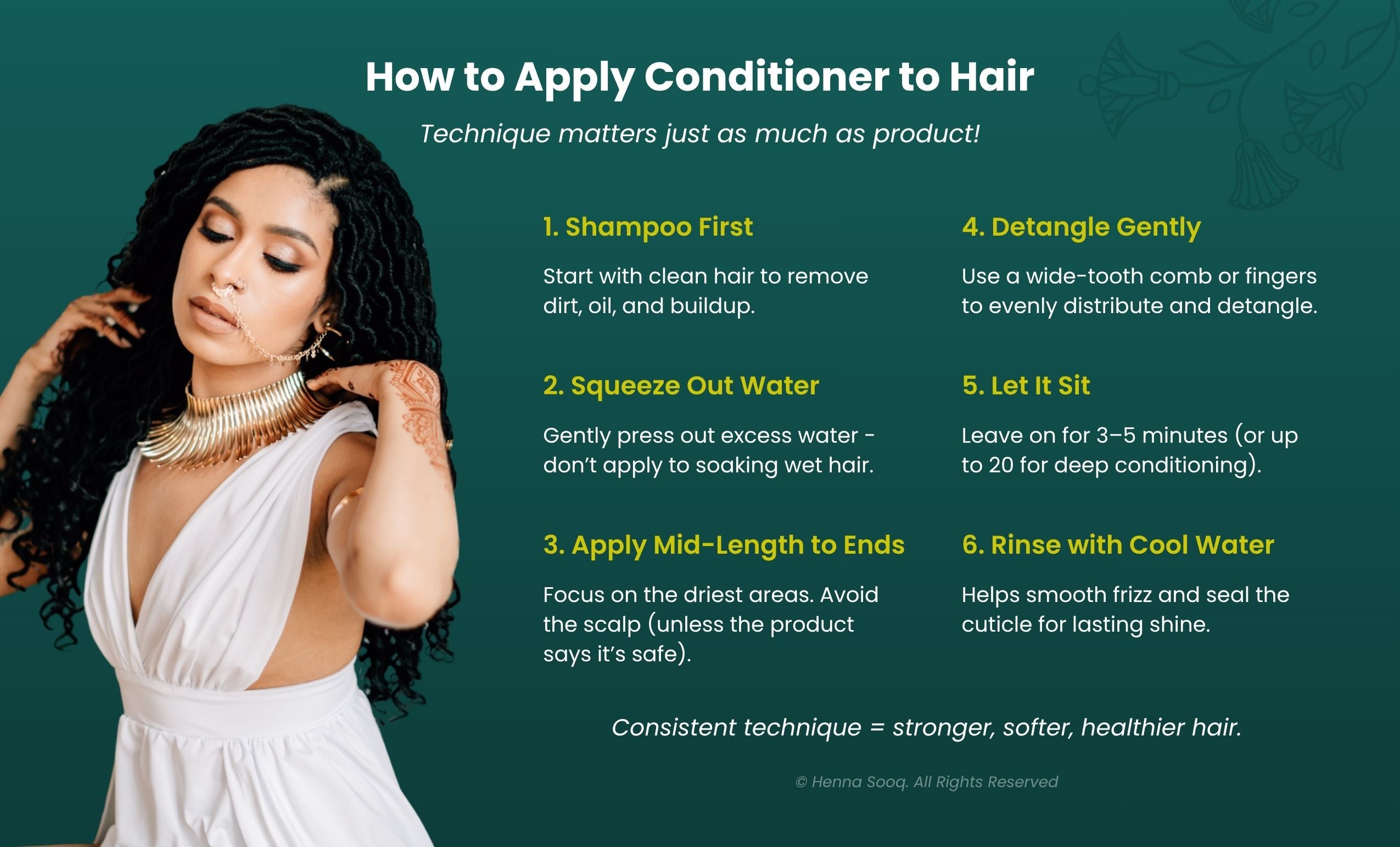
Conditioner should generally be applied:
From mid-lengths to ends
Avoiding the scalp (unless using a scalp-specific formula)
The ends of the hair are the oldest and most fragile part of the strand. These areas need the most conditioning support.
For even distribution, use a wide-tooth comb or your fingers to gently spread conditioner through the hair.
This ensures every strand receives moisture and protection.
Upgrade #5: Detangle While Conditioner Is In
One of the biggest causes of breakage is detangling dry or semi-dry hair aggressively.
The safest time to detangle is when the hair is coated in conditioner.
Conditioner provides slip that allows knots to separate without snapping strands.
Best detangling method:
Start at the ends
Work upward gradually
Use a wide-tooth comb or detangling brush
Move slowly and gently
This technique dramatically reduces breakage compared to brushing from the roots downward.
Over time, careful detangling can significantly improve hair density and length retention.
Upgrade #6: Replace Your Towel With a Microfiber Wrap
Traditional bath towels are rough on delicate hair strands.
The coarse texture can lift the cuticle and cause friction damage.
Instead, use:
Microfiber hair towels
Soft cotton T-shirts
These materials absorb water without roughening the hair shaft.
Benefits include:
💎 reduced frizz
💎 smoother cuticle
💎 less mechanical breakage
💎 improved shine
Avoid twisting hair tightly into a towel turban, which can strain the roots and cause snapping.
Instead, gently squeeze excess water and wrap hair loosely.
Upgrade #7: Introduce Bond-Repair Treatments
One of the most significant innovations in modern haircare is bond-repair technology.
Hair is held together by structural bonds inside the hair shaft. Heat styling, bleaching, and chemical processing break these bonds over time.
Bond-repair treatments work by rebuilding or reinforcing these internal structures.
Using these treatments during wash day can help:
🧬 strengthen fragile strands
🧬 improve elasticity
🧬 reduce breakage
🧬 increase shine
Many modern masks and conditioners now include bond-repair ingredients designed to support hair resilience at the molecular level.
For damaged hair, incorporating a bond treatment weekly can noticeably improve texture and durability.
Upgrade #8: Avoid Overwashing
More washing does not always mean healthier hair.
Washing too frequently can strip the scalp of natural oils that protect the hair shaft.
This leads to:
Dryness
frizz
increased breakage
scalp imbalance
The ideal washing frequency depends on hair type.
General guidelines:
Oily hair: every 1–2 days
Normal hair: every 2–3 days
Dry or textured hair: every 4–7 days
Allowing natural oils to distribute along the hair shaft helps maintain softness and shine.
Dry shampoo can help extend time between washes without disrupting scalp balance.
Upgrade #9: Protect Hair Immediately After Washing
The period right after washing is when hair is most vulnerable.
To reduce breakage, avoid aggressive styling during this stage.
Helpful post-wash habits include:
Applying leave-in conditioner
Using heat protectant before blow-drying
Avoiding tight hairstyles while hair is wet
Allowing partial air drying before styling
Leave-in treatments help seal the cuticle and maintain moisture levels.
Many formulas also include UV protection and pollution shields 🌍 to guard hair from environmental stressors.
Upgrade #10: Treat Wash Day as a Weekly Hair Ritual
Instead of rushing through wash day, think of it as a self-care ritual for your hair and scalp.
Taking a few extra minutes for scalp massage, treatments, and gentle handling creates long-term benefits.
Healthy wash-day rituals often include:
scalp exfoliation (occasionally)
nourishing hair masks
relaxing scalp massage
careful detangling
These habits improve circulation, support scalp balance, and encourage healthier hair growth over time.
Hair longevity is becoming a major beauty focus as consumers shift toward preventative haircare instead of damage repair.
💡 The goal is no longer just styling beautiful hair—it’s preserving hair strength for years to come.
The Future of Wash-Day Haircare
The beauty industry is increasingly embracing scalp-first haircare and hair longevity science.
New innovations focus on maintaining healthy follicles, protecting hair bonds, and supporting the scalp microbiome.
Emerging trends include:
🌿 microbiome-friendly shampoos
🧬 peptide-based scalp treatments
💎 shine-enhancing conditioning technology
🔬 advanced bond-repair systems
These innovations reflect a deeper understanding that beautiful hair begins at the scalp and is maintained through gentle daily habits.
Wash day is no longer just about cleanliness—it is the foundation of modern hair wellness.
Final Thoughts
Healthy, shiny hair rarely comes from a single miracle product. Instead, it results from consistent habits that protect the hair’s structure over time.
By upgrading your wash-day routine with smarter techniques—like pre-wash treatments, gentle detangling, lukewarm rinsing, and microfiber drying—you can dramatically reduce breakage while enhancing natural shine.
The key is treating your hair with patience and care when it is most vulnerable.
Small changes in your wash routine may seem minor, but over months they add up to stronger strands, smoother texture, and hair that truly reflects health.
And in today’s beauty landscape, healthy hair is the ultimate luxury. ✨
