Why Your Hair Might Not Be Growing as Fast as It Could
Why Your Hair Might Not Be Growing as Fast as It Could
Healthy, long hair is often seen as a sign of vitality, confidence, and personal care. Yet many people feel frustrated when their hair seems stuck at the same length month after month. You trim it, treat it, and invest in products that promise growth—yet progress still feels slow.
The truth is that hair growth rarely stops completely. On average, hair grows about half an inch per month. However, many lifestyle habits, environmental factors, and subtle hair-care mistakes can slow visible growth or cause breakage that makes hair appear stagnant.
Understanding what may be limiting your hair’s potential is the first step toward creating a routine that supports stronger, healthier strands. When you address the real causes—rather than chasing quick fixes—you give your hair the conditions it needs to grow naturally and consistently.
Let’s explore the most common reasons hair growth may be slower than it could be, and how to correct them.
Understanding How Hair Growth Actually Works 🧬


Before exploring potential problems, it helps to understand how hair growth functions.
Hair grows from follicles located beneath the scalp. Each strand follows a natural cycle consisting of three primary phases:
The Anagen Phase (Growth Phase)
This is when hair actively grows from the follicle. The anagen phase can last between two and seven years, depending largely on genetics. The longer this phase lasts, the longer your hair can grow.
The Catagen Phase (Transition Phase)
This short phase lasts only a few weeks. The hair follicle begins shrinking and detaches slightly from its blood supply.
The Telogen Phase (Resting Phase)
Hair rests before eventually shedding. After shedding, the follicle re-enters the anagen phase and begins producing new hair.
At any given moment, about 85–90% of your hair is actively growing. However, several factors can disrupt this cycle or damage strands faster than they grow.
When that happens, hair may technically be growing—but it breaks off before length becomes visible.
1. Breakage Is Canceling Out Your Growth 💡


4
One of the most common reasons hair appears not to grow is breakage.
If your hair grows half an inch each month but breaks off at the same rate, your length will remain unchanged.
Breakage can occur from many everyday habits, including:
Excessive heat styling
Rough towel drying
Tight hairstyles
Over-brushing
Chemical processing
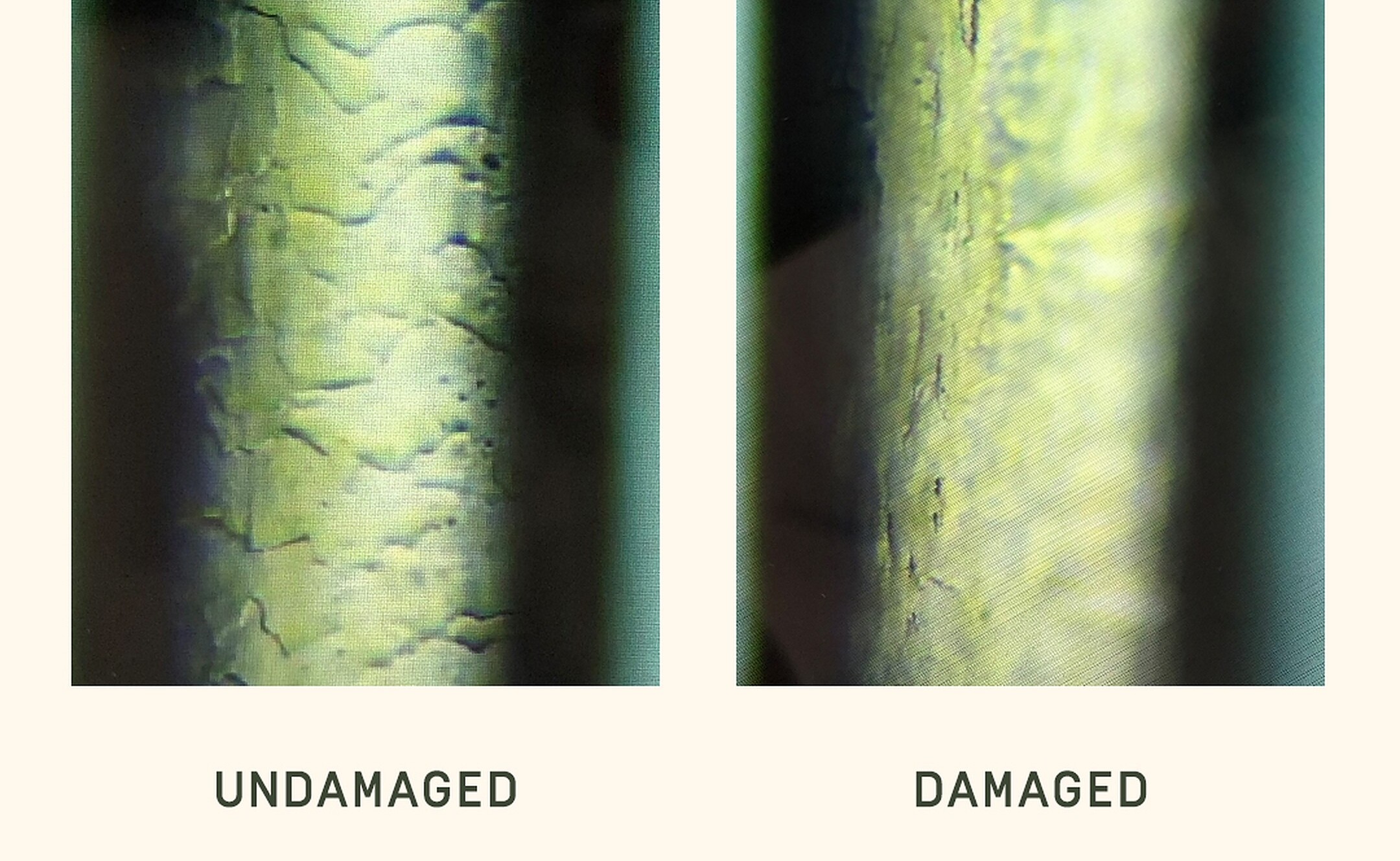
Hair becomes especially fragile when the cuticle—the protective outer layer—is damaged. Once the cuticle weakens, the inner hair structure becomes exposed and more likely to snap.
To prevent breakage:
• Use heat tools less frequently
• Apply heat protectant when styling
• Switch to microfiber towels or cotton T-shirts for drying
• Avoid tight ponytails or braids that pull on strands
Protecting hair length is just as important as encouraging new growth.
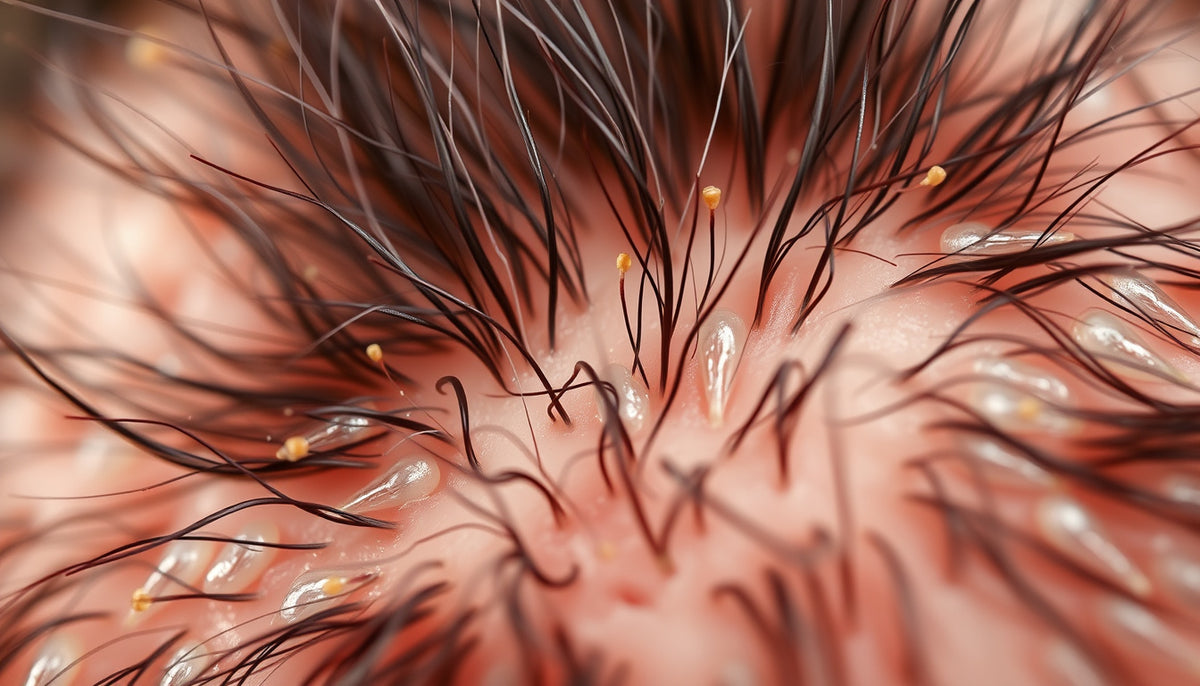
2. Your Scalp Health Might Be Overlooked 🌿


4
Many people focus entirely on their hair strands while ignoring the scalp.
But healthy hair begins at the scalp—because that’s where hair follicles live.
A scalp clogged with oil, product buildup, or dead skin can interfere with healthy follicle function. This doesn’t stop growth entirely, but it can weaken new hair and slow the cycle.
Common scalp issues include:
Product buildup from styling products
Excess oil accumulation
Dry scalp or dandruff
Poor circulation
Supporting scalp health can make a significant difference.
Effective habits include:
• Gentle scalp massage to increase blood flow
• Occasional scalp exfoliation
• Using clarifying shampoos when buildup occurs
• Avoiding heavy products directly on the roots
Think of scalp care as skincare for your hair.
When the environment around the follicles improves, hair often grows stronger.
3. Heat Styling Is Weakening Your Hair 🔬


4
Frequent heat styling is one of the biggest contributors to hair breakage.
Flat irons, curling wands, and blow dryers can reach temperatures above 200°C (392°F). At these levels, heat can weaken keratin—the structural protein that forms hair.
Repeated exposure may cause:
Dryness
Brittleness
Split ends
Breakage
If hair repeatedly breaks from heat damage, it may never retain length long enough to appear to grow.
A few simple adjustments can reduce heat damage significantly:
• Lower styling temperatures
• Use heat protectant sprays
• Allow hair to air-dry partially before blow drying
• Limit heat styling to a few times per week
Small changes in heat habits can dramatically improve hair strength over time.
4. Poor Nutrition Can Slow Growth
Hair is made primarily of protein, and its growth depends on nutrients circulating through the bloodstream.
When the body lacks key nutrients, hair follicles may shift into a shorter growth phase.
Important nutrients for hair growth include:
Protein – provides the building blocks for keratin
Iron – supports oxygen delivery to follicles
Biotin – contributes to keratin production
Zinc – supports hair tissue repair
Vitamin D – helps regulate follicle cycling
Dieting, restrictive eating, or nutrient deficiencies can lead to slower hair growth and increased shedding.
Supporting hair growth often begins with balanced nutrition.
Foods that support healthy hair include:
Eggs
Leafy greens
Fatty fish
Nuts and seeds
Beans and legumes
Healthy hair is not only about what you apply externally—it also reflects internal wellness.
5. Stress Can Disrupt the Hair Cycle
Modern life can take a significant toll on the body, and hair follicles are surprisingly sensitive to stress.
When the body experiences prolonged stress, it may push more follicles into the telogen (resting) phase prematurely.
This condition, known as telogen effluvium, often leads to noticeable shedding several months after a stressful event.
Triggers can include:
Emotional stress
Illness
surgery
Rapid weight loss
hormonal changes
The good news is that stress-related shedding is usually temporary.
Supporting recovery often involves:
• prioritizing sleep
• practicing stress management
• maintaining balanced nutrition
• allowing time for the hair cycle to reset
Hair follicles are resilient and often recover once the body returns to balance.
6. Overwashing or Underwashing Your Hair
Finding the right washing frequency can influence hair health.
Washing too often may strip natural oils that protect and lubricate strands.
On the other hand, washing too infrequently can allow oil, sweat, and buildup to accumulate on the scalp.
Both extremes can weaken hair over time.
Most people benefit from washing hair two to four times per week, though this varies based on hair type.
For example:
Fine hair may require more frequent washing
Curly or textured hair may benefit from less frequent cleansing
Using gentle shampoos and focusing conditioner on the mid-lengths and ends can maintain balance.
7. Genetics Set the Upper Limit
While habits matter, genetics also play a role in hair growth potential.
Some individuals naturally have longer anagen (growth) phases, allowing their hair to grow much longer.
Others have shorter growth phases, meaning their hair may reach a maximum length sooner.
However, even with genetic limitations, healthy habits can still optimize the hair growth potential you already have.
Improving hair strength ensures you keep as much of that growth as possible.
8. Trims Are More Important Than You Think 💎
It may sound counterintuitive, but regular trims can actually help hair appear to grow faster.
When split ends travel upward along the hair shaft, they can cause strands to snap higher up. This leads to more breakage and uneven length.
Trimming every 8–12 weeks removes damaged ends before they spread.
Healthy ends allow hair to retain length over time.
Building a Hair Growth Routine That Works ✨
Once you identify what might be slowing your hair growth, creating a simple routine can help restore progress.
An effective routine usually includes:
Healthy scalp care
Gentle washing habits
Limited heat styling
Balanced nutrition
Stress management
Regular trims
Hair growth is rarely about a miracle product. Instead, it’s the result of consistent, supportive habits that protect strands while encouraging healthy follicle function.
Over time, these habits create the ideal conditions for stronger, longer hair.
The Bottom Line 🌍
If your hair feels stuck at the same length, it doesn’t necessarily mean it has stopped growing.
More often, breakage, scalp health, nutrition, or styling habits are interfering with visible progress.
By addressing these underlying factors and adopting a thoughtful hair care routine, you can support your hair’s natural growth cycle and retain more of the length you gain.
Patience is key. Hair grows slowly, but with consistent care, improvements in strength, shine, and length become noticeable over time.
Healthy hair isn’t just about growth—it’s about resilience, balance, and the everyday habits that allow your hair to thrive.
