The Best Habits for Growing Longer Hair
The Best Habits for Growing Longer Hair
Growing long, healthy hair rarely happens overnight. Despite what miracle products might promise, the secret to truly beautiful length usually lies in consistent habits rather than quick fixes. Hair is a living reflection of your overall health and the care you provide daily. From how you wash your hair to what you eat and even how you sleep, small routines can significantly influence how fast and strong your hair grows.
In recent years, beauty experts, dermatologists, and hair scientists have emphasized that sustainable hair growth is less about trendy treatments and more about a balanced approach that supports the scalp, strengthens hair fibers, and protects existing length. When you build the right habits into your routine, your hair can grow longer, stronger, and noticeably healthier.
This guide explores the most effective habits that support natural hair growth and help you maintain beautiful length over time.
Understanding How Hair Growth Works 🧬
Before diving into habits, it helps to understand how hair actually grows. Each strand of hair grows from a follicle located in the scalp. Hair growth follows a cycle consisting of three phases: the growth phase (anagen), the transition phase (catagen), and the resting phase (telogen).
The anagen phase is where the magic happens. During this stage, hair actively grows from the follicle and can last anywhere from two to seven years depending on genetics and overall health. The longer this phase lasts, the longer your hair can grow.
However, many factors can interrupt this process. Stress, nutritional deficiencies, excessive heat styling, scalp inflammation, and harsh hair practices can shorten the growth phase or cause breakage that prevents you from seeing real length.
Adopting the right daily habits supports the scalp environment and strengthens each strand so hair can grow uninterrupted.
Prioritize Scalp Health 🌿


4
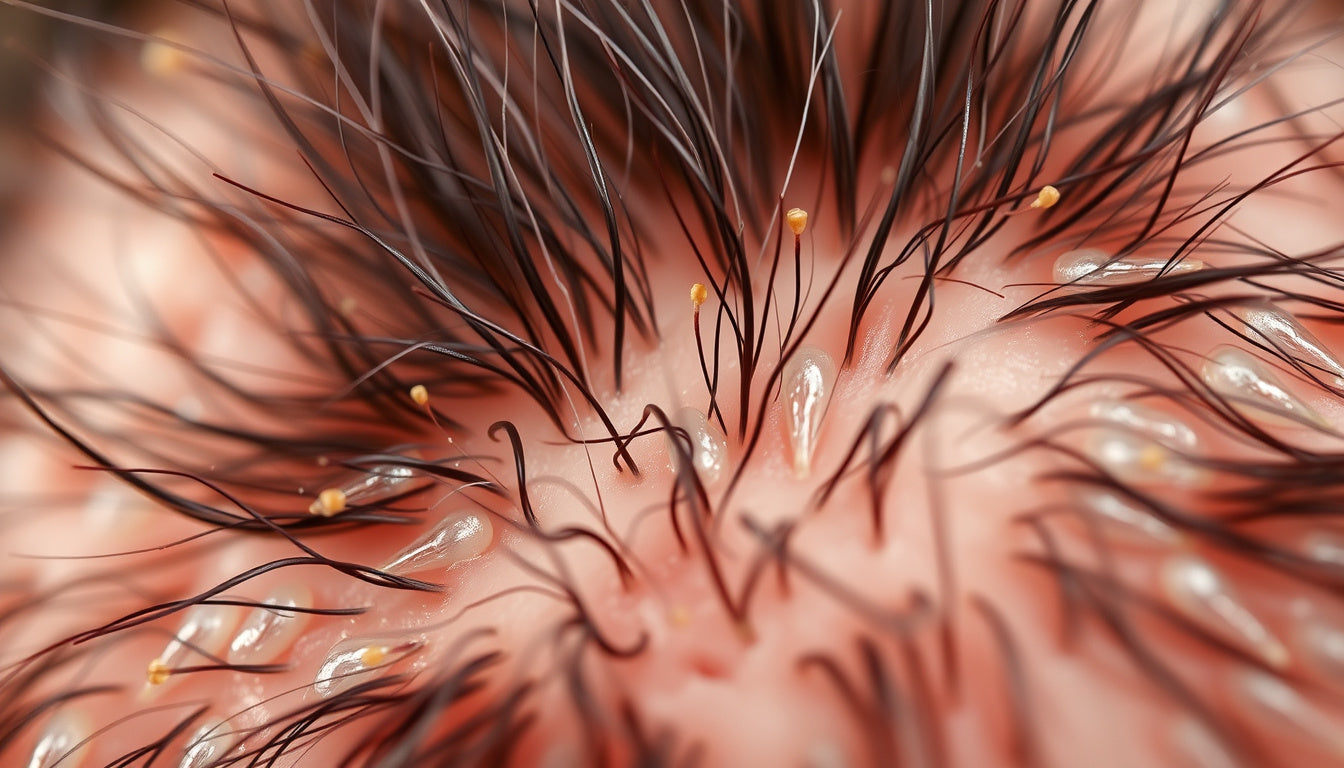
A healthy scalp is the foundation of long hair. Think of your scalp as the soil where your hair grows—if it is dry, irritated, or clogged, hair growth becomes slower and weaker.
Keeping the scalp balanced begins with proper cleansing. Many people either overwash or underwash their hair, both of which can cause problems. Washing too frequently can strip natural oils, while washing too rarely can lead to buildup that clogs follicles.
Using gentle shampoos that support the scalp’s natural microbiome is increasingly recommended by dermatologists. Look for formulas containing soothing ingredients such as aloe vera, niacinamide, tea tree oil, or salicylic acid for occasional deep cleansing.
Scalp massages are another powerful habit. A few minutes of massage each day stimulates blood circulation to the follicles, delivering oxygen and nutrients that support stronger growth. Studies have shown that consistent scalp massage may even increase hair thickness over time.
Lightweight scalp serums or oils can also nourish the scalp, especially those containing rosemary oil, peptides, or botanical extracts that promote follicle activity.
Nourish Your Hair from the Inside Out 💎


4
One of the most overlooked habits for hair growth happens far from the bathroom mirror—your diet.
Hair follicles are highly active structures that require a steady supply of nutrients to function properly. If your body lacks essential vitamins or minerals, hair growth is often one of the first things affected.
Protein plays a crucial role because hair is primarily made of keratin, a structural protein. Diets lacking sufficient protein may result in weaker strands and slower growth.
Equally important are micronutrients such as iron, zinc, vitamin D, and biotin. Iron deficiency, for example, is a common cause of hair thinning because it reduces oxygen delivery to the follicles.
Healthy fats are also essential. Omega-3 fatty acids found in foods like salmon, walnuts, and flaxseeds help maintain scalp hydration and support stronger strands.
Hydration matters as well. Hair fibers contain water, and dehydration can make hair more brittle and prone to breakage.
Incorporating a balanced diet filled with whole foods—vegetables, fruits, lean proteins, whole grains, and healthy fats—creates the internal environment necessary for optimal hair growth.
Be Gentle with Your Hair


4
Many people struggle to grow their hair long not because it doesn’t grow, but because it breaks faster than it grows. Breakage is one of the biggest barriers to achieving visible length.
The way you handle your hair each day makes a significant difference. Rough brushing, tight hairstyles, and aggressive towel drying can weaken strands and cause them to snap.
Using wide-tooth combs or detangling brushes designed to glide through the hair helps minimize stress on fragile strands. Always start detangling from the ends and gradually work your way upward.
Hair ties also matter. Traditional elastic bands can pull and damage hair fibers, especially when worn tightly. Soft scrunchies or spiral hair ties are gentler alternatives that reduce tension.
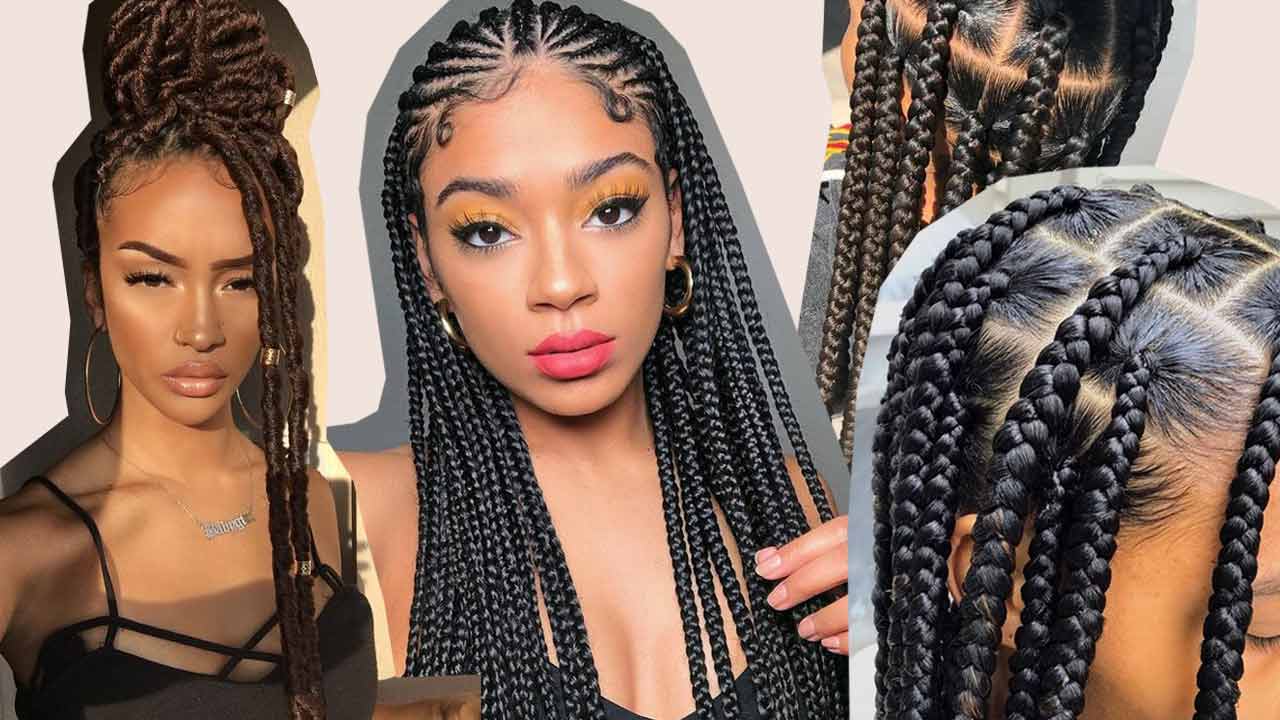
Protective hairstyles such as loose braids, buns, or twists can help preserve length by reducing friction and environmental exposure.
When hair is treated gently, it retains its strength and elasticity, allowing it to grow longer before breaking.
Limit Heat Styling and Chemical Damage 🔬


4
Heat styling tools are among the most common sources of hair damage. Blow dryers, flat irons, and curling wands expose hair fibers to temperatures that can weaken the protein structure inside the strand.
Repeated exposure to high heat causes moisture loss and structural damage, leading to split ends and breakage that limit hair length.
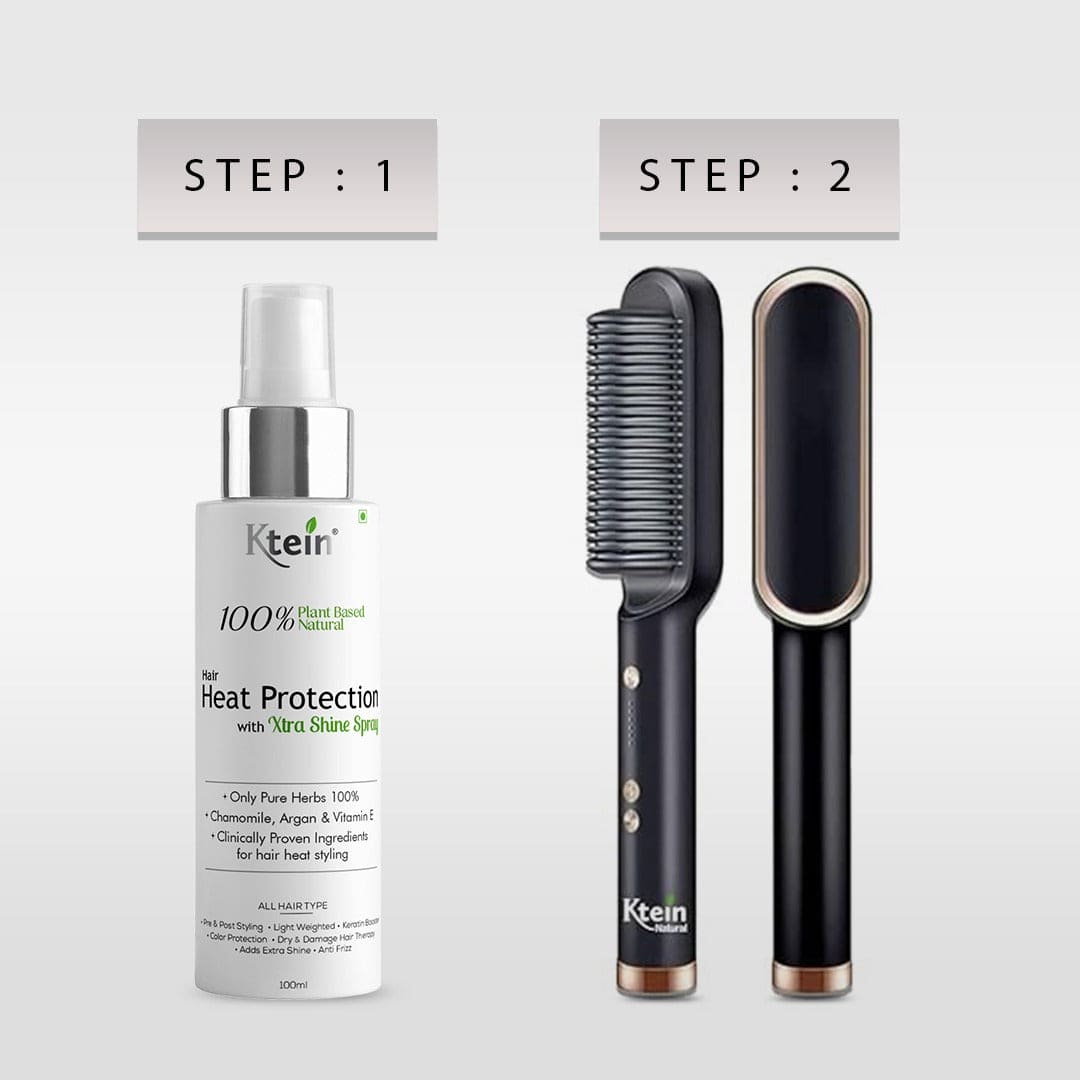
Reducing heat styling frequency is one of the most powerful habits you can adopt. When heat tools are necessary, always use a high-quality heat protectant that creates a barrier between the hair and the heat source.
Many modern beauty routines emphasize heat-free styling methods such as braiding damp hair for natural waves or using rollers for volume.
Chemical processes like bleaching, relaxing, or perming can also weaken hair if done too frequently. Giving hair time to recover between treatments helps maintain its strength and resilience.
Protecting your hair from damage allows it to stay intact long enough to achieve noticeable length.
Sleep Smart to Protect Hair
Nighttime habits can either support or sabotage hair growth. While you sleep, your hair rubs against pillowcases, which can create friction and lead to tangles and breakage.
Switching to silk or satin pillowcases significantly reduces friction compared to cotton. These smoother fabrics help hair glide instead of catching and pulling.
Another effective habit is loosely tying hair before bed. A soft braid or loose bun prevents excessive tangling overnight.
For those with longer or textured hair, silk or satin hair wraps can provide additional protection by maintaining moisture and preventing friction.
Sleep also plays a broader role in hair health. During deep sleep, the body undergoes repair processes that support cell regeneration, including the cells responsible for hair growth.
Consistently getting enough rest supports the natural growth cycle of your hair.
Trim Strategically (Yes, It Helps)
It may sound counterintuitive, but trimming your hair regularly can actually help it grow longer.
Trims do not directly make hair grow faster, since growth occurs at the scalp. However, they remove split ends that can travel upward along the hair shaft and cause further breakage.
When split ends are ignored, hair strands weaken and snap off, which prevents you from retaining length.
A small trim every few months helps maintain the integrity of your hair, keeping the ends healthy and preventing damage from spreading.
This simple habit supports long-term hair growth by protecting the length you already have.
Manage Stress for Healthier Hair 🌍
Stress is an often underestimated factor in hair growth. High stress levels can trigger a condition known as telogen effluvium, where hair prematurely enters the resting phase and sheds more than usual.
Chronic stress can also disrupt hormone levels and reduce the body’s ability to deliver nutrients to hair follicles.
Developing habits that support emotional well-being—such as exercise, meditation, time outdoors, or creative activities—can indirectly support hair health.
Even small moments of relaxation can make a difference in maintaining the balance your body needs to support consistent hair growth.
Consistency Is the Real Secret 💡
Perhaps the most important habit for growing longer hair is consistency. Hair growth is a gradual process, and meaningful changes rarely happen in just a few weeks.
By maintaining healthy routines—nourishing your body, caring for your scalp, protecting your strands, and avoiding unnecessary damage—you create the ideal conditions for hair to grow to its fullest potential.
Over time, these habits accumulate into visible results. Hair becomes stronger, shinier, and noticeably longer.
Instead of chasing every new product or viral hair hack, focusing on simple, sustainable habits often delivers the most impressive transformation.
Long hair isn’t built overnight—it’s built daily.
