The Ultimate Makeup Kit Hygiene Checklist (At Home + Pro MUA Style)
The Ultimate Makeup Kit Hygiene Checklist (At Home + Pro MUA Style)


4
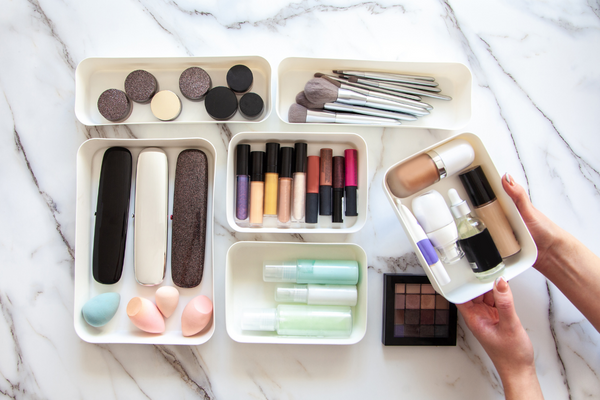
A beautiful makeup look doesn’t begin with foundation or lipstick—it starts with clean tools and a hygienic kit. Brushes, sponges, tweezers, eyelash curlers, palettes, and even makeup bags quietly collect oils, bacteria, and product buildup every day.
When tools aren’t cleaned properly, they can contribute to breakouts, irritation, eye infections, and dull-looking makeup application.
Professional makeup artists (MUAs) understand this better than anyone. Hygiene isn’t just part of their routine—it’s non-negotiable. Every brush is sanitized, every palette wiped, and every sponge replaced on schedule.
The good news? You don’t need a studio or professional setup to follow the same standards. With a few habits and a simple system, you can maintain a clean, safe, and high-performing makeup kit at home. ✨
This ultimate checklist combines professional MUA hygiene habits with practical at-home routines, helping you keep your tools fresh, your products safe, and your skin healthier.
Why Makeup Hygiene Matters More Than You Think


4
Your makeup tools touch your skin almost every day. That means they constantly absorb:
Skin oils
Sweat
Dead skin cells
Environmental pollution
Residual product buildup
Over time, this combination creates the perfect environment for bacteria and yeast to grow. 🔬
When contaminated tools come back into contact with your skin, they can trigger a variety of issues:
Breakouts and clogged pores
Foundation and concealer brushes collect oil and bacteria that can easily transfer back to your skin.
Skin irritation
Old product buildup can make brushes stiff, scratchy, and irritating.
Eye infections
Mascara wands, eyelash curlers, and eyeliner brushes can carry bacteria that may cause styes or eye irritation.
Poor makeup performance
Dirty tools don’t blend makeup well. Instead of smooth application, you get patchiness, streaks, and uneven texture.
Clean tools don’t just protect your skin—they dramatically improve how makeup looks and wears.
The Ultimate Makeup Kit Hygiene Checklist
Below is a professional-style hygiene checklist inspired by MUA sanitation standards—adapted for everyday use.
Daily Hygiene Habits (Quick 2-Minute Routine)

4
Daily hygiene is less about deep cleaning and more about preventing buildup before it starts.
Professional artists rarely use a brush twice without sanitizing it first. While you don’t need that level of intensity, a quick daily reset helps maintain cleanliness.
Your daily checklist
✔ Wipe cream product surfaces (foundation, concealer, lipstick) with a clean tissue
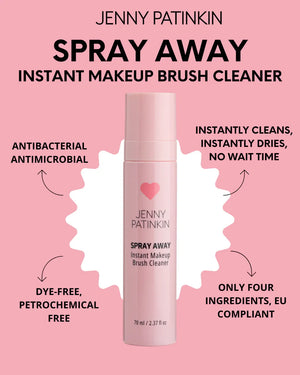
✔ Sanitize frequently used brushes with brush sanitizer spray
✔ Wipe metal tools like tweezers and eyelash curlers with alcohol
✔ Let damp tools air dry before storing
✔ Avoid storing tools in closed containers while wet
These small habits keep bacteria levels low and extend the time between deep cleans. 💡
Weekly Deep Cleaning Routine


4
Once a week, your most-used tools deserve a proper wash.
This is especially important for brushes used with:
Liquid foundation
Cream blush
Concealer
Contour
Setting powder
How to deep-clean brushes properly
Wet brush bristles with lukewarm water
Apply gentle cleanser or brush soap
Swirl on a cleaning mat or palm
Rinse until water runs clear
Gently squeeze excess water
Lay flat on a towel to dry
Avoid standing brushes upright while wet because water can seep into the handle and loosen the glue.
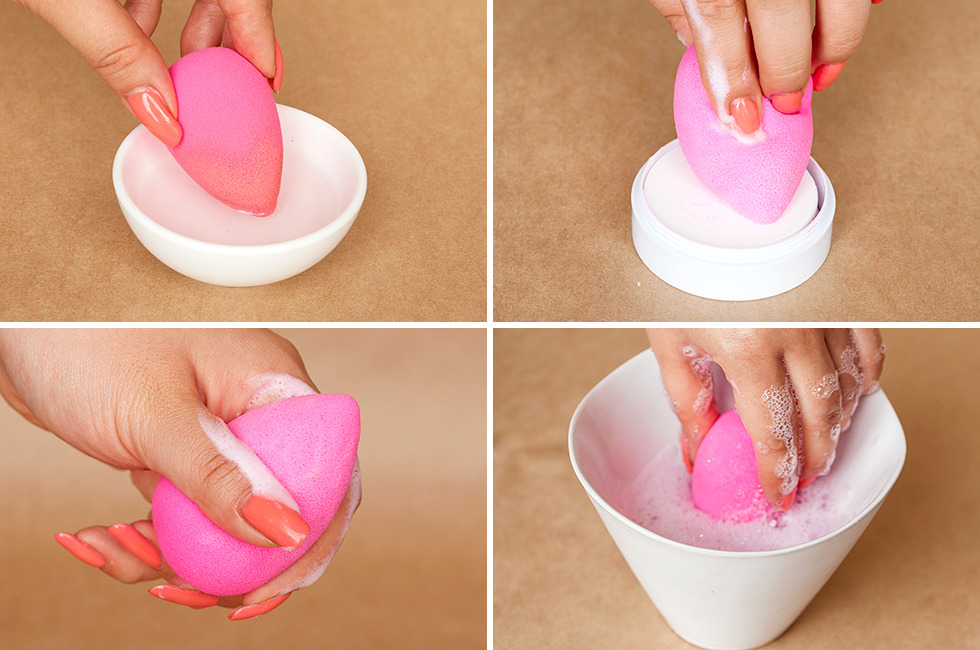
Don’t forget your sponges
Sponges absorb more product than brushes, which means they also trap more bacteria.
Wash them with:
Mild soap
Brush cleanser
Gentle facial cleanser
Squeeze and rinse repeatedly until the sponge returns to its original color.
🌿 Clean sponges should feel soft, flexible, and fresh—not stiff or sticky.
Monthly Hygiene Reset (The Pro Habit)

4
Professional makeup artists perform regular kit audits to maintain hygiene and organization.
Once a month, take 15–20 minutes to reset your makeup kit.
Your monthly checklist
✔ Wash all brushes (including those rarely used)
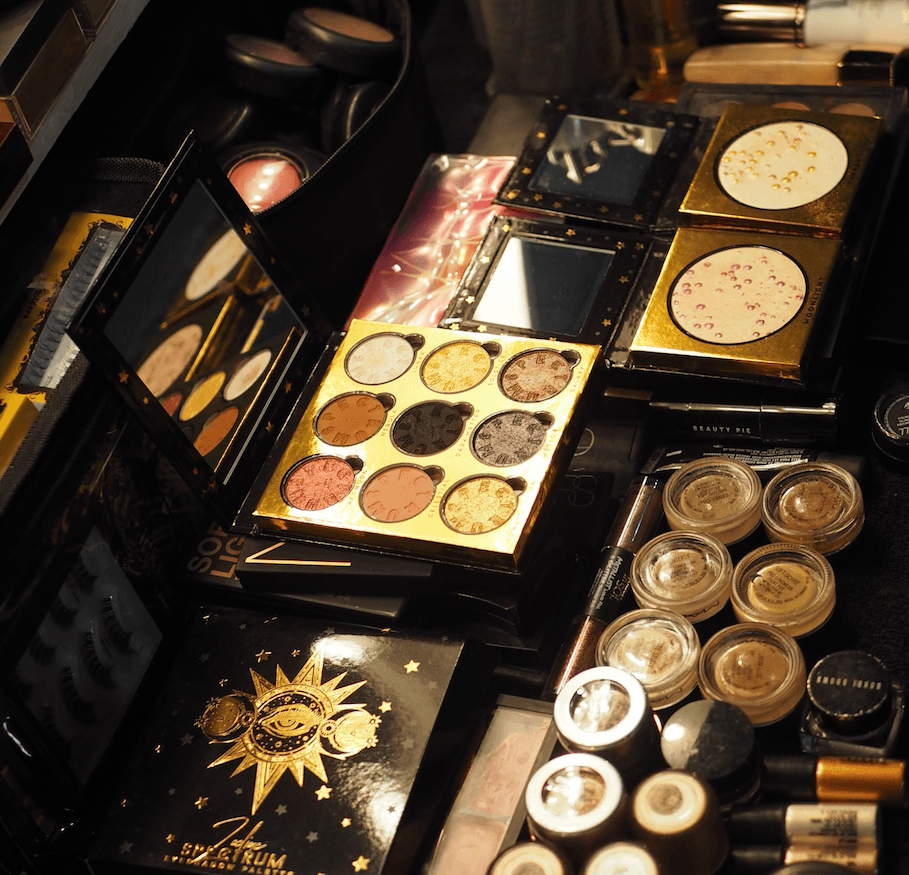
✔ Disinfect powder palettes with alcohol spray
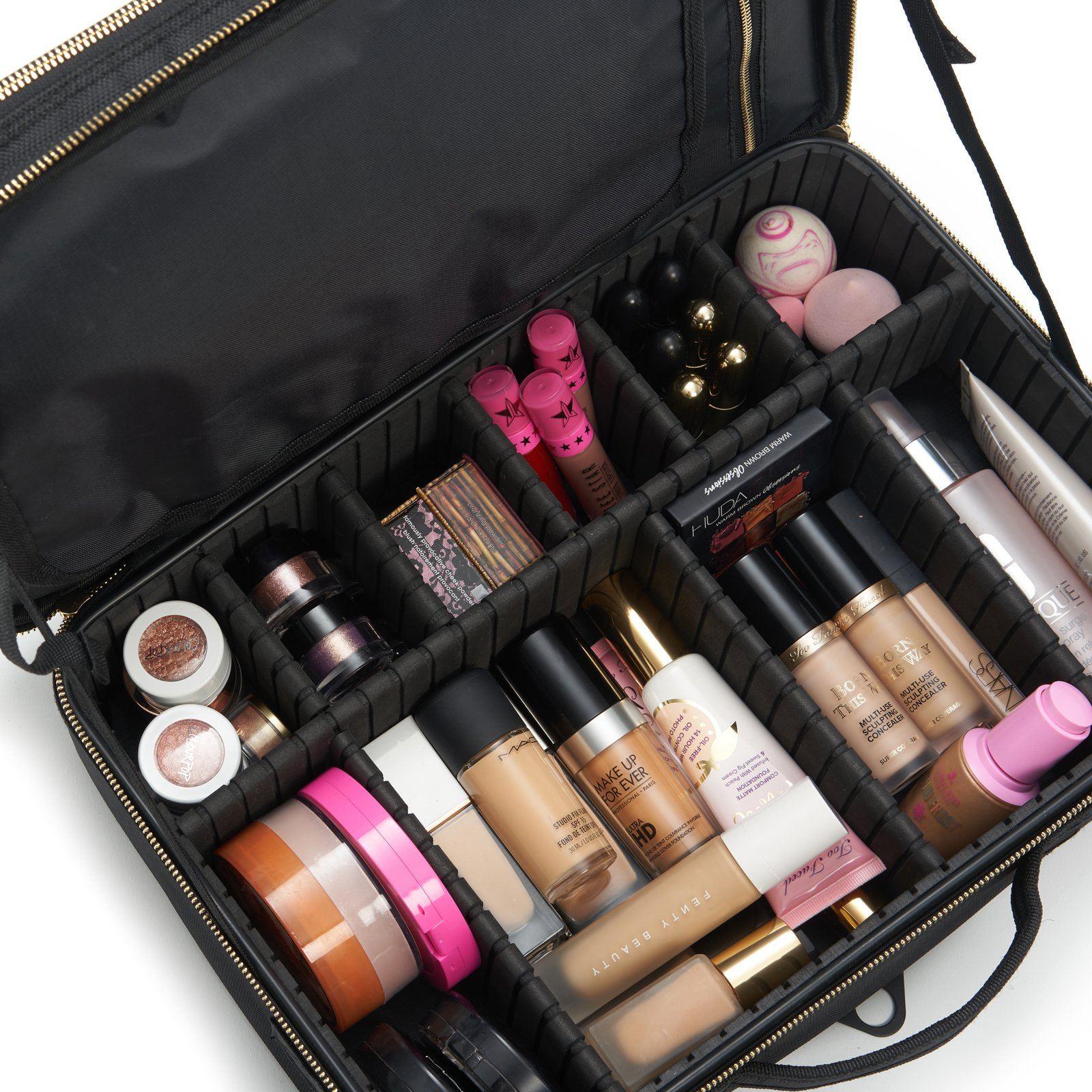
✔ Clean makeup bags and organizers
✔ Wipe compact mirrors and product packaging
✔ Check expiration dates on products
✔ Throw away dried or expired items
This routine keeps your kit clean, organized, and safe for skin use. 💎
Tool-Specific Hygiene Guide
Different tools require slightly different care routines.
Makeup Brushes
Spot clean after heavy use
Deep clean weekly
Replace when bristles shed excessively
Good brushes can last years if maintained properly.
Makeup Sponges
Replace every 1–3 months depending on usage.
Signs it’s time to replace:
Tears in the sponge
Persistent stains
Loss of elasticity
Sponges are inexpensive and designed to be frequently replaced.
Eyelash Curlers
Clean weekly with alcohol to remove mascara residue.
Old mascara buildup can cause:
Bacteria growth
Lash breakage
Sticky curling pads
Replace the rubber pad every 3–6 months.
Tweezers and Metal Tools
These tools are easy to sanitize.
Simply wipe them with:
Alcohol wipes
Disinfectant spray
Metal tools should be sanitized after each use when possible.
Makeup Bags
Your makeup bag can quietly collect:
Powder fallout
Product spills
Dust and debris
Turn the bag inside out and wipe it down every month.
Fabric bags can often be machine washed.
Product Hygiene Tips Most People Forget


4
Tools aren’t the only things that need cleaning—your makeup products do too.
Lipstick sanitation
Spray lightly with alcohol and wipe the surface with a tissue.
This removes bacteria that may transfer from lips.
Cream products
If cream blush or foundation looks dry or crusty on top, scrape the surface gently with a clean spatula.
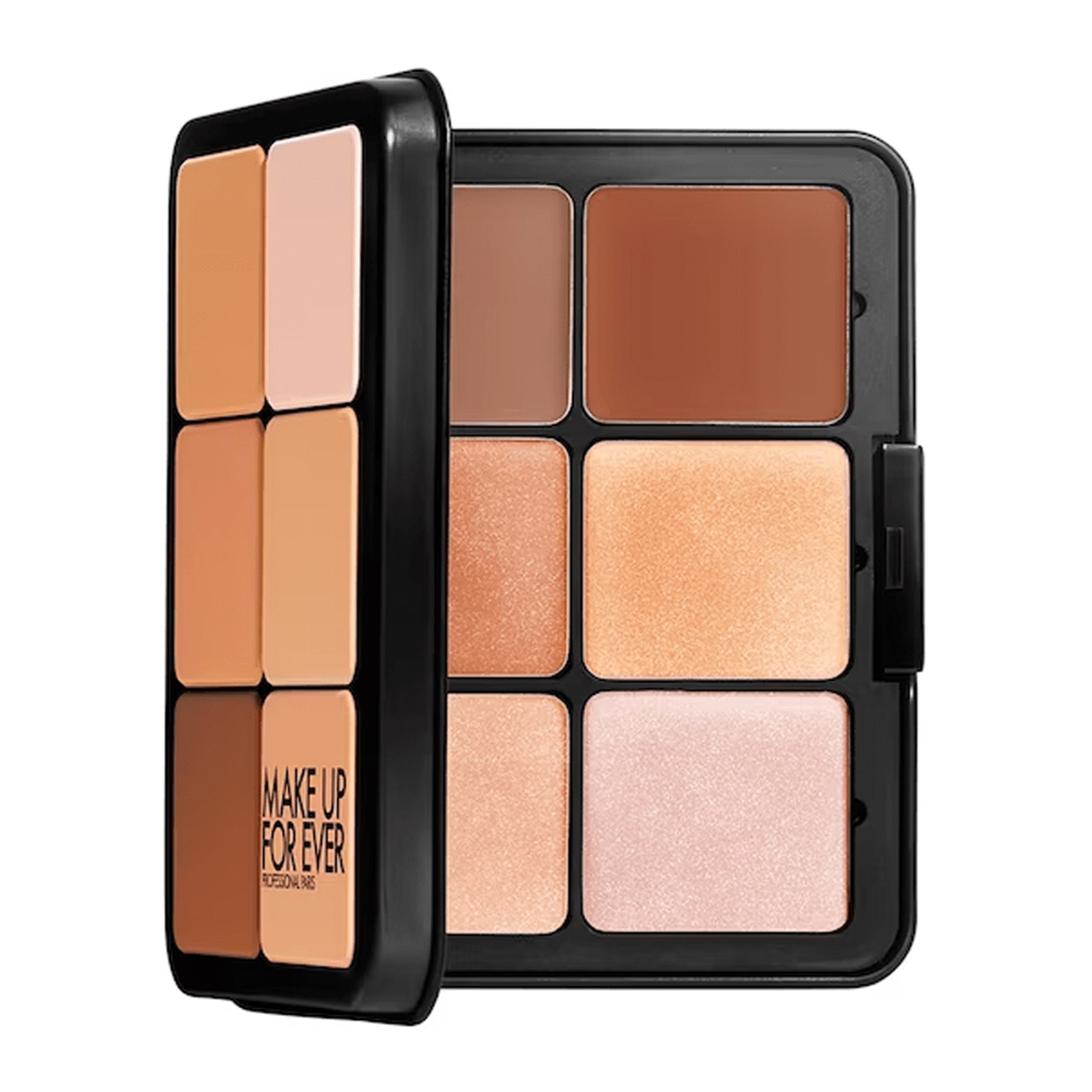
Powder palettes
Lightly mist with alcohol spray and let them air dry.
This helps eliminate bacteria without damaging the formula.
Never share eye makeup
Mascara and liquid eyeliner are high-risk products for contamination.
Sharing them can easily spread bacteria and infections.
Signs Your Makeup Kit Needs Immediate Cleaning
Sometimes your tools will signal that hygiene is overdue.
Watch for these warning signs:
Brushes feel stiff or sticky
Sponges smell unpleasant
Makeup application looks patchy
Breakouts appear where brushes touch your face
Tools leave streaks instead of blending
If any of these occur, it’s time for a deep clean immediately.
The Pro Makeup Artist Hygiene Secrets
Professional artists often follow additional sanitation rules that dramatically improve safety.
Use disposable tools when possible
MUAs frequently use:
Disposable mascara wands
Disposable lip applicators
Disposable sponges
These eliminate cross-contamination.
Keep two sets of brushes
Many artists rotate between clean and dirty sets.
This ensures brushes are always fully dry before reuse.
Never double dip
Professionals scoop cream products onto a palette instead of dipping brushes directly into containers.
This protects the product from contamination.
Sanitize between every client
A professional kit is constantly disinfected using alcohol sprays and brush cleansers.
While this level of cleaning isn’t necessary for personal use, adopting some of these habits keeps your routine much cleaner.
The Simple Weekly Hygiene Schedule
Here’s an easy schedule to remember.
Daily
Sanitize brushes used with liquids
Wipe metal tools
Weekly
Wash brushes used with foundation or concealer
Wash sponges
Monthly
Deep clean all tools
Sanitize palettes
Wash makeup bags
Every 3–6 months
Replace sponges
Replace mascara
Replace eyelash curler pads
This simple system keeps your kit clean without feeling overwhelming.
Clean Tools = Better Makeup

4
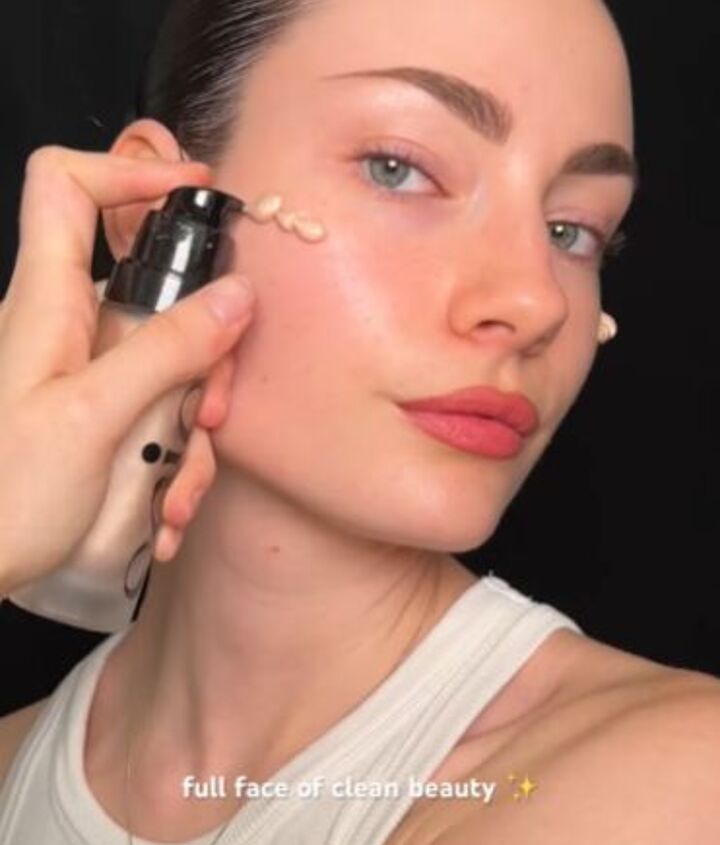
One of the biggest surprises people notice after improving hygiene is how much better their makeup looks.
Clean brushes deliver:
✨ smoother blending
✨ softer powder finishes
✨ more even foundation coverage
✨ brighter skin appearance
Even expensive makeup won’t perform well if tools are dirty.
Healthy skin and beautiful makeup often start with something simple: clean brushes and sanitized tools.
Final Thoughts
Makeup hygiene is one of the most overlooked beauty habits—but it may be one of the most important.
Clean tools protect your skin, extend the life of your products, and improve makeup performance dramatically. You don’t need a professional studio to maintain great hygiene. A simple routine of daily touch-ups, weekly washes, and monthly resets keeps your kit fresh and safe. 🌍
Once these habits become part of your routine, maintaining a clean makeup kit feels effortless—and your skin will thank you for it.
Because in beauty, the real glow often starts with clean tools, healthy skin, and smart habits. 💡
