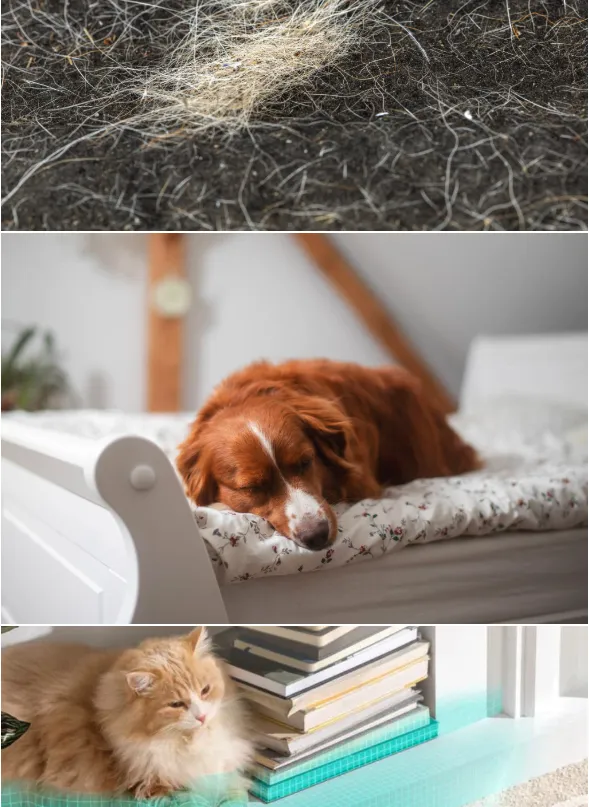
Why Sleeping With Your Dog Might Be Affecting Your Skin
Why Sleeping With Your Dog Might Be Affecting Your Skin
Few nightly rituals feel as comforting as curling up in bed with your dog. The warmth, companionship, and sense of calm that pets bring can genuinely improve mental well-being. Studies consistently show that living with pets reduces stress, lowers blood pressure, and supports emotional health.
But there’s a side of this cozy habit that often goes unnoticed: your skin may be paying the price.
Dermatologists and microbiome researchers are increasingly studying how close contact with pets—especially while sleeping—can influence skin health. From bacteria transfer to allergens and disrupted skincare routines, sharing your bed with your dog can sometimes lead to breakouts, irritation, or persistent skin issues.
This doesn’t mean you must banish your dog from the bedroom. Instead, understanding how pets interact with your skin environment helps you make smarter choices for both comfort and complexion. 💡
Let’s explore what actually happens when your dog shares your pillow—and how to keep your skin healthy without sacrificing those nighttime cuddles.
The Skin Environment You Sleep In Matters
Your skin does most of its repair work at night. While you sleep, several critical processes happen:
Skin cells regenerate
Collagen production increases
Barrier repair occurs
Inflammation decreases
Hydration levels rebalance
Dermatologists often refer to this period as the skin’s overnight recovery window. 🧬
However, your sleep environment plays a major role in how well these processes work.
Clean pillowcases, breathable fabrics, and a stable temperature help maintain optimal conditions for skin repair. When you add a pet into the mix—especially one that spends time outdoors—the environment changes.
Dogs bring several invisible elements into bed with them:
Dirt and environmental debris
Bacteria from outdoor surfaces
Natural oils from fur
Allergens such as pollen
Microscopic dander particles
Even when your dog appears clean, their fur can act like a carrier for environmental particles, many of which transfer to your bedding overnight.
For sensitive skin, this added exposure can disrupt the delicate balance your skin tries to restore while you sleep.
Bacteria Transfer: The Microbiome Factor
Your skin hosts an ecosystem of microorganisms called the skin microbiome. This collection of bacteria, fungi, and microbes plays a crucial role in keeping skin healthy.
When balanced, the microbiome helps:
Prevent acne-causing bacteria from spreading
Reduce inflammation
Strengthen the skin barrier
Protect against infections
But external microbes can disturb this balance.
Dogs naturally carry different bacterial species than humans. When pets share close contact—especially on pillows or near the face—some of these microbes can transfer onto the skin.
Research has shown that pet owners often share certain microbiome traits with their animals. While this isn’t inherently harmful, it can sometimes create conditions that worsen existing skin concerns, particularly:
Acne
Perioral dermatitis
Folliculitis
Sensitive skin reactions
If your dog sleeps near your face or rests on your pillow, the chance of microbial transfer increases significantly. 🔬
For individuals already prone to breakouts, this shift in bacteria can sometimes trigger stubborn flare-ups.
Pet Dander and Skin Irritation
Most people think of pet allergies as a respiratory issue—sneezing, itchy eyes, or congestion. But pet dander can also irritate the skin directly.
Dander consists of microscopic flakes of skin shed by animals. These particles easily settle into bedding, pillows, and fabrics.
For sensitive individuals, dander exposure may trigger:
Redness
Itching
Small bumps
Flare-ups of eczema
Increased skin sensitivity
Because you spend six to eight hours each night in close contact with bedding, exposure to these particles can be prolonged.
This extended exposure can make skin irritation more persistent than daytime contact with pets.
People with conditions like eczema or rosacea often notice that their symptoms worsen when allergens accumulate in their sleep environment. 🌿
Fur Oils and Skin Congestion
Dogs produce natural oils in their fur and skin that help protect their coat. These oils are healthy for animals—but they’re not always compatible with human facial skin.
When dogs lie on pillows or blankets, these oils can transfer onto fabrics. Over time, this buildup may mix with:
Sweat
Skincare residue
Environmental dirt
The result can be a heavier, more pore-clogging sleep surface.
For acne-prone skin, this combination increases the risk of congestion, particularly around the cheeks and jawline—areas that commonly touch pillows during sleep.
If you’ve ever noticed breakouts concentrated on one side of your face, your sleep environment—including pet contact—could be part of the explanation.
Outdoor Allergens Hitchhiking Into Bed
Dogs spend time outdoors where they encounter pollen, dust, mold spores, and pollution particles.
Even after a quick wipe-down, these microscopic allergens can remain in their fur.
When dogs jump onto the bed, they may deposit these particles into bedding and pillowcases. Over time, this buildup creates an environment where skin is repeatedly exposed to irritants throughout the night.
Common reactions include:
Facial redness
Tiny bumps
Increased skin sensitivity
Post-inflammatory pigmentation after irritation
For individuals with reactive skin types, this constant allergen exposure can make it harder to maintain a calm, balanced complexion.
Saliva Contact and Skin Reactions
Many dogs love showing affection through licking. While this behavior feels harmless, dog saliva contains enzymes and bacteria that may irritate human skin.
Repeated exposure can sometimes lead to:
Contact dermatitis
Acne flare-ups
Skin barrier irritation
Small inflammatory bumps
The issue becomes more noticeable if your dog licks your face shortly before bedtime.
During sleep, skin temperature rises slightly, and pores become more active. When saliva residue remains on the skin overnight, it may increase the chance of irritation.
For sensitive or acne-prone skin, this can contribute to recurring skin issues.
Interrupted Sleep and Skin Stress
Another factor many people overlook is sleep quality.
Dogs can disrupt sleep through movement, snoring, repositioning, or waking up during the night.
Even small interruptions reduce time spent in deep restorative sleep stages.
Why does this matter for your skin?
Sleep deprivation affects several biological processes tied to skin health:
Cortisol (stress hormone) increases
Collagen repair decreases
Inflammation rises
Skin barrier recovery slows
Over time, poor sleep can contribute to:
Dullness
Breakouts
Dark circles
Slower healing of blemishes
So while your dog may provide emotional comfort, frequent nighttime disturbances can indirectly influence skin health.
When Sleeping With Your Dog Is Totally Fine
Not everyone experiences skin issues from sharing a bed with their dog.
Many people maintain perfectly healthy skin despite nightly pet cuddles.
Several factors influence whether problems appear:
Individual skin sensitivity
Allergy status
Dog grooming habits
Bedding hygiene
Skincare routine consistency
For example, someone with resilient skin and strong barrier function may tolerate microbial exposure without any visible effects.
Meanwhile, someone with acne-prone or reactive skin may notice changes quickly.
Understanding your skin’s unique response helps determine whether adjustments are necessary.
How Pet Owners Can Protect Their Skin
The good news is that you don’t necessarily need to give up sleeping near your dog. Instead, a few strategic habits can dramatically reduce skin issues.
Wash Bedding More Frequently
Pet owners should ideally wash pillowcases two to three times per week.
This removes:
Fur oils
Dander
Dirt
Skincare buildup
Fresh bedding significantly reduces overnight skin exposure to irritants.
Keep Dogs Clean
Regular grooming helps reduce environmental particles carried into the bed.
Helpful habits include:
Weekly brushing
Paw cleaning after walks
Regular bathing (based on breed recommendations)
Even simple paw wipes can reduce dirt transfer.
Avoid Face Contact Before Bed
If your dog licks your face frequently, consider gently redirecting that affection away from facial skin—especially before bedtime.
This small change can reduce saliva-related irritation.
Maintain a Strong Skin Barrier
Healthy skin barriers tolerate environmental exposure better.
Focus on barrier-supporting skincare ingredients such as:
Ceramides
Niacinamide
Panthenol
Hyaluronic acid
These ingredients help skin remain resilient against irritants.
Consider Pet-Free Pillow Zones
Some pet owners create a simple compromise: dogs can sleep on the bed but not on pillows.
This keeps the face area cleaner while preserving the emotional comfort of sharing the bed.
Even small boundaries like this can reduce skin exposure to allergens and bacteria.
The Emotional Benefits of Sleeping With Pets
While the skincare concerns are real, it’s also important to acknowledge the mental health benefits pets provide.
Many people sleep better emotionally when their pets are nearby. Dogs can reduce stress, provide a sense of safety, and ease anxiety—factors that indirectly support overall health.
Lower stress levels can positively influence skin by reducing cortisol-driven inflammation.
So the goal isn’t necessarily to eliminate pet contact entirely, but rather to balance comfort with skin care awareness.
The Bottom Line
Sleeping with your dog isn’t inherently bad for your skin—but it can introduce environmental factors that influence breakouts, irritation, or sensitivity.
Pet dander, bacteria transfer, outdoor allergens, and disrupted sleep all play potential roles.
For many pet owners, the solution isn’t removing the dog from the bed entirely. Instead, small adjustments—like cleaner bedding, better grooming habits, and mindful skincare—can help maintain healthy skin while keeping your beloved companion close.
After all, glowing skin and happy pets don’t have to be mutually exclusive. ✨🐾
