Regenerative Haircare: What It Means and What to Look For
Regenerative Haircare: What It Means and What to Look For
The beauty industry is experiencing a quiet but powerful shift. For decades, haircare largely focused on cosmetic improvements — smoother strands, shinier finishes, and temporary repair. But today, a new category is emerging that promises something deeper: regeneration rather than simple repair.
Regenerative haircare represents the intersection of biotechnology, dermatology, and cosmetic science, targeting the scalp and hair follicle environment rather than just the visible hair shaft. The goal is not merely to mask damage but to restore the biological systems that produce healthy hair in the first place.
From peptide-rich serums to microbiome-balancing scalp treatments, regenerative haircare is quickly becoming one of the most exciting frontiers in modern beauty. But with the term gaining popularity, it can also be confusing for consumers trying to distinguish genuine innovation from marketing buzzwords.
Understanding what regenerative haircare truly means — and how to identify products that actually deliver results — is the key to navigating this fast-growing category.
The Shift From Repair to Regeneration


4
Traditional haircare products focus primarily on surface-level improvement. Conditioners coat the hair shaft, oils smooth the cuticle, and protein treatments temporarily patch damaged areas.
These solutions can make hair look and feel healthier, but they rarely address the root causes of hair weakness, thinning, or slow growth.
Regenerative haircare takes a different approach. Instead of focusing on the hair strand alone, it targets the biological environment of the scalp and follicle, where hair growth actually occurs.
This includes:
Supporting follicle health
Encouraging cell renewal
Strengthening the scalp barrier
Balancing the scalp microbiome
Improving blood circulation and nutrient delivery
Hair follicles function like tiny organs embedded in the skin. Each follicle goes through a growth cycle consisting of three phases:
Anagen (growth phase)
Catagen (transition phase)
Telogen (resting phase)
Regenerative treatments aim to extend the growth phase and support follicle vitality, allowing hair to grow thicker, stronger, and longer over time.
This biological perspective is what distinguishes regenerative haircare from traditional cosmetic treatments.
Why the Scalp Is the Foundation of Healthy Hair

4
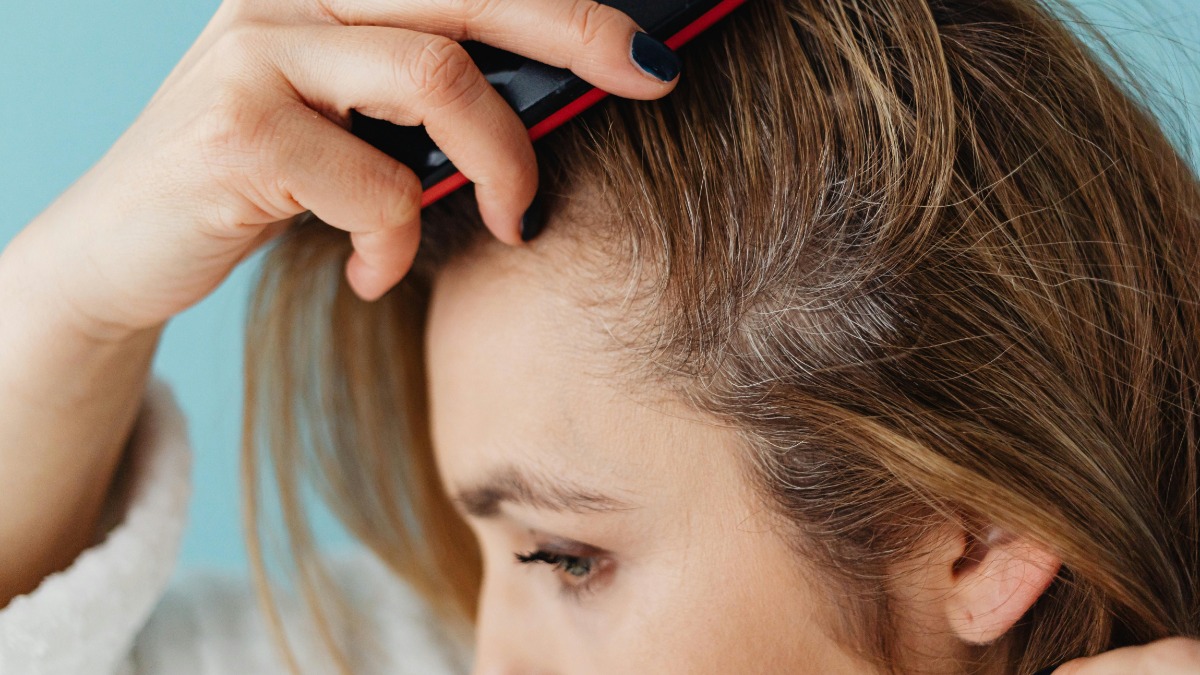
Modern trichology — the scientific study of hair and scalp health — increasingly emphasizes one key idea: hair health begins with the scalp.
The scalp is essentially an extension of facial skin, but with a higher density of hair follicles and sebaceous glands. Like facial skin, it can experience inflammation, dehydration, microbiome imbalance, and environmental stress.
When the scalp is compromised, hair quality often suffers.
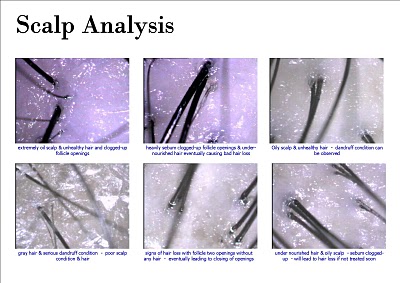
Common scalp conditions that affect hair health include:
Chronic dryness
Excess oil production
Microbial imbalance
Inflammation
Product buildup
Poor circulation
These issues can weaken follicles and disrupt the natural hair growth cycle.
Regenerative haircare treats the scalp as skincare rather than simply a hair surface, incorporating ingredients that support long-term scalp resilience and biological balance.
This “scalp-first” philosophy is one of the defining principles of the regenerative movement.
Key Technologies Powering Regenerative Haircare
4
Several cutting-edge technologies are helping drive the regenerative haircare category forward. These ingredients and innovations are designed to support follicle health and cellular activity rather than simply coating the hair shaft.
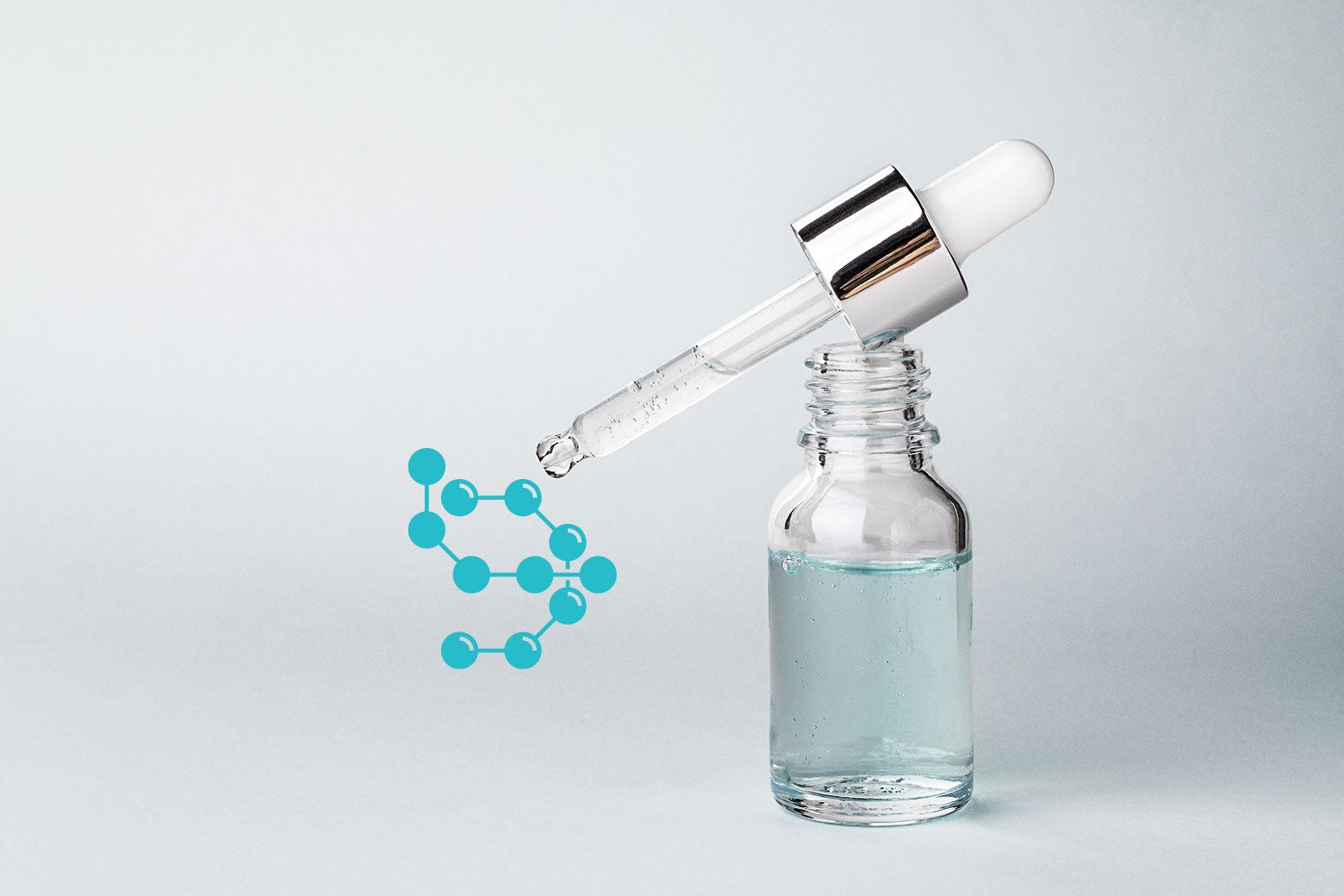
Peptides
Peptides are small chains of amino acids that act as biological signaling molecules. In haircare, certain peptides may help stimulate follicles and support keratin production.
They are often used in:
Hair density serums
Scalp treatments
Anti-thinning formulas
Because peptides can influence cellular communication, they are increasingly popular in science-driven scalp care products.
Growth Factors
Growth factors are proteins that play a role in cell repair and regeneration. In medical dermatology, they are widely studied for skin healing and tissue regeneration.
In haircare formulations, growth factor technology aims to support:
Follicle health
Cellular turnover
Hair shaft strength
Although research is still evolving, these ingredients are considered one of the most promising areas in advanced hair science.
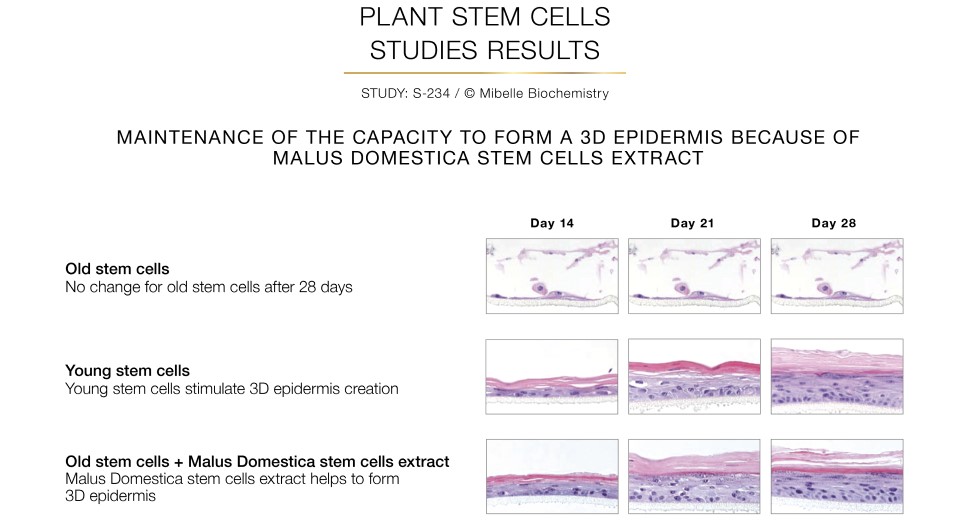
Plant Stem Cells
Plant stem cell extracts are another innovative ingredient appearing in regenerative formulas. These botanical actives are valued for their antioxidant and protective properties, which may help shield follicles from environmental stress.
They are commonly derived from plants known for longevity and resilience, such as:
Edelweiss
Apple stem cells
Argan plant cultures
While they do not function exactly like human stem cells, they can help protect scalp tissue from oxidative damage.
Microbiome-Supporting Ingredients
The scalp microbiome — the community of microorganisms living on the skin — plays an important role in maintaining balance.
Regenerative products increasingly include prebiotics and postbiotics that support beneficial microbes and reduce inflammatory triggers.
A balanced microbiome may help minimize issues such as:
dandruff
irritation
excess oil production
scalp sensitivity
Ingredients That Support Hair Regeneration
Beyond advanced biotechnology ingredients, many regenerative haircare products rely on well-researched scalp-supporting compounds.
Some of the most effective include:
Niacinamide
This vitamin B3 derivative supports circulation and skin barrier function, helping create a healthier scalp environment.
Caffeine
Caffeine is often used in anti-thinning products because it may help stimulate follicle activity and improve blood flow to the scalp.
Panthenol (Pro-Vitamin B5)
Panthenol improves hair elasticity and hydration while supporting scalp moisture balance.
Ceramides
Ceramides reinforce the scalp barrier, helping reduce irritation and protect follicles from environmental stress.
Adaptogenic Botanicals
Ingredients such as ginseng, rosemary, and ashwagandha are increasingly incorporated into scalp treatments because of their circulation-enhancing and antioxidant properties.
These ingredients work together to create an environment where hair follicles can perform optimally.
Regenerative Haircare vs Hair Growth Products
One common misconception is that regenerative haircare is simply another name for hair growth treatments.
While the two categories overlap, they are not identical.
Hair growth products often rely on pharmaceutical or drug-based ingredients that directly stimulate hair growth cycles.
Regenerative haircare, by contrast, focuses on supporting the scalp ecosystem and follicle health so hair can grow naturally and sustainably.
Rather than forcing growth, regenerative formulas aim to restore the biological conditions necessary for healthy hair production.
This makes them especially appealing to consumers seeking long-term hair resilience rather than quick cosmetic fixes.
How to Identify Genuine Regenerative Haircare
Because regenerative haircare has become a major industry buzzword, it is important to evaluate products carefully.
True regenerative formulas typically share several characteristics.
Science-Driven Formulation
Look for brands that reference clinical research, dermatology expertise, or trichology studies.
Marketing claims alone are not enough.
Scalp-Focused Products
Regenerative systems usually include products designed specifically for the scalp, such as:
scalp serums
exfoliating treatments
microbiome-balancing shampoos
follicle-supporting tonics
Long-Term Treatment Philosophy
Unlike quick cosmetic fixes, regenerative haircare often requires consistent use over several months to see noticeable improvements.
Brands that emphasize patience and biological cycles are often more credible.
Ingredient Transparency
Trustworthy regenerative brands clearly list their active ingredients and explain their scientific purpose.
Vague ingredient lists or excessive fragrance can signal that a product is more cosmetic than regenerative.
The Role of Professional Treatments


4
In addition to at-home products, regenerative haircare is increasingly appearing in clinical and salon-based treatments.
Some of the most popular include:
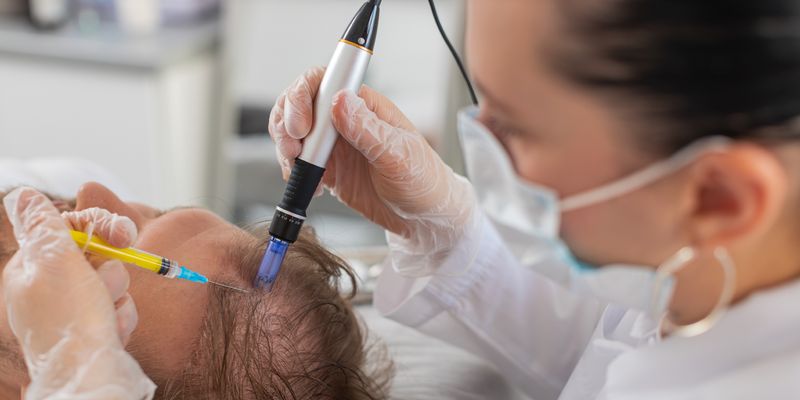
Microneedling for the Scalp
Microneedling uses tiny needles to create controlled micro-injuries in the skin, which may stimulate collagen production and improve ingredient absorption.
LED Light Therapy
Red and near-infrared light therapy are studied for their potential to stimulate follicle activity and reduce inflammation.
Growth Factor Treatments
Some clinics offer advanced treatments using growth factor serums designed to support follicle regeneration.
These procedures are often combined with regenerative home care for better long-term results.
Why Regenerative Haircare Is the Future of Beauty
Several broader trends are pushing regenerative haircare into the spotlight.
Longevity Beauty
Consumers are increasingly interested in long-term hair health and aging prevention, rather than quick cosmetic improvements.
Skincare-Level Haircare
Haircare is becoming more sophisticated, borrowing scientific approaches from the skincare industry.
Personalization
Advances in scalp analysis technology allow treatments to be tailored to individual scalp conditions.
Biotechnology Innovation
The rise of biotech beauty brands is accelerating research into follicle biology and regenerative ingredients.
These factors are helping transform haircare into a science-driven wellness category.
Building a Regenerative Haircare Routine
For those interested in incorporating regenerative principles into their routine, a simple approach can be surprisingly effective.
A typical regimen might include:
Gentle microbiome-friendly shampoo
Barrier-supporting scalp serum
Follicle-stimulating treatment
Weekly scalp exfoliation
Nutrient-rich conditioner or mask
Consistency is essential, because hair growth cycles occur slowly.
Most people begin noticing visible improvements after three to six months of regular use.
Final Thoughts
Regenerative haircare represents a profound shift in how the beauty industry approaches hair health.
Instead of focusing solely on cosmetic improvements, this emerging category recognizes that healthy hair begins with healthy biology — thriving follicles, balanced scalp ecosystems, and resilient skin barriers.
By combining biotechnology, dermatological research, and advanced ingredient innovation, regenerative haircare offers a path toward stronger, fuller, and more resilient hair over time.
For consumers willing to invest in science-backed treatments and long-term scalp care, the future of hair health may be not just repair — but true regeneration. 🌿
