The Grooming Routine Every Pet Owner Should Know
The Grooming Routine Every Pet Owner Should Know


4
Pets have quietly become part of our wellness routines. They wake us up for morning walks, curl up beside us during quiet evenings, and bring a sense of companionship that many owners now consider essential to their daily lives. Yet while the emotional benefits of living with pets are widely celebrated, one aspect often overlooked is grooming.
A thoughtful grooming routine is far more than a cosmetic practice. It plays a vital role in your pet’s health, comfort, and even longevity. Clean coats help regulate body temperature, regular brushing improves circulation, and consistent grooming allows owners to detect skin issues or health concerns early.
In recent years, pet grooming has evolved from an occasional bath into a holistic care ritual—one that blends hygiene, wellness, and bonding. Modern pet owners are embracing grooming as part of a lifestyle approach to pet care.
This guide explores the grooming routine every pet owner should know, offering practical steps to keep your pet healthy while making the process calm, enjoyable, and effective.
Why Grooming Matters More Than Many Pet Owners Realize
Grooming is often associated with appearance, but its real value lies in preventive care. A well-maintained grooming routine helps support several aspects of your pet’s health.
First, grooming keeps the skin and coat in optimal condition. Brushing distributes natural oils through the fur, keeping it shiny while preventing dryness and irritation.
Second, grooming helps prevent painful issues like matting, which can pull on the skin and lead to infection. Long-haired breeds are particularly vulnerable if their coats are neglected.
Third, regular grooming sessions allow owners to monitor subtle health changes. Small lumps, skin irritation, parasites, or unusual hair loss often appear first during brushing or bathing.
Finally, grooming supports hygiene in the home. Pets carry dirt, pollen, and environmental debris in their fur. Regular cleaning helps maintain a healthier living space for both pets and people.
When done correctly, grooming becomes an act of care that benefits both pet and owner.
Building a Calm and Positive Grooming Environment
Before starting any grooming routine, it’s important to create a comfortable setting for your pet.
Many animals associate grooming with stress if it’s rushed or uncomfortable. The key is to turn the process into a relaxed, predictable ritual.
Start by choosing a quiet space with good lighting and minimal distractions. Lay out all tools beforehand so the session flows smoothly. Soft towels, gentle brushes, and lukewarm water can help make the experience soothing rather than overwhelming.
Positive reinforcement is also essential. Offering treats or praise during grooming helps pets build a positive association with the routine.
Over time, pets begin to recognize grooming sessions as moments of attention and bonding rather than something to avoid.
Step 1: Regular Brushing for Coat Health


4
Brushing is the foundation of any grooming routine. It removes loose hair, prevents tangles, and distributes the natural oils that keep a pet’s coat healthy.
The frequency of brushing depends on the type of coat your pet has.
Short-haired pets may only need brushing once or twice a week. Long-haired breeds, however, benefit from daily brushing to prevent mats and knots.
Using the correct brush is equally important. Slicker brushes work well for thick coats, while bristle brushes are ideal for smooth coats. For pets with dense undercoats, specialized de-shedding tools can help manage seasonal shedding.
Brushing also improves circulation by stimulating the skin. This small act of care contributes to healthier fur growth and overall coat quality.
Many owners find brushing to be one of the most enjoyable parts of pet care because it creates a calm, bonding moment.
Step 2: Bathing Without Overwashing


4
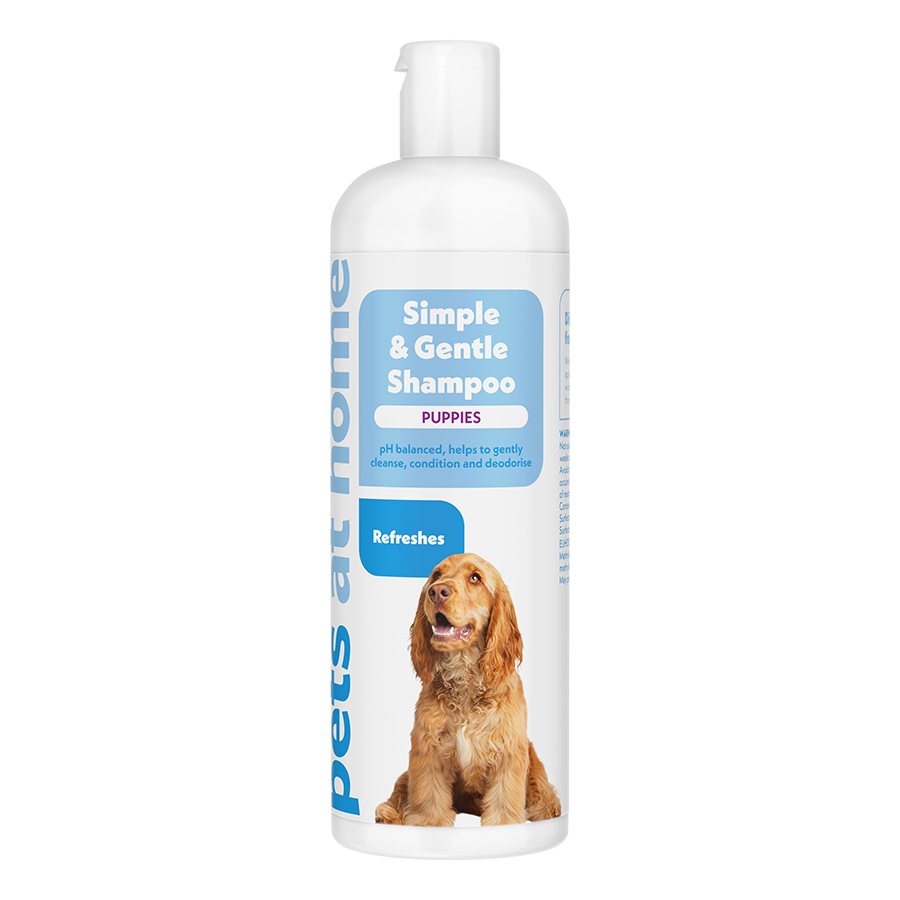
Bathing is often misunderstood in pet care. While cleanliness is important, overwashing can actually harm your pet’s skin by stripping away natural oils.
Most pets only need a bath every four to six weeks, though this can vary depending on their lifestyle and coat type.
Outdoor pets, dogs that love mud or swimming, and pets with skin conditions may require more frequent bathing.
Always use shampoos formulated specifically for pets. Human shampoos are too harsh for animal skin and can disrupt their natural pH balance.
When bathing your pet, use lukewarm water and gentle motions. Rinse thoroughly, as leftover shampoo can cause irritation or itching.
Drying is just as important as washing. Soft towels and low-heat dryers can help prevent moisture from lingering in the coat, which may lead to skin problems.
Done correctly, bath time becomes a refreshing reset for your pet’s coat and skin.
Step 3: Nail Care and Paw Maintenance


4
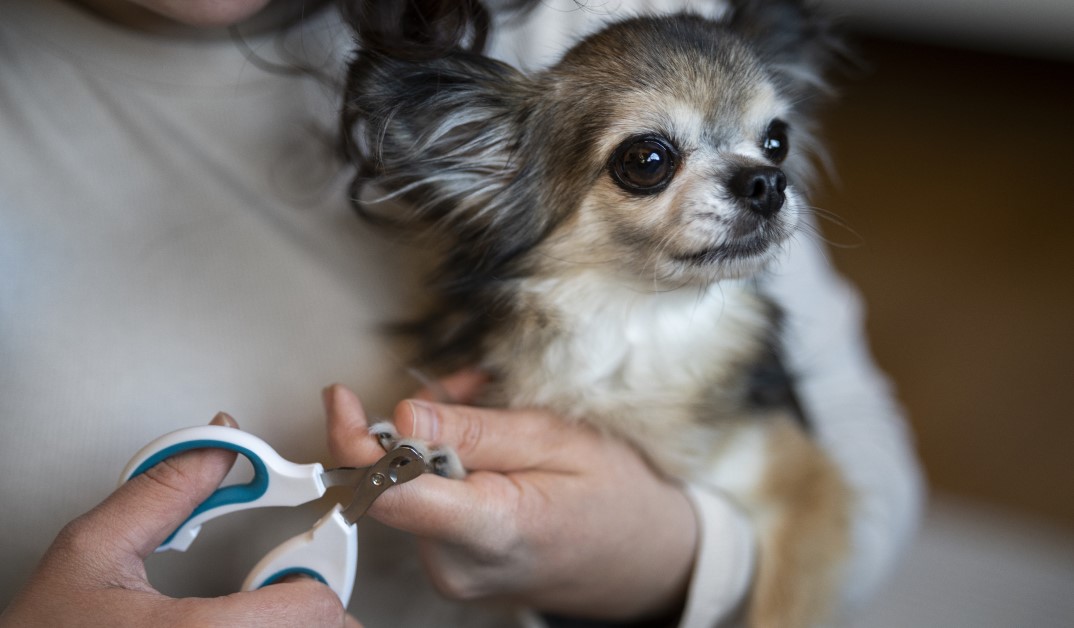
Nail care is one of the most overlooked aspects of pet grooming, yet it plays a crucial role in mobility and comfort.
When nails grow too long, they can alter a pet’s posture and walking pattern, potentially leading to joint discomfort or injury.
Regular nail trimming keeps paws healthy and balanced. Most pets require trimming every three to four weeks, though active pets that walk frequently on pavement may naturally wear down their nails.
If trimming nails feels intimidating, start slowly. Trim only small amounts at a time and reward your pet afterward.
Paw care also includes checking for debris, small cuts, or dryness between the pads. Keeping paw pads clean and moisturized helps protect them from rough surfaces and environmental irritants.
Healthy paws are essential for active, happy pets.
Step 4: Ear and Eye Care
A complete grooming routine includes attention to delicate areas like the ears and eyes.
Pets with floppy ears are particularly prone to moisture buildup, which can create an environment for bacteria and yeast infections. Regular ear cleaning helps prevent these issues.
Use veterinarian-approved ear cleaning solutions and soft cotton pads. Avoid inserting anything deep into the ear canal.
Eyes should also be checked regularly for discharge or irritation. Some breeds are more prone to tear staining, which can be gently cleaned with damp cotton pads.
Monitoring these areas during grooming helps detect early signs of infection or allergies.
Consistent care keeps these sensitive areas healthy and comfortable.
Step 5: Dental Hygiene for Long-Term Health
Many pet owners underestimate the importance of dental care.
Yet dental disease is one of the most common health problems in pets. Plaque buildup can lead to gum infections, tooth loss, and even systemic health issues.
Regular tooth brushing is one of the most effective ways to maintain oral health. Pet-specific toothpaste and soft brushes make the process safe and manageable.
For pets resistant to brushing, dental chews or water additives can provide additional support.
Healthy teeth contribute not only to fresher breath but also to improved overall wellness.
Seasonal Grooming Adjustments
Grooming routines should adapt throughout the year.
During warmer months, pets often shed heavily as they lose their winter coats. Frequent brushing during this period helps manage shedding and keeps coats breathable.
In colder months, pets may require less frequent bathing but more attention to coat maintenance, especially if their fur becomes thick and dense.
Climate, environment, and activity level all influence grooming needs.
By adjusting routines seasonally, pet owners ensure their pets remain comfortable year-round.
The Emotional Benefits of Grooming
Beyond physical health, grooming offers emotional benefits for both pets and their owners.
Animals respond strongly to gentle touch and attention. Grooming sessions become moments of connection that strengthen the human–animal bond.
For many owners, grooming also creates a sense of mindfulness. The slow, attentive process encourages calm and presence, turning a simple task into a quiet ritual.
Pets, in turn, learn to trust and relax during these moments of care.
In this way, grooming becomes not just maintenance—but meaningful interaction.
Signs Your Pet’s Grooming Routine Needs Improvement
Even well-intentioned pet owners sometimes miss signs that their grooming routine needs adjustment.
Watch for these indicators:
• Persistent itching or scratching
• Matted fur or tangles
• Unpleasant odors
• Red or irritated skin
• Long or curling nails
• Excessive shedding
These signs often indicate that grooming frequency or technique needs improvement.
Addressing these issues early helps prevent larger health concerns.
When Professional Grooming Is the Better Option
While many grooming tasks can be done at home, professional groomers offer specialized care that may benefit certain pets.
Breeds with complex coats—such as poodles or long-haired cats—often require professional trimming to maintain coat health.
Senior pets or animals with mobility issues may also benefit from experienced handling.
Professional groomers are trained to recognize skin conditions, parasites, and coat abnormalities that owners might overlook.
Combining home grooming with occasional professional sessions creates a balanced approach to care.
The Modern Pet Grooming Philosophy
Pet care has evolved dramatically over the past decade.
Today’s pet owners view grooming not simply as maintenance, but as part of a holistic wellness routine. Clean coats, healthy skin, comfortable paws, and good dental hygiene all contribute to a pet’s overall quality of life.
The modern grooming routine emphasizes gentle care, high-quality products, and consistent attention.
Rather than occasional intensive grooming sessions, experts now recommend smaller, regular rituals that keep pets healthy and stress-free.
This approach transforms grooming from a chore into a nurturing habit.
Final Thoughts
The grooming routine every pet owner should know is built on consistency, care, and attentiveness.
Brushing, bathing, nail care, ear cleaning, and dental hygiene each play an essential role in maintaining your pet’s health. Together, these practices form a comprehensive routine that supports both physical wellness and emotional bonding.
When approached thoughtfully, grooming becomes more than a task. It becomes a moment of connection, a chance to observe your pet’s well-being, and an opportunity to ensure they live comfortably and happily.
After all, a well-groomed pet is not only healthier—but also more relaxed, confident, and ready to enjoy life alongside the people who care for them most. 🌿🐾💎
