The Beauty Hygiene Rule Most People Ignore
The Beauty Hygiene Rule Most People Ignore
Perfect makeup isn’t just about the right foundation or the latest blush trend. Behind every flawless application is something far less glamorous but equally important: clean tools. ✨
Makeup brushes, sponges, puff pads, and lash tools quietly collect oils, bacteria, dead skin cells, and leftover product every time they touch your face. Over time, these tools can become breeding grounds for microbes that contribute to breakouts, irritation, and uneven makeup.
Yet many beauty lovers unknowingly wait weeks—or even months—between cleanings.
The truth is simple: your tools affect both skin health and makeup performance. When tools are clean, foundation blends better, powders apply smoothly, and skin stays clearer.
So how often should you really wash each tool in your kit?
The answer depends on what the tool touches, how often you use it, and how porous its material is.
Let’s break down the cleaning schedule every beauty routine should follow.
Why Cleaning Makeup Tools Matters More Than You Think
Before diving into the schedule, it helps to understand what actually happens when tools aren’t cleaned regularly.
Every makeup application transfers several things onto tools:
Skin oils
Dead skin cells
Sweat
Makeup residue
Environmental dirt
Bacteria
When tools stay damp—especially sponges—microorganisms can multiply rapidly.
This can lead to:
Acne breakouts
Skin irritation
Eye infections
Patchy makeup application
Oxidized or muddy foundation colors
Dirty tools also affect makeup performance. Product buildup prevents brushes from diffusing powders properly and causes foundation to cling unevenly.
Clean tools, on the other hand, maintain their shape, softness, and blending ability, giving you smoother results every time.
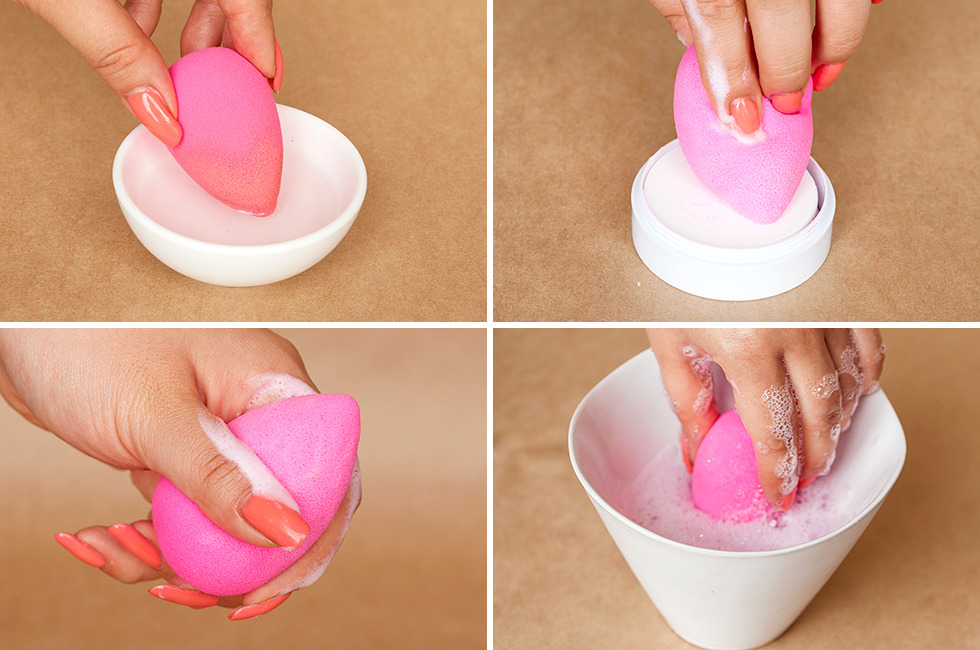
How Often to Wash Makeup Sponges


4
Makeup sponges are among the highest-maintenance tools in any beauty routine.
Unlike brushes, sponges are porous and absorb both product and moisture. That makes them especially prone to bacteria growth.
Ideal Cleaning Frequency
Wash after every use (or at least every 1–2 days).
Daily washing might sound excessive, but dermatologists consistently recommend frequent cleaning because sponges remain damp after use.
Why Sponges Need Frequent Washing
Sponges absorb:
Liquid foundation
Cream blush
Concealer
Skin oils
Water from dampening
This combination creates the perfect environment for bacteria.
If you struggle with mysterious breakouts along the cheeks or jawline, your sponge may be the culprit.
Signs Your Sponge Needs Immediate Cleaning
Look out for:
Foundation stains that won’t rinse out
A sour smell
Changes in texture
Visible cracks or tears
When to Replace Your Sponge
Even with proper washing, sponges should be replaced every 1–3 months depending on use.
Over time, the material breaks down and becomes harder to fully sanitize.
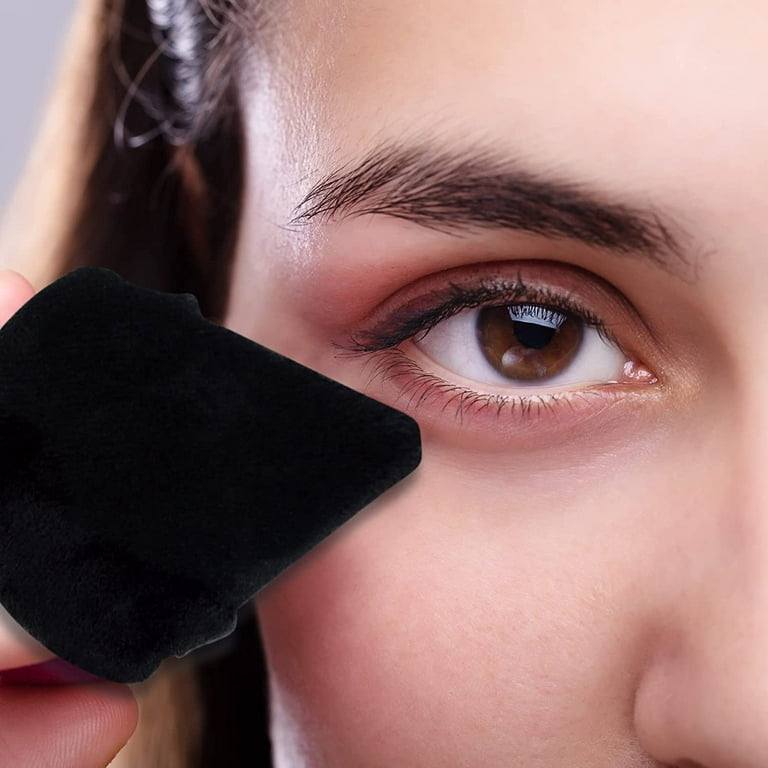
How Often to Wash Powder Puff Pads


4
Powder puff pads often get overlooked in cleaning routines because they appear dry. But these tools collect significant oil and powder buildup.
Ideal Cleaning Frequency
Wash every 3–7 days with regular use.
If you use a puff daily for setting powder or touch-ups, weekly washing is best.
Why Puff Pads Get Dirty
Each time a puff presses onto the skin, it absorbs:
Facial oils
Sweat
Residual foundation
Powder pigments
These oils accumulate inside the fibers, creating clumps that affect how evenly powder distributes.
Signs Your Puff Needs Cleaning
You may notice:
Powder applying unevenly
The puff becoming stiff
Visible discoloration
A rough or oily texture
Replacement Timeline
Powder puffs should typically be replaced every 2–3 months, especially if used daily.
How Often to Clean Lash Tools

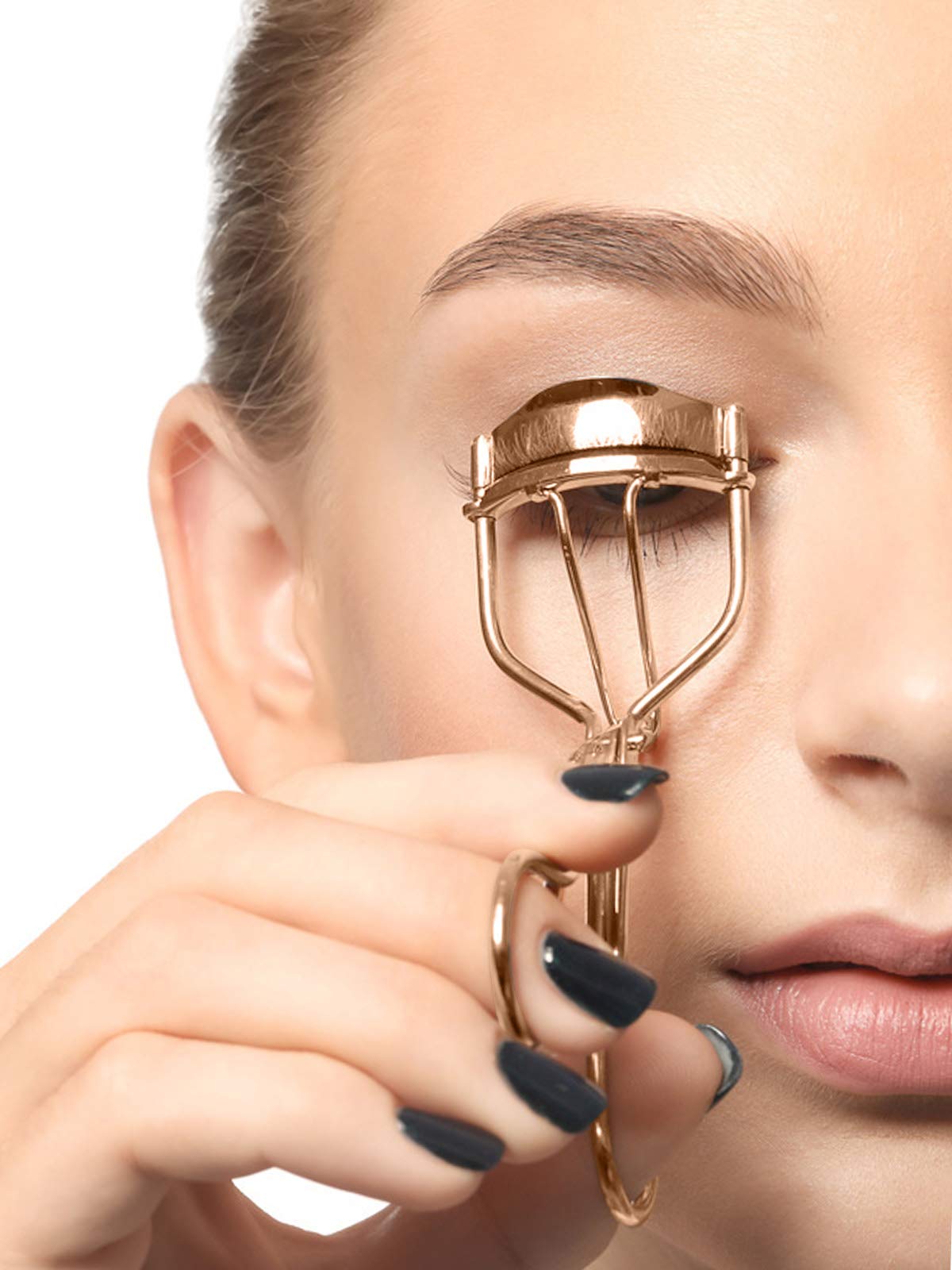
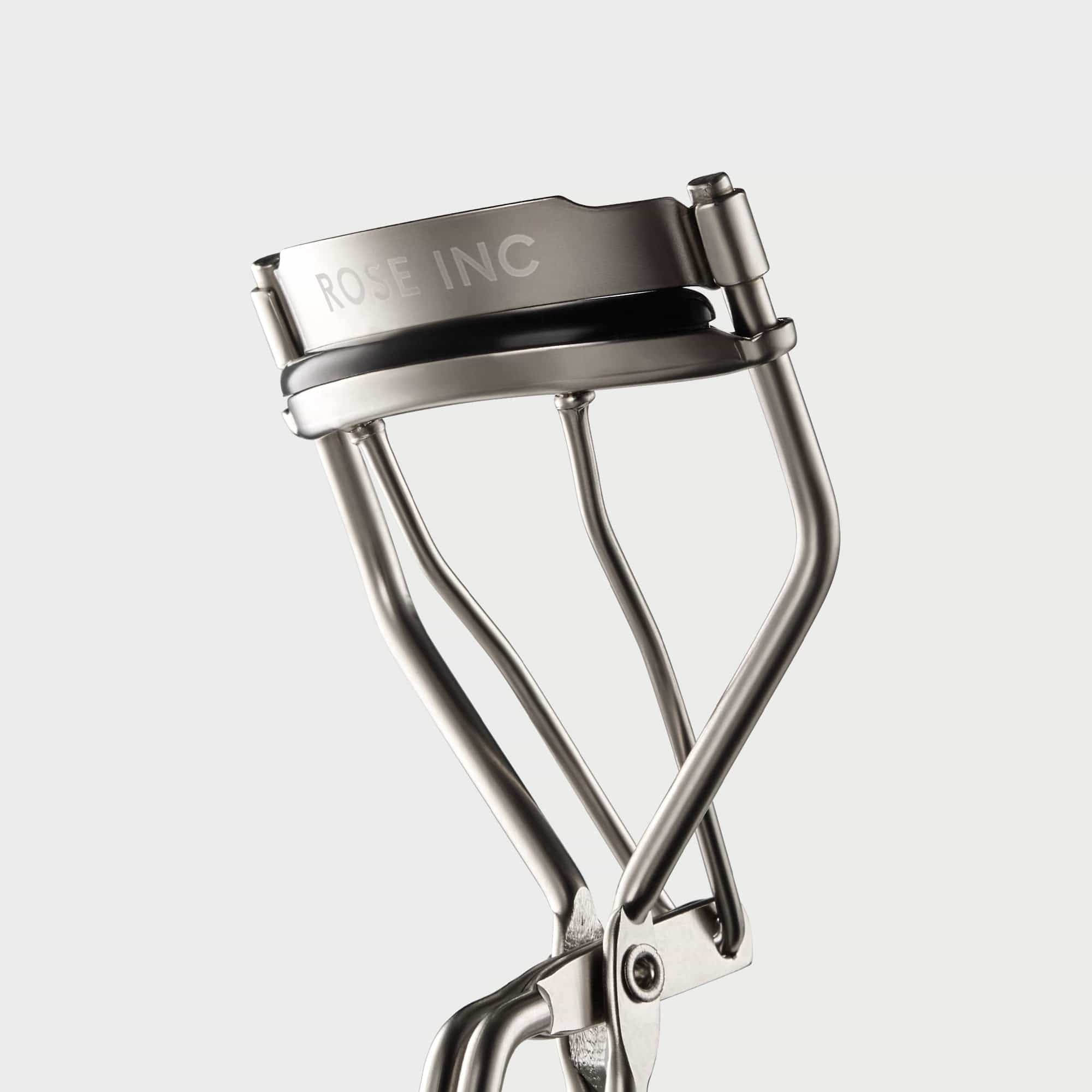
Lash tools come into close contact with the eyes, which means hygiene is extremely important.
These tools include:
Eyelash curlers
Lash combs
Lash spoolie brushes
False lash tweezers
Ideal Cleaning Frequency
Eyelash curlers: clean every 2–3 uses
Spoolie brushes: wash once per week
False lash tools: sanitize after each use
Why Lash Tool Hygiene Matters
Eyes are sensitive, and contaminated tools can lead to:
Eye infections
Irritation
Redness
Bacterial transfer into mascara tubes
Mascara residue is particularly sticky and can accumulate on curlers and combs quickly.
Quick Cleaning Method
A simple routine works well:
Wipe tools with a cotton pad
Use gentle soap or micellar water
Rinse or wipe clean
Dry completely
For metal tools, occasional wiping with 70% alcohol provides additional sanitation.
Don’t Forget the Curler Pad
The small rubber pad inside lash curlers should be replaced every 3–6 months, since it collects mascara buildup.
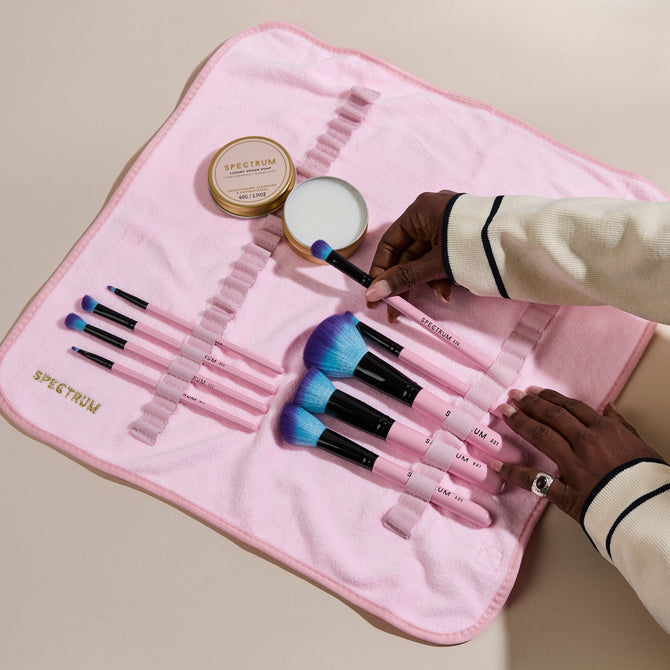
How Often to Wash Makeup Brushes


4
Makeup brushes vary widely in use, so their cleaning schedule depends on what type of product they apply.
Foundation and Concealer Brushes
Clean every 1–2 uses
Liquid and cream formulas cling to brush fibers and can oxidize quickly. These brushes should be washed frequently to maintain smooth blending.
Cream Product Brushes
Examples include brushes used for:
Cream blush
Cream contour
Liquid highlighter
Wash every 2–3 uses.
Cream products contain oils that trap bacteria faster than powders.
Powder Brushes
Examples include:
Setting powder brushes
Bronzer brushes
Blush brushes
Wash every 1–2 weeks.
Powder formulas are less prone to bacterial growth but still collect skin oils.
Eye Brushes
Eye brushes should ideally be cleaned every 3–7 days, especially if used for multiple colors.
Pigment buildup can affect blending and muddy eyeshadow shades.
The Difference Between Quick Cleaning and Deep Cleaning
Maintaining tools doesn’t always require a full wash every time.
There are two levels of cleaning:
Quick Cleaning (Daily or Between Uses)
Quick cleaning removes surface product.
Methods include:
Brush cleaning sprays
Alcohol wipes
Gentle soap rinse for sponges
This is especially useful for switching colors quickly.
Deep Cleaning (Weekly Routine)
Deep cleaning removes:
trapped oils
bacteria
product buildup
This typically involves washing with:
gentle soap
brush cleanser
warm water
Then allowing tools to dry completely before reuse.
The Best Way to Dry Makeup Tools
Improper drying can damage brushes or encourage bacteria.
Brushes
Lay brushes flat on a towel with bristles hanging slightly off the edge of a counter.
Never dry brushes upright immediately after washing, since water can seep into the handle and loosen glue.
Sponges
Squeeze out excess water and place them in a well-ventilated area.
Avoid sealed containers while they’re damp.
Puff Pads
Press between towels and air dry completely.
A Simple Weekly Beauty Tool Cleaning Routine
Keeping tools clean doesn’t have to be complicated.
A manageable schedule could look like this:
Daily
Rinse makeup sponge
Every 2–3 days
Clean foundation brushes
Weekly
Wash powder brushes
Wash puff pads
Clean lash tools
Monthly
Inspect tools for wear
Replace damaged sponges
Replace lash curler pads if needed
Consistency matters more than perfection.
Even a small routine dramatically reduces bacteria.
Signs Your Tools Are Hurting Your Skin
Sometimes the skin notices dirty tools before we do.
Watch for patterns such as:
Breakouts in areas where makeup is applied
Makeup separating or becoming patchy
Increased skin irritation
Strange smells coming from tools
Brushes feeling stiff or sticky
These are clear signs that tools need immediate cleaning or replacement.
The Beauty Industry’s Shift Toward Hygiene
In recent years, beauty professionals and dermatologists have emphasized tool hygiene more than ever.
Social media tutorials often focus on products and techniques, but professional makeup artists know that clean tools are the foundation of every flawless look.
Luxury beauty brands now design tools that are:
easier to clean
antimicrobial
quick-drying
longer lasting
Consumers are also becoming more aware that skincare and makeup hygiene go hand in hand.
Healthy skin begins not just with good products—but with clean tools.
Final Thoughts: Clean Tools, Better Makeup, Healthier Skin
Keeping makeup tools clean is one of the simplest ways to upgrade your beauty routine.
Regular cleaning:
protects your skin
improves makeup performance
extends the life of expensive tools
A quick wash may take only a few minutes, but the benefits last far longer.
Think of it this way: the same care you give your skincare products should apply to the tools touching your face every day.
Clean tools aren’t just about hygiene—they’re about achieving the smooth, professional finish every beauty lover wants. 💎
