The 5 Signs Your Skin Barrier Is Damaged


4
Blog Site Title
Lumière Skin Journal
Blog Meta Description
Learn the 5 subtle signs your skin barrier is damaged, why it happens, and how to repair it with a dermatologist-approved routine for healthier, calmer, glowing skin.
Keywords
skin barrier damage, skincare barrier repair, damaged skin barrier signs, healthy skin barrier routine, skin barrier recovery
The 5 Signs Your Skin Barrier Is Damaged
In the modern beauty world, skincare routines have become increasingly sophisticated. Serums layered with precision, exfoliating acids promising instant glow, and retinoids celebrated as miracle workers have transformed how we care for our skin. Yet beneath this pursuit of perfection lies a growing problem dermatologists see every day: a damaged skin barrier.
Ironically, the very products meant to improve our skin can sometimes compromise its natural defenses.
Your skin barrier—often called the moisture barrier—is the outermost layer of your skin. It acts as your body’s first line of protection against environmental stressors, pollution, bacteria, and moisture loss. When healthy, it keeps your skin balanced, smooth, and resilient. When damaged, however, the skin becomes reactive, dehydrated, and vulnerable.
Understanding the early warning signs can help you repair your skin before long-term irritation, breakouts, or sensitivity develop.
Here are five key signs your skin barrier may be compromised—and what you can do to restore it.
What Exactly Is the Skin Barrier? 🧬
Before identifying damage, it helps to understand how the skin barrier works.
Scientifically known as the stratum corneum, the barrier is made up of skin cells (corneocytes) held together by lipids such as ceramides, fatty acids, and cholesterol. Dermatologists often compare it to a brick-and-mortar structure:
The bricks are skin cells
The mortar is the lipid layer that holds them together
This structure locks moisture inside the skin while blocking harmful external irritants.
When the lipid “mortar” becomes weakened, small gaps appear in the barrier. Water escapes, irritants enter, and the skin begins to react.
This process is called transepidermal water loss (TEWL) — a major indicator of barrier damage. 🔬
1. Persistent Dryness and Tightness
One of the earliest and most noticeable signs of barrier damage is unusual dryness.
Even if you apply moisturizer regularly, your skin may still feel:
Tight after cleansing
Rough or flaky
Dehydrated despite hydrating products
This happens because a weakened barrier cannot effectively retain moisture.
Instead of locking hydration into the skin, the compromised lipid layer allows water to evaporate more quickly. As a result, your skin may constantly feel thirsty.
Why It Happens
Several habits can trigger this dryness:
Over-exfoliation with acids or scrubs
Using harsh cleansers
Frequent washing with hot water
Excessive use of retinoids or actives
When these habits strip away natural oils, the protective barrier begins to deteriorate.
What Helps
Repairing dryness starts with simplifying your routine.
Look for ingredients that rebuild the lipid barrier, such as:
Ceramides
Squalane
Hyaluronic acid
Panthenol
Fatty acids
These ingredients help restore hydration while reinforcing the skin’s structural integrity.
2. Increased Sensitivity and Stinging
If your skin suddenly reacts to products that never bothered you before, your barrier may be compromised.
Many people describe this sensation as:
Stinging when applying skincare
Burning after cleansing
Tingling when using moisturizers
Even gentle formulas may begin to feel uncomfortable.
Why This Happens
When the barrier is damaged, irritants can penetrate deeper into the skin than they normally would. This stimulates nerve endings and inflammatory responses.
Your skin essentially loses its protective shield.
Common triggers include:
Fragrance
Alcohol-based products
High concentrations of exfoliating acids
Essential oils
When the barrier is strong, these ingredients may cause no issues. When weakened, they can suddenly become irritating.
What Helps
During recovery, it’s important to shift toward minimalist skincare.
Focus on:
🌿 Fragrance-free products
🌿 Gentle cleansers
🌿 Barrier-repair moisturizers
Reducing unnecessary actives allows your skin time to rebuild its defenses.
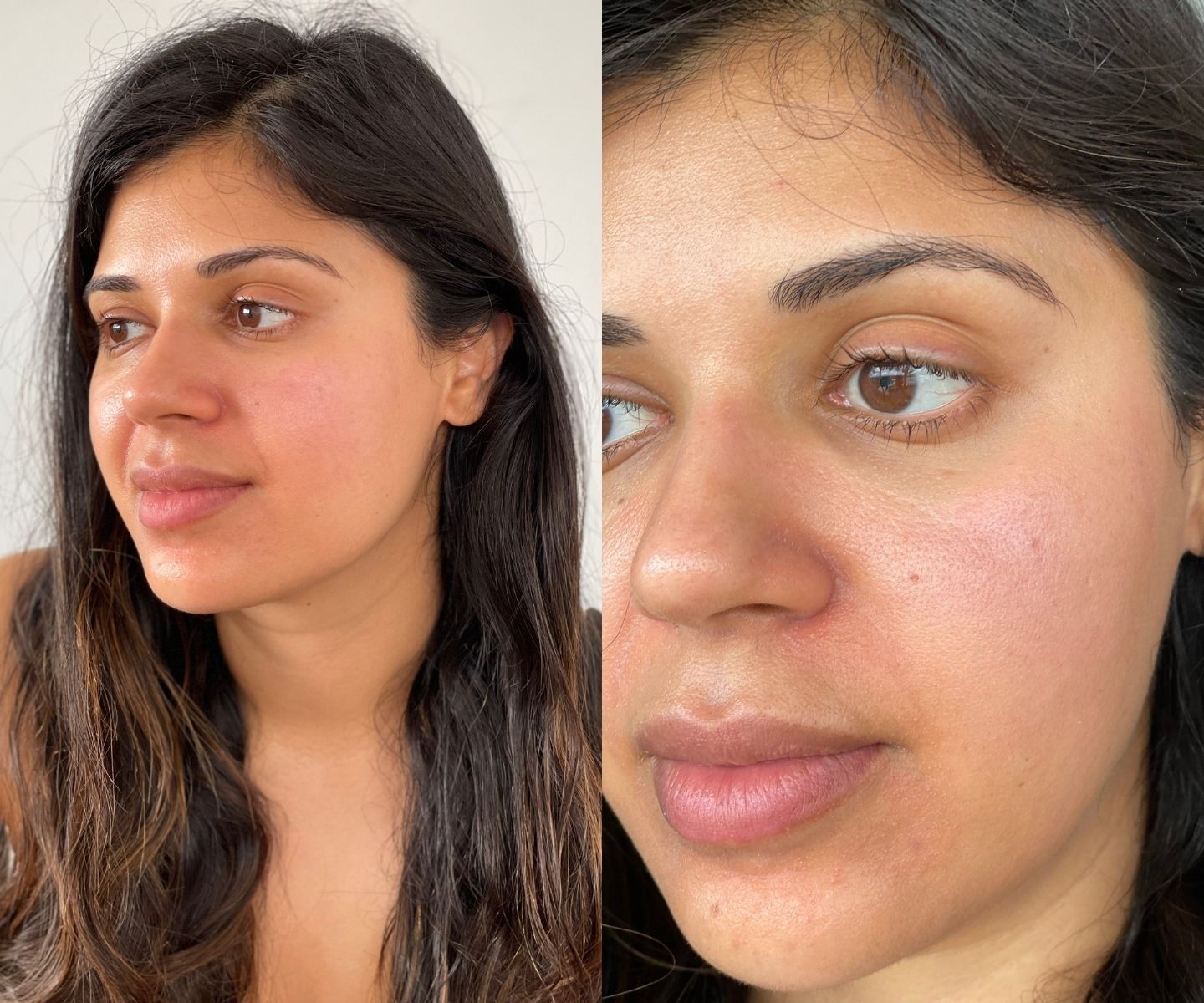
3. Unusual Redness and Inflammation
Redness is another common indicator that the skin barrier is struggling.
You may notice:
Persistent flushing
Patchy redness around the nose or cheeks
Irritation that appears without an obvious trigger
When the barrier breaks down, the skin becomes more susceptible to inflammation from environmental factors like pollution, sun exposure, or temperature changes.
The Inflammation Cycle
Once irritation begins, a cycle often follows:
Barrier damage occurs
Inflammation develops
Skin becomes more reactive
Further irritation worsens the barrier
Breaking this cycle requires calming the skin rather than aggressively treating it.
Calming Ingredients to Look For
Certain ingredients help reduce inflammation while supporting barrier repair:
Centella asiatica
Oat extract
Aloe vera
Green tea extract
Niacinamide
These soothing compounds help stabilize the skin and reduce redness.


4
4. Sudden Breakouts or Texture Changes
It may seem surprising, but acne can also be linked to a damaged skin barrier.
When the barrier is compromised, several things occur simultaneously:
Skin becomes inflamed
Oil production increases to compensate for dryness
Pores become more vulnerable to bacteria
The result is often unexpected breakouts or uneven texture.
The “Over-Treatment” Problem
In an effort to control breakouts, many people increase exfoliation or use stronger treatments.
Unfortunately, this can worsen the problem.
Overusing ingredients like:
Salicylic acid
Benzoyl peroxide
Retinoids
Glycolic acid
can further strip the skin and delay healing.
The Solution
Instead of attacking breakouts aggressively, focus first on repairing the barrier.
Once the skin becomes balanced again, inflammation decreases and breakouts often improve naturally.
5. Dull, Lackluster Skin
Healthy skin reflects light evenly, creating the luminous glow often associated with good skincare.
A damaged barrier, however, disrupts this smooth surface.
You may notice your complexion looks:
Dull
Uneven
Rough in texture
This happens because barrier damage interferes with the skin’s natural renewal process.
The Connection Between Barrier Health and Radiance ✨
When the skin barrier is intact:
Cells shed properly
Hydration levels remain balanced
Light reflects evenly from the surface
But when the barrier is compromised, dead cells accumulate irregularly, leaving the skin looking tired and lifeless.
Restoring the barrier gradually improves both texture and brightness.
The Most Common Causes of Skin Barrier Damage
Understanding the root causes can help prevent future problems.
Some of the most common contributors include:
Over-Exfoliation 🔬
Using multiple exfoliating products at once can weaken the lipid structure of the skin.
Harsh Cleansers
Foaming cleansers with strong surfactants may strip natural oils.
Too Many Active Ingredients
Layering retinoids, acids, and vitamin C without proper balance can overwhelm the skin.
Environmental Stress 🌍
Pollution, UV radiation, and extreme weather can gradually degrade barrier function.
Lack of Moisturization
Without sufficient lipids and hydration, the skin barrier struggles to maintain stability.
How to Repair a Damaged Skin Barrier
The good news is that the skin barrier is remarkably capable of healing itself—if given the right conditions.
Dermatologists typically recommend a simplified recovery routine.
Step 1: Simplify Your Skincare
Pause aggressive treatments temporarily.
Focus on three essentials:
Gentle cleanser
Hydrating serum
Barrier-repair moisturizer
This minimalist approach allows the skin to rebuild its natural defenses.
Step 2: Use Barrier-Supporting Ingredients
Certain ingredients actively support barrier recovery.
Look for products containing:
Ceramides
Cholesterol
Fatty acids
Squalane
Panthenol
These components mimic the natural lipids found in healthy skin.
Step 3: Prioritize Hydration 💧
Hydration helps reduce transepidermal water loss and accelerates recovery.
Layering hydrating products—such as toners, essences, or serums—can help replenish moisture levels.
Step 4: Protect Your Skin From the Sun ☀️
UV exposure is one of the fastest ways to worsen barrier damage.
Daily sunscreen protects the skin while it heals and prevents further inflammation.
Step 5: Give Your Skin Time
Barrier repair does not happen overnight.
Depending on the severity of the damage, recovery may take two to six weeks.
Consistency and patience are essential.
The Future of Skincare Is Barrier-Focused 💎
The beauty industry is undergoing a significant shift.
Instead of focusing solely on fast-acting treatments, modern skincare is increasingly centered on skin health and barrier protection.
Dermatologists and cosmetic scientists alike are emphasizing:
gentler formulations
microbiome-friendly products
lipid-rich moisturizers
minimalist routines
This new philosophy recognizes that healthy skin is the foundation of every beauty routine.
When the barrier is strong, nearly every other skincare concern—from dullness to breakouts—becomes easier to manage.
Final Thoughts
Your skin barrier quietly works around the clock to protect and support your complexion. When it becomes damaged, your skin sends signals—dryness, sensitivity, redness, breakouts, and dullness—that something is wrong.
Recognizing these signs early allows you to adjust your routine and give your skin what it truly needs: restoration rather than more treatment.
Sometimes the most powerful skincare approach is also the simplest—gentle care, nourishing ingredients, and patience.
Healthy skin begins not with more products, but with a resilient, balanced skin barrier.
