The Best Habits for Growing Longer Hair
The Best Habits for Growing Longer Hair
Long, healthy hair has always been associated with vitality, beauty, and confidence. Yet growing hair longer is rarely about luck or genetics alone. The secret lies in consistent habits that support the health of your scalp, hair strands, and overall body. When hair is cared for properly—from the inside out—it grows stronger, thicker, and more resilient over time.
Hair growth typically occurs at an average rate of about half an inch per month, but this can vary depending on diet, stress levels, hair care routines, and scalp health. By adopting certain habits and eliminating damaging ones, you can create the ideal environment for your hair to thrive.
This guide explores the most effective habits that promote longer hair, combining modern research, beauty industry insights, and timeless hair care wisdom.
Understanding How Hair Growth Works
Before diving into habits, it helps to understand how hair actually grows. Hair follicles cycle through three main phases: the growth phase (anagen), the transition phase (catagen), and the resting phase (telogen).
The anagen phase is where active hair growth happens. The longer this phase lasts, the longer your hair can grow. Genetics plays a role here, but lifestyle habits can also influence how well your follicles perform during this period.
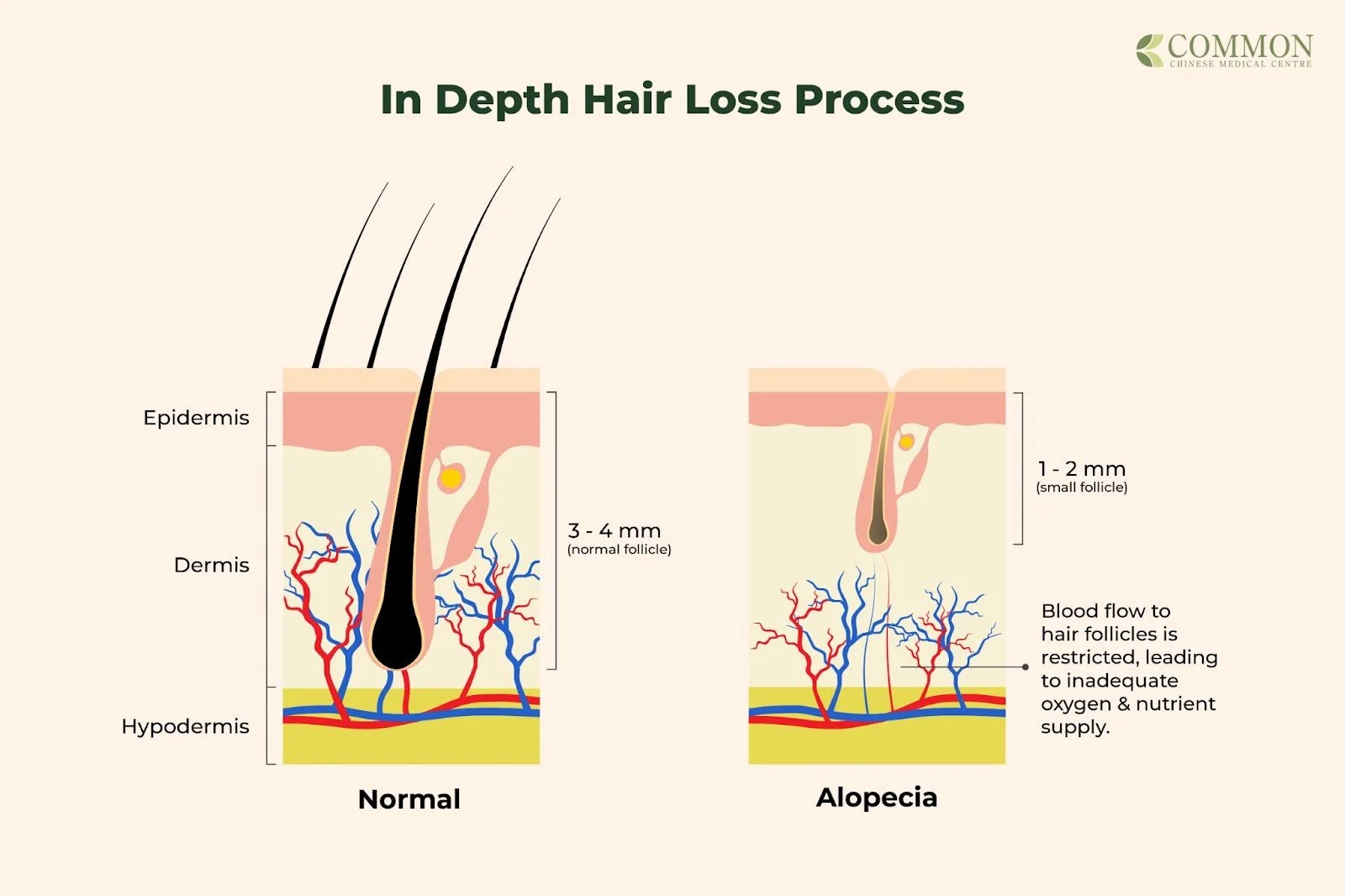
Healthy follicles require proper nutrients, oxygen, and circulation. They also depend on a balanced scalp environment free from inflammation or buildup. When these conditions are met, hair can grow efficiently and remain strong.
Habit 1: Maintain a Healthy Scalp

4
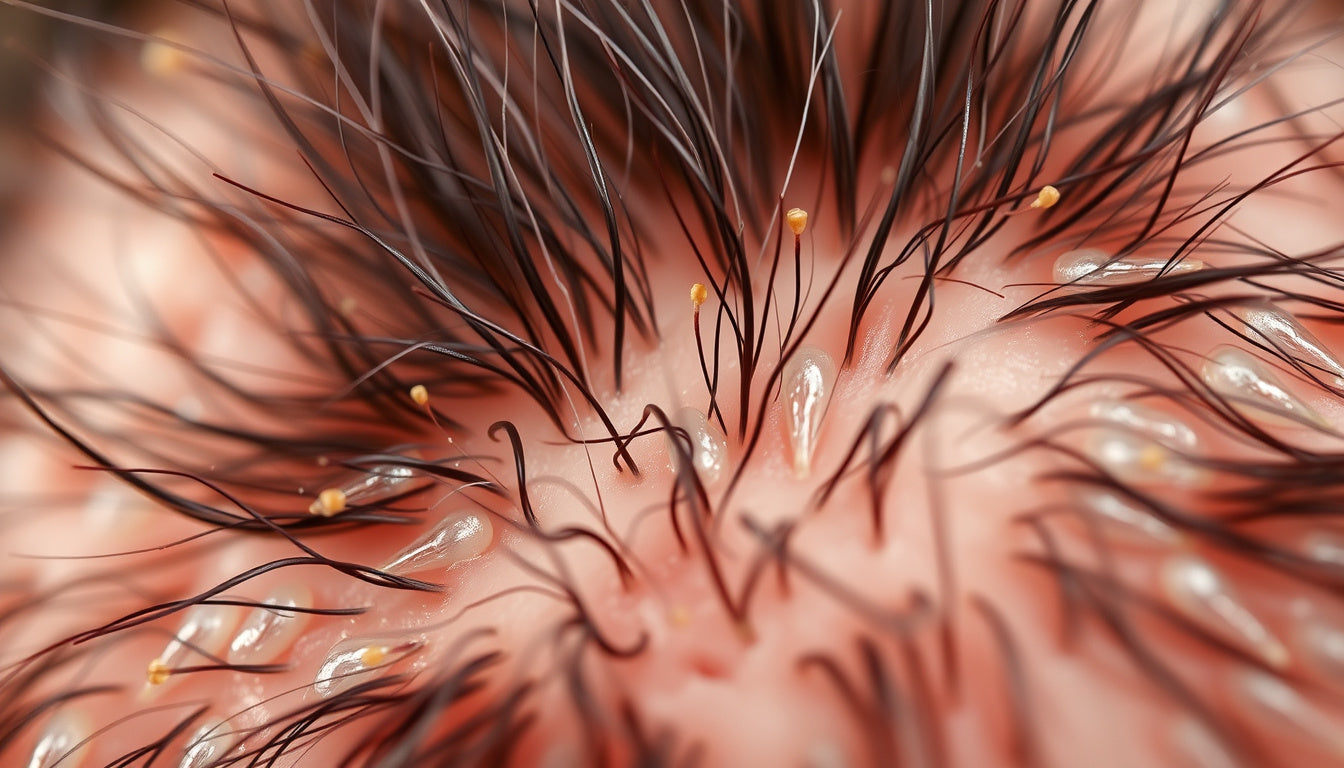
A healthy scalp is the foundation of long hair. Just as fertile soil supports plant growth, a nourished scalp supports hair follicles.
Scalp buildup from styling products, oils, and environmental pollution can clog follicles and slow growth. Regular cleansing removes impurities while allowing nutrients to reach the roots.
Massaging the scalp is one of the simplest yet most powerful habits for stimulating growth. Gentle circular massage increases blood flow to the follicles, delivering oxygen and nutrients essential for hair production. Many hair specialists recommend massaging the scalp for five minutes daily, especially when applying hair oils or serums.
Incorporating scalp treatments such as exfoliating scrubs or clarifying masks once a week can also help maintain balance. These treatments remove dead skin cells and promote a cleaner, healthier scalp environment.
Habit 2: Eat a Hair-Healthy Diet
Hair is made primarily of keratin, a protein that requires proper nutrition to develop. Without the right nutrients, hair strands may grow slowly, become brittle, or fall out prematurely.
Protein is essential because hair follicles rely on amino acids to produce keratin. Foods such as eggs, fish, beans, and lean meats help support strong hair growth.
Iron also plays a critical role. Low iron levels can reduce oxygen delivery to hair follicles, leading to shedding and thinning. Leafy greens, lentils, and red meat are excellent sources.
Biotin, zinc, and omega-3 fatty acids contribute to stronger strands and improved scalp health. These nutrients are commonly found in nuts, seeds, avocados, and fatty fish like salmon.
Hydration matters as well. Drinking enough water helps maintain scalp moisture and supports cellular functions related to hair growth.
When your body receives balanced nutrition, your hair often becomes stronger, shinier, and more resilient.
Habit 3: Reduce Heat Styling


4
Frequent heat styling is one of the most common obstacles to long hair. Flat irons, curling wands, and blow dryers expose hair to high temperatures that weaken the cuticle.
Over time, this damage causes split ends and breakage. When hair breaks faster than it grows, it becomes difficult to achieve length.
Reducing heat styling—even slightly—can significantly improve hair health. Many professionals recommend allowing hair to air dry whenever possible and reserving heat tools for occasional styling.
When heat styling is necessary, using a high-quality heat protectant can help minimize damage. These products create a protective barrier around the hair shaft, reducing moisture loss during styling.
Another effective habit is lowering the temperature setting on heat tools. Often, moderate heat is sufficient to achieve the desired style without excessive damage.
Habit 4: Trim Hair Regularly
At first glance, trimming hair might seem counterproductive when trying to grow it longer. However, regular trims actually support long-term length retention.
Split ends travel upward along the hair shaft, weakening the strand and eventually causing breakage. By removing damaged ends every eight to twelve weeks, you prevent splits from spreading.
Healthy ends also make hair appear fuller and smoother, creating the illusion of longer hair even before significant growth occurs.
Trims should focus on removing only the damaged portion rather than cutting substantial length. This small maintenance step protects your progress while encouraging stronger hair over time.
Habit 5: Choose Gentle Hair Care Products


4
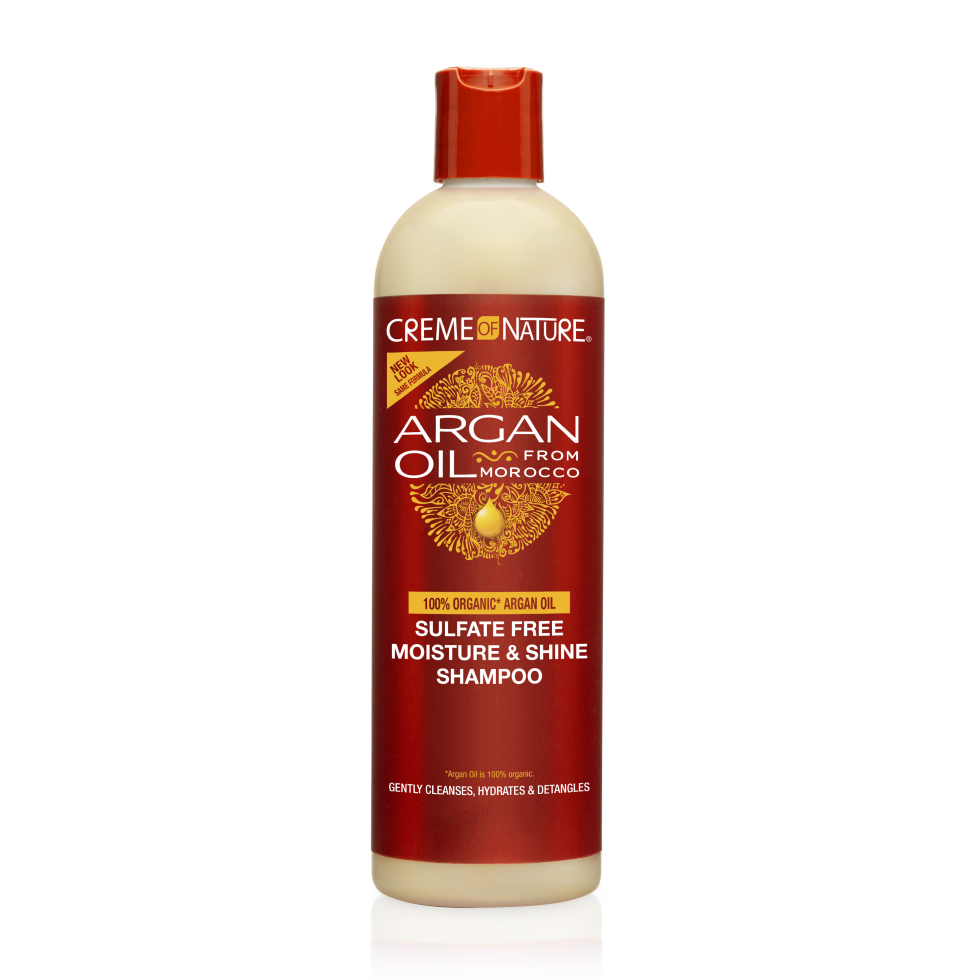
The products you use daily can influence the health of your hair. Harsh ingredients—especially sulfates and alcohol-heavy formulas—can strip the scalp of natural oils.
When hair becomes too dry, it becomes more prone to breakage. Choosing gentle, nourishing formulas can help maintain moisture balance.
Shampoos that contain botanical extracts, nourishing oils, or strengthening proteins are particularly beneficial. Ingredients such as argan oil, aloe vera, and keratin help restore hydration and elasticity.
Conditioners and masks should focus on repairing and protecting the hair shaft. Deep conditioning treatments used once or twice a week can dramatically improve softness and strength.
The key is consistency. Using supportive products regularly allows hair to remain healthy during the entire growth process.
Habit 6: Protect Hair While Sleeping
Nighttime habits often go unnoticed, yet they can significantly affect hair growth and retention.
Cotton pillowcases can create friction against the hair, leading to tangles and breakage. Switching to silk or satin pillowcases reduces friction and helps hair glide smoothly during sleep.
Another helpful habit is loosely braiding the hair or tying it in a soft protective style before bed. This prevents tangling and protects the ends from friction.
Using silk or satin hair wraps can also protect hair texture and preserve moisture overnight.
These small nighttime adjustments may seem simple, but over months they contribute to stronger, longer hair.
Habit 7: Avoid Tight Hairstyles


4
While sleek ponytails and tight braids may look stylish, they can place excessive tension on the hairline and scalp.
Constant pulling weakens hair follicles and may even lead to traction alopecia—a form of hair loss caused by repeated tension.
Opting for looser hairstyles allows the scalp to remain relaxed while minimizing stress on the strands.
Protective styles that reduce manipulation—such as loose braids, low buns, or soft twists—can help hair retain length while preventing unnecessary breakage.
Rotating hairstyles also distributes tension more evenly across the scalp, reducing the risk of localized damage.
Habit 8: Manage Stress Levels
Stress affects the entire body, including hair growth cycles. High stress levels can trigger a condition known as telogen effluvium, where hair prematurely enters the resting phase and begins shedding.
While occasional stress is unavoidable, long-term stress management can support healthier hair.
Practices such as meditation, regular exercise, and adequate sleep help regulate hormone levels and maintain overall well-being.
When the body feels balanced and supported, hair follicles are better able to remain in their active growth phase.
Habit 9: Use Hair Oils Strategically
Hair oils have been used for centuries in cultures around the world to support hair strength and growth. When used correctly, they nourish the scalp, seal moisture, and improve shine.
Popular oils for hair growth include castor oil, coconut oil, rosemary oil, and argan oil. These oils contain fatty acids and antioxidants that support scalp health and hair elasticity.
Applying a small amount of oil to the scalp and gently massaging it into the roots can stimulate circulation while delivering nutrients.
However, moderation is important. Excess oil can attract dirt and buildup if not properly cleansed. Using oils one to two times per week often provides the best balance.
Habit 10: Be Patient and Consistent
Perhaps the most important habit for growing longer hair is patience.
Hair growth is gradual and requires consistent care over time. Many people abandon routines too quickly before seeing results.
Healthy habits work cumulatively. A nourishing diet, protective styling, proper scalp care, and reduced heat damage may take months to show visible improvements.
However, once these habits become part of your lifestyle, they create a powerful foundation for long, resilient hair.
Consistency transforms small daily choices into lasting results.
Final Thoughts
Growing longer hair is rarely about a single miracle product or treatment. Instead, it comes from a combination of thoughtful habits that support the scalp, protect the strands, and nourish the body.
By maintaining scalp health, eating a balanced diet, reducing heat damage, trimming regularly, and protecting hair during sleep, you create an environment where hair can grow freely and remain strong.
In the beauty world, the most effective routines are often the simplest. When these habits become second nature, long, healthy hair becomes not just possible—but sustainable.
With patience, consistency, and the right care, your hair can reach its fullest potential
