The Best Pet Grooming Habits for a Healthy Home
Introduction: Clean Pets, Healthier Homes
Sharing your home with a pet is one of life’s most joyful experiences. The companionship, loyalty, and emotional warmth that pets provide are unmatched. Yet along with the joy comes a practical responsibility: maintaining a clean environment for both your family and your furry companion.
Pet grooming plays a much larger role in home hygiene than many owners realize. Regular brushing, bathing, nail care, and coat maintenance do far more than make your pet look good—they help reduce allergens, minimize shedding, control odors, and protect your pet’s skin health.
A well-groomed pet contributes to a healthier household ecosystem. Hair buildup decreases, dander becomes manageable, and harmful bacteria are less likely to accumulate in your living spaces. Grooming also strengthens the bond between pet and owner, turning everyday care into a calming ritual.
Modern pet owners are increasingly embracing grooming routines as part of holistic home wellness. Just as people invest in skincare or home cleanliness, maintaining pet hygiene is now recognized as an essential component of a balanced lifestyle. ✨
This guide explores the most effective grooming habits that keep both pets and homes clean, fresh, and healthy.
Why Grooming Matters for Household Health
Before diving into specific grooming habits, it’s important to understand why pet hygiene is so closely connected to the cleanliness of your home.
Pets naturally shed hair, release skin cells, and collect dirt while exploring their environment. Without regular grooming, these particles accumulate on furniture, floors, bedding, and clothing.
A consistent grooming routine helps control:
Pet hair and shedding
Skin dander
Outdoor dirt and debris
Unpleasant pet odors
Skin infections and parasites
Beyond cleanliness, grooming allows owners to monitor their pet’s overall health. Skin issues, ticks, lumps, or infections are often first noticed during brushing or bathing.
In many ways, grooming functions as preventative care—protecting both the pet’s wellbeing and the household environment. 🌿
Daily Brushing: The Foundation of Pet Hygiene


4
One of the most effective habits for maintaining a clean home is daily brushing. While it may seem simple, this small ritual dramatically reduces the amount of loose fur that ends up around your house.
When pets shed naturally, loose hair becomes trapped in their coat. Without brushing, that hair eventually falls onto floors, carpets, and furniture.
Regular brushing removes this loose hair before it spreads throughout the home.
Benefits of Daily Brushing
Daily brushing offers several key advantages:
Reduces shedding indoors
Loose hair is removed at the source instead of settling on fabrics and flooring.
Improves skin circulation
Brushing stimulates natural oils that keep the coat healthy and shiny.
Prevents matting
Long-haired breeds benefit especially from frequent brushing, which prevents painful tangles.
Strengthens bonding
Many pets find brushing calming, turning grooming into a relaxing bonding moment.
Choosing the Right Brush
Different coats require different tools. Short-haired dogs often benefit from rubber brushes, while thick-coated breeds require de-shedding tools or slicker brushes.
Cats typically prefer gentle bristle brushes or fine combs designed to remove loose undercoat fur.
Establishing a brushing routine—even for just five minutes daily—can dramatically improve home cleanliness and reduce vacuuming frequency.
Smart Bathing Habits: Clean Without Overwashing


4
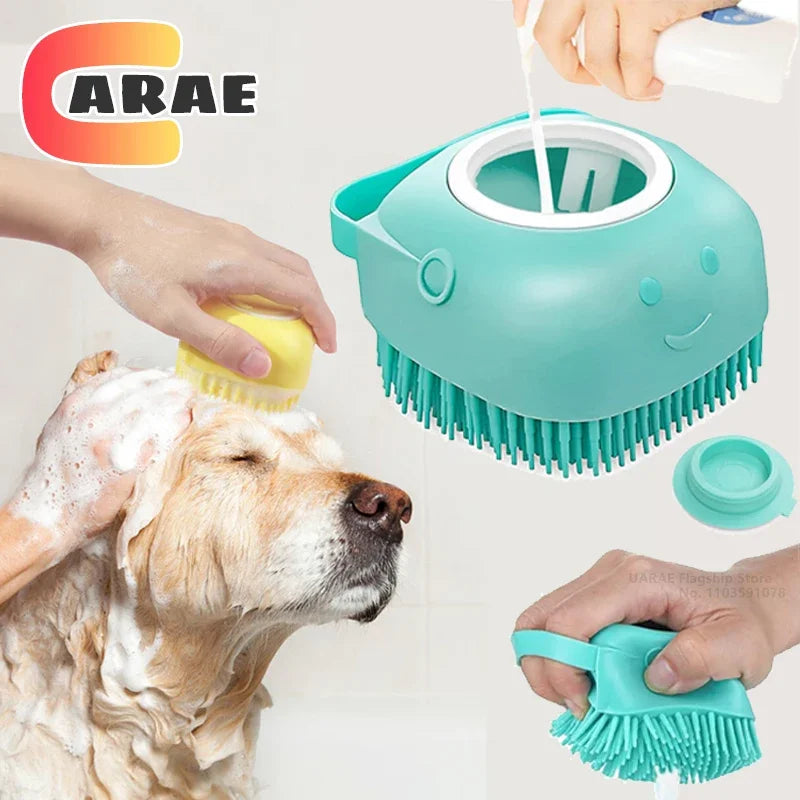
Bathing is one of the most recognizable grooming practices, but many pet owners misunderstand how often it should occur.
While bathing removes dirt, oils, and allergens from the coat, excessive washing can strip natural skin oils and lead to dryness or irritation.
The key is balance.
Ideal Bathing Frequency
The ideal bathing schedule depends on breed, coat type, and lifestyle.
General recommendations include:
Short-haired indoor dogs: every 4–6 weeks
Long-haired breeds: every 3–4 weeks
Active outdoor dogs: as needed after dirty activities
Cats: rarely require bathing unless medically necessary
Using gentle pet-specific shampoo is essential. Human products disrupt the pH balance of animal skin.
Bathing Tips for a Cleaner Home
To maximize cleanliness benefits:
Use lukewarm water and rinse thoroughly to prevent residue buildup. Dry the coat completely with a towel or pet dryer to prevent musty odors.
Regular bathing removes dirt particles that would otherwise transfer onto sofas, bedding, and carpets.
It’s one of the simplest ways to maintain a fresh-smelling home environment. 🧼
Paw Cleaning: The Overlooked Habit That Matters Most
Pet paws are tiny carriers of outdoor debris. Every walk introduces dust, pollen, bacteria, and sometimes chemicals into the home.
Cleaning paws after outdoor activity is one of the most effective habits for maintaining indoor hygiene.
A quick wipe using a damp cloth or pet-safe paw wipes removes dirt before it spreads across flooring.
Why Paw Care Is Essential
Pet paws collect:
Mud
Pollen
Street debris
Lawn chemicals
Bacteria from sidewalks
Without cleaning, these substances easily transfer to rugs, beds, and couches.
Many modern pet owners now keep a “paw station” near the entrance of their home—containing wipes, towels, or a small water basin.
This simple routine dramatically reduces the amount of dirt tracked indoors. 🌍
Nail Trimming: Small Habit, Big Impact


4
Nail care is often overlooked, yet it plays a surprisingly large role in maintaining a clean and damage-free home.
Long nails can scratch hardwood floors, snag carpets, and damage upholstery. They also make it easier for dirt to accumulate under the nail beds.
Regular trimming prevents these issues while improving the pet’s comfort.
Recommended Nail Care Routine
Most pets require nail trimming every three to four weeks.
Signs that nails are too long include:
Clicking sounds on hard floors
Difficulty walking
Curved or overgrown nail tips
Using proper pet nail clippers or grinders ensures a safe grooming process.
Routine nail care not only protects home surfaces but also prevents joint discomfort for pets.
Ear Cleaning and Odor Control
A clean pet contributes to a fresh-smelling home. One common source of unpleasant pet odors is ear buildup.
Dogs with floppy ears or thick fur are especially prone to ear wax accumulation and moisture retention.
Regular ear cleaning helps prevent infections while reducing odor.
Gentle Ear Maintenance
Using vet-approved ear cleaning solutions and soft cotton pads allows owners to remove debris safely.
It’s important to avoid inserting cotton swabs deep into the ear canal.
A monthly ear-cleaning routine keeps pets comfortable and prevents bacteria growth.
Fresh ears mean fewer odors circulating throughout the home. 🌿
Managing Pet Hair Around the Home
Even with regular grooming, some shedding is inevitable.
However, a combination of grooming and home management strategies can significantly reduce visible pet hair.
Practical Hair Control Strategies
Maintaining washable pet bedding helps contain fur in designated areas.
Vacuuming regularly with pet-specific attachments removes embedded hair from carpets and upholstery.
Lint rollers and fabric brushes quickly clean clothing and furniture surfaces.
Air purifiers with HEPA filters can also help capture pet dander floating in the air.
Together, these small adjustments complement grooming routines and keep living spaces noticeably cleaner.
Grooming as a Wellness Ritual
Modern pet care increasingly emphasizes wellness—not just hygiene.
Grooming offers an opportunity to observe your pet closely and notice early signs of health concerns.
During grooming sessions, owners may discover:
Skin irritations
Fleas or ticks
Lumps or swelling
Coat dullness
Behavioral discomfort
Detecting these changes early allows faster veterinary attention and better outcomes.
In this sense, grooming functions as both preventative healthcare and emotional bonding.
Many pets even come to enjoy grooming sessions as calming moments of attention and care. 💡
Creating a Consistent Grooming Routine
The most successful grooming habits are built around consistency.
Instead of waiting for visible dirt or odor, proactive grooming keeps problems from developing in the first place.
A balanced weekly routine might look like:
Daily brushing
Paw wiping after walks
Weekly coat checks
Monthly baths
Nail trimming every 3–4 weeks
Ear cleaning monthly
By spreading grooming tasks throughout the month, pet care becomes manageable rather than overwhelming.
Over time, these habits blend seamlessly into daily life.
The Psychological Benefits of Grooming
Beyond cleanliness, grooming strengthens the emotional relationship between pets and owners.
Animals respond positively to touch, attention, and routine.
Brushing or bathing sessions can become moments of trust and calm interaction.
For many people, grooming pets also provides stress relief. The act of caring for an animal encourages mindfulness and relaxation.
In a busy modern lifestyle, these small rituals offer meaningful connection.
This emotional dimension is one reason grooming remains a central part of responsible pet ownership. 🧬
A Healthy Home Starts With a Healthy Pet
The connection between pet hygiene and home cleanliness is undeniable.
Regular grooming minimizes shedding, controls allergens, reduces odors, and prevents health issues before they escalate.
More importantly, grooming nurtures the wellbeing of the pet itself.
A clean coat, trimmed nails, healthy skin, and comfortable ears contribute to an animal’s overall quality of life.
For households with pets, grooming isn’t merely cosmetic—it is a fundamental part of maintaining a healthy living environment.
With thoughtful habits and a consistent routine, pet owners can enjoy the best of both worlds: a happy companion and a fresh, welcoming home.
