Microbiome-Friendly Skincare: What It Means and How to Shop Smarter Blog Post
Microbiome-Friendly Skincare: What It Means and How to Shop Smarter
The beauty industry has always moved in cycles — exfoliate harder, peel deeper, resurface faster. But in 2026, the tone has shifted. Instead of stripping, we’re strengthening. Instead of overcorrecting, we’re recalibrating. At the center of this evolution? The skin microbiome 🧬.
“Microbiome-friendly” is one of the most used — and misused — phrases in modern skincare. It appears on cleansers, serums, masks, even makeup. Yet for many consumers, it remains a vague promise wrapped in scientific language.
So what does it actually mean? And how do you shop intelligently without falling for marketing gloss?
This is your complete, premium guide to understanding microbiome-friendly skincare — grounded in science, elevated in approach, and designed to help you build a smarter routine.
Understanding the Skin Microbiome 🧬


4
Your skin is not sterile. It is a living ecosystem.
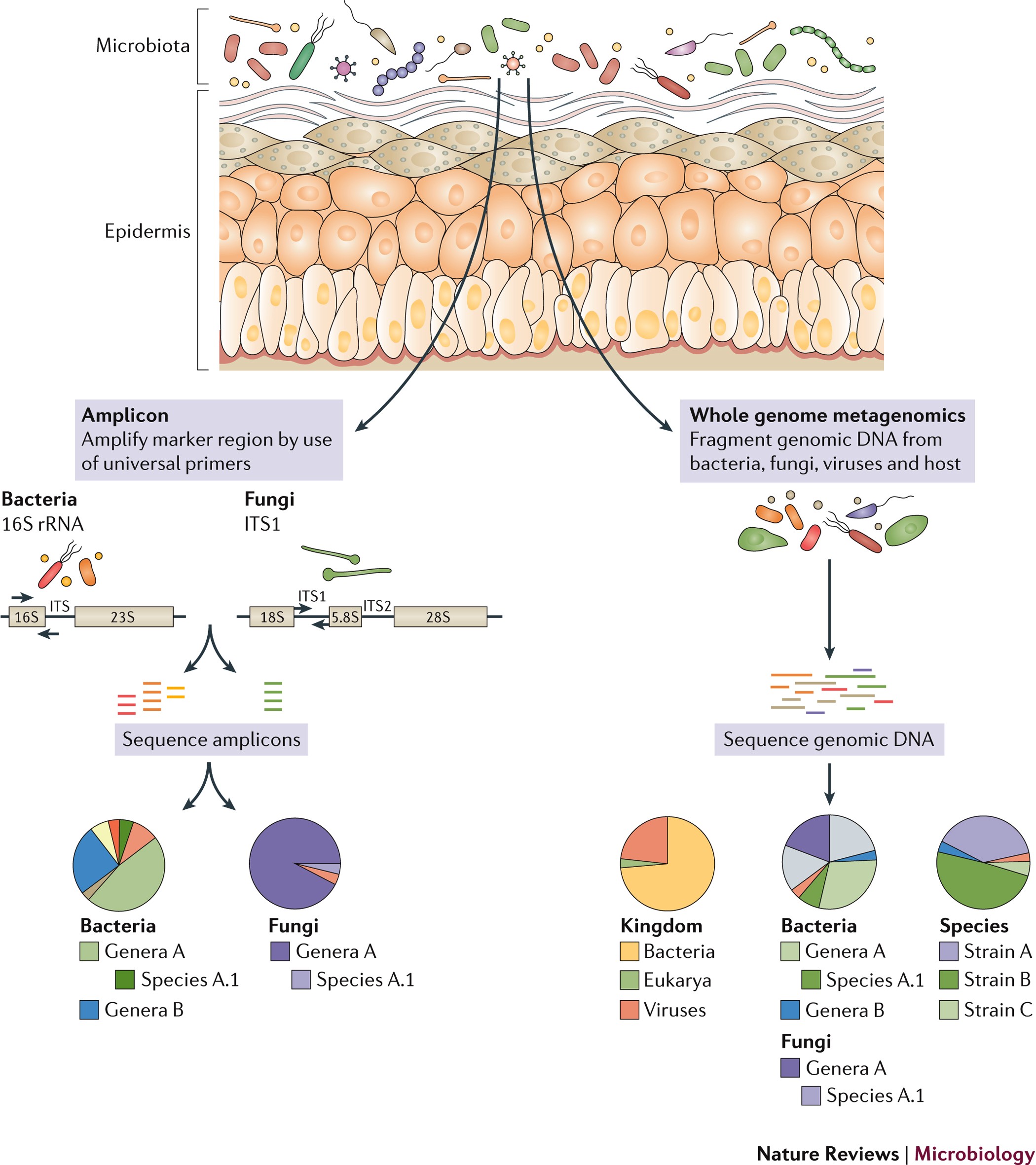
The skin microbiome refers to the diverse community of microorganisms — bacteria, fungi, viruses, and mites — that live on the surface of your skin. While “bacteria” may sound alarming, many of these microbes are beneficial. They act as microscopic guardians, defending against pathogens, regulating inflammation, and supporting barrier function.
Healthy skin is not bacteria-free skin. It is balanced skin.
When this ecosystem is stable and diverse, your complexion tends to appear calmer, stronger, and more resilient. When disrupted — through over-exfoliation, harsh cleansers, environmental stress, or even chronic stress — the imbalance (called dysbiosis) can manifest as:
Persistent sensitivity
Redness and irritation
Acne flare-ups
Compromised barrier function
Increased trans-epidermal water loss
In other words, microbiome health and barrier health are intimately connected.
The Barrier–Microbiome Connection 🌿
For years, the skincare conversation centered on actives: retinol, acids, vitamin C. Performance was measured in speed and intensity.
Now, the conversation includes resilience.
Your skin barrier — the outermost layer (stratum corneum) — functions as a protective wall. Lipids, ceramides, cholesterol, and fatty acids create a structure that locks moisture in and keeps irritants out.
The microbiome sits on top of this barrier. If the barrier is compromised, the microbiome shifts. If the microbiome is imbalanced, inflammation can weaken the barrier further. It’s a feedback loop.
That’s why microbiome-friendly skincare isn’t about adding a trendy ingredient. It’s about supporting an environment where beneficial microbes can thrive.
What “Microbiome-Friendly” Actually Means 💡
Here’s where clarity matters.
A product labeled “microbiome-friendly” typically aims to:
Avoid harsh ingredients that disrupt microbial balance
Support barrier function
Include ingredients that nourish beneficial bacteria
Maintain an appropriate pH (usually slightly acidic, around 4.5–5.5)
However, there is no universal regulatory definition. Brands can use the phrase loosely. This is where smart shopping becomes essential.
Let’s decode the ingredient language.
Prebiotics, Probiotics, and Postbiotics — What’s the Difference? 🔬



4
Prebiotics: Feeding the Good Bacteria
Prebiotics are ingredients that nourish beneficial microbes already living on your skin. They do not contain bacteria themselves. Instead, they create favorable conditions for balance.
Common examples include:
Inulin
Alpha-glucan oligosaccharide
Certain plant sugars
Fermented extracts
Prebiotics are often the most stable and evidence-backed approach in over-the-counter skincare.
Probiotics: Live Bacteria (Rare in Skincare)
True probiotics are live microorganisms. In topical skincare, maintaining live cultures in a stable formula is extremely difficult. Many so-called “probiotic” products actually contain lysates (broken bacterial fragments) rather than live bacteria.
Live topical probiotics are still an emerging frontier — promising, but complex.
Postbiotics: The Byproducts That Deliver Benefits
Postbiotics are non-living bacterial byproducts or fragments that can support the skin. These include enzymes, peptides, and cell wall components that help reduce inflammation and strengthen the barrier.
In many modern formulations, postbiotics are the most practical and effective microbiome-supportive ingredient.
When shopping, look for clarity. Brands that explain which category they’re using — and why — tend to be more credible.
Signs Your Microbiome Might Be Compromised
Before building a microbiome-friendly routine, assess your current skin condition.
Subtle indicators of imbalance include:
Skin that feels tight even when moisturized
Increased reactivity to products you once tolerated
Breakouts in unusual areas
Flare-ups after travel or stress
Stinging from mild formulas
Often, the issue isn’t that your skin “needs more actives.” It needs less aggression.
How Over-Exfoliation Disrupts Microbial Balance
The exfoliation era delivered immediate glow — but sometimes at long-term cost.
Frequent use of AHAs, BHAs, peels, and strong retinoids can thin the stratum corneum if not balanced properly. While controlled exfoliation has benefits, overuse strips lipids and alters surface pH.
When the skin’s pH rises (becomes more alkaline), harmful bacteria can proliferate more easily, while beneficial strains struggle to thrive.
This is why many dermatologists now advocate for a “skin reset” period when sensitivity spikes — reducing actives, simplifying routines, and focusing on barrier repair.
Microbiome-friendly skincare thrives in minimalism.
How to Shop Smarter in 2026 💎


4
Here’s how to approach the shelves with intelligence and discernment.
1. Check the pH Philosophy
Brands that prioritize microbiome health often disclose pH ranges or emphasize acid-balanced formulas. While not mandatory, transparency signals intentional formulation.
2. Scan for Barrier Allies
Look for:
Ceramides
Cholesterol
Fatty acids
Panthenol
Niacinamide (in moderate percentages)
Beta-glucan
These ingredients indirectly support microbiome stability by strengthening the barrier.
3. Avoid Overly Harsh Surfactants
In cleansers, consider milder surfactants rather than aggressive foaming agents that leave skin squeaky-tight.
Your face should feel clean — not stripped.
4. Be Skeptical of Buzzwords
If a product claims “probiotic power” but provides no strain details or ingredient explanation, proceed cautiously. Educated brands explain mechanisms, not just trends.
5. Don’t Layer Everything at Once
Microbiome-friendly skincare is about rhythm. Introducing multiple new actives simultaneously can destabilize your ecosystem.
Think in terms of consistency rather than intensity.
Building a Microbiome-Supportive Routine 🌿
Let’s move from theory to practice.
Morning Routine
Start with a gentle, low-foam cleanser or simply rinse with lukewarm water if your skin tolerates it. Follow with a hydrating serum containing humectants and barrier-supportive ingredients.
A lightweight moisturizer seals hydration. In 2026, many SPF formulas now include postbiotic support — a smart multitasking option.
Evening Routine
Double cleanse only if necessary (makeup or heavy sunscreen). Otherwise, keep cleansing minimal.
Alternate stronger actives with recovery nights. On recovery nights, focus exclusively on hydration and lipid replenishment.
A microbiome-supportive routine is not about eliminating retinol or acids entirely. It’s about strategic spacing.
Microbiome and Acne: A Subtle Shift in Approach
Acne treatment once centered on eradication — kill bacteria, dry oil, peel skin.
But acne is not simply a bacterial overgrowth issue. It involves inflammation, sebum production, hormonal signaling, and microbial imbalance.
Modern acne strategies increasingly focus on reducing inflammation while preserving microbial diversity. Harsh benzoyl peroxide daily? Not always necessary. Barrier repair and balanced exfoliation can sometimes reduce flare frequency more sustainably.
A calmer ecosystem often equals calmer skin.
The Role of Diet and Lifestyle 🌍
Topicals matter — but they are not the entire story.
The gut microbiome and skin microbiome are connected through the gut–skin axis. Chronic stress, poor sleep, high sugar intake, and low fiber consumption can indirectly influence inflammation levels in the skin.
Hydration, omega-3 intake, stress management, and sleep quality all contribute to microbiome resilience.
Skincare is ecosystem management — inside and out.
Are Microbiome Tests Worth It? 🧪
In 2026, at-home skin microbiome tests are emerging. They promise personalized product recommendations based on bacterial analysis.
While innovative, this space is still developing. Data interpretation is complex, and there is not yet universal consensus on what an “ideal” microbiome profile looks like.
For most consumers, foundational barrier support and gentle routines offer more reliable benefits than expensive testing kits.
Minimalism Is the New Luxury ✨
There is something undeniably refined about restraint.
Microbiome-friendly skincare aligns beautifully with the broader beauty movement toward sustainability 🌍 and conscious consumption. Fewer products. Thoughtful formulations. Intentional layering.
Instead of chasing every launch, you cultivate stability.
Instead of reacting to every breakout with intensity, you recalibrate.
This is not trend-chasing. It is long-term skin stewardship.
Red Flags to Watch For
Not all “microbiome-friendly” labels are equal.
Be cautious if:
The formula contains high alcohol levels paired with microbiome claims
The brand cannot explain ingredient function
The product heavily fragranced yet marketed for sensitivity
The routine encourages excessive layering
Balance cannot exist in contradiction.
The Future of Microbiome Innovation 🔬
Research into the skin microbiome is accelerating. Scientists are exploring strain-specific applications, adaptive formulations that respond to skin pH shifts, and biotechnology-driven fermentations.
The next frontier may include personalized microbial cocktails and AI-driven formulation matching.
But even as innovation advances, the core principle remains simple: support, don’t strip.
Final Thoughts: Skin as an Ecosystem 🧬
Microbiome-friendly skincare is not a fleeting aesthetic trend. It represents a philosophical shift — from domination to harmony.
Your skin is not an enemy to fight. It is an ecosystem to respect.
When you shop smarter — prioritizing barrier integrity, ingredient transparency, and gentle consistency — you move beyond reactive skincare into preventative elegance.
Glow is no longer the result of aggressive resurfacing. It is the visible sign of balance.
And in 2026, balance is the ultimate luxury 💎.
