Seasonal Skin Reset: Transitioning Your Routine From Winter to Spring
Seasonal Skin Reset: Transitioning Your Routine From Winter to Spring
Winter leaves its mark on skin in subtle ways. Months of cold air, indoor heating, heavy creams, and reduced sun exposure often create a complexion that feels dull, slightly congested, or uneven. As temperatures rise and humidity returns, the skin’s needs quietly shift. What once protected your barrier during winter may suddenly feel too heavy, too occlusive, or simply unnecessary.
Spring is not just a seasonal change — it is an opportunity for recalibration. A seasonal skin reset allows your routine to evolve with your environment, supporting healthier texture, balanced hydration, and renewed radiance. Instead of dramatic overhauls or complicated routines, the smartest transitions involve thoughtful adjustments that respect the skin’s biology. 🧬
This guide explores how to gently transition your skincare from winter to spring, with science-informed strategies that maintain barrier health while encouraging a brighter, clearer complexion.
Why Your Skin Needs a Seasonal Reset
Skin behaves differently depending on environmental conditions. Winter tends to reduce moisture levels in both the air and the skin itself. Cold winds weaken the skin barrier, while indoor heating further strips hydration. As a result, many winter routines focus on rich moisturizers, occlusive ingredients, and minimal exfoliation.
When spring arrives, the environment shifts:
Humidity begins to increase
Sebum production can rise
Sweat and environmental pollutants become more noticeable
UV exposure increases
Continuing a heavy winter routine can lead to clogged pores, excess shine, or uneven texture.
A seasonal reset ensures that your routine supports skin’s natural adaptation rather than working against it. 🌿
Signs Your Skin Is Ready for a Spring Routine
Before making adjustments, it helps to recognize the subtle signs that your winter routine is becoming too heavy.
Common indicators include:
Moisturizer feeling greasy rather than nourishing
Increased breakouts around the T-zone
Makeup sliding or separating during the day
Congested pores or dullness
Reduced absorption of serums
These signals suggest the skin barrier is no longer under the same stress as winter and can benefit from lighter, more active-focused care.
Step 1: Refresh Your Cleanser



4
During winter, many people switch to cream or oil cleansers that help preserve hydration. While these formulas remain beneficial, spring may call for a slightly lighter option.
Gel or hybrid cleansers can remove sweat, sunscreen, and pollutants more effectively without compromising the skin barrier.
The key is balance: avoid harsh foaming formulas that strip moisture.
Look for ingredients such as:
Glycerin
Panthenol
Mild surfactants like coco-glucoside
Green tea or centella extracts
These ingredients cleanse while maintaining hydration — an essential foundation for any seasonal routine.
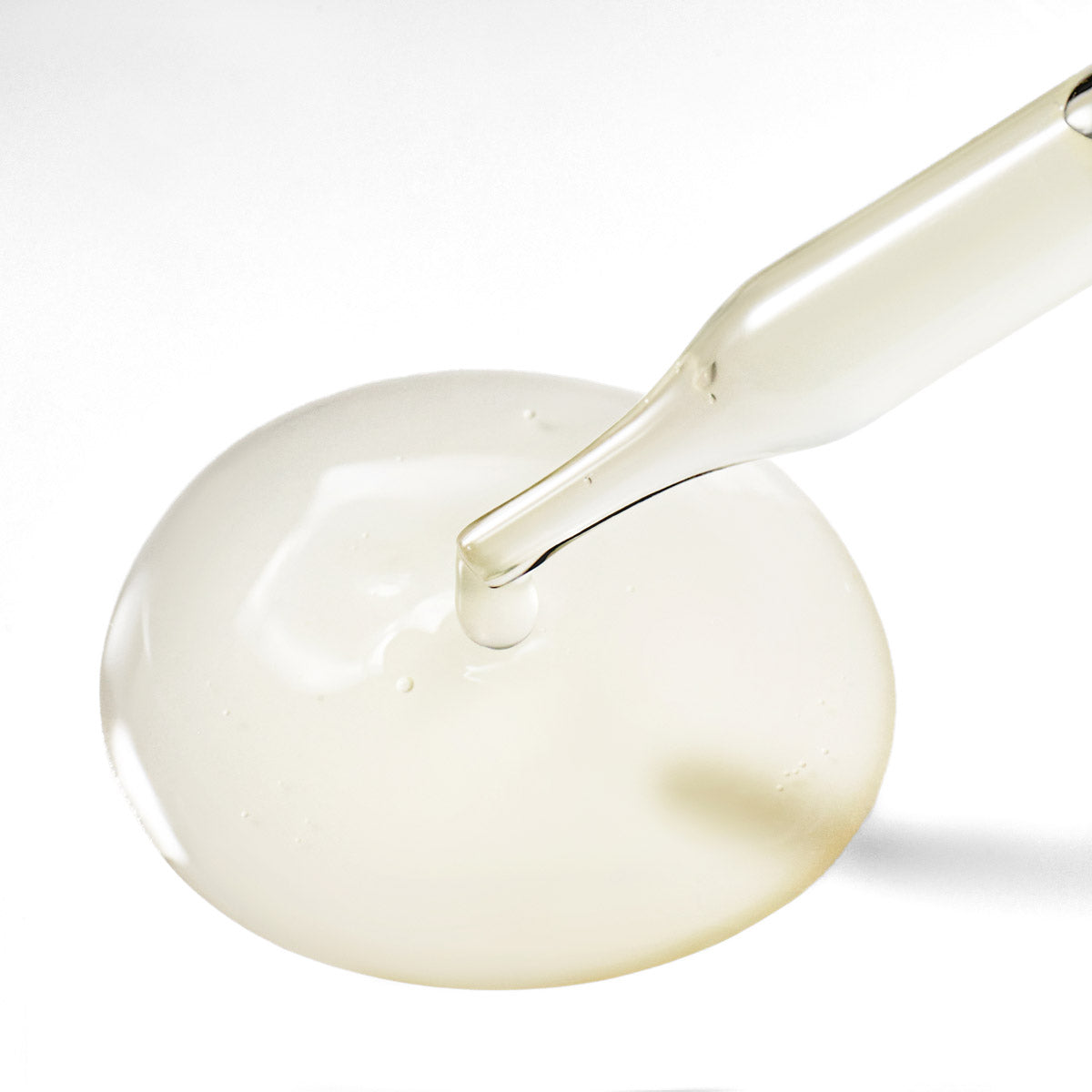
Step 2: Reintroduce Gentle Exfoliation


4
Winter routines often minimize exfoliation to protect the skin barrier. However, months of slower cell turnover can leave a buildup of dead skin cells.
Spring is the ideal time to gradually reintroduce exfoliation. 🔬
This step helps:
Improve skin brightness
Smooth texture
Enhance absorption of active ingredients
Prevent clogged pores
Instead of aggressive scrubs, dermatologists increasingly recommend chemical exfoliants.
Examples include:
Lactic acid for gentle resurfacing
Mandelic acid for sensitive skin
Salicylic acid for congestion-prone skin
Start slowly — once or twice per week — and monitor how your skin responds.
Consistency matters more than intensity.
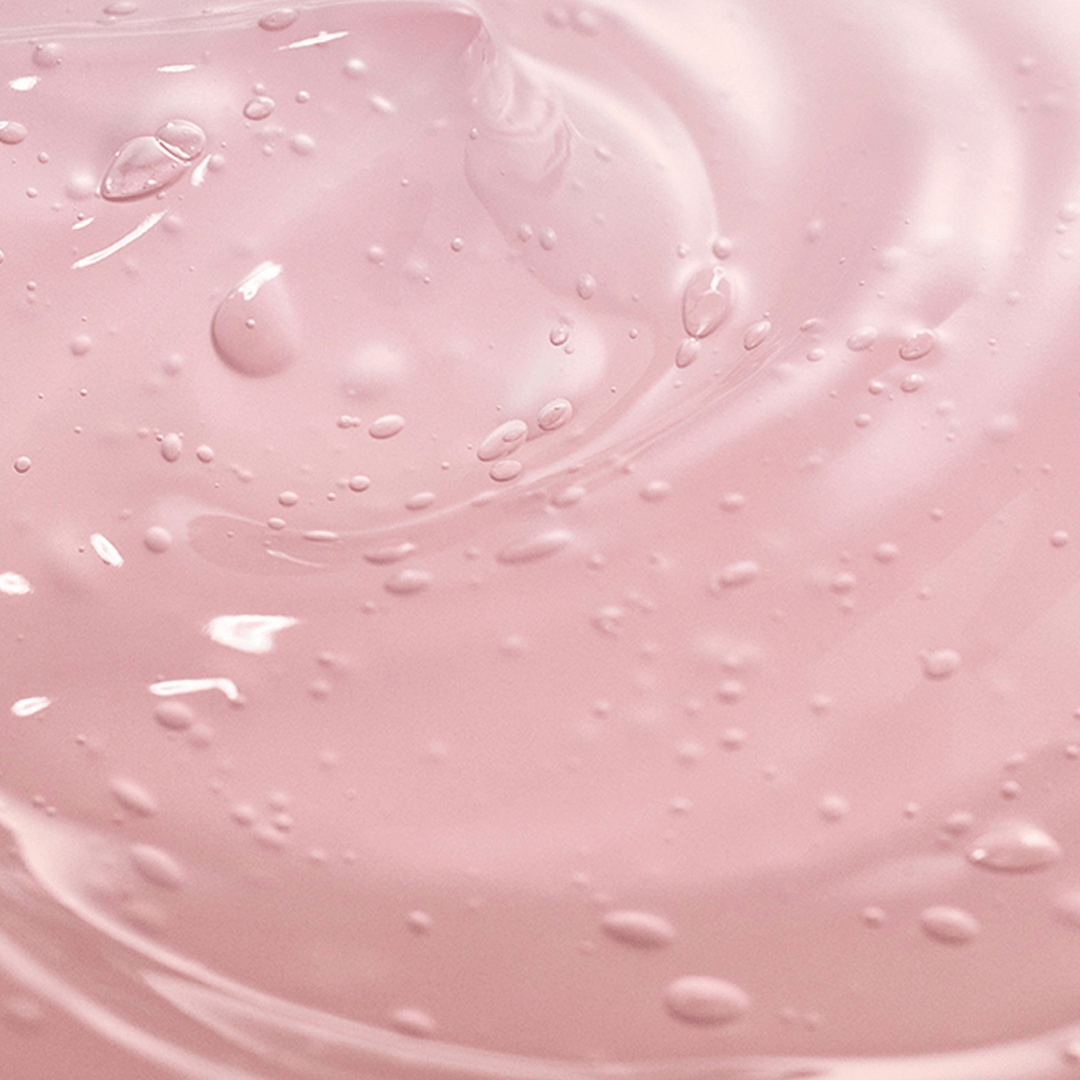
Step 3: Lighten Your Moisturizer


4
Rich winter creams often contain occlusives like shea butter or petrolatum that seal in moisture during harsh weather. As temperatures rise, these formulas may feel heavy.
Spring is the perfect moment to transition toward gel-cream or lightweight emulsions.
These formulas typically include:
Hyaluronic acid
Squalane
Aloe vera
Ceramides
They hydrate without leaving a dense layer on the skin.
The goal is not to reduce moisture but to optimize the type of hydration your skin receives.
Healthy spring skin feels comfortable, breathable, and balanced — not greasy.
Step 4: Prioritize Barrier Support
Even while making seasonal adjustments, the skin barrier remains the foundation of every effective routine.
The transition period between seasons can temporarily destabilize the barrier. Temperature fluctuations, allergens, and increased UV exposure can all create stress.
Barrier-supportive ingredients help maintain resilience.
Look for formulations containing:
Ceramides
Niacinamide
Fatty acids
Cholesterol
Beta-glucan
These ingredients strengthen the skin’s lipid matrix, helping it retain moisture and resist environmental damage.
Barrier health is increasingly recognized as one of the most important aspects of modern skincare. 🧬
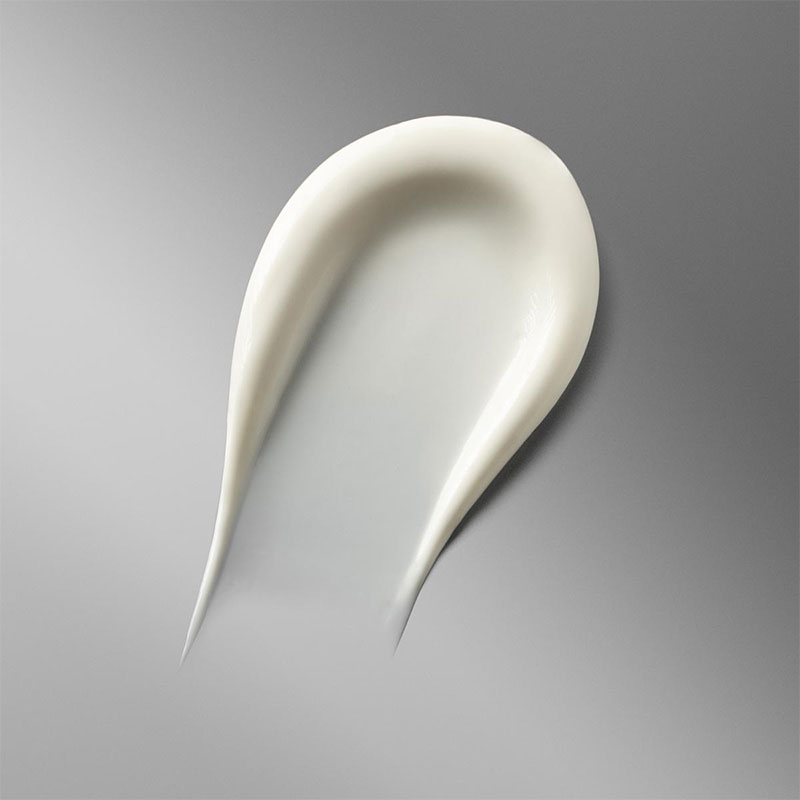
Step 5: Upgrade Your Sunscreen Habit


4
Spring sunlight can be deceptively strong.
After winter months with lower UV exposure, skin may be more sensitive to sudden increases in radiation.
Daily sunscreen becomes non-negotiable during seasonal transitions.
Dermatologists recommend broad-spectrum SPF 30 or higher every morning.
Modern sunscreens have evolved dramatically, offering elegant textures that integrate seamlessly with skincare and makeup routines.
Options now include:
Hydrating SPF serums
Lightweight fluid sunscreens
Mineral formulas for sensitive skin
SPF moisturizers for simplified routines
Sunscreen not only prevents sunburn but also protects against:
Hyperpigmentation
Collagen breakdown
Premature aging
Think of SPF as the most important anti-aging product in your routine.
Step 6: Adjust Active Ingredients Thoughtfully
Spring is an ideal season to introduce targeted actives that refine skin texture and tone.
However, sudden routine changes can overwhelm the skin.
Instead, introduce one ingredient at a time and observe how your skin responds.
Popular spring actives include:
Vitamin C
Brightens dull winter skin and helps defend against environmental stress.
Niacinamide
Balances oil production while supporting the skin barrier.
Azelaic acid
Improves redness, uneven tone, and mild acne.
Retinoids
Encourage cell turnover and collagen production.
Used consistently and patiently, these ingredients help reveal the fresh, luminous complexion many people seek during spring.
Step 7: Address Seasonal Sensitivities
Spring also introduces new environmental factors.
Pollen, increased pollution, and humidity fluctuations can trigger irritation or breakouts in some individuals.
To minimize these effects:
Cleanse gently after outdoor exposure
Avoid over-layering products
Maintain a stable routine rather than frequent experimentation
Use soothing ingredients such as centella or oat extract
Skincare should support the skin’s natural defenses rather than overwhelm them with constant change.
The Minimalist Spring Routine
For many people, the most effective spring skincare routine is surprisingly simple.
Morning routine:
Gentle cleanser
Antioxidant serum (such as vitamin C)
Lightweight moisturizer
Broad-spectrum sunscreen
Evening routine:
Cleanser
Exfoliant (2–3 times per week)
Treatment serum or retinoid
Hydrating moisturizer
This streamlined structure allows your skin to adapt naturally while still receiving the benefits of modern active ingredients.
Lifestyle Habits That Enhance Your Spring Glow
Skincare products alone cannot fully transform skin health.
Seasonal renewal also benefits from lifestyle adjustments that support the body’s natural repair processes.
Helpful habits include:
Hydration
Warmer weather increases fluid loss through sweat. Drinking adequate water supports skin elasticity and function.
Nutrition
Foods rich in antioxidants — berries, leafy greens, nuts — help protect the skin from environmental stress.
Sleep
Skin performs many of its repair processes during sleep, making consistent rest essential.
Movement
Exercise improves circulation, helping nutrients reach the skin more efficiently.
When combined with thoughtful skincare, these habits contribute to a noticeable improvement in overall skin vitality. 💡
Common Spring Skincare Mistakes
Despite good intentions, many seasonal transitions lead to unnecessary skin stress.
The most common mistakes include:
Over-exfoliating
Trying to remove winter dullness too quickly can damage the skin barrier.
Switching too many products at once
Gradual adjustments are far safer and more effective.
Skipping sunscreen on cloudy days
UV radiation penetrates clouds and windows.
Using heavy occlusives unnecessarily
These can trap sweat and oil as temperatures rise.
A slow, deliberate approach prevents irritation while maximizing results.
The Philosophy of Seasonal Skincare
Modern skincare increasingly recognizes that skin is dynamic. It changes not only with age but also with climate, lifestyle, stress levels, and environmental exposure.
Seasonal skincare embraces this fluidity.
Rather than maintaining a rigid routine year-round, it encourages periodic reassessment and subtle adaptation. 🌍
Spring represents renewal — both for the natural world and for the skin.
By listening to your skin’s signals and adjusting your routine thoughtfully, you allow it to recover from winter stress and move toward a healthier equilibrium.
Final Thoughts: Skin That Evolves With the Seasons
A seasonal skin reset does not require a complete skincare overhaul. The most effective transitions rely on small, intelligent changes: lighter textures, gentle exfoliation, increased sun protection, and continued barrier support.
When approached with patience and awareness, these adjustments reveal a complexion that looks clearer, brighter, and more resilient.
Spring is ultimately about balance — supporting the skin as it moves from protection mode toward renewal.
With the right routine, your skin can reflect the season’s energy: fresh, luminous, and ready for the months ahead. ✨
