How to Track Your Skin Like a Pro: Photos, Notes, and Simple Metrics
How to Track Your Skin Like a Pro: Photos, Notes, and Simple Metrics
Meta Description
Learn how to track your skin like a pro using photos, notes, and simple metrics. Build a smarter skincare routine, spot trends, and improve results with a data-driven approach.
Keywords
skin tracking, skincare progress photos, skin analysis routine, track skincare results, skincare journal
The Smart Skincare Shift: Why Tracking Your Skin Matters
In today’s beauty landscape, skincare is becoming increasingly data-driven. Consumers are moving beyond simply applying products and hoping for the best. Instead, they are tracking progress, identifying patterns, and adjusting routines based on real results.
Think of it like fitness: you wouldn’t go to the gym without tracking your workouts or progress. The same logic applies to skincare. When you track your skin consistently, you gain insights into how your complexion reacts to products, climate changes, diet, stress, and sleep.
Professional dermatologists have long used photography and observation logs to monitor treatment progress. Now, thanks to smartphones and digital tools, anyone can apply the same method at home.
Skin tracking allows you to:
Detect improvements and setbacks early
Avoid overusing ineffective products
Identify triggers for breakouts or irritation
Build a routine based on real evidence rather than marketing claims
Over time, this approach transforms skincare from guesswork into a strategic, personalized system.
The Three Pillars of Skin Tracking
Tracking your skin effectively comes down to three simple practices:
Consistent photography
Observational notes
Basic measurable metrics
When these elements work together, they create a clear picture of your skin’s evolution.
Step 1: Take Professional-Style Skin Photos

4
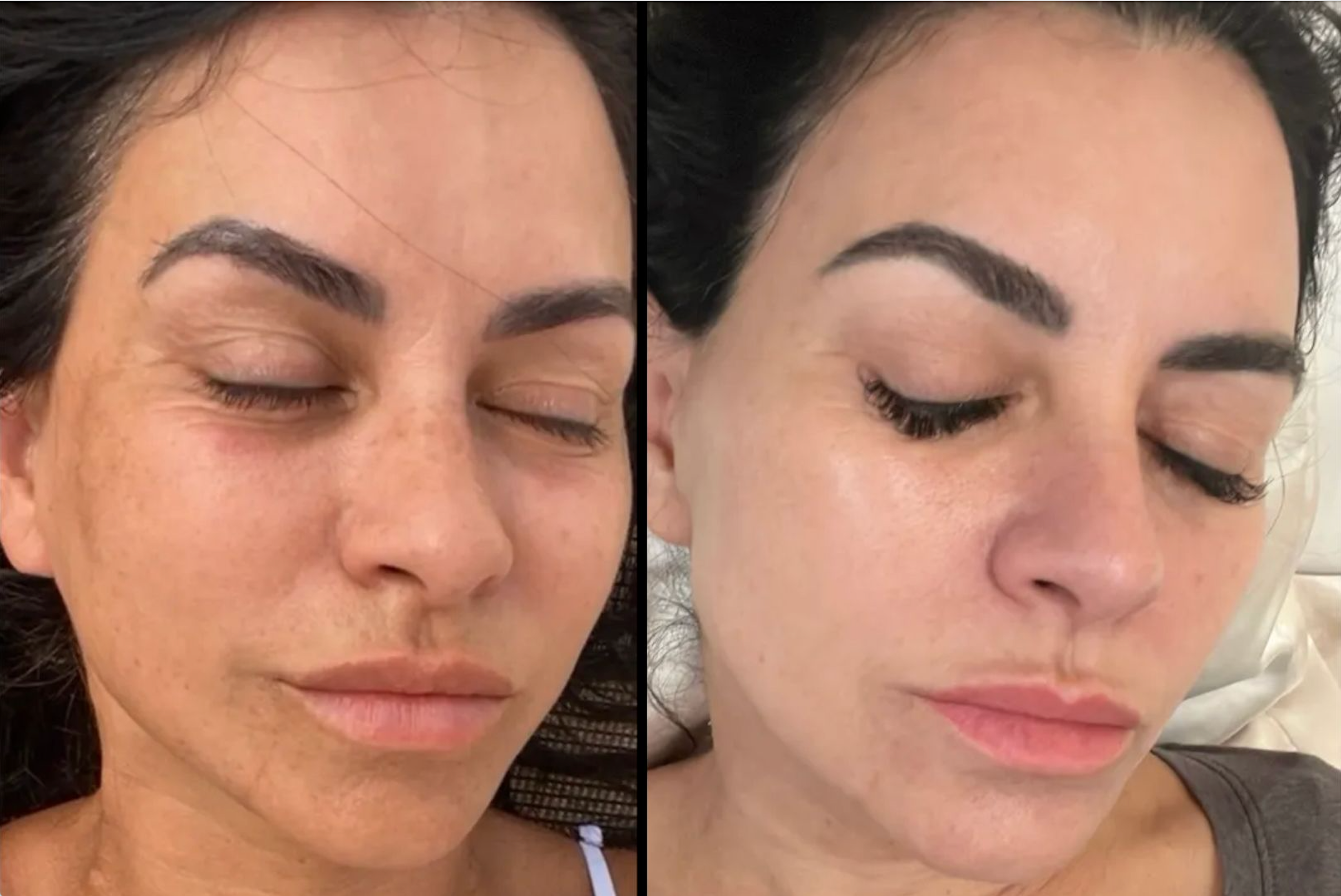
Photography is the most powerful visual tool for tracking skin progress. Subtle improvements—like smoother texture or reduced redness—often appear gradually, making them difficult to notice day to day.
However, comparing photos taken weeks apart can reveal dramatic changes.
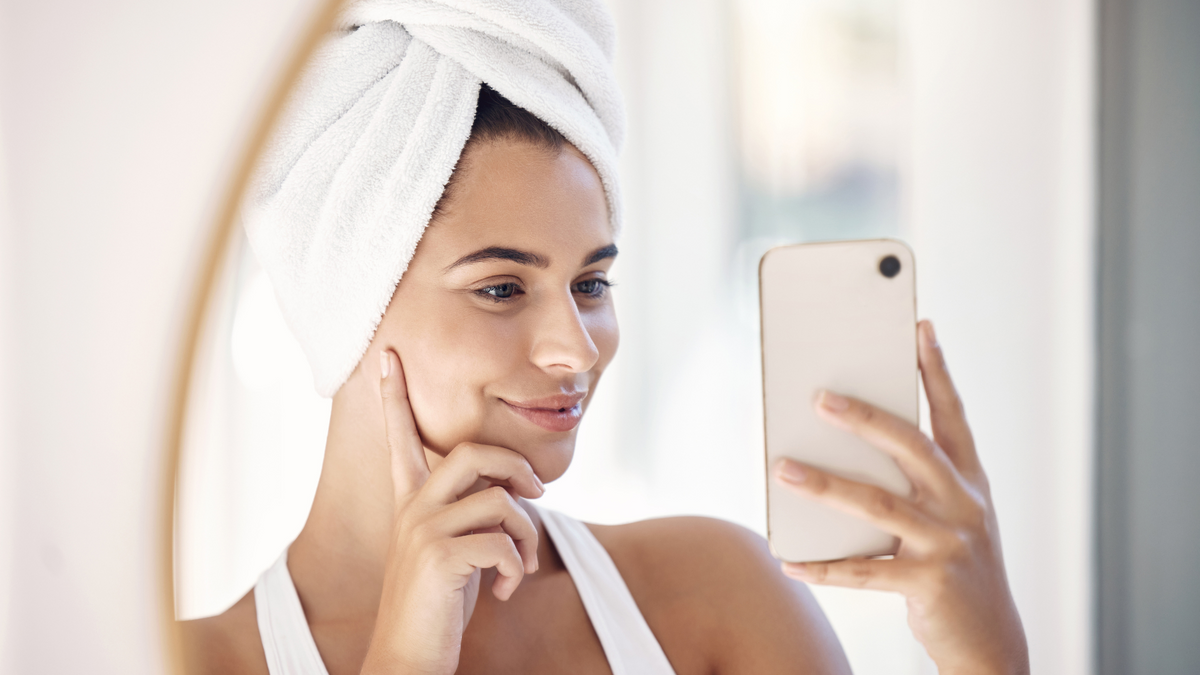
Use Consistent Lighting
Lighting dramatically affects how skin appears. To ensure accuracy:
Take photos in the same location each time
Use natural light whenever possible
Avoid overhead shadows
Skip beauty filters
A window with soft daylight is usually the best option.
Capture the Same Angles
Professionals typically capture three angles:
Front view
Left side
Right side
These angles allow you to track breakouts, pigmentation, and texture across the entire face.
Use a Clean Skin Baseline
Take photos with:
Clean skin
No makeup
Neutral facial expression
This keeps your documentation honest and consistent.
Choose a Tracking Schedule
Most dermatologists recommend weekly or bi-weekly photos. Daily photos are unnecessary and may make small fluctuations feel more dramatic than they really are.
Step 2: Keep a Simple Skin Journal


4
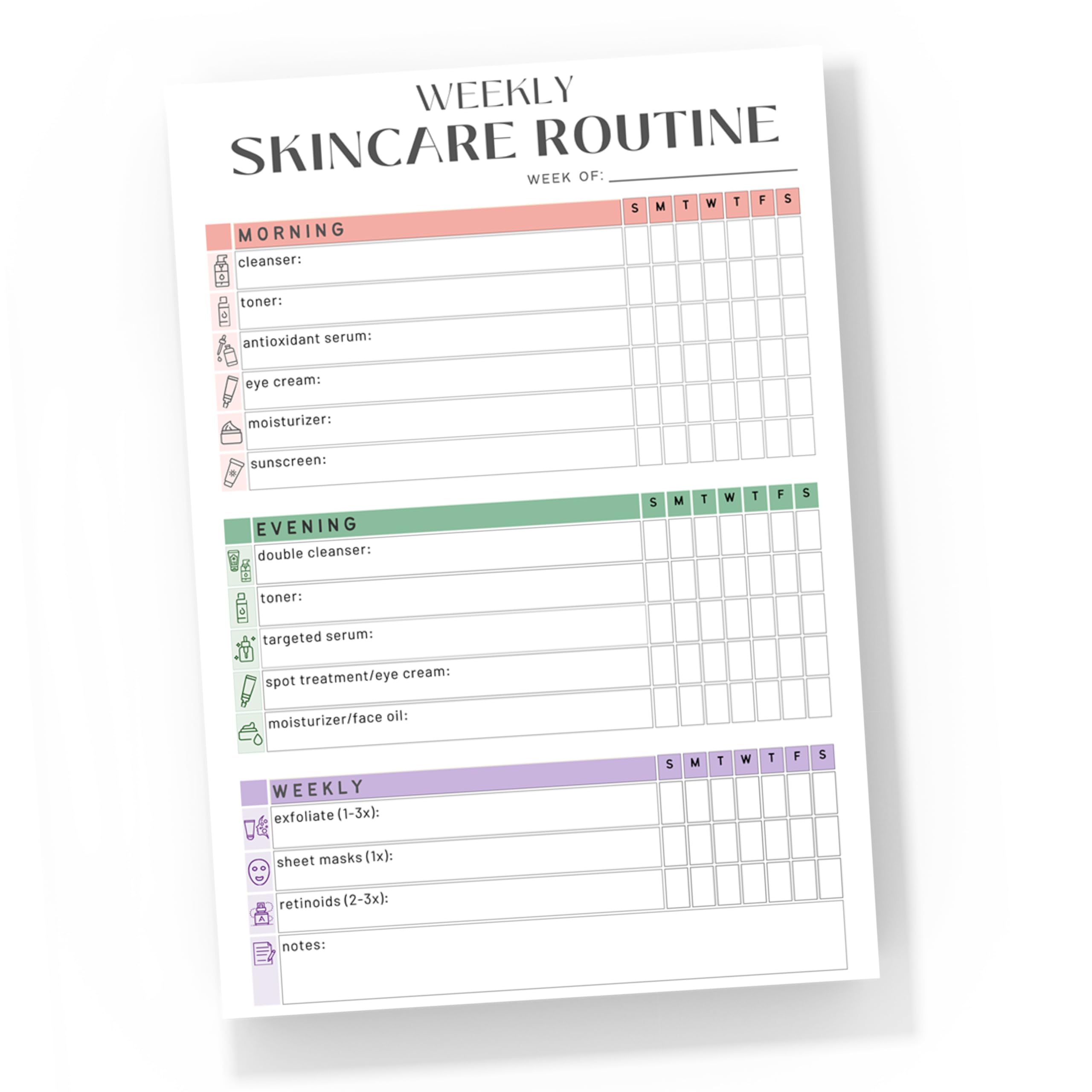
Photos show the visual story of your skin, but notes explain the context behind those changes.
A skincare journal helps you connect cause and effect.
For example:
A breakout may follow a stressful week.
Redness might appear after introducing a new exfoliant.
Hydration may improve after increasing water intake.
Without notes, these connections are easy to miss.
What to Record
Your skincare journal doesn’t need to be complicated. A few simple details are enough:
Products used
List the products you applied that day or week.
Skin condition
Describe how your skin feels:
Dry
Balanced
Irritated
Congested
Glowing
Lifestyle factors
Skin is influenced by many variables, including:
Sleep quality
Stress levels
Diet changes
Hormonal cycles
Weather shifts
These observations provide valuable context.
Digital vs. Notebook Tracking
Both methods work well.
Some people prefer a physical notebook, while others use note apps or skincare tracking apps.
The key is consistency—not complexity.
Step 3: Use Simple Skin Metrics



4
While photos and notes offer qualitative insight, simple metrics add objective data.
You don’t need advanced dermatology equipment to measure meaningful progress.
Metric 1: Breakout Count
One of the easiest metrics is simply counting active blemishes.
Each week, note:
Number of pimples
Location
Severity
Over time, you may notice patterns such as hormonal breakouts or product reactions.
Metric 2: Skin Texture Score
Rate your skin texture from 1–5.
Example:
1 – Very smooth
2 – Mostly smooth
3 – Mild unevenness
4 – Rough texture
5 – Very congested
This subjective scale helps track gradual improvements.
Metric 3: Hydration Level
Hydration can be assessed through simple observation:
Signs of good hydration:
Plump appearance
Less visible fine lines
Smooth makeup application
Signs of dehydration:
Tightness
Flakiness
Dull appearance
You can rate hydration weekly using the same 1–5 scale.
Metric 4: Redness or Sensitivity
Tracking redness helps identify irritation triggers.
Note whether redness appears:
After exfoliation
After sun exposure
During seasonal weather changes
Over time, patterns become easier to identify.
Monthly Skin Reviews: The Secret Professionals Use
Tracking only works if you review your data regularly.
Once a month, look at:
Your photo progression
Your skincare notes
Your metrics
Ask yourself key questions:
Which products improved your skin?
Which products caused irritation?
Did hydration improve or worsen?
Did breakouts decrease?
Monthly reviews transform scattered observations into actionable insights.
Common Skin Tracking Mistakes to Avoid
Even simple tracking systems can become misleading if done incorrectly.
Inconsistent Lighting
If your photos change lighting or camera angle every time, comparisons become unreliable.
Tracking Too Many Metrics
Too much data can create confusion. Focus on three or four meaningful indicators instead of dozens.
Expecting Instant Results
Skin changes slowly. Most ingredients take 4–12 weeks to show visible improvements.
Tracking helps you see progress even when it feels slow.
Changing Too Many Products at Once
If you introduce several new products simultaneously, it becomes impossible to know which one caused improvement—or irritation.
Advanced Skin Tracking Tools
Technology is also transforming at-home skin monitoring.
Many modern tools now offer deeper insights.
AI Skin Analysis Apps
Some apps analyze facial photos to estimate:
Pore size
Wrinkle depth
Redness levels
Pigmentation patterns
While these tools are not perfect, they can highlight trends over time.
Smart Skin Devices
Some beauty devices measure metrics like:
Hydration levels
Oil production
Barrier strength
These tools can complement traditional tracking methods.
Progress Timeline Apps
Certain skincare apps automatically organize photos and notes into progress timelines, making long-term changes easier to visualize.
However, even with technology, consistency remains the most important factor.
Building Your Personal Skin Tracking Routine
Creating a skin tracking habit doesn’t require complicated tools.
A simple weekly routine might look like this:
Sunday evening routine
Cleanse your skin
Take three progress photos
Record your skin condition
Log any new products
Rate hydration, texture, and breakouts
This entire process takes less than five minutes, yet it provides valuable long-term insights.
Within a few months, you’ll build a detailed history of your skin’s behavior.
The Long-Term Benefits of Skin Tracking
Tracking your skin consistently delivers powerful advantages.
Smarter Product Choices
You’ll quickly see which products truly deliver results—and which ones are simply hype.
Faster Problem Solving
When irritation or breakouts occur, your records make it easier to identify the cause.
Personalized Skincare
Over time, your data reveals exactly what your skin responds to best.
More Realistic Expectations
Skin tracking also helps you understand the true pace of skincare progress, preventing frustration and impulsive product switching.
The Future of Skincare Is Data-Driven
The beauty industry is moving toward personalization, diagnostics, and measurable results.
From AI skin analysis to microbiome research, skincare is becoming more scientific every year.
Yet the foundation of skin intelligence remains simple:
Observing your skin
Recording changes
Learning from patterns
When you track your skin like a professional, you transform skincare into a thoughtful, informed practice rather than a random experiment.
And in a world overflowing with beauty products and trends, that clarity is incredibly powerful.
