The Best Haircare Tips From Experts
The Best Haircare Tips From Experts
Healthy, beautiful hair rarely happens by accident. Behind glossy magazine covers and effortless-looking styles lies a combination of knowledge, routine, and science-backed care. Today’s top hair professionals—from celebrity stylists to trichologists—agree that the secret to great hair isn’t simply using expensive products. It’s understanding what your hair truly needs and building habits that protect and nourish it every day.
Modern haircare has evolved dramatically in recent years. Advances in scalp science, ingredient innovation, and personalized routines have transformed the way experts approach hair health. Instead of quick fixes, the focus is now on long-term hair wellness, starting at the scalp and extending through every strand.
If you want stronger, shinier, and more resilient hair, these expert-approved tips can help transform your routine.
Why Expert Haircare Advice Matters
Hair is more complex than it appears. Each strand is made up of layers of keratin protein, protected by a cuticle that acts as a shield against damage. Everyday habits—from heat styling to environmental exposure—can gradually weaken this structure.
Hair professionals emphasize that small routine improvements can make a dramatic difference over time. When hair is treated with the right balance of moisture, strength, and protection, it becomes easier to manage, style, and maintain.
Many people unknowingly damage their hair through simple habits like over-washing, aggressive brushing, or using the wrong products. Experts aim to correct these mistakes with smarter care routines designed to support hair health from the inside out. 💡
Start With a Healthy Scalp

4
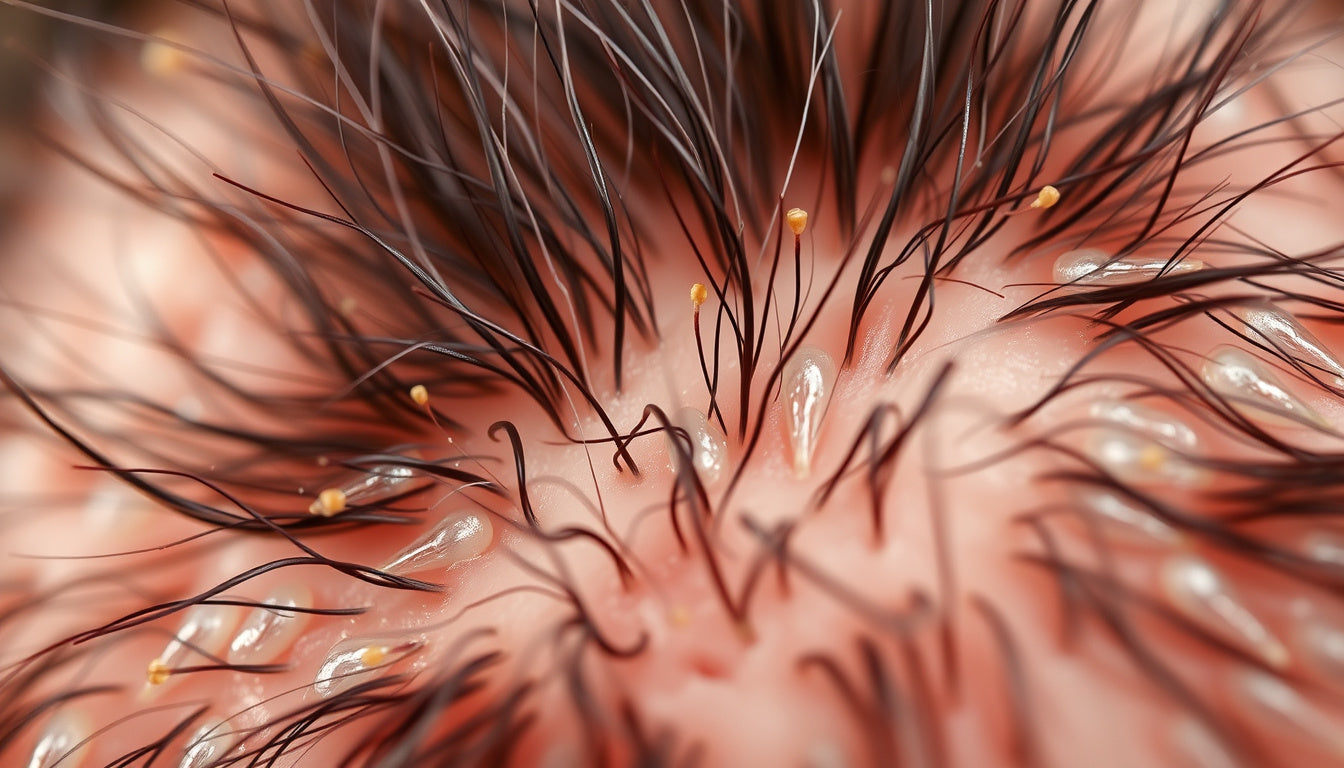
One of the most important expert haircare tips is surprisingly simple: focus on your scalp.
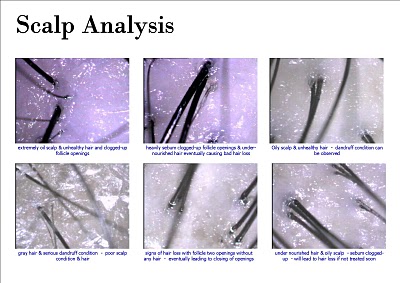
Just like healthy soil helps plants grow, a balanced scalp environment supports stronger hair growth. When the scalp is dry, irritated, or clogged with product buildup, hair follicles may struggle to produce healthy strands.
Hair specialists recommend treating the scalp with the same care as facial skin. Gentle exfoliation, lightweight serums, and regular cleansing help maintain optimal scalp health.
Massaging the scalp during shampooing also stimulates blood circulation, delivering nutrients to the follicles. Even a one-minute massage each day can support healthier hair growth over time.
Experts also warn against heavy products directly on the scalp unless they are designed specifically for scalp care. Keeping the scalp balanced ensures that hair can grow stronger and fuller.
Choose the Right Shampoo for Your Hair Type
Not all shampoos are created equal. One of the biggest mistakes experts see is people using the wrong cleanser for their hair type.
A shampoo designed for dry hair contains richer moisturizing ingredients, while formulas for oily hair focus on balancing excess oil production. Color-treated hair, curly hair, and fine hair all have different structural needs.
Professional stylists often recommend alternating shampoos depending on your hair’s condition. For example, you might use a hydrating shampoo during colder months and a lighter clarifying formula during warmer seasons.
Another key piece of expert advice is to focus shampoo primarily on the scalp rather than the ends of the hair. The cleansing foam that rinses through the hair is usually enough to remove dirt and oil from the lengths without causing unnecessary dryness.
This approach keeps the scalp fresh while protecting the hair’s natural moisture balance.
Condition Strategically

Conditioner is one of the most powerful tools in modern haircare, yet it is often misunderstood.
Experts explain that conditioner works by smoothing the hair cuticle and restoring moisture lost during washing or styling. When used correctly, it helps reduce breakage, improves shine, and makes hair easier to detangle.
The key is applying conditioner mainly to the mid-lengths and ends rather than the scalp. These areas are older and more fragile, making them more likely to need extra hydration.
Deep conditioning masks are also recommended once a week, especially for people who frequently heat style, color, or chemically treat their hair. These treatments penetrate deeper into the hair shaft, restoring strength and elasticity.
Consistent conditioning helps maintain a silky texture while preventing long-term damage.
Minimize Heat Styling Damage
Heat styling tools can transform hair instantly, but excessive use can gradually weaken its structure. Flat irons, curling wands, and blow dryers operate at temperatures high enough to break down hair proteins.
Hair professionals recommend using heat tools thoughtfully rather than eliminating them completely. The key is preparation and protection.
Applying a heat protectant before styling forms a protective barrier that reduces damage caused by high temperatures. Many modern formulas also include nourishing ingredients that strengthen hair while styling.
Another expert trick is lowering the temperature on styling tools. Many people use heat settings far higher than necessary. Fine or fragile hair often styles well at lower temperatures, reducing stress on the strands.
Allowing hair to air dry partially before blow-drying can also significantly decrease exposure to heat.
Trim Hair Regularly

4
Many people believe that trimming hair prevents it from growing longer, but experts say the opposite is true.
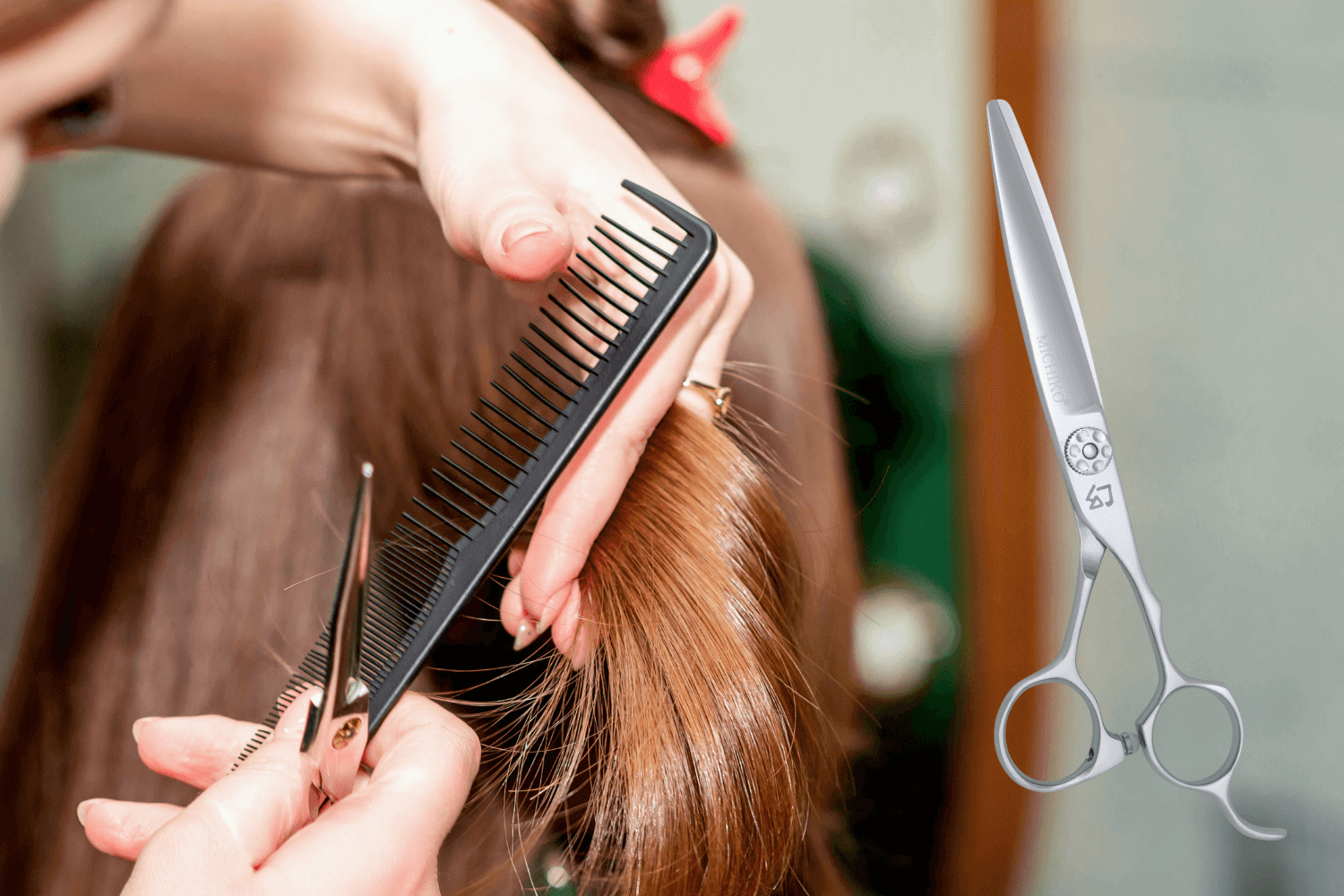
Regular trims remove split ends before they travel up the hair shaft and cause further damage. When split ends spread, they can lead to breakage that makes hair appear thinner and shorter over time.
Most stylists recommend trimming every eight to twelve weeks depending on hair texture and styling habits.
Maintaining healthy ends helps hair look fuller, smoother, and more polished—even between salon visits.
Protect Hair From Environmental Stress
Hair is constantly exposed to environmental stressors such as pollution, sun exposure, humidity, and hard water minerals. Over time, these elements can weaken the hair cuticle and fade color.
Experts recommend protective habits that shield hair from these external factors.
For example, wearing hats in strong sunlight helps prevent UV damage, while silk scarves can reduce friction during windy conditions. Using leave-in conditioners or lightweight oils also forms a protective layer around the hair shaft.
Swimmers should rinse hair with fresh water before entering pools to reduce chlorine absorption. After swimming, gentle cleansing and conditioning restore moisture balance.
These small protective habits preserve hair strength and shine over time. 🌍
Be Gentle With Wet Hair
Hair is most fragile when it is wet. Water causes the hair shaft to swell slightly, making it more vulnerable to stretching and breakage.
Experts strongly advise against aggressive towel-drying or brushing immediately after washing.
Instead, gently squeeze excess water from the hair using a microfiber towel or soft cotton fabric. These materials reduce friction compared to traditional towels.
When detangling, use a wide-tooth comb or a brush designed specifically for wet hair. Start from the ends and work upward gradually to prevent pulling and snapping.
This gentle approach protects the hair structure while maintaining smoothness and strength.
Nourish Hair From Within


4
Hair health is closely connected to nutrition. Experts frequently emphasize that what you eat plays a crucial role in how your hair grows and looks.
Hair is primarily made of protein, so diets lacking adequate protein may result in weaker strands. Foods such as eggs, fish, beans, and nuts provide essential building blocks for hair growth.
Iron, zinc, biotin, and omega-3 fatty acids also support hair strength and scalp health. A balanced diet rich in vegetables, healthy fats, and lean proteins ensures that hair follicles receive the nutrients they need.
Hydration is equally important. Drinking enough water supports circulation and helps deliver nutrients throughout the body, including the scalp.
When internal health is balanced, hair often reflects that vitality through shine and resilience. 🌿
Avoid Overloading Hair With Products
In the age of endless beauty products, experts warn against the temptation to use too many formulas at once.
Layering excessive styling creams, oils, sprays, and serums can weigh hair down and create buildup that dulls its appearance. Instead, professionals recommend choosing a few high-quality products tailored to your hair type.
A simple routine—cleanse, condition, protect, and style—is often more effective than complicated product layering.
Periodic clarifying shampoos can help remove buildup from styling products and environmental residue. This allows hair to regain its natural movement and shine.
Minimalism in haircare often produces the healthiest results.
Develop a Consistent Haircare Routine
Consistency is the most overlooked factor in hair health. Many people try new products frequently without allowing enough time to see results.
Hair experts recommend sticking to a routine for several weeks before evaluating its effectiveness. Hair grows slowly, so improvements in strength or shine may take time to appear.
A balanced routine typically includes:
• gentle cleansing
• targeted conditioning
• scalp care
• protective styling habits
• occasional treatments
When these steps are followed consistently, hair gradually becomes stronger and easier to manage.
The Future of Expert Haircare
Modern beauty science is increasingly focused on personalization. New technologies analyze scalp health, hair density, and strand structure to recommend customized routines.
Innovations in ingredient research are also shaping the future of haircare. Peptides, plant stem cells, and microbiome-friendly formulas are becoming central to advanced treatments. 🧬🔬
Sustainability is another growing priority in the industry. Many brands are developing biodegradable packaging, refill systems, and responsibly sourced ingredients to reduce environmental impact.
As haircare continues evolving, expert advice remains rooted in a timeless principle: healthy hair begins with thoughtful care and consistent habits.
Final Thoughts
Achieving beautiful hair isn’t about chasing every new trend—it’s about understanding your hair and treating it with patience and care.
By focusing on scalp health, gentle handling, balanced nutrition, and smart product choices, you can dramatically improve the condition of your hair over time.
The best haircare tips from experts often come down to simple but powerful practices. When these habits become part of your routine, your hair naturally becomes stronger, shinier, and more resilient.
True hair beauty is not just about appearance—it’s about long-term health, confidence, and care.
