Clean Pets, Healthy Homes: Why Grooming Matters
Clean Pets, Healthy Homes: Why Grooming Matters


4
Introduction
A pet brings warmth, joy, and companionship into a home. Whether it’s the enthusiastic wag of a dog’s tail or the soothing purr of a cat curled up beside you, animals quickly become beloved members of the family. Yet along with that affection comes responsibility—especially when it comes to hygiene and grooming.
Many pet owners see grooming simply as a way to make their animals look neat or smell better. But grooming plays a much deeper role. Regular brushing, bathing, nail trimming, and coat care directly influence a pet’s health and the cleanliness of the environment they share with humans.
A well-groomed pet contributes to a healthier home. It reduces allergens, minimizes bacteria, prevents skin issues, and even improves emotional well-being for both pets and owners. In many ways, grooming is not just cosmetic—it is essential wellness care. 🐾
Understanding why grooming matters can transform the way you approach pet care and create a happier, healthier home for everyone.
The Hidden Health Benefits of Pet Grooming
Preventing Skin Problems
A pet’s coat and skin are their first line of defense against infections and environmental irritants. Without proper grooming, fur can become tangled, oily, or filled with debris. Mats in the coat trap moisture and dirt close to the skin, creating the perfect environment for bacteria or fungal infections.
Regular brushing helps remove loose hair, dirt, and dandruff while distributing natural oils across the coat. These oils maintain healthy skin and keep fur soft and protective. 🌿
Bathing also plays a role when done properly. Using gentle pet-safe shampoos removes pollutants and allergens that accumulate in the coat. For pets with sensitive skin, grooming routines recommended by veterinarians can prevent irritation and chronic dermatological problems.
Detecting Health Issues Early
Another overlooked benefit of grooming is early health detection. During brushing or bathing, owners often notice small changes that might otherwise go unnoticed.
These can include:
Unusual lumps or bumps
Skin redness or rashes
Parasites such as fleas or ticks
Changes in coat texture
Injuries or wounds hidden under fur
Catching these signs early allows for faster veterinary care and prevents minor issues from developing into serious health concerns. Grooming sessions essentially become regular health checkups for your pet. 🔬
Grooming and a Cleaner Home Environment
Reducing Allergens
Pet hair itself is rarely the main cause of allergies. The real culprits are proteins found in dander, saliva, and skin oils. When pets shed or groom themselves, these allergens spread throughout the home and attach to furniture, bedding, and carpets.
Routine grooming dramatically reduces the amount of dander released into the environment. Brushing removes loose fur and skin flakes before they scatter through the house. Bathing further washes away allergen buildup.
For households with mild allergies, grooming can make the difference between discomfort and harmony.
Controlling Shedding
Every pet owner knows the frustration of finding fur everywhere—from couches to clothing. Shedding is natural, but excessive hair around the home often results from neglected grooming.
Regular brushing removes dead hair before it falls out naturally. This keeps coats healthier and significantly reduces the amount of loose fur circulating through living spaces.
In fact, many professional groomers estimate that consistent brushing can reduce visible shedding in the home by up to 80 percent.
Limiting Odors
Pets develop odors when oils, dirt, and bacteria accumulate in their coats. Bedding, furniture, and carpets quickly absorb these smells.
Consistent grooming keeps coats clean and balanced, preventing unpleasant odors from spreading through the home. ✨
Clean pets naturally create cleaner spaces.
Grooming as Emotional Care for Pets


4
Strengthening the Human–Pet Bond
Grooming sessions provide quiet moments of connection between pets and their owners. When handled gently, brushing and bathing become soothing rituals that build trust and affection.
Animals are highly responsive to touch. The act of grooming mimics natural behaviors animals perform with each other, reinforcing a sense of safety and companionship.
Many pets eventually begin to look forward to grooming sessions as moments of calm attention and care.
Reducing Anxiety
Just like humans, animals benefit from routine. Scheduled grooming creates predictable structure in a pet’s life. This routine helps reduce anxiety and promotes emotional stability.
Additionally, brushing stimulates circulation and releases endorphins that help animals feel relaxed and content. 🐶
For anxious pets, grooming can become a calming ritual rather than a stressful chore when introduced gradually and with positive reinforcement.
Essential Grooming Practices Every Pet Needs
Brushing
Brushing remains the cornerstone of pet grooming. The frequency depends on the type of coat.
Short-haired pets may only need brushing once or twice a week, while long-haired breeds often require daily attention to prevent tangles and matting.
Benefits of brushing include:
Removing loose hair
Preventing mats
Stimulating circulation
Spreading natural skin oils
Reducing shedding
Using the correct brush for your pet’s coat type makes the process easier and more comfortable.
Bathing
Bathing helps remove accumulated dirt, allergens, and oils. However, excessive bathing can dry out the skin, so balance is important.
Most dogs benefit from bathing every 4–6 weeks, while cats often require less frequent baths because they groom themselves naturally.
Choosing gentle, pet-specific shampoos protects the skin barrier and prevents irritation.
Nail Trimming
Overgrown nails are not just uncomfortable—they can cause posture problems and joint strain. Long nails may also split or break painfully.
Regular trimming keeps nails at a healthy length and helps pets walk naturally.
Ear and Dental Care
Grooming goes beyond fur and nails. Cleaning ears prevents infections caused by wax buildup and trapped moisture.
Dental hygiene is equally important. Brushing a pet’s teeth or providing dental chews reduces plaque buildup and supports overall health.
These small steps significantly improve a pet’s quality of life. 🧬
Grooming and Parasite Prevention


4
Fleas, ticks, and mites are among the most common health threats for pets. These parasites not only cause itching and discomfort but also spread diseases.
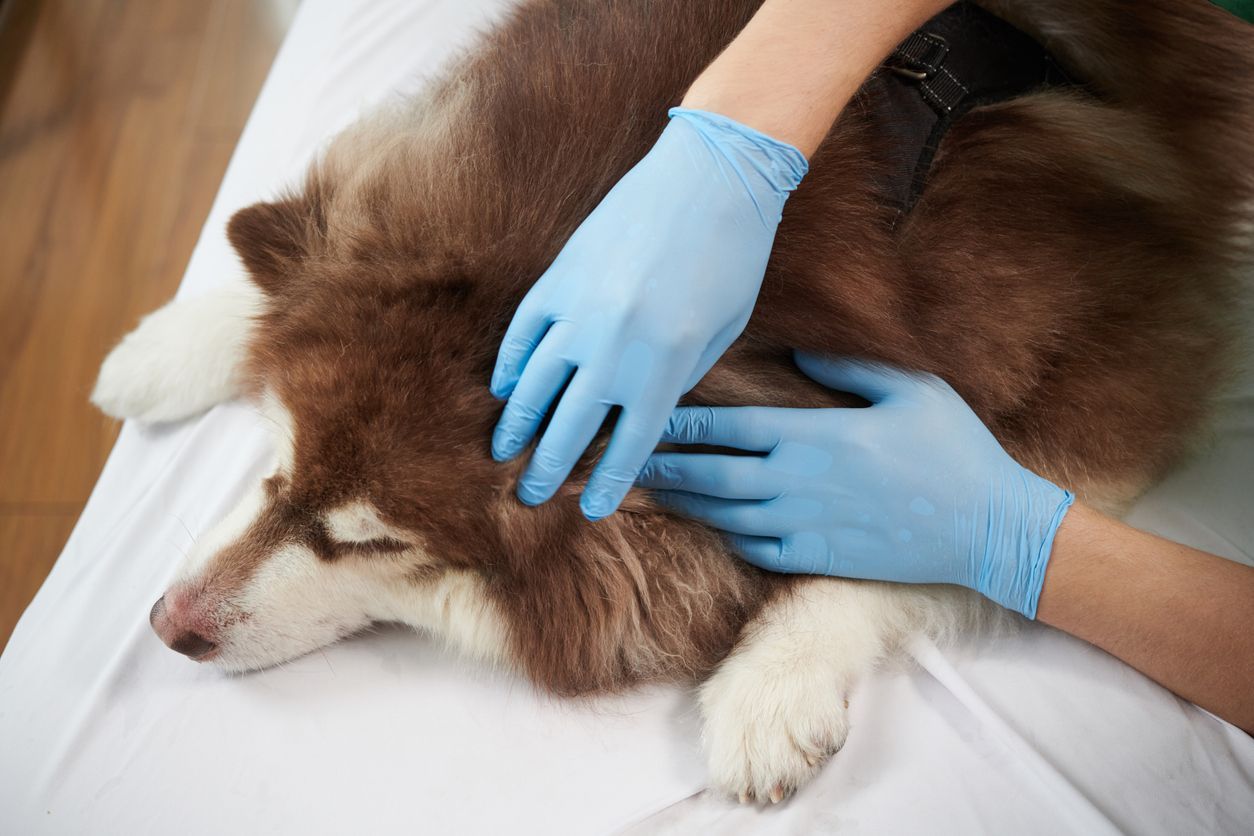
Regular grooming helps detect these pests early. Brushing with flea combs and inspecting the skin during grooming sessions allows owners to spot parasites before infestations worsen.
Maintaining a clean coat also makes parasite treatments more effective.
In addition, keeping pets groomed reduces the chance of parasites spreading into the home environment—protecting both animals and humans. 🔬
Professional Grooming vs. At-Home Grooming
Benefits of Professional Groomers
Professional groomers bring expertise and specialized tools that make grooming safer and more efficient.
They can:
Handle complex coat types
Perform breed-specific cuts
Safely trim nails and hair
Identify skin issues or infections
Provide deep coat treatments
For many pet owners, professional grooming every few months keeps pets looking and feeling their best.
The Importance of Home Grooming
While professional grooming is helpful, daily or weekly home care remains essential.
Simple routines such as brushing, checking ears, and wiping paws maintain cleanliness between professional visits.
Home grooming also helps pets become comfortable with handling, making vet visits and professional grooming less stressful.
Grooming Tools That Make a Difference
Having the right tools simplifies grooming and improves results.
Essential grooming tools include:
Slicker brushes for detangling
Deshedding brushes for heavy shedding breeds
Pet-safe shampoos and conditioners
Nail clippers or grinders
Ear cleaning solutions
Flea combs
High-quality grooming tools are an investment in your pet’s comfort and health. 💎
Grooming as Part of a Holistic Pet Care Routine
Pet grooming works best when combined with other aspects of responsible care.
Healthy pets thrive when grooming is paired with:
Balanced nutrition
Regular exercise
Veterinary checkups
Clean living environments
Mental stimulation
Together, these practices create a lifestyle that supports long-term wellness for animals and their human families.
A pet that feels good physically and emotionally becomes more playful, affectionate, and energetic.
And when pets are healthy, homes naturally become happier places.
Creating a Grooming Routine That Works
Consistency is the secret to effective grooming.
Pet owners should aim to establish routines that suit their pet’s breed, coat type, and lifestyle. A simple weekly schedule might include brushing, checking ears, wiping paws, and inspecting the coat.
Monthly tasks such as bathing and nail trimming can be scheduled as needed.
Starting grooming routines early—especially with puppies and kittens—helps animals adapt and cooperate more easily.
Positive reinforcement, treats, and patience turn grooming into a pleasant experience rather than a stressful obligation.
Final Thoughts
Grooming is far more than a cosmetic routine. It is a vital component of responsible pet care and household hygiene.
Clean pets are healthier, happier, and more comfortable. Their coats shine, their skin stays balanced, and their risk of infections or parasites decreases significantly.
At the same time, grooming protects the home environment. It reduces allergens, prevents odor buildup, limits shedding, and supports a cleaner living space.
Perhaps most importantly, grooming strengthens the bond between pets and their owners. It transforms routine care into moments of connection, trust, and affection.
In the end, a simple truth remains: when pets are well cared for, everyone in the home benefits. 🌍
A clean pet truly helps create a healthy home.
