How to Fix Dry, Damaged Hair at Home
How to Fix Dry, Damaged Hair at Home


4
Healthy, glossy hair is often associated with vitality and beauty, but many women struggle with dryness, breakage, and dull strands. From heat styling and environmental stress to chemical treatments and poor haircare habits, modern life exposes hair to countless sources of damage.
The good news is that restoring your hair’s health doesn’t always require expensive salon treatments. With the right techniques, nourishing ingredients, and consistent care, you can dramatically improve the condition of dry, damaged hair right at home.
Repairing damaged hair is less about quick fixes and more about rebuilding moisture, strengthening the hair structure, and protecting strands from further stress. When you approach haircare with intention and patience, your hair can regain its shine, softness, and resilience over time.
This guide explores the most effective ways to repair dry, damaged hair using simple home routines and science-backed beauty habits.
Understanding Why Hair Becomes Dry and Damaged
Before repairing hair, it helps to understand what causes damage in the first place.
Hair strands are composed mainly of a protein called keratin and are protected by an outer layer known as the cuticle. When the cuticle becomes lifted or weakened, hair loses moisture and becomes rough, brittle, and prone to breakage.
Several common habits contribute to this process.
Frequent heat styling is one of the biggest culprits. Flat irons, curling wands, and blow dryers expose hair to extreme temperatures that weaken the protein structure over time. Chemical treatments such as bleaching, coloring, and relaxing can also compromise the cuticle layer, leaving hair fragile.
Environmental factors play a role as well. Sun exposure, pollution, and hard water can strip natural oils from the hair, while over-washing removes protective sebum from the scalp.
Even simple daily habits—like aggressive brushing or using the wrong hair products—can gradually lead to dryness and damage.
Recognizing these causes is the first step toward reversing the effects.
Start With a Gentle Hair Washing Routine


4
One of the most effective ways to repair damaged hair begins with how you wash it.
Many traditional shampoos contain harsh cleansing agents that remove not only dirt but also the natural oils that keep hair soft and hydrated. When hair is already dry, this can worsen the problem.
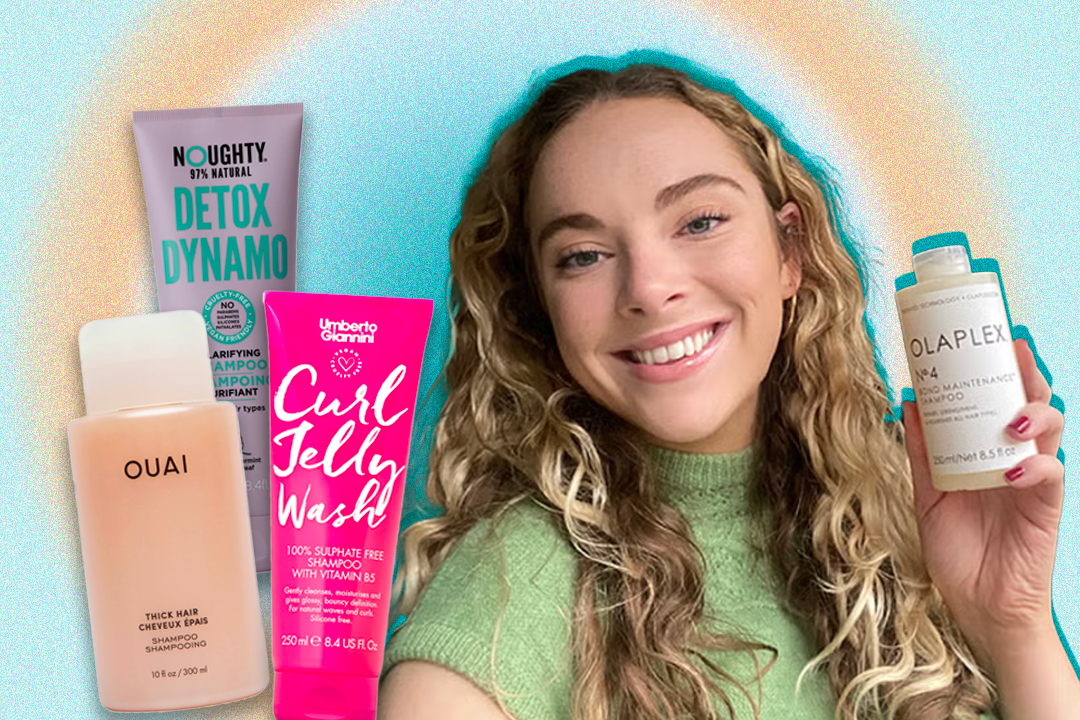
Switching to a gentle, sulfate-free shampoo can help preserve moisture while still keeping the scalp clean. Washing your hair two to three times per week instead of daily also allows natural oils to nourish the hair shaft.
Conditioner is equally important. A hydrating conditioner smooths the cuticle and replenishes moisture lost during washing. Applying conditioner primarily to the mid-lengths and ends—where hair is driest—can dramatically improve softness and manageability.
For deeper repair, consider leaving the conditioner on for several minutes before rinsing. This allows nourishing ingredients to penetrate the hair fibers more effectively.
Deep Conditioning Is Essential for Repair


4
If your hair feels brittle or rough, deep conditioning treatments can make a noticeable difference.
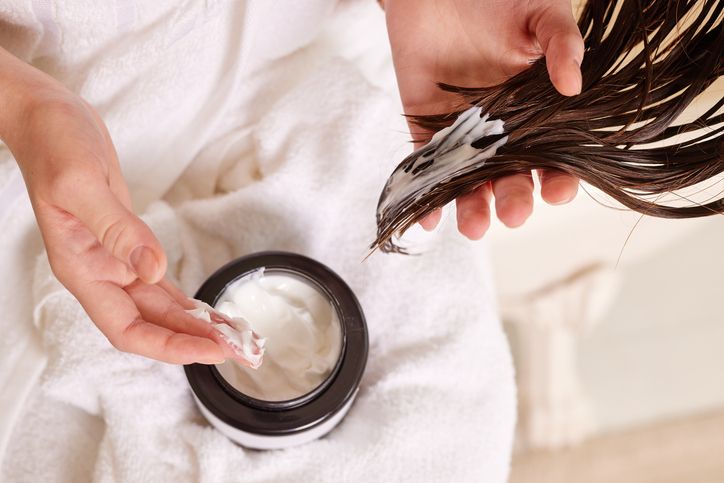
Hair masks are designed to deliver concentrated hydration and repair ingredients directly to damaged strands. Many contain nourishing oils, proteins, and vitamins that strengthen hair from the inside out.
Using a hair mask once or twice a week can significantly improve texture and elasticity. Apply the mask to clean, damp hair and distribute it evenly through the lengths. For enhanced results, leave it on for 15–30 minutes before rinsing.
Heat can also help the treatment absorb more effectively. Wrapping your hair in a warm towel or wearing a shower cap during the treatment encourages deeper penetration of the ingredients.
Over time, consistent deep conditioning helps restore softness, shine, and flexibility.
Natural Oils Can Restore Moisture and Shine


4
Natural oils have been used for centuries as hair treatments, and their popularity continues for good reason.
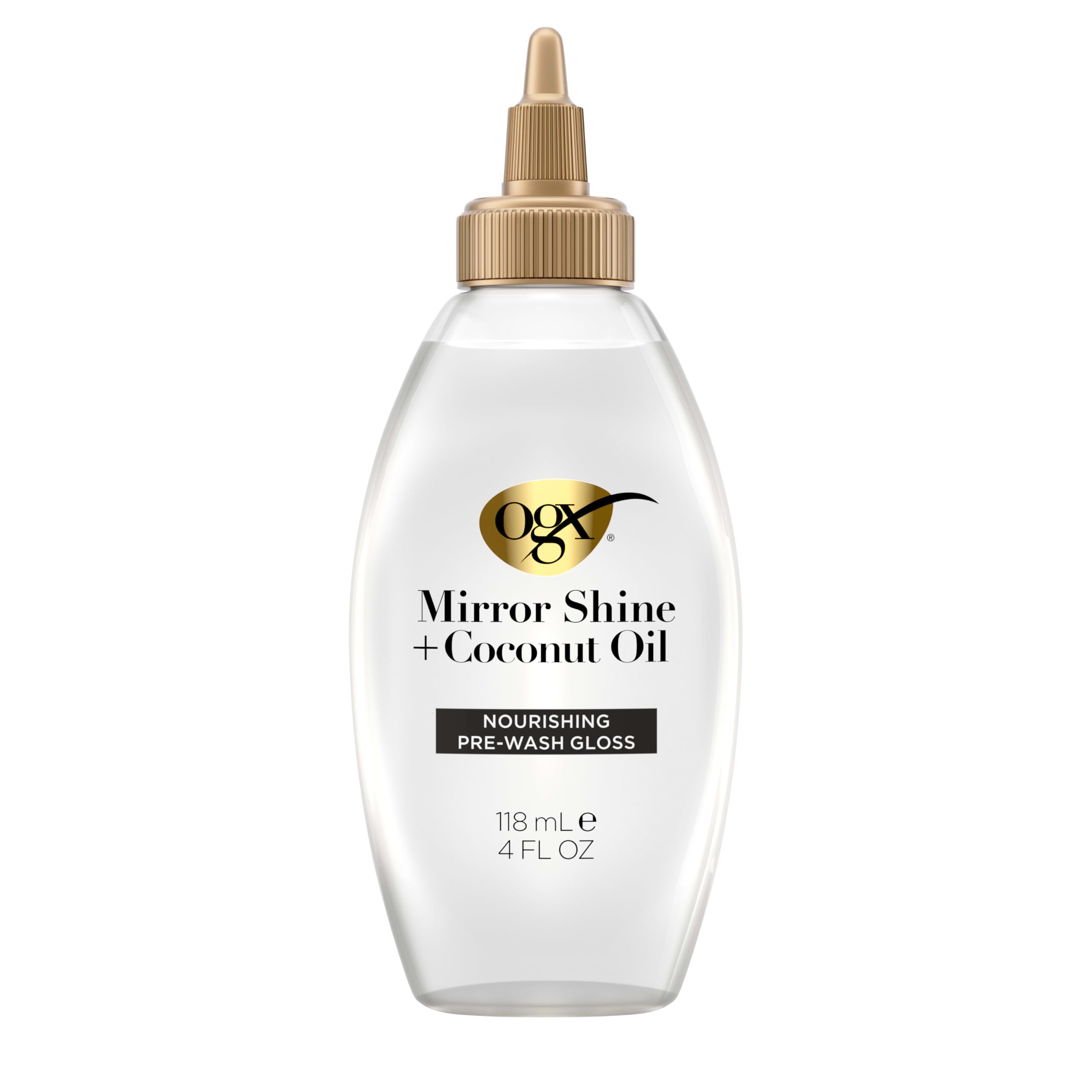
Oils such as coconut, argan, and olive oil contain fatty acids and antioxidants that nourish hair while protecting it from moisture loss.
Coconut oil is particularly effective because it penetrates the hair shaft and helps reduce protein loss. Argan oil, often called “liquid gold,” is rich in vitamin E and adds immediate shine while smoothing frizz.
To use oils as a treatment, warm a small amount between your palms and apply it to dry hair, focusing on the ends. Leave the oil on for at least 30 minutes—or overnight for intensive repair—before washing it out.
This simple ritual can transform dull, brittle hair into softer, more manageable strands.
Reduce Heat Styling to Prevent Further Damage
While repairing damaged hair, it’s crucial to minimize the practices that caused the damage in the first place.
Heat styling tools can weaken hair fibers and strip moisture with repeated use. Giving your hair regular breaks from heat allows it to recover and retain hydration.
Whenever possible, let your hair air-dry instead of blow-drying. If you do use heat tools, always apply a heat protectant spray beforehand. These products form a barrier that reduces the impact of high temperatures on the hair shaft.
Choosing lower heat settings and limiting styling to special occasions can significantly reduce long-term damage.
Trim Your Hair Regularly
Repairing damaged hair sometimes requires removing the most compromised sections.
Split ends cannot truly be repaired once they occur. Instead, they continue to split further up the strand if left untreated. Regular trims help maintain healthy ends and prevent breakage from spreading.
A small trim every six to eight weeks can make hair look healthier and fuller while encouraging stronger growth over time.
Even if you are trying to grow your hair longer, trimming damaged ends actually helps maintain overall length and quality.
Improve Your Haircare Tools
Sometimes damage is caused not by products but by the tools we use every day.
Switching to gentler hair brushes or wide-tooth combs can reduce breakage when detangling wet hair. Wet hair is more fragile, so brushing aggressively at this stage can cause significant damage.
Silk or satin pillowcases can also make a difference. Unlike cotton, these fabrics create less friction while you sleep, helping prevent tangles and hair breakage overnight.
Small adjustments like these may seem minor, but they contribute significantly to long-term hair health.
Nourish Your Hair From Within
Beautiful hair isn’t only the result of external treatments. Nutrition also plays a major role.
Hair follicles require vitamins, minerals, and proteins to produce strong strands. Diets lacking essential nutrients can lead to weak, slow-growing hair that is more prone to damage.
Foods rich in protein, such as eggs, fish, and legumes, provide the building blocks for hair structure. Healthy fats from nuts, avocados, and seeds support scalp health and shine.
Vitamins like biotin, vitamin E, and omega-3 fatty acids are also associated with stronger, healthier hair growth.
By supporting your hair from the inside, you create the foundation for long-term repair.
Create a Weekly Hair Repair Routine
Consistency is the secret to restoring damaged hair. Instead of relying on occasional treatments, building a simple weekly routine ensures your hair receives ongoing care.
A balanced hair repair routine might look like this:
Two or three gentle washes per week with moisturizing shampoo and conditioner.
One deep conditioning treatment weekly to restore hydration and strength.
Occasional oil treatments to protect and nourish the hair shaft.
Minimal heat styling and regular trims to prevent further damage.
With consistent care, hair gradually becomes smoother, shinier, and more resilient.
Patience Is Key to Hair Recovery
Hair repair does not happen overnight. Since hair grows slowly—typically about half an inch per month—it takes time for healthier strands to replace damaged ones.
However, many people begin noticing improvements in softness, shine, and manageability within just a few weeks of adopting better haircare habits.
Patience, consistency, and gentle treatment allow your hair to recover naturally.
The Takeaway: Healthy Hair Starts With Smart Habits
Repairing dry, damaged hair at home is entirely possible with the right approach. Instead of relying solely on quick fixes, focus on restoring moisture, protecting the hair structure, and nourishing your body with the nutrients hair needs to grow strong.
By adopting gentle washing practices, deep conditioning regularly, using nourishing oils, reducing heat styling, and supporting hair health through nutrition, you can transform dry, brittle strands into soft, radiant hair.
Healthy hair is ultimately the result of consistent care. When you treat your hair with patience and intention, the results can be both visible and lasting.
