Why Your Skincare Products Might Not Be Working
Why Your Skincare Products Might Not Be Working
Skincare has never been more advanced—or more confusing. Walk into any beauty store or scroll through skincare TikTok, and you’ll find hundreds of serums, toners, acids, and creams promising radiant, flawless skin. Yet many people spend months (or even years) investing in products without seeing real improvements.
If your skincare routine feels more like an expensive experiment than a transformation, you’re not alone.
The truth is that even high-quality skincare products can fail to deliver results when certain underlying factors are overlooked. From incorrect layering to ingredient conflicts, small mistakes can silently sabotage your routine.
Let’s explore the most common reasons your skincare products may not be working—and how to fix them.
Understanding How Skincare Actually Works 🔬
Before diving into mistakes, it’s important to understand a fundamental truth about skincare: products don’t work instantly.
Your skin follows a natural renewal cycle known as cell turnover, which typically takes around 28 days for younger skin and up to 45 days for mature skin. This means meaningful improvements take time.
Many people abandon products too early or constantly switch routines, preventing their skin from adapting.
Effective skincare requires three things:
Consistency
Correct product combinations
Patience
Without these, even the most luxurious formulas may appear ineffective.
1. You're Using Too Many Products


4
One of the most common modern skincare mistakes is routine overload.
The beauty industry constantly introduces new ingredients and trends—peptides, retinol, niacinamide, AHAs, BHAs, vitamin C, snail mucin, and more. While each ingredient has benefits, layering too many products can overwhelm the skin barrier.
Instead of improving your skin, excessive products may cause:
irritation
clogged pores
sensitivity
reduced product absorption
Ironically, complicated routines often make skin worse.
The smarter approach
Dermatologists increasingly recommend simplified skincare routines consisting of:
Cleanser
Treatment serum
Moisturizer
Sunscreen (daytime)
A few carefully chosen products usually outperform a crowded shelf of half-used bottles.
✨ Sometimes the most powerful skincare strategy is simply doing less.
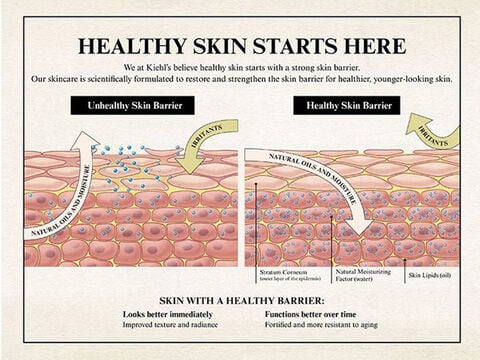
2. Your Skin Barrier May Be Damaged


4
The skin barrier is your skin’s protective shield. It keeps moisture inside while blocking irritants, pollution, and bacteria.
When the barrier becomes damaged, even premium skincare products struggle to work properly.
Signs of a compromised barrier include:
redness
burning sensation after applying products
flaking or peeling
sudden breakouts
increased sensitivity
Barrier damage often happens when people overuse exfoliating acids or retinol.
How to repair your skin barrier
Focus on soothing, barrier-repairing ingredients such as:
ceramides
panthenol
squalane
hyaluronic acid
centella asiatica
🌿 These ingredients help rebuild the skin’s protective layer and restore balance.
Once the barrier recovers, active ingredients will work far more effectively.
3. You're Mixing Ingredients That Cancel Each Other Out


4
Skincare is chemistry. Certain ingredients work beautifully together, while others interfere with each other.
A few problematic combinations include:
Retinol + Strong AHAs/BHAs
Using these together can cause severe irritation and peeling.
Vitamin C + Benzoyl Peroxide
Benzoyl peroxide can oxidize vitamin C, reducing its effectiveness.
Multiple Exfoliating Acids
Layering too many acids strips the skin barrier.
A better strategy
Structure your routine by time of day:
Morning routine:
vitamin C
moisturizer
sunscreen
Evening routine:
retinol or exfoliating acids
moisturizer
🧬 Separating active ingredients allows each one to perform optimally.
4. You Aren’t Applying Products in the Right Order


4
The order in which you apply skincare products significantly affects their absorption.
A good rule of thumb is:
Apply products from thinnest to thickest texture.
Correct layering sequence:
Cleanser
Toner
Essence (optional)
Serum
Eye cream
Moisturizer
Sunscreen (daytime)
Serums contain concentrated active ingredients that need direct contact with the skin. Applying thick creams first can block their absorption.
💡 Small technique adjustments can dramatically improve product performance.
5. You're Not Using Sunscreen Daily


4
This may be the single biggest reason skincare routines fail.
Without daily sunscreen, UV damage continues to break down collagen, cause hyperpigmentation, and accelerate aging—undoing the benefits of your entire routine.
Even the best anti-aging serums cannot compete with daily sun exposure.
Dermatologists recommend:
SPF 30 or higher
broad-spectrum protection
reapplication every two hours in direct sun
🌍 Think of sunscreen as the foundation of effective skincare, not just an optional step.
6. You're Expecting Overnight Results
Modern beauty marketing often promises instant transformations, but real skin improvement takes time.
Different ingredients work on different timelines:
Hydration ingredients: a few days
Acne treatments: 4–6 weeks
Retinol: 8–12 weeks
Hyperpigmentation treatments: 3–4 months
Switching products too frequently prevents you from seeing the true results.
Consistency is where the real magic happens.
7. Your Lifestyle May Be Affecting Your Skin
Skincare doesn’t operate in isolation. Your lifestyle choices directly impact how your skin behaves.
Key factors include:
Sleep
Skin repairs itself during deep sleep cycles.
Diet
High sugar and ultra-processed foods can increase inflammation.
Stress
Chronic stress increases cortisol, which may trigger acne and dullness.
Hydration
Water helps maintain skin elasticity and glow.
💎 Even the most advanced skincare products cannot fully compensate for unhealthy habits.
How to Reset Your Skincare Routine
If your products aren't delivering results, consider doing a skincare reset.
For two weeks, simplify your routine to:
Morning:
gentle cleanser
moisturizer
sunscreen
Evening:
cleanser
moisturizer
Once your skin stabilizes, reintroduce treatment ingredients gradually.
This strategy allows you to identify which products truly benefit your skin.
Signs Your Skincare Routine Is Finally Working ✨
Once you’ve corrected common mistakes, positive changes typically appear within a few weeks.
Healthy skin improvements include:
smoother texture
more even tone
improved hydration
reduced breakouts
natural glow
Skincare should enhance your skin—not constantly irritate it.
The Future of Smarter Skincare
The beauty industry is evolving toward fewer, smarter, science-backed products rather than overwhelming multi-step routines.
Consumers are becoming more educated about ingredients, skin barrier health, and sustainable formulations.
🔬 The future of skincare is less about chasing trends and more about understanding how skin truly functions.
When you work with your skin instead of against it, results become much easier to achieve.
✅ Final Insight
If your skincare products seem ineffective, the issue is rarely the product itself. More often, it's how the routine is structured.
By simplifying your regimen, respecting ingredient compatibility, protecting your skin barrier, and committing to consistency, you create the ideal environment for skincare to work its magic.
Beautiful skin isn't about having more products—it's about using the right ones, the right way.
