
Smart Beauty Devices: What They Measure (Hydration, Barrier, Texture) and How to Use Them
Smart Beauty Devices: What They Measure (Hydration, Barrier, Texture) and How to Use Them
The Rise of Data-Driven Skincare ✨
Beauty routines are no longer guided only by instinct, influencer advice, or trial-and-error. In 2026, skincare is increasingly data-driven, powered by a new generation of smart beauty devices that analyze the skin in real time.
These devices—often paired with mobile apps—can measure hydration levels, detect early barrier damage, analyze texture irregularities, and track subtle changes over time. Instead of guessing whether a serum is working or if your moisturizer is enough, users can now rely on quantifiable skin metrics.
This shift reflects a broader trend in the beauty industry: precision skincare. Just as wearable devices track steps and heart rate, smart beauty tools are beginning to monitor skin health with surprising accuracy.
The result is a routine built on insight rather than assumptions. Consumers can adjust exfoliation, hydration, and treatment frequency based on measurable data—creating routines that are both simpler and more effective.
Before investing in one of these devices, however, it helps to understand what they actually measure—and how to interpret the results.
What Smart Beauty Devices Actually Measure 🔬
Most modern skin-analysis tools focus on three core metrics: hydration, barrier condition, and surface texture. Together, these measurements provide a meaningful snapshot of overall skin health.
Hydration Levels


4
Hydration is one of the most common—and most useful—measurements offered by smart beauty tools.
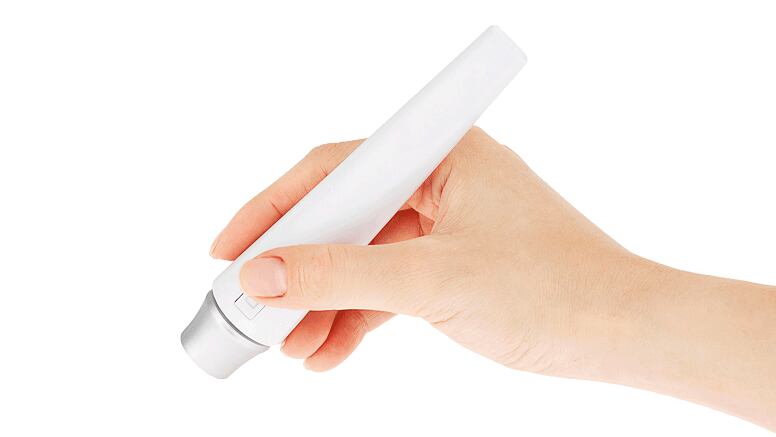
These devices typically use bioelectrical impedance or capacitance sensors to estimate the water content of the outer skin layer (the stratum corneum). When the sensor touches the skin, it measures how easily electrical signals pass through the tissue. Because water conducts electricity differently than dry skin, the device can estimate hydration levels.
Hydration readings usually fall into ranges such as:
Low hydration: Skin may appear dull, tight, or flaky
Balanced hydration: Skin looks smooth and comfortable
High hydration: Skin barrier likely functioning well
Why this matters: dehydration often mimics other skin issues, including sensitivity, fine lines, and rough texture. Without proper hydration data, people often over-exfoliate or switch products unnecessarily.
With a smart device, you might discover that the real solution is simply adjusting humectants, occlusives, or frequency of moisturizing.
Skin Barrier Condition

4
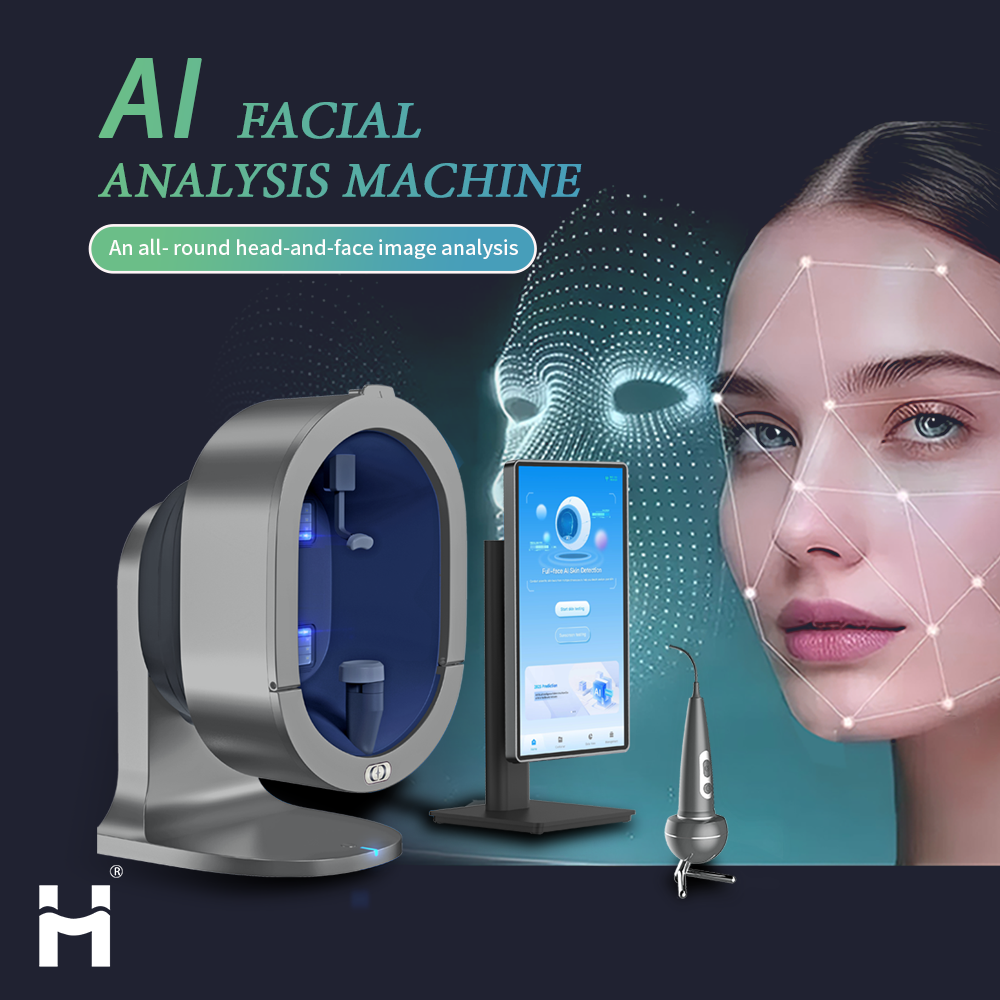
The skin barrier has become a central topic in skincare over the past few years—and smart devices are now attempting to measure its condition.
Barrier health is typically estimated using measurements related to transepidermal water loss (TEWL) or skin impedance changes.
In simpler terms, these devices evaluate how well the skin is holding onto moisture.
When the barrier is compromised, water escapes more easily. This can signal:
irritation
over-exfoliation
environmental stress
inflammation
A weakened barrier often leads to redness, breakouts, and sensitivity—even if the skincare routine appears gentle.
Smart beauty devices can detect early warning signs before visible irritation appears. This allows users to pivot quickly: reducing active ingredients, increasing barrier-supporting lipids, or temporarily simplifying the routine.
For anyone experimenting with retinoids, exfoliating acids, or strong treatments, this kind of monitoring can be particularly helpful.
Skin Texture and Surface Smoothness

4
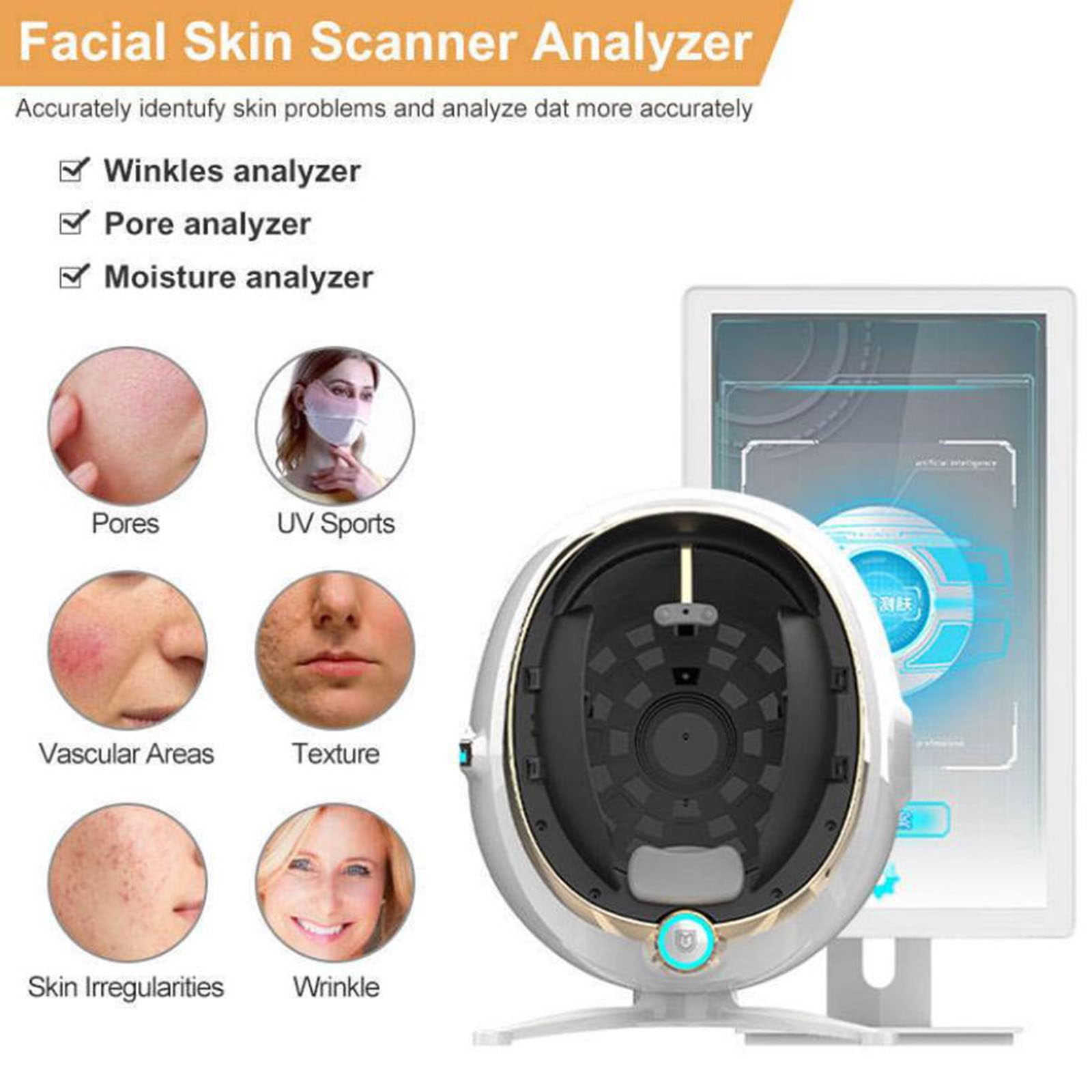
Another key measurement involves skin texture, which includes pore visibility, roughness, and fine surface irregularities.
Devices analyze texture using:
high-resolution imaging
micro-camera scanning
AI pattern recognition
These tools create detailed maps of the skin surface, identifying subtle variations in smoothness and pore size.
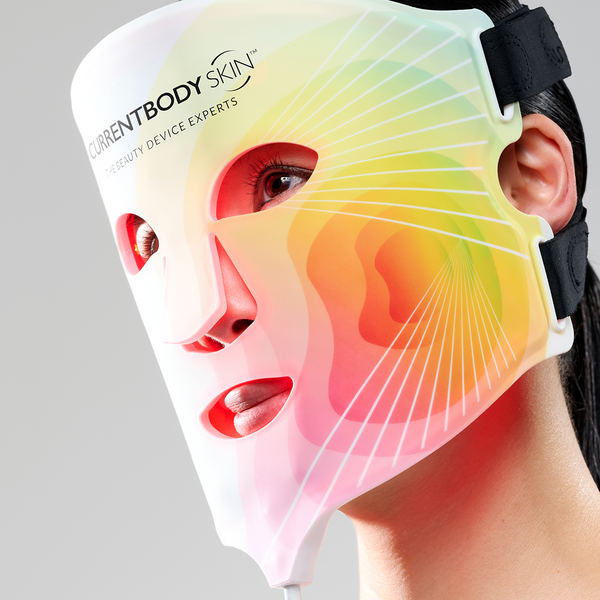
Texture analysis can help track progress when using:
retinoids
resurfacing treatments
exfoliating acids
resurfacing masks
For example, a user might not immediately notice smoother skin visually—but a device may detect measurable improvements over several weeks.
This type of data can help determine whether a product is actually improving skin quality or simply creating temporary effects.
Why These Metrics Matter 🧬
Hydration, barrier health, and texture are closely connected. When one shifts, the others often follow.
For example:
Low hydration can make texture appear rougher
Barrier damage increases sensitivity and breakouts
Rough texture often signals imbalance in exfoliation or oil production
Together, these measurements create a more complete understanding of skin behavior.
Instead of relying solely on subjective observations—like whether skin “looks better”—users can evaluate skincare decisions with measurable feedback.
Over time, patterns emerge. You might notice that your skin barrier weakens during seasonal transitions, or that hydration drops significantly after introducing a new active ingredient.
That kind of insight transforms skincare from guesswork into personalized strategy.
How to Use Smart Beauty Devices Correctly 💡
While these devices can provide valuable insights, their accuracy depends heavily on consistent usage and proper technique.
1. Measure at the Same Time Each Day
Skin metrics fluctuate naturally throughout the day due to:
humidity
temperature
sebum production
skincare products
To get meaningful comparisons, measurements should be taken under similar conditions each time.
Morning measurements—before applying skincare—often provide the most reliable baseline.
2. Use Clean, Product-Free Skin
Serums, oils, and moisturizers can interfere with sensors. For accurate readings:
cleanse skin
wait several minutes
measure before applying products
This ensures the device is reading the actual skin condition, not the hydration level of a moisturizer.
3. Track Trends, Not Single Readings
One measurement rarely tells the whole story.
Skin naturally fluctuates day to day, so it’s more useful to watch patterns over time.
For example:
hydration trending downward for several days
barrier scores dropping after introducing a new exfoliant
texture gradually improving after a retinoid routine
These trends provide more meaningful insights than a single snapshot.
4. Avoid Over-Adjusting Your Routine
A common mistake is changing products too quickly based on one reading.
Skincare typically requires 4–8 weeks to produce visible improvements. Smart devices should guide adjustments—but not cause constant routine changes.
Instead, treat the data as a long-term monitoring tool, similar to how fitness trackers guide overall health trends.
Who Benefits Most from Smart Skin Devices 🌍
While these tools can be interesting for anyone, certain users gain the most value.
Skincare Enthusiasts
People who enjoy optimizing routines often appreciate the data-driven approach. Devices make it easier to compare products objectively.
Sensitive Skin Types
Those prone to irritation can detect early barrier damage and prevent flare-ups before they escalate.
Retinoid Users
Retinoids dramatically improve skin—but they can also disrupt barrier balance. Monitoring barrier health helps prevent overuse.
Professional Skincare Clinics
Many dermatology offices and facial studios are integrating consumer-friendly analysis tools to help clients track progress between visits.
Limitations of Smart Beauty Devices
Despite their benefits, these devices are not perfect.
Several limitations should be considered.
Consumer Devices Are Not Medical Tools
While advanced, most consumer-grade devices cannot match the accuracy of clinical dermatology equipment.
They provide estimates rather than diagnoses.
Environmental Factors Can Influence Results
Humidity, sweat, and temperature can alter readings.
This is why consistent measurement conditions are essential.
Skin Is Complex
Even the most advanced sensors cannot fully capture everything affecting skin health.
Diet, stress, hormones, and sleep still play major roles.
Smart devices should therefore complement—not replace—good skincare fundamentals.
The Future of Smart Beauty Technology ✨
The next wave of beauty devices is expected to go even further.
Emerging innovations include:
AI skin prediction models
microbiome monitoring
personalized product recommendations
real-time skincare adjustments
Some devices may soon recommend specific ingredients or routines based on daily skin metrics.
Others may integrate with wearable health data—connecting stress, sleep, and skin changes.
In this vision of beauty technology, skincare becomes an evolving system that responds dynamically to the body’s needs.
Building a Smarter Skincare Routine
Smart beauty devices don’t replace skincare knowledge—but they can dramatically improve how routines are built.
Instead of chasing trends or reacting to every breakout, users gain a clearer understanding of what their skin truly needs.
A balanced routine supported by real data often becomes simpler rather than more complicated:
consistent cleansing
barrier-supportive hydration
targeted active ingredients
gentle exfoliation
When these fundamentals are guided by measurable insights, skincare becomes less about experimentation and more about precision care.
And as beauty technology continues to evolve, the line between skincare and science will only grow thinner.
The future of beauty may not just be about what products we apply—but about how intelligently we understand our skin. 🔬💎
If you'd like, I can also generate:
• SEO images for this article (Pinterest + blog thumbnails)
• Internal linking structure for your beauty blog
• A 3-category taxonomy for this topic (like your other posts).
