Why Women With Pets Often Report Lower Stress Levels

4
Why Women With Pets Often Report Lower Stress Levels
Introduction: The Quiet Power of Pet Companionship
Across cultures and lifestyles, a common story appears again and again: women who live with pets often describe feeling calmer, more emotionally balanced, and less overwhelmed by daily stress. What might seem like a simple companionship between a person and an animal actually taps into deep psychological and physiological responses.
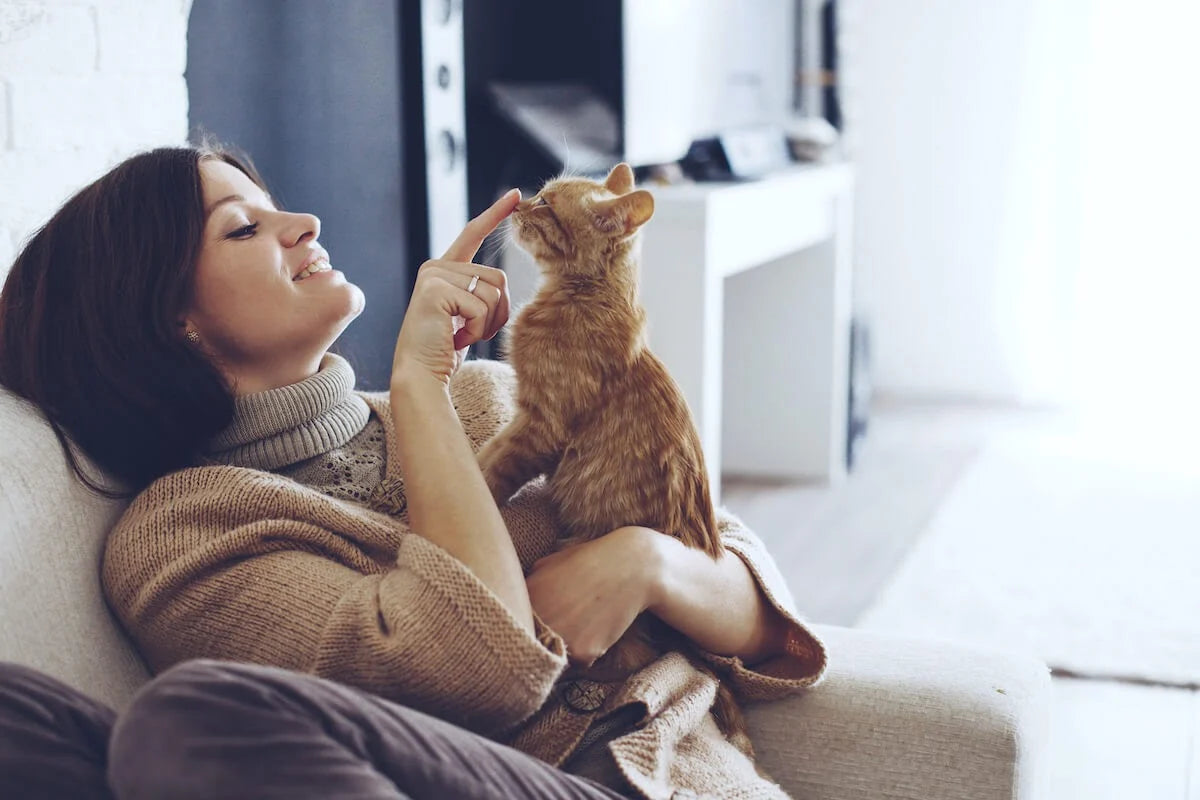
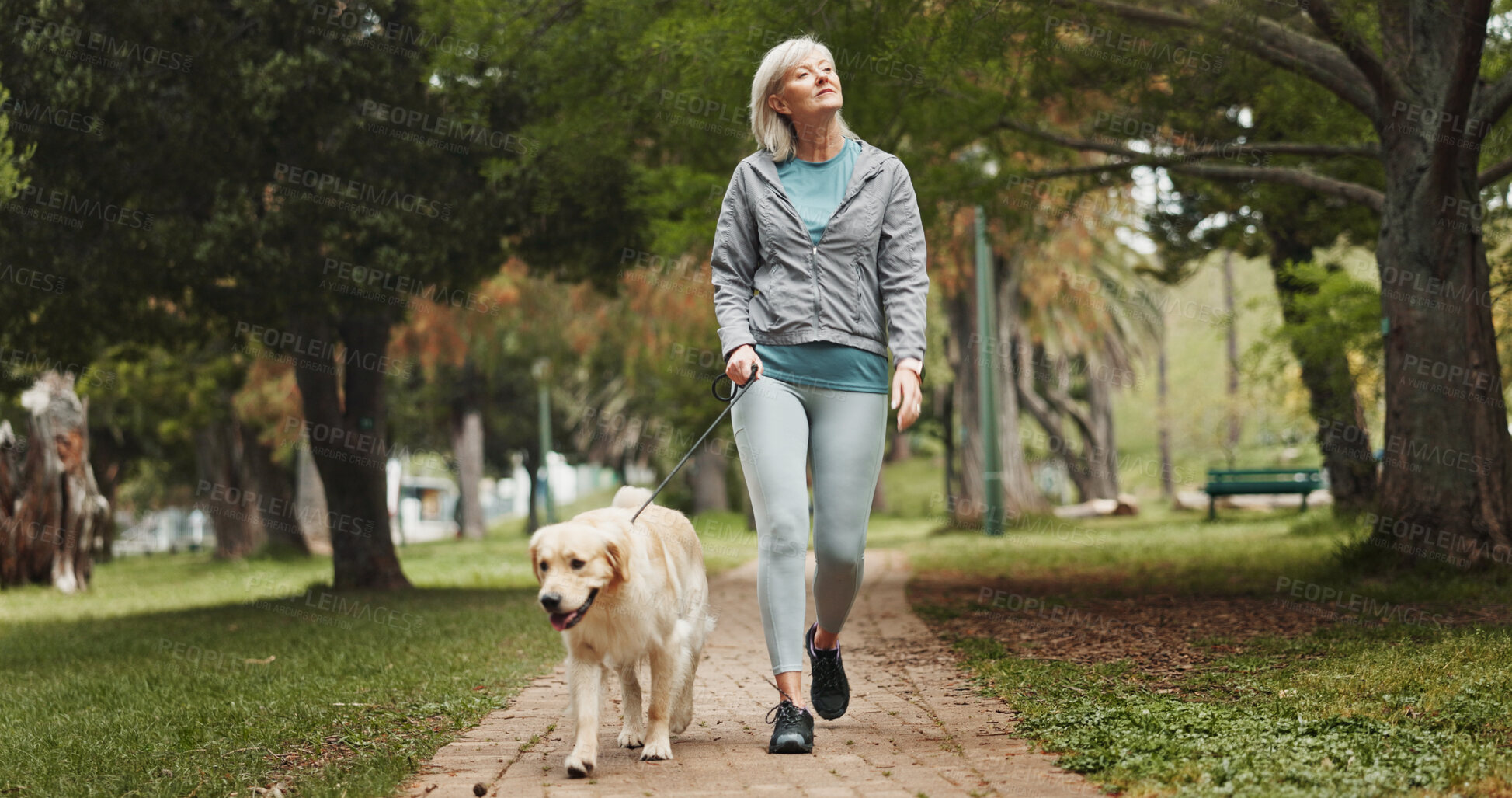
Whether it's the rhythmic comfort of a cat purring on the couch or the energizing routine of morning walks with a dog, pets subtly reshape how women experience everyday life. These relationships are not just emotionally meaningful—they are scientifically linked to measurable reductions in stress.
In recent years, psychologists, neuroscientists, and wellness researchers have explored the unique bond between humans and animals. Their findings reveal something fascinating: pets influence hormones, routines, social behavior, and emotional resilience.
For many women balancing careers, relationships, family responsibilities, and personal goals, pets provide something rare in modern life—unconditional presence.
The Science Behind Pets and Stress Reduction
One of the most powerful reasons women with pets report lower stress levels lies in biology.
When humans interact with animals—especially through gentle touch like petting or cuddling—the body releases oxytocin, sometimes called the "bonding hormone." This hormone is also released during moments of trust and emotional connection between people.
Oxytocin has several effects that directly counter stress:
It lowers cortisol (the stress hormone)
It slows heart rate
It promotes feelings of calm and safety
It strengthens emotional bonding
At the same time, interacting with pets can increase serotonin and dopamine, neurotransmitters associated with happiness and emotional stability.
Researchers have found that even short interactions with pets—sometimes as little as 10 minutes—can significantly reduce cortisol levels.
For women navigating demanding schedules, this kind of daily emotional reset can be incredibly powerful.
Pets essentially act as small but consistent sources of emotional regulation.
Emotional Support Without Judgment
Another key factor is the nature of the human–animal relationship itself.
Unlike human relationships, pets do not judge appearance, career success, social status, or emotional vulnerability. For many women, this creates a rare psychological space where they can fully relax.
Pets offer:
Consistent affection
Nonverbal emotional understanding
Immediate comfort during difficult moments
Reliable companionship
This absence of social pressure is particularly important. In a world where many women feel constant expectations—professional, social, or personal—pets provide connection without evaluation.
A pet doesn't care about deadlines, social media presence, or productivity.
They simply respond to presence.
That emotional simplicity can be deeply grounding.
The Power of Daily Routine
One subtle but important way pets reduce stress is by shaping daily routines.
Dogs, in particular, require structured care—feeding schedules, walks, and playtime. These small responsibilities create rhythm in daily life.
Routine can significantly reduce anxiety because it:
Provides predictability
Encourages physical activity
Breaks up long work periods
Creates natural transitions in the day
For women who work from home or spend long hours in front of screens, a dog demanding a walk can become an unexpected mental reset.
Instead of remaining mentally stuck in work stress, the body moves, the mind shifts environments, and fresh air interrupts the cycle of tension.
Cats contribute differently but still effectively. Their quiet presence often encourages slower evening routines, moments of stillness, and physical relaxation.
These everyday patterns accumulate into a more balanced emotional state.
Pets Encourage Physical Activity
Stress and physical inactivity often reinforce each other.
When people feel overwhelmed, they are less likely to exercise. Yet physical activity is one of the most effective ways to regulate mood and stress hormones.
Pets—especially dogs—naturally encourage movement.
Dog owners typically walk between 20–30 minutes more per day than non-pet owners. This movement can improve:
Cardiovascular health
Mood stability
Energy levels
Sleep quality
For many women, this activity doesn’t feel like a workout or obligation. It feels like a shared experience with a companion.
Walking a dog becomes:
A moment to decompress
A chance to clear the mind
A break from digital overload
These small daily walks often become one of the most consistent forms of wellness in a pet owner's routine.



4
Pets Create Emotional Anchors During Difficult Times
Life inevitably includes stressful periods—career uncertainty, relationship challenges, health concerns, or family pressures.
During these times, pets can act as emotional anchors.
Many women report that their pets:
Sense emotional shifts
Stay physically close during distress
Offer comfort through physical contact
Provide motivation to keep going through hard days
There is also something psychologically stabilizing about caring for another living being.
Even during emotional lows, feeding a pet, walking a dog, or cleaning a litter box maintains a sense of purpose.
These responsibilities create small moments of structure when life feels chaotic.
Pets Help Reduce Loneliness
Modern life can sometimes be socially fragmented.
Even women surrounded by colleagues, friends, or online connections can still experience loneliness. Pets provide companionship that fills emotional space in ways that feel authentic.
Studies show that many pet owners describe their animals as family members rather than possessions.
Pets often participate in daily life activities:
Sitting nearby during work
Relaxing on the couch during evenings
Sleeping nearby at night
Greeting their owners when they return home
These small interactions create a constant sense of presence.
For women living alone, pets can transform a house into a living environment filled with interaction and emotional warmth.
Pets Encourage Mindfulness
Another surprising benefit of pet ownership is its connection to mindfulness.
Animals naturally exist in the present moment. They respond to immediate environments rather than worrying about the future or dwelling on the past.
Spending time with pets encourages humans to adopt this mindset.
Watching a dog explore a park or a cat slowly observe the outside world reminds people to slow down.
Pet owners often find themselves:
Sitting quietly while petting their animal
Watching playful behaviors
Enjoying small daily rituals
These moments of quiet presence can reduce mental overthinking.
In a culture dominated by constant digital stimulation, pets often become gentle reminders to disconnect and simply experience the moment.
Social Benefits of Pet Ownership
Interestingly, pets also increase social interaction.
Dog walking, veterinary visits, grooming appointments, and pet-friendly parks create opportunities for casual social connections.
Many women report meeting neighbors, forming friendships, or starting conversations with strangers because of their pets.
These social moments may seem small, but they can significantly improve mental wellbeing.
Human connection—even brief interactions—helps regulate stress and reduce feelings of isolation.
Pets often act as natural conversation starters, lowering the barriers that typically exist between strangers.
The Emotional Feedback Loop
One reason pets are so effective at reducing stress is the feedback loop they create.
When women care for pets, several positive cycles begin to form:
Care → Emotional Bond → Positive Mood → More Engagement → Stronger Bond
For example:
A woman takes her dog for a walk.
Physical movement improves mood.
The dog shows excitement and affection.
The owner feels appreciated and emotionally connected.
The cycle repeats the next day.
Over time, these repeated positive interactions shape emotional resilience.
Stressful moments still happen—but they are balanced by consistent daily comfort.
Pets and Long-Term Mental Health
The long-term mental health effects of pet ownership are increasingly recognized by psychologists.
While pets are not substitutes for therapy or medical treatment, they can complement emotional wellbeing in meaningful ways.
Pet owners often report:
Greater emotional stability
Reduced anxiety
Improved coping during stressful events
Stronger sense of routine and purpose
For women in particular, pets can provide emotional balance during major life transitions—moving cities, career shifts, parenting challenges, or living alone.
The companionship remains steady even when life circumstances change.
Creating a Healthy Pet Relationship
While pets offer enormous emotional benefits, maintaining a healthy relationship requires balance.
Experts recommend:
Choosing a pet that matches your lifestyle
Establishing consistent routines
Prioritizing proper veterinary care
Ensuring time for bonding and play
The goal is not simply owning a pet but building a relationship that supports both the animal and the owner.
When this balance is achieved, the emotional rewards are remarkable.
Conclusion: Small Companions, Powerful Impact
The bond between women and their pets is more than a lifestyle trend—it reflects a deep psychological connection between humans and animals.
Through biological responses, emotional companionship, physical activity, and daily routine, pets provide powerful stress relief in subtle yet meaningful ways.
They remind people to slow down, stay present, and appreciate simple moments of connection.
For many women, the calm presence of a pet at the end of a long day becomes one of the most reliable forms of comfort available.
Sometimes the most effective antidote to stress isn’t found in productivity hacks or complex wellness routines.
Sometimes it’s simply the quiet presence of a loyal companion waiting at home.
