Protective Styling + Scalp Health: How to Do Both Without Tradeoffs
Protective Styling + Scalp Health: How to Do Both Without Tradeoffs
Protective styling has long been a cornerstone of healthy hair routines—especially for textured, curly, and coily hair types. Braids, twists, cornrows, wigs, and buns promise one major benefit: reduced manipulation, which helps hair grow longer and stronger over time.
Yet in recent years, hair professionals and trichologists have noticed an important paradox. While protective styles are designed to protect, many people experience itchy scalps, thinning edges, dryness, and buildup while wearing them.
The problem is not the styles themselves.
The problem is how the scalp is treated while the style is installed.
Modern haircare in 2026 has shifted toward a scalp-first philosophy—a movement inspired by skincare science. The new goal is not simply to hide hair away for weeks at a time, but to maintain a thriving scalp environment while the hair rests.
When done correctly, protective styling can support both hair retention and scalp health simultaneously. There is no tradeoff necessary.
This guide explains how.
The True Purpose of Protective Styling


4
Protective styling originally developed as a way to shield fragile hair strands from daily stress.
Natural hair—particularly tightly coiled textures—can be vulnerable to breakage due to:
Frequent manipulation
Environmental stress (sun, wind, pollution)
Heat styling
Friction from clothing or pillows
Protective styles reduce these stressors by keeping the ends tucked away and limiting daily styling.
However, a style only qualifies as truly protective when three conditions are met:
1. Low tension
The style must not pull on follicles.
2. Scalp accessibility
You must still be able to cleanse and treat the scalp.
3. Reasonable wear time
Styles should not stay installed so long that buildup accumulates.
When any of these factors are ignored, protective styles can unintentionally become damaging styles.
Why Scalp Health Is the Real Foundation of Hair Growth


4
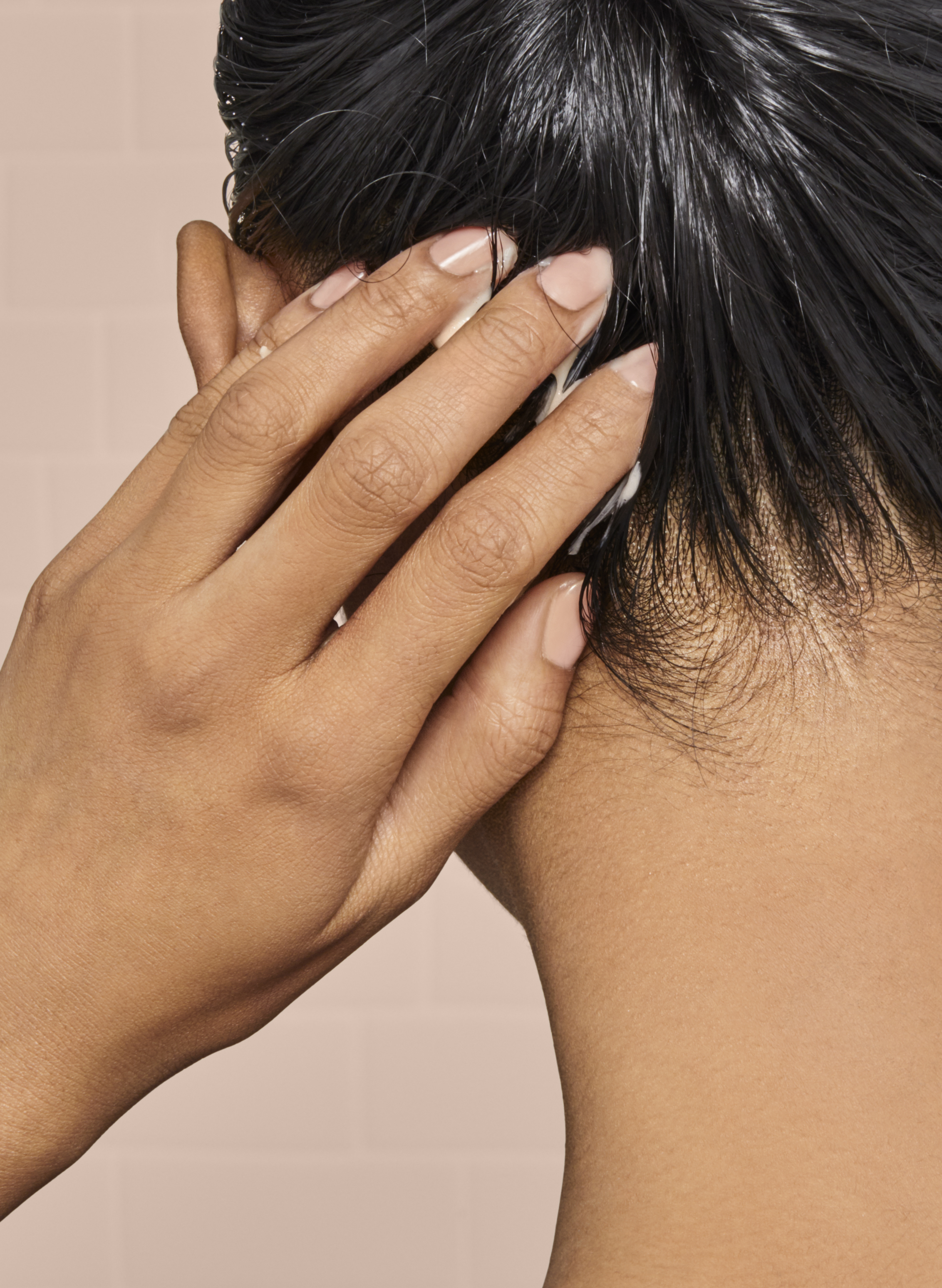
Hair growth does not begin in the strands—it begins beneath the scalp.
Each strand grows from a follicle embedded in the skin. When the scalp environment becomes compromised by inflammation, oil imbalance, or buildup, follicles struggle to function properly.
Healthy scalp conditions include:
✨ Balanced oil production
✨ Good circulation
✨ Low inflammation
✨ Minimal product buildup
✨ A stable microbiome (beneficial scalp bacteria)
Protective styles often fail when people assume the scalp can simply be ignored for weeks. In reality, the scalp continues producing sebum, sweat, and skin cells daily.
Without care, this leads to:
Itchiness
Dandruff or flakes
Odor
Follicle blockage
Hair thinning over time
Protective styling works best when the scalp receives consistent care throughout the style's lifespan.
The Most Common Protective Styling Mistakes
Many protective styling problems come from habits that were once considered normal.
Overly Tight Installation
One of the biggest issues is tension during styling.
If your scalp feels sore, shiny, or inflamed immediately after braiding, the style is too tight. Persistent tension can lead to traction alopecia, a form of hair loss that affects edges and temples.
A healthy installation should feel secure but comfortable.
Skipping Scalp Cleansing
Another common myth is that washing braids or twists will ruin them.
In reality, leaving sweat and oil on the scalp for weeks is far worse.
Gentle cleansing helps prevent itchiness and microbial imbalance.
Heavy Oil Overload
Many people attempt to moisturize braids with thick oils daily.
Unfortunately, oils do not hydrate the scalp—they mainly seal existing moisture. Excess oil can mix with sweat and product residue to create heavy buildup.
Wearing Styles Too Long
Protective styles should not become permanent hairstyles.
Most professionals recommend:
Braids or twists: 4–6 weeks
Cornrows: 2–3 weeks
Wigs with braids underneath: 3–4 weeks before refreshing the base
After this period, buildup and tension begin increasing risks.
The Scalp-First Protective Styling Routine
4
The modern protective styling routine treats the scalp like skincare.
Instead of ignoring the scalp until the style is removed, the goal is to maintain a clean, balanced environment every week.
Step 1: Start With a Clean Foundation
Before installing any protective style, the scalp must be fully cleansed.
This includes:
Clarifying shampoo
Gentle exfoliation if buildup exists
Deep conditioning the hair strands
Installing braids on a dirty scalp traps buildup beneath the style.
Step 2: Keep the Scalp Hydrated
Hydration—not oil—is the key to scalp comfort.
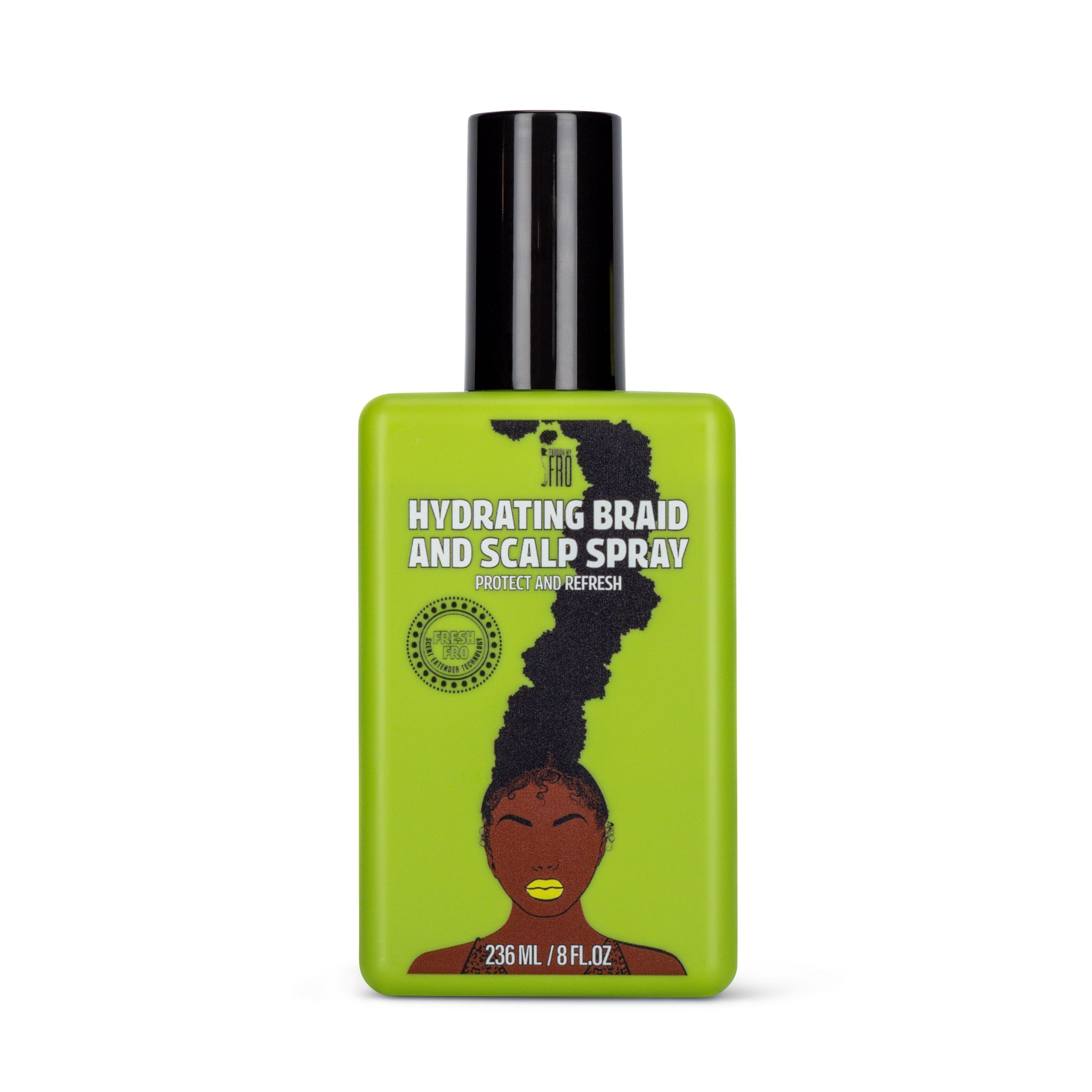
Lightweight hydrating sprays or scalp tonics help maintain balance without suffocating follicles.
Look for ingredients like:
🌿 Aloe vera
🌿 Panthenol (vitamin B5)
🌿 Niacinamide
🌿 Green tea extract
These ingredients support hydration and calm inflammation.
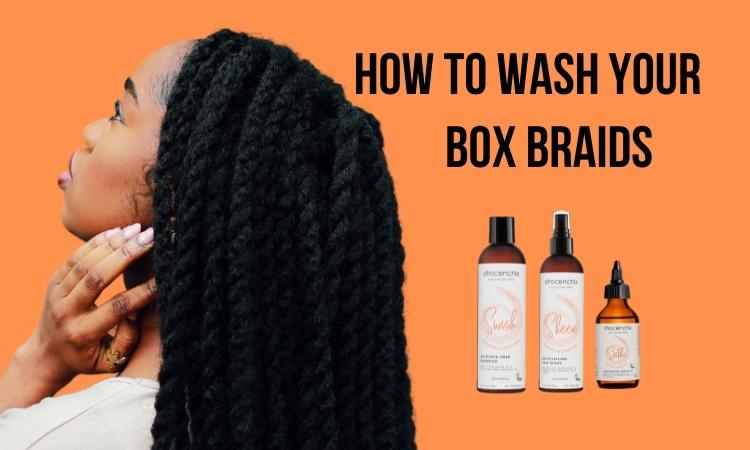
Step 3: Cleanse Regularly
You do not need to fully remove the style to wash your scalp.
Many people use a diluted shampoo bottle or scalp applicator.
Focus on:
Part lines
Areas prone to sweat
The hairline
Gentle cleansing every 7–10 days prevents buildup.
Step 4: Soothe Irritation Early
If itchiness appears, address it immediately.
Helpful scalp ingredients include:
🧬 Tea tree oil (antimicrobial)
🧬 Witch hazel (balancing)
🧬 Salicylic acid (buildup removal)
These ingredients help reset the scalp environment without disturbing the style.
Protective Styles That Are Gentler on the Scalp
Not all protective styles place equal stress on follicles.
The most scalp-friendly options usually involve lower tension and larger sections.
Large Knotless Braids
Knotless braids start gradually rather than anchoring tightly at the root. This reduces stress on follicles and edges.
Two-Strand Twists
Twists are often lighter than braids and require less tension to stay secure.
Loose Cornrows
Cornrows that are installed without pulling too tightly allow easier scalp access for cleansing.
Protective Updos
Low buns or tucked styles offer protection without constant tension.
The key principle is comfort first. If the style hurts, the scalp is already under stress.
How to Protect Your Edges While Wearing Protective Styles


4
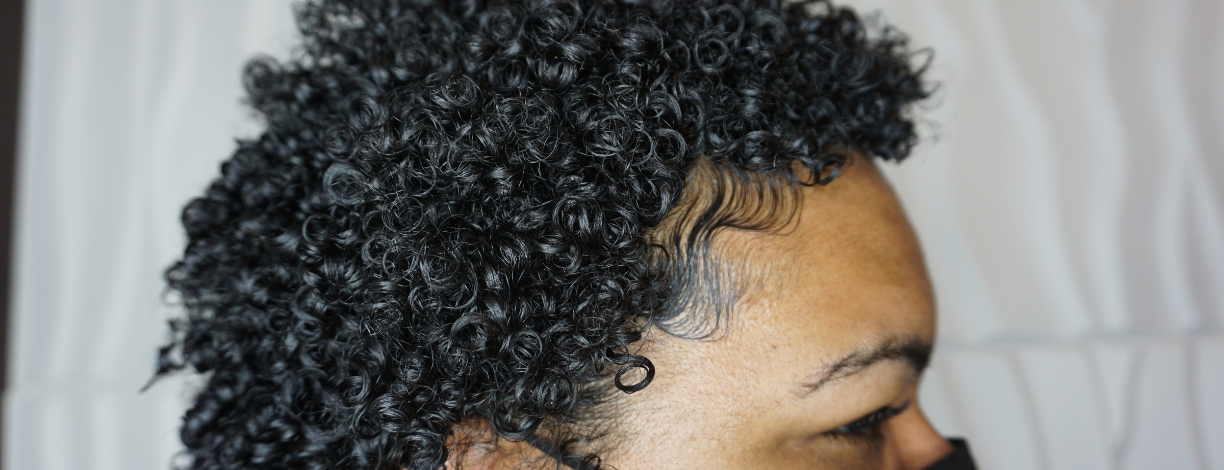
Edges are the most delicate area of the scalp.
Because the hairline contains finer strands and fewer follicles, it is particularly vulnerable to tension.
To protect your edges:
Avoid tiny braids along the hairline.
Leave edges loose whenever possible.
Apply lightweight moisturizing treatments regularly.
Sleep with a silk or satin scarf to reduce friction.
Edge recovery often takes months, so prevention is essential.
The Role of the Scalp Microbiome
A new concept influencing haircare in 2026 is the scalp microbiome.
Like the skin on the face, the scalp hosts a complex ecosystem of bacteria and fungi that help regulate oil and inflammation.
When this ecosystem becomes unbalanced, it can lead to:
Dandruff
Persistent itchiness
Excess oil production
Flaking
Protective styles can sometimes disrupt this balance if sweat and oils accumulate without cleansing.
Maintaining a balanced microbiome requires:
💡 Gentle cleansing
💡 Lightweight scalp treatments
💡 Avoiding heavy product buildup
When the microbiome remains stable, the scalp becomes less reactive and more resilient.
How Often Should You Take a Break Between Styles?
Continuous protective styling without rest can stress the scalp.
Experts recommend allowing at least one to two weeks between major styles.
During this period:
Wash and clarify the scalp
Perform deep conditioning treatments
Massage the scalp to stimulate circulation
This reset period helps follicles recover before the next protective style is installed.
Signs Your Protective Style Is Damaging Your Hair
Protective styles should feel supportive—not stressful.
Warning signs include:
Persistent scalp soreness
Tiny bumps along the hairline
Excessive itching
Hair shedding around edges
Shiny or inflamed scalp
If any of these appear, removing the style early may prevent long-term damage.
Listening to your scalp is one of the most powerful haircare habits you can develop.
The Future of Protective Styling
Protective styling is evolving alongside modern hair science.
Instead of simply hiding hair away for weeks, the next generation of haircare emphasizes scalp health, follicle longevity, and gentle styling techniques.
The best routines now combine:
✨ Smart style choices
✨ Regular scalp cleansing
✨ Lightweight hydration
✨ Balanced microbiome care
This approach allows protective styles to fulfill their original promise: supporting healthy hair growth while minimizing stress on the strands.
When the scalp is nurtured and the style is installed thoughtfully, protective styling becomes exactly what it was meant to be—
A powerful strategy for longer, stronger, healthier hair over time.
