Why Pet-Friendly Homes Are Trending Everywhere
Introduction: The Rise of the Pet-Centered Home
Across cities, suburbs, and even luxury apartments, a quiet design revolution is taking place. Homes are no longer built only for humans. Increasingly, they are being thoughtfully designed for the animals that share our lives.
From built-in dog showers to cat climbing walls and pet-friendly furniture fabrics, homeowners are embracing a new philosophy: if pets are family, their comfort should be part of home design.
This shift is more than a passing aesthetic trend. It reflects deeper cultural changes in how people view animals, wellness, and domestic life. As more individuals adopt pets for companionship and emotional support, homes are evolving to support this shared lifestyle. 🌿
Today, the pet-friendly home represents comfort, emotional well-being, and thoughtful design — a combination that resonates strongly with modern homeowners.
The Cultural Shift: Pets Are Family Now
For decades, pets were often viewed as companions that lived alongside their owners. Today, that mindset has changed dramatically.
More people refer to themselves as “pet parents.” Dogs and cats celebrate birthdays, have wellness routines, and even enjoy luxury accessories. In many households, pets influence daily schedules, travel plans, and home organization.
Several factors have contributed to this shift:
The rise of remote work
Increased focus on mental wellness
Delayed parenthood in many regions
Growing awareness of animal emotional intelligence
As a result, pets now play a central role in everyday life.
Homes naturally reflect this change. Rather than trying to keep animals out of certain spaces, homeowners are designing environments where pets can live comfortably and safely.
This is why pet-friendly design is becoming one of the most significant lifestyle trends of the decade. ✨
Why Modern Homeowners Prioritize Pet-Friendly Design
Pet-friendly homes aren't simply about convenience. They represent a thoughtful balance between aesthetics, functionality, and well-being.
1. Improved Quality of Life for Pets
Animals thrive in environments that support their natural behaviors.
Dogs benefit from open walking areas, easy access to outdoor spaces, and comfortable resting spots. Cats enjoy elevated platforms, quiet corners, and places to climb.
Modern homes increasingly incorporate:
Window perches for cats
Dedicated pet sleeping zones
Indoor play spaces
Safe balcony designs
These features reduce boredom and stress for animals while allowing them to feel integrated into the household.
A happier pet often leads to a calmer and more harmonious home environment. 🐾
2. Health and Hygiene Considerations
One of the biggest misconceptions about pet-friendly homes is that they are harder to maintain.
In reality, thoughtful design makes homes cleaner and easier to manage.
Many modern interiors now incorporate:
Washable fabrics
Scratch-resistant flooring
Pet washing stations
Air filtration systems
Hardwood alternatives such as luxury vinyl and sealed tile floors are particularly popular because they resist scratches and are easy to clean.
Some homes even feature dedicated dog showers near entryways, allowing owners to clean muddy paws immediately after walks.
These small design upgrades dramatically reduce household mess.
Pet-Friendly Architecture Is Becoming a Luxury Feature

4
Luxury real estate developers have quickly noticed the demand for pet-friendly homes.
In many upscale properties, pet-focused features are now part of the architectural plan.
Examples include:
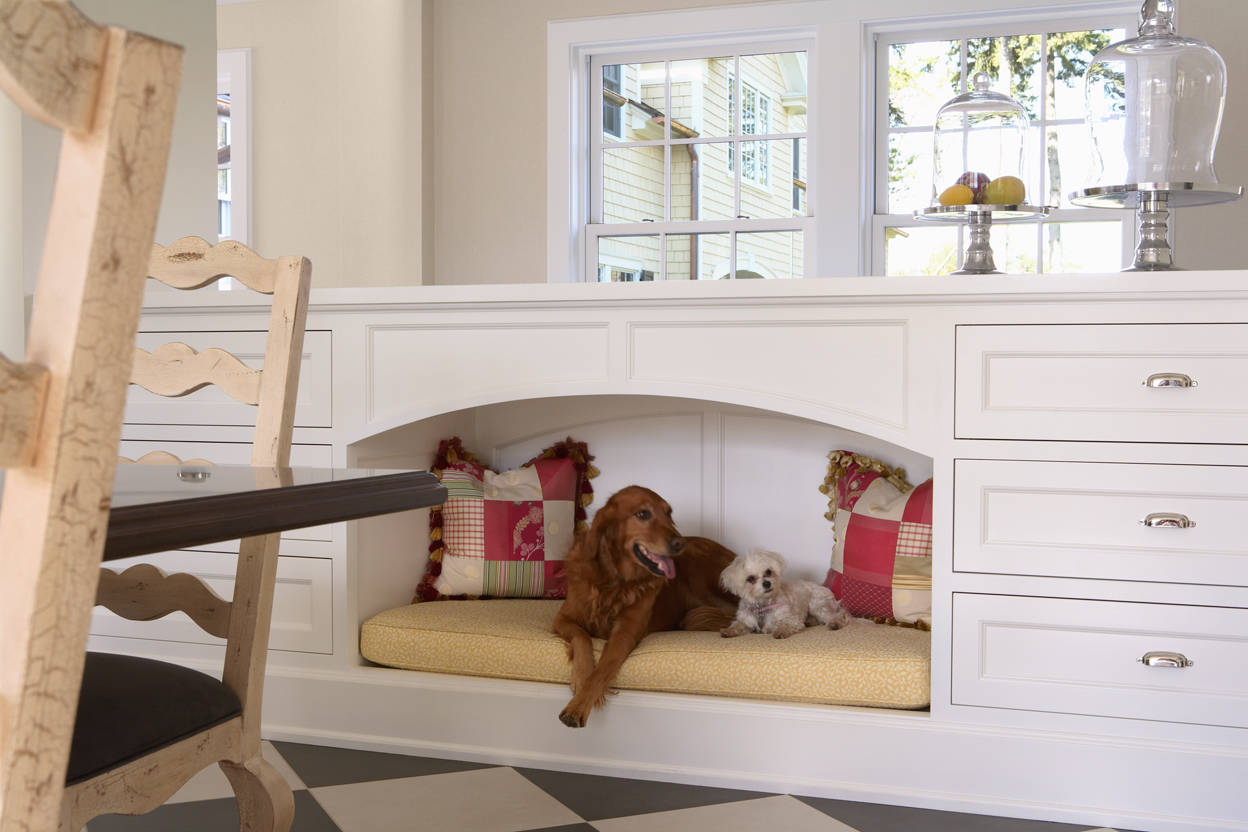
Built-in pet beds integrated into furniture
Custom feeding stations in kitchens
Dog washing rooms
Hidden litter box cabinets
Some modern apartments even include private dog parks, pet spas, and grooming lounges for residents.
These amenities were rare just a decade ago. Today, they are powerful selling points for buyers and renters.
For many homeowners, pet-friendly design represents a lifestyle upgrade rather than a compromise. 💎
The Influence of Social Media and Lifestyle Culture
Social media has played a major role in the popularity of pet-friendly homes.
Platforms like Instagram, Pinterest, and TikTok are filled with beautifully designed spaces where pets appear seamlessly integrated into stylish interiors.
These posts often showcase:
Designer dog beds
Cozy pet corners
Minimalist feeding stations
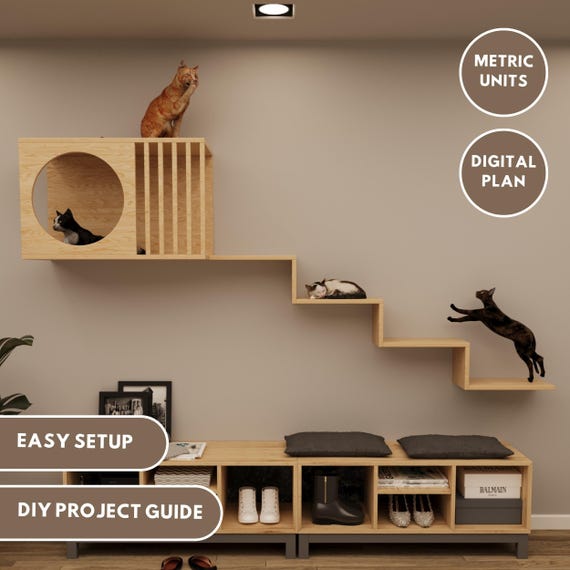
Cat shelves that double as wall art
The aesthetic appeal of these spaces has inspired homeowners to rethink how pets fit into interior design.
Rather than hiding pet accessories, many people now embrace them as part of the home’s visual style.
This shift reflects a broader lifestyle movement where comfort, authenticity, and emotional well-being take priority over rigid design rules.
Pet-Friendly Furniture Is Evolving


4
Furniture designers have also adapted to this growing demand.
Many brands now create pieces specifically designed to accommodate pets without sacrificing elegance.
Popular innovations include:
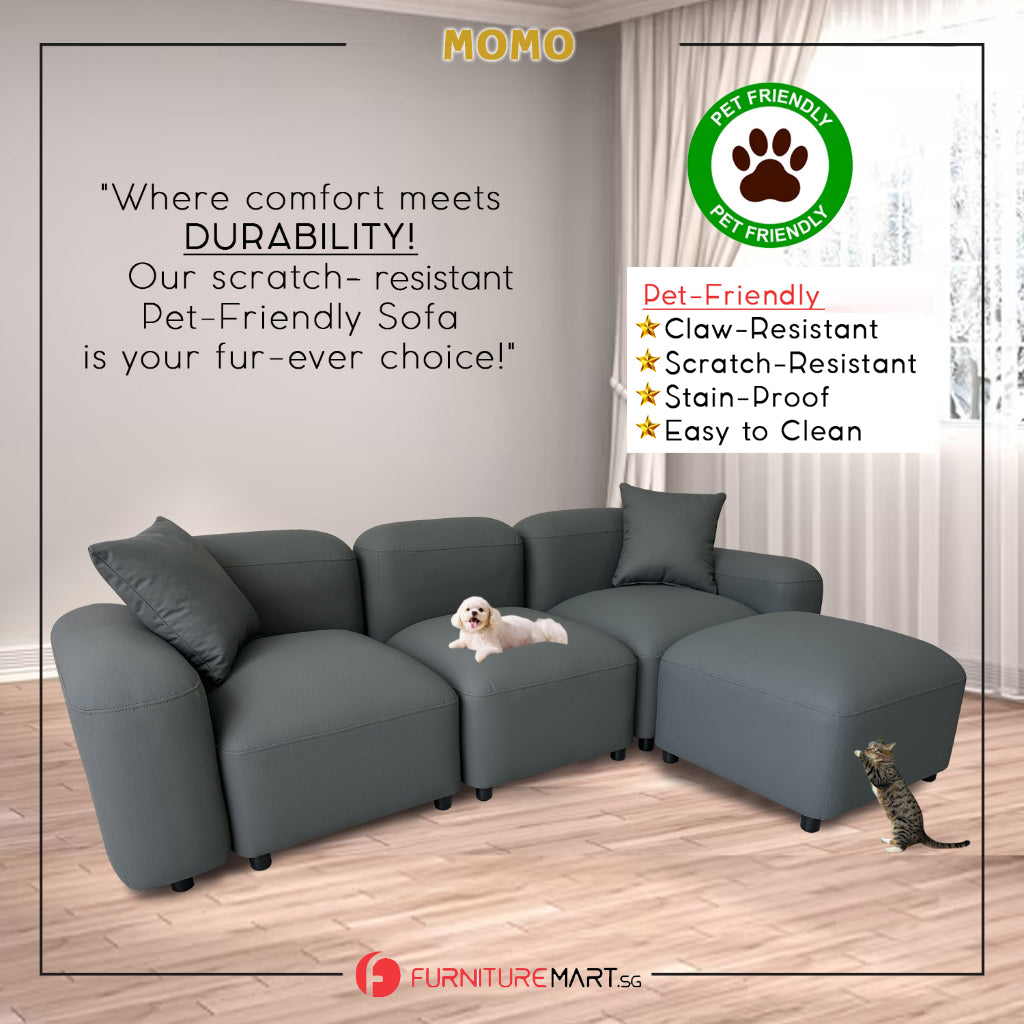
Scratch-resistant upholstery fabrics
Machine-washable cushion covers
Sofas designed to resist pet hair
Minimalist cat trees that blend into décor
Even luxury furniture companies now release designer pet furniture collections that match modern interiors.
The goal is simple: create spaces where pets can relax comfortably without disrupting the visual harmony of the home.
This approach allows homeowners to enjoy both style and practicality. ✨
Pet-Friendly Homes Support Emotional Wellness
One of the most powerful reasons behind this trend is emotional well-being.
Studies consistently show that pets help reduce stress, loneliness, and anxiety.
Creating a home environment that supports pets strengthens the bond between animals and their owners.
Simple routines like:
Morning walks
Quiet cuddle spaces
Shared relaxation areas
become meaningful parts of everyday life.
When pets feel safe and comfortable, they display calmer behavior. This improves the overall emotional atmosphere of the household.
In many ways, the pet-friendly home reflects a broader cultural movement toward wellness-focused living environments. 🌿
Remote Work Accelerated the Trend
The global shift toward remote work dramatically increased the amount of time people spend at home.
With pets nearby throughout the day, many owners became more aware of their animals’ needs.
People began noticing things like:
Lack of comfortable resting spots
Limited play areas
Poor airflow or lighting for pets
As a result, many homeowners started redesigning their spaces to better support both work and pet life.
Common adjustments included:
Creating cozy pet corners near workspaces
Installing pet gates or safe zones
Improving natural lighting
Adding outdoor access for animals
These small improvements significantly enhanced daily comfort for both pets and their owners.
Outdoor Spaces Are Becoming Pet Havens


4
Outdoor areas are also being redesigned with pets in mind.
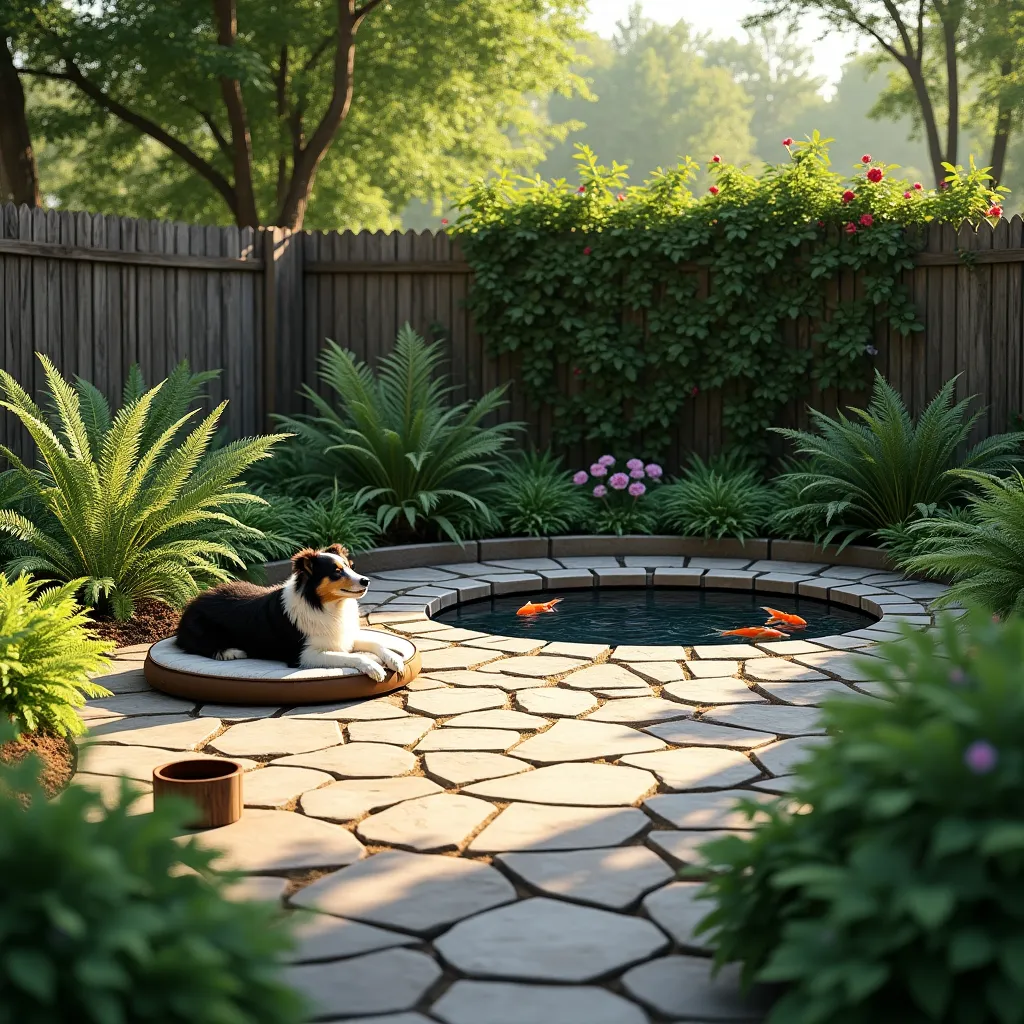
Backyards are evolving into mini playgrounds for dogs and cats.
Features often include:
Secure fencing
Dog agility areas
Shaded relaxation spots
Pet-safe plants
Balconies in apartments are also being adapted using protective netting or enclosed structures that allow cats to enjoy fresh air safely.
These outdoor upgrades improve pet health by encouraging physical activity and exposure to natural environments.
Sustainability and Pet-Friendly Living
Another reason pet-friendly homes are trending is the growing focus on sustainability.
Many homeowners now choose materials that are safe for animals and environmentally responsible.
Examples include:
Non-toxic paints
Natural fiber rugs
Organic pet bedding
Eco-friendly cleaning products
Pet owners are increasingly aware that chemical-heavy materials can negatively affect animals.
As a result, sustainable design and pet-friendly living often go hand in hand.
This trend aligns perfectly with modern values around health, environmental responsibility, and mindful living. 🌍
The Future of Pet-Friendly Home Design
The popularity of pet-centered homes shows no signs of slowing down.
In the coming years, experts predict even more innovations such as:
Smart pet doors with facial recognition
AI-powered pet monitoring cameras
Temperature-controlled pet beds
Interactive play walls for cats
Architecture firms are also beginning to consult animal behavior specialists when designing homes.
This ensures that living spaces support the natural habits and comfort of pets.
Ultimately, the future home will likely be designed with a simple philosophy:
A home should nurture every member of the household — including the ones with paws.
Final Thoughts
The rise of pet-friendly homes reflects a deeper cultural transformation. People are no longer designing spaces only for human convenience. Instead, they are creating environments that support shared living between humans and animals.
This trend blends architecture, wellness, emotional connection, and modern lifestyle values into one powerful movement.
Pet-friendly homes are not simply fashionable. They represent a more compassionate and thoughtful way of living.
As more people recognize the joy and emotional support pets bring into everyday life, homes will continue evolving to celebrate that relationship.
And perhaps that is the true beauty of this trend:
a home that feels welcoming, peaceful, and alive — for every member of the family.
