The Simple Skincare Routine That Works for Almost Everyone
The Simple Skincare Routine That Works for Almost Everyone
In the world of modern beauty, skincare has become increasingly complicated. Social media feeds are filled with multi-step routines, endless product launches, and ingredients that sound more like chemistry experiments than daily essentials. For many people, skincare has transformed from self-care into something overwhelming.
Yet dermatologists and skin experts increasingly agree on one simple truth: great skin rarely requires complicated routines.
In fact, a thoughtfully designed minimal skincare routine often produces better results than an overloaded regimen. Skin functions best when it is supported, not overwhelmed.
The good news is that a simple routine built around a few effective principles works for almost every skin type—whether your skin is oily, dry, sensitive, or somewhere in between.
This guide explores the essential skincare routine that balances science 🧬, simplicity, and consistency, helping your skin look healthier, clearer, and naturally radiant.
Why Simpler Skincare Is Becoming the New Standard
The beauty industry has experienced a noticeable shift toward minimalist skincare 🌿 in recent years. Consumers are becoming more ingredient-aware and increasingly focused on skin health rather than product quantity.
Dermatologists explain that excessive layering can sometimes disrupt the skin barrier—the protective layer responsible for keeping moisture in and irritants out.
When the barrier becomes compromised, common problems can appear:
redness
breakouts
dehydration
increased sensitivity
dull texture
Ironically, many of these issues are caused by using too many products at once.
A simplified routine allows the skin to restore balance. Instead of reacting to multiple active ingredients, the skin can focus on its natural renewal processes.
This is why experts often recommend returning to core skincare fundamentals 🔬.
The 4 Essential Steps of an Effective Skincare Routine
Although skincare products continue to evolve, most dermatologists agree that a healthy routine can be built around four foundational steps.
These steps support cleansing, hydration, protection, and long-term skin health.
Step 1: Gentle Cleansing
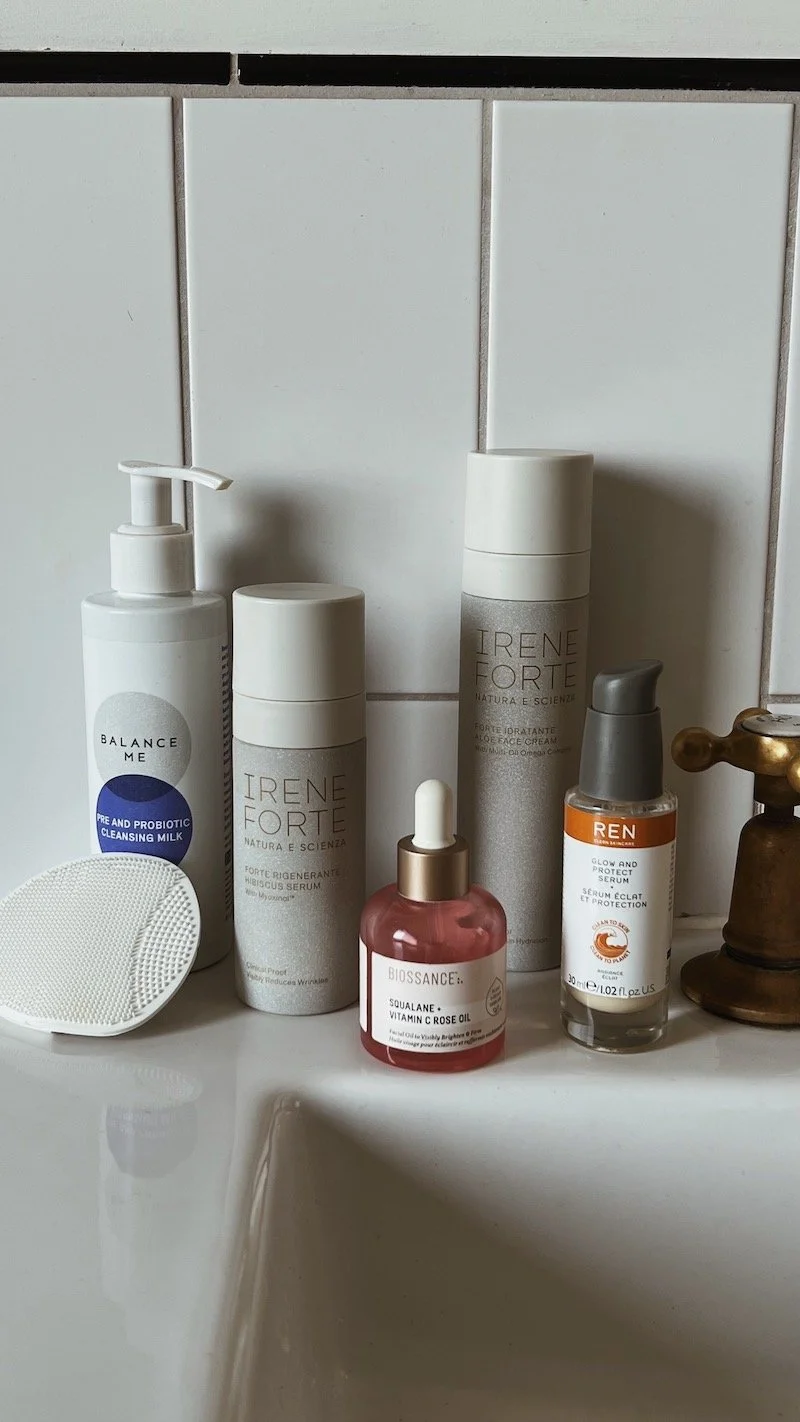


4
Cleansing is the cornerstone of any skincare routine. Throughout the day, the skin accumulates oil, sweat, pollution particles, sunscreen residue, and makeup. Without proper cleansing, pores can become clogged and the skin can appear dull.
However, the key word here is gentle.
Many people mistakenly believe that squeaky-clean skin is a sign of effective cleansing. In reality, harsh cleansers can strip the skin's protective oils, triggering increased oil production or irritation.
A well-balanced cleanser should:
remove dirt and oil effectively
preserve the skin barrier
leave the skin feeling soft, not tight
Gel cleansers often work well for oily skin types, while cream or milk cleansers can be ideal for dry or sensitive skin.
For most people, cleansing twice a day—morning and evening—is sufficient. Those with extremely dry or sensitive skin may prefer cleansing only at night and rinsing with water in the morning.
Consistency matters far more than complexity.
Step 2: Targeted Treatment (Optional but Helpful)


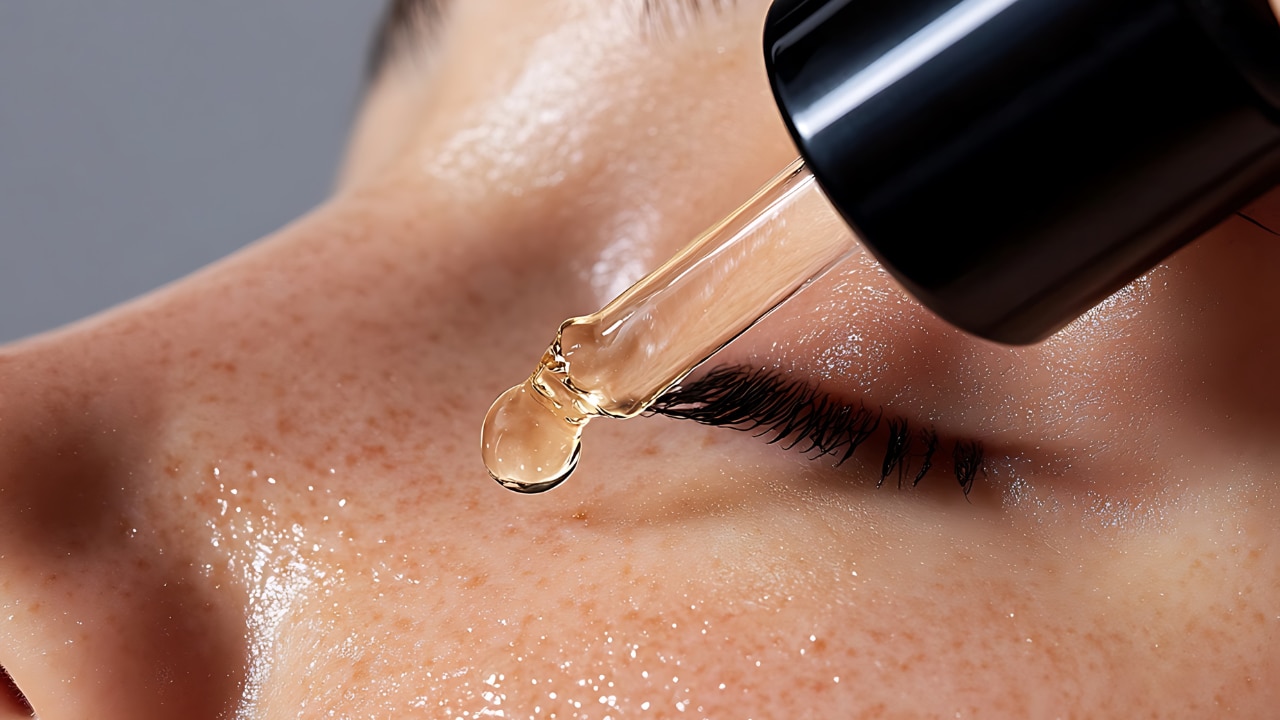
4
While a basic routine can work with just cleanser and moisturizer, many people benefit from a single targeted treatment product.
This step is where ingredients designed for specific skin concerns can make a difference.
Some commonly used treatments include:
Vitamin C serums
These antioxidant-rich formulas help brighten the skin and protect it from environmental stressors. Vitamin C can also support collagen production, improving overall skin radiance over time.
Niacinamide
This versatile ingredient helps regulate oil production, reduce redness, and strengthen the skin barrier. It is often well tolerated across many skin types.
Retinoids
Retinoids are among the most researched skincare ingredients. They promote cell turnover, help reduce fine lines, and improve overall skin texture. Because they are potent, beginners should start slowly.
The important principle here is restraint 💡.
A single well-chosen treatment is usually more effective than layering multiple active ingredients that may conflict with one another.
Step 3: Moisturizing


4
Moisturizing is essential for maintaining healthy skin function. A good moisturizer reinforces the skin barrier, locks in hydration, and helps the skin remain smooth and resilient.
Even people with oily skin benefit from moisturizing. When the skin becomes dehydrated, it can actually produce more oil in an attempt to compensate.
Modern moisturizers often contain ingredients such as:
hyaluronic acid
ceramides
glycerin
peptides
These ingredients work together to attract moisture and strengthen the skin's protective layer.
Choosing the right texture matters. Lightweight gel moisturizers are popular for oily or acne-prone skin, while richer creams can support dry or mature skin.
The goal is skin that feels comfortable and balanced, not greasy or tight.
Step 4: Daily Sun Protection


4
If there is one step dermatologists consistently emphasize above all others, it is sun protection.
Ultraviolet exposure is responsible for the majority of visible skin aging. Fine lines, pigmentation, uneven texture, and loss of elasticity are often linked to cumulative sun damage.
A broad-spectrum sunscreen protects against both UVA and UVB rays and should be used every day, even when the weather is cloudy.
Daily sunscreen provides several long-term benefits:
slows visible aging
prevents sun spots
protects collagen
reduces skin cancer risk
Many modern sunscreens now feature lightweight textures and skincare ingredients, making them far more comfortable than traditional formulas.
Using SPF consistently is one of the most effective ways to maintain healthy, youthful skin over time 💎.
Morning vs Evening: How to Structure Your Routine
Although the core steps remain the same, morning and evening routines serve slightly different purposes.
Morning Routine
Morning skincare focuses primarily on protection and hydration.
Typical steps include:
Gentle cleanser
Optional antioxidant serum
Moisturizer
Sunscreen
This routine prepares the skin for environmental stressors such as sunlight, pollution, and temperature changes.
Evening Routine
Nighttime skincare is when the skin begins its natural repair process.
An evening routine may look like:
Cleanser
Treatment product (such as retinoids or exfoliating ingredients)
Moisturizer
Because the skin regenerates more actively at night, treatment products can be particularly effective during this time.
Common Skincare Mistakes That Disrupt Healthy Skin
Even the best routine can become ineffective if certain habits undermine the skin barrier.
Here are some of the most common skincare mistakes people unknowingly make.
Over-Exfoliating
Exfoliation can improve skin texture and brightness, but excessive exfoliation can weaken the skin barrier.
Signs of over-exfoliation include:
redness
sensitivity
flaking
breakouts
Most people only need exfoliation one to three times per week, depending on skin type.
Product Overload
It is tempting to try every trending ingredient at once, but layering too many actives can create irritation and unpredictable reactions.
A simple rule: introduce one new product at a time.
This allows you to observe how your skin responds.
Inconsistent Routines
The most expensive skincare products will not deliver results if used inconsistently.
Healthy skin is built through daily habits, not occasional treatments.
Even a three-step routine performed consistently often outperforms complex routines used sporadically.
How Long Does It Take to See Results?
Patience is an essential part of skincare.
Skin renewal cycles typically take about 28 days, meaning visible improvements often appear gradually.
Most people begin noticing changes within:
2–4 weeks for hydration improvements
6–8 weeks for smoother texture
12 weeks or more for anti-aging benefits
Consistency and sun protection dramatically influence these results.
The Psychology of a Simple Routine
Beyond physical skin health, a simplified skincare routine can also improve the experience of self-care.
Instead of rushing through a complicated process, a minimalist routine allows skincare to become a calming daily ritual.
Many people find that a few mindful moments—cleansing the skin, applying moisturizer, and preparing for the day—can feel surprisingly therapeutic.
This shift toward intentional beauty reflects a broader movement in the beauty industry toward wellness-focused skincare 🌍.
Skincare is no longer just about appearance. It has become a reflection of lifestyle, balance, and long-term health.
The Future of Skincare: Less, But Better
As beauty trends continue to evolve, one philosophy is becoming increasingly clear:
Effective skincare does not need to be complicated.
Consumers are moving away from overwhelming product routines and toward thoughtfully chosen essentials supported by science and dermatological research.
A routine built around gentle cleansing, hydration, targeted treatment, and daily sun protection provides everything most skin types need to thrive.
In the end, the most powerful skincare secret is not a miracle ingredient or luxury product.
It is consistency, simplicity, and respect for the skin's natural balance ✨.
When supported with the right care, the skin has an incredible ability to renew itself—revealing the healthy glow that many complicated routines promise but rarely deliver.
