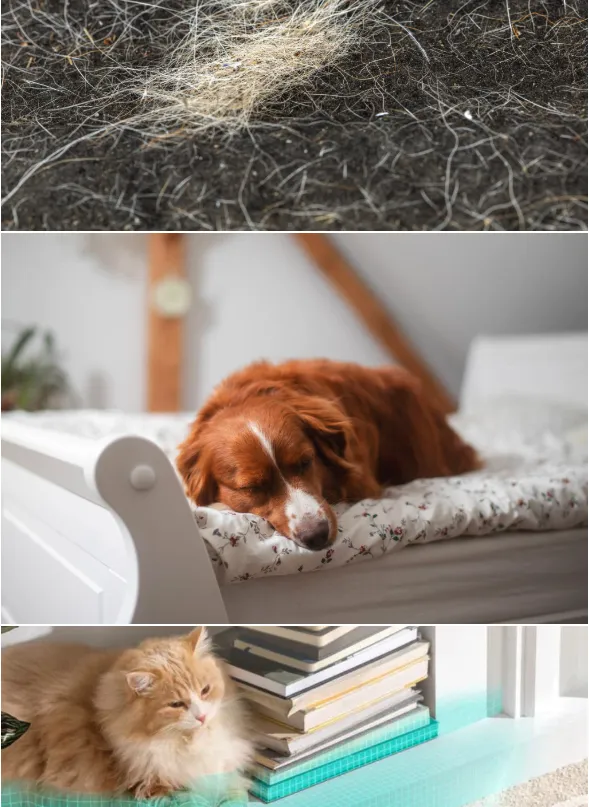
The Hidden Germs in Pet Homes That Could Be Affecting Your Beauty Routine


The Hidden Germs in Pet Homes That Could Be Affecting Your Beauty Routine
There is something undeniably comforting about sharing your home with a pet. Whether it’s a dog curling up beside you on the couch or a cat weaving between your legs during your evening skincare ritual, pets bring warmth and companionship that few things can replace. Yet beneath this cozy domestic picture lies a reality many beauty lovers overlook: pet homes contain a unique microbiological environment that can quietly influence your skin, your products, and your daily beauty routine.
The relationship between pets and skin health is not necessarily negative. In fact, exposure to diverse microbes can support immune health in some ways. But when it comes to cosmetics, brushes, towels, pillowcases, and skincare packaging, the presence of pet-related germs can introduce challenges that many people never connect to breakouts, irritation, or unexplained skin flare-ups.
Understanding how pet environments interact with beauty routines allows you to keep both your skin and your furry companions happy—without sacrificing the glow you work so hard to maintain. 💡
The Invisible Ecosystem of a Pet Home
Every home has its own microbiome. Humans contribute bacteria, fungi, and environmental particles simply by living in a space. Pets expand this ecosystem dramatically.
Dogs and cats bring microbes from outdoors, from soil, grass, sidewalks, and even other animals. Their fur traps particles like pollen, dust, environmental bacteria, and microscopic debris. Once inside your home, these particles spread through normal activity—walking, shaking fur, jumping onto furniture, or simply moving through rooms.
Research on indoor microbiomes shows that homes with pets often contain significantly higher microbial diversity than pet-free households. While diversity itself is not inherently harmful, certain microbes can interact with skin in ways that disrupt balance.
For beauty routines, this matters because skincare and makeup products are designed to sit on skin for hours. If they are exposed to contaminated surfaces or airborne particles, they can become vehicles for transferring microbes back onto your face.
The result may be subtle but noticeable: clogged pores, recurring breakouts, sensitivity, or redness that seems to appear without an obvious cause.
Pet Hair: More Than Just a Cleaning Issue


4
Pet hair is often treated as a cosmetic annoyance—something to remove with lint rollers before leaving the house. But from a skincare perspective, pet hair carries a mix of substances that can influence your skin environment.
Hair strands trap oils, dander, bacteria, and environmental particles. When these strands settle on pillowcases, towels, or makeup brushes, they can deposit microscopic debris.
Dander, in particular, plays a significant role. Dander consists of tiny flakes of skin shed by animals, and it often carries proteins that can irritate sensitive skin. For individuals prone to acne or dermatitis, these particles may contribute to inflammation or pore congestion.
Imagine applying moisturizer or foundation with a brush that has collected a few invisible strands of pet hair overnight. Each application can introduce tiny contaminants that interact with skin oils and skincare ingredients.
Over time, this small exposure can accumulate into noticeable skin reactions.
How Pets Can Contaminate Your Beauty Products
Skincare formulas today are increasingly sophisticated. They often contain active ingredients such as retinoids, peptides, antioxidants, and barrier-supporting compounds.
These ingredients are carefully balanced, but they can become compromised when exposed to microbes or environmental contaminants.
Pet-related contamination usually occurs in subtle ways:
A cat jumps onto the bathroom counter where your skincare products sit.
A dog brushes against your towel before you dry your face.
Pet hair floats through the air and lands on open jars of cream.
Even closed packaging can become contaminated externally, transferring bacteria to your hands when you use it.
The most vulnerable products include:
• Open-jar moisturizers
• Makeup sponges
• Foundation pumps touched with unwashed hands
• Powder compacts left uncovered
• Brushes stored in open containers
These tools come into direct contact with your face, making them an easy pathway for microbes to reach the skin barrier.
🔬 Once bacteria reach skincare formulas or tools, they can multiply, especially in humid bathroom environments.
Your Pillowcase: The Overlooked Hotspot
Many beauty enthusiasts already know that pillowcases affect skin health. Oils, sweat, and hair products accumulate overnight.
But in pet households, pillowcases collect something else: pet microbiota.
If your dog sleeps in your bed or your cat naps on your pillow during the day, their fur transfers microscopic particles directly to the surface where your face rests for hours.
These particles can include:
• bacteria from paws
• environmental debris from outdoors
• traces of saliva or grooming residue
• pollen and dust
For acne-prone individuals, this mixture can worsen congestion and inflammation. For sensitive skin types, it may trigger redness or irritation.
Simply changing pillowcases more frequently can significantly reduce these exposures.
Makeup Tools and Pet-Related Bacteria


4
Makeup tools act like sponges—not just for product but also for microbes.
Brush bristles and porous beauty sponges collect oils, product residue, and environmental particles. When pet hair or dander becomes trapped within these tools, bacteria can thrive.
Because these tools repeatedly touch the skin, they can spread contamination across the face.
Dermatologists often emphasize cleaning brushes weekly, but in pet homes, a slightly more frequent schedule may be beneficial.
A brush sitting on an open vanity may quietly collect airborne pet debris even if it was freshly washed a few days earlier.
Keeping tools in closed containers or drawers can significantly reduce contamination.
Pets and the Skin Barrier
🧬 The skin barrier is your body’s protective shield. It prevents water loss and keeps irritants and microbes from penetrating deeper layers of skin.
When the barrier becomes compromised, even minor environmental factors can trigger reactions.
Pet-related microbes do not necessarily cause skin problems directly. Instead, they may act as additional stressors when the barrier is already weakened by factors such as:
• over-exfoliation
• harsh cleansers
• excessive actives like retinol or acids
• dry air or seasonal transitions
When these conditions combine with environmental microbes, the skin may respond with redness, breakouts, or increased sensitivity.
Maintaining a strong barrier through gentle cleansing, hydration, and balanced actives can make your skin far more resilient to environmental exposures—including those from pets.
The Bathroom Counter Problem
Bathrooms are already humid environments, which makes them ideal for microbial growth.
When pets enter bathrooms—especially cats who enjoy jumping onto counters—they can introduce additional bacteria to surfaces where beauty products are stored.
Even if pets never directly touch your products, their presence in the room can allow airborne particles to settle on packaging.
Consider how often products sit open during a skincare routine. Each moment exposes formulas to the surrounding environment.
A simple habit shift—closing containers immediately after use—can reduce contamination dramatically.
Signs Pet-Related Germs May Be Affecting Your Skin
Not every breakout or irritation in a pet home is caused by animals. However, certain patterns may suggest environmental contamination plays a role.
You might notice:
Persistent breakouts despite consistent skincare routines.
Acne appearing primarily on areas that contact pillowcases.
Unexplained irritation after using clean products.
Improvement when traveling away from home.
These patterns do not necessarily mean pets are the sole cause, but they can signal that environmental hygiene adjustments may help.
🌿 The goal is not to remove pets from your lifestyle—it is to create balance between comfort and skincare hygiene.
Creating a Pet-Friendly Beauty Routine
Fortunately, maintaining healthy skin while living with pets is entirely possible. It simply requires a few thoughtful habits.
Start by protecting the surfaces and tools that interact most directly with your skin.
Keep makeup brushes inside closed containers rather than open cups. Store skincare products inside drawers or cabinets instead of leaving them exposed on countertops.
Wipe down bathroom surfaces regularly, especially if pets enter the space.
Launder pillowcases and face towels more frequently—ideally every three to four days in pet households.
Consider designating pet-free zones in certain areas, such as makeup vanities or bathroom counters.
These small adjustments can dramatically reduce contamination without changing your relationship with your pet.
Air Quality and Beauty Spaces
Another overlooked factor in pet homes is air quality.
Pet hair and dander circulate through indoor air, particularly in homes with carpets, upholstered furniture, or limited ventilation.
An air purifier with a HEPA filter can significantly reduce airborne particles that might otherwise settle on skincare products or tools.
Vacuuming regularly and washing pet bedding also help minimize the spread of microscopic debris throughout the home.
🌍 These practices benefit not only skin health but also respiratory comfort and overall indoor cleanliness.
Balancing Love for Pets With Skin Health
For many people, pets are family. The goal of understanding pet-related germs is not to create fear but to promote awareness.
Our homes are dynamic ecosystems where humans, animals, and environments interact constantly. By recognizing how these interactions affect beauty routines, you can take simple steps that protect your skin without changing the joy pets bring to your life.
Healthy skin does not require a sterile environment. Instead, it thrives in balanced conditions where the skin barrier is supported, tools are kept clean, and environmental exposure is managed thoughtfully.
With mindful habits—clean brushes, fresh pillowcases, protected skincare storage—you can maintain glowing skin while still sharing your couch, your bed, and your life with your furry companion.
✨ Beauty and pet ownership can coexist beautifully when hygiene meets awareness.
