The Complete Guide to Washing Your Makeup Tools (Sponges, Puff Pads, Lash Tools & Brushes)
The Complete Guide to Washing Your Makeup Tools (Sponges, Puff Pads, Lash Tools & Brushes)
Beautiful makeup starts long before foundation touches your skin. It begins with clean tools. The brushes that blend your bronzer, the sponge that presses in your foundation, even the lash curler that shapes your lashes—each one comes into direct contact with your skin, oils, and cosmetic residue every day.
Yet tool hygiene is one of the most overlooked steps in a beauty routine. Many people use the same sponge or brush for weeks without washing it, unaware that these tools can quietly accumulate bacteria, oils, dead skin cells, and product buildup.
The result? Breakouts, dull-looking makeup, clogged pores, and tools that simply stop performing the way they should.
The good news is that maintaining clean tools does not require an elaborate routine. Once you understand how often each tool should be washed and how to clean them correctly, it becomes a simple habit that dramatically improves both your skin health and makeup results.
This guide breaks down exactly how often you should wash sponges, puff pads, lash tools, and brushes—and why each schedule matters.
Why Cleaning Makeup Tools Matters More Than You Think
Makeup tools act like tiny sponges for everything they touch. Each time you apply product, the tool collects layers of foundation, powder, oil, sweat, and microscopic debris from your skin.
Over time, this creates the perfect environment for bacteria to grow.
Studies and dermatology reports have shown that dirty makeup tools can harbor bacteria such as Staphylococcus and E. coli—especially when they are stored damp or used repeatedly without washing.
This buildup can cause several issues:
Acne and breakouts
Skin irritation and redness
Uneven makeup application
Product contamination
Shortened lifespan of tools
Clean tools, on the other hand, allow makeup to perform as intended. Foundation blends more smoothly, powders look softer, and skincare underneath remains protected.
Simply put, clean tools equal better skin and better makeup.
The Quick Rule: A Simple Cleaning Schedule
Before diving deeper into each tool, here’s a quick overview of the recommended cleaning frequency.
ToolCleaning FrequencyMakeup spongeAfter every use (or every 1–2 uses)Powder puff padEvery 2–3 usesLash curlerWeeklyLash tools (tweezers, applicators)After every useFoundation brushesEvery 3–4 usesPowder brushesOnce per weekEye brushesEvery 3–5 uses
While these are general guidelines, your personal routine may vary depending on skin type, product usage, and climate.
In humid environments especially, tools can collect bacteria faster—making frequent cleaning even more important.
Makeup Sponges: The Tool That Needs the Most Washing


4
Makeup sponges are one of the most widely used tools in modern beauty routines. Their ability to create a seamless, skin-like finish makes them ideal for foundation, concealer, and cream products.
But they also absorb product and moisture—making them the fastest tool to collect bacteria.
How Often to Wash a Makeup Sponge
Ideally, after every use.
If daily washing feels unrealistic, aim for every one to two uses at minimum.
Because sponges stay damp for long periods, they can become breeding grounds for bacteria if not cleaned regularly.
Signs Your Sponge Needs Immediate Cleaning
You should wash your sponge immediately if you notice:
Dark product buildup
A sour or musty smell
Visible stains
Makeup applying unevenly
These signs indicate that the sponge is holding excess product and bacteria.
When to Replace It
Even with proper cleaning, makeup sponges should be replaced every 1–3 months depending on use.
Once the texture begins to break down or the sponge stops expanding properly when wet, it is time to replace it.
Powder Puff Pads: Soft but Sneaky Bacteria Collectors


4
Powder puffs have quietly returned to popularity thanks to modern makeup trends like blurred skin, soft matte finishes, and touch-up techniques.
These pads press powder into the skin beautifully—but they also trap oil and powder residue.
How Often to Wash Puff Pads
Powder puffs should be washed every 2–3 uses.
If you use them for midday touch-ups, they may need cleaning even more frequently.
Oil from the skin can quickly saturate the fibers of the puff, making it less effective at distributing powder evenly.
Why Cleaning Puff Pads Matters
When powder puffs become dirty:
Powder starts applying patchy
Oil transfers back onto the skin
Pores may clog
Powder formulas become contaminated
Keeping them clean ensures fresh powder application every time.
Lash Tools: Small Tools That Touch the Most Sensitive Area


Lash tools often receive the least attention when it comes to cleaning—but they should actually be among the most carefully maintained tools.
They come into contact with the delicate eye area, where bacteria can easily lead to irritation or infection.
Lash Curlers
Lash curlers should be cleaned once per week.
However, if mascara buildup is visible on the pad or metal clamp, wipe it immediately.
A quick swipe with alcohol or micellar water removes residue quickly.
Lash Tweezers and Applicators
These tools should be cleaned after every use, especially if used with:
False lashes
Lash glue
Lash extensions
Glue residue and eye oils can build up quickly, affecting performance and hygiene.
Replace Curler Pads
The silicone pads on lash curlers should be replaced every 2–3 months or whenever they lose elasticity.
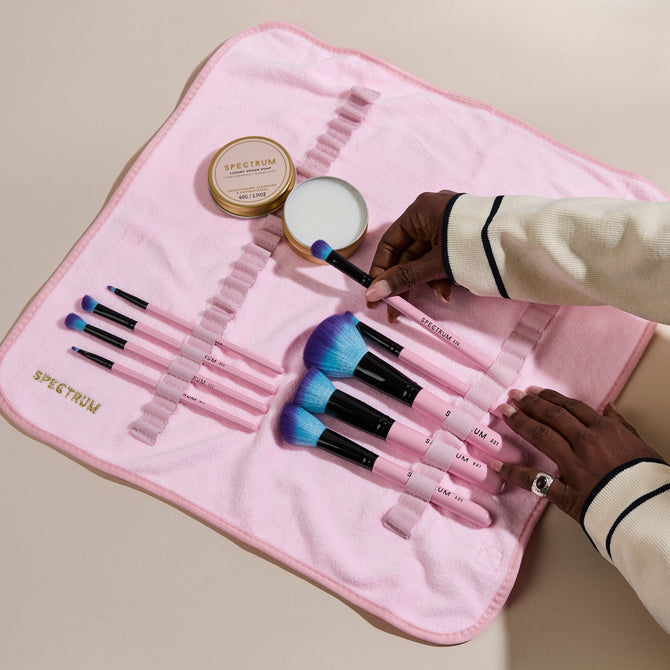
Makeup Brushes: The Backbone of Every Makeup Routine


4
Makeup brushes vary widely—from fluffy powder brushes to dense foundation brushes—and each type collects different amounts of product.
Because brushes often contain hundreds of tightly packed bristles, product buildup can accumulate deep inside them.
Foundation Brushes
Foundation brushes should be cleaned every 3–4 uses.
Cream products cling strongly to bristles and can harden if left unwashed.
Concealer Brushes
Because concealer often targets blemishes, these brushes should be cleaned every 2–3 uses to avoid spreading bacteria.
Powder Brushes
Powder brushes require cleaning once per week.
Powder products are generally less prone to bacteria growth than liquid formulas, but oil transfer still occurs.
Eye Brushes
Eye brushes should be washed every 3–5 uses.
This prevents color mixing and keeps eye makeup looking crisp and vibrant.
The Fast Method: Quick Daily Cleaning
Not every cleaning session needs to be a deep wash. A quick clean can keep tools fresh between deeper washes.
Quick Cleaning Steps
Spray brush cleaner or alcohol-based sanitizer onto a tissue.
Gently swirl the brush on the tissue.
Allow it to air dry for a few minutes.
This method is ideal for:
Eye brushes between colors
Powder brushes
Light daily maintenance
However, quick cleaning does not replace regular washing.
The Deep-Clean Method: Weekly Reset
Deep cleaning removes oils and product trapped inside the tool fibers.
What You Need
Gentle soap or brush cleanser
Warm water
A clean towel
Optional brush cleaning mat
How to Deep Clean Brushes
Wet the bristles with lukewarm water.
Add a small amount of cleanser.
Gently swirl on a cleaning mat or palm.
Rinse thoroughly.
Squeeze out excess water.
Lay flat to dry.
Always dry brushes horizontally so water does not seep into the handle and loosen the glue.
The Biggest Tool-Cleaning Mistakes
Even people who clean their tools regularly often make small mistakes that affect performance.
Using Hot Water
Hot water can weaken glue inside brushes and damage sponge material.
Always use lukewarm water.
Drying Brushes Upright
Water running into the ferrule (metal part) can loosen bristles over time.
Always dry brushes flat.
Storing Tools While Damp
Damp tools encourage bacteria growth.
Ensure tools are fully dry before storing them.
Pro Tips for Keeping Tools Cleaner Longer
Professional makeup artists rely on several habits to maintain hygiene.
Rotate Your Tools
Having multiple brushes and sponges allows you to rotate them between cleanings.
Store Tools in Open Air
Closed containers trap moisture. Use breathable brush holders.
Use Separate Brushes for Cream and Powder
This prevents buildup and keeps textures clean.
Avoid Sharing Tools
Sharing brushes or sponges spreads bacteria easily.
The Skin Benefits of Clean Tools
Once people begin cleaning their tools regularly, the improvements are often noticeable within weeks.
Benefits include:
Fewer breakouts
Smoother makeup application
Brighter-looking skin
Longer-lasting makeup
Extended tool lifespan
Clean tools also help your skincare products work better because they are not competing with layers of bacteria and oil.
The Simple Habit That Elevates Your Beauty Routine
In the world of beauty, we often focus on new products, new formulas, and new trends. But sometimes the most transformative improvement comes from something simple: clean tools.
Washing your sponges, puff pads, lash tools, and brushes regularly protects your skin, improves your makeup results, and ensures your beauty routine stays hygienic.
It only takes a few extra minutes each week—but the payoff is clearer skin, better makeup performance, and tools that last far longer.
Clean tools aren’t just a maintenance step.
They’re the quiet secret behind truly flawless makeup. ✨
