Why Your Hair Might Be Thinning and What to Do
Why Your Hair Might Be Thinning and What to Do
Hair is deeply connected to identity, confidence, and self-expression. So when it begins to thin—whether subtly over time or suddenly—it can feel alarming. The truth is, hair thinning is far more common than many people realize. Millions of people experience some degree of hair density loss at different stages of life.
Yet thinning hair rarely has a single cause. Instead, it’s usually the result of a complex mix of lifestyle habits, biological factors, and environmental influences.
The encouraging news? In many cases, hair thinning can be slowed, improved, or even reversed once the underlying cause is identified. With modern hair science, smarter haircare routines, and a deeper understanding of scalp health, restoring stronger and fuller hair is more achievable than ever.
Let’s explore why hair thins—and the most effective ways to bring it back to life.
Understanding the Hair Growth Cycle 🧬
Before diving into causes, it helps to understand how hair grows.
Each hair follicle follows a natural growth cycle consisting of three phases:
Anagen (Growth Phase)
This is when hair actively grows from the follicle. The anagen phase can last anywhere from 2 to 7 years, depending on genetics and overall health.
Catagen (Transition Phase)
This short phase lasts a few weeks. Hair growth slows, and the follicle begins shrinking.
Telogen (Resting Phase)
Hair rests for a few months before eventually shedding, allowing new hair to grow.
At any given moment, about 85–90% of your hair is actively growing. However, disruptions to this cycle—caused by stress, hormones, or nutritional deficiencies—can push more hairs into the shedding phase.
The result: visible thinning.
Common Reasons Your Hair May Be Thinning
Hair thinning often occurs gradually, making the cause easy to overlook. Here are some of the most common triggers.
1. Stress and Emotional Strain
4
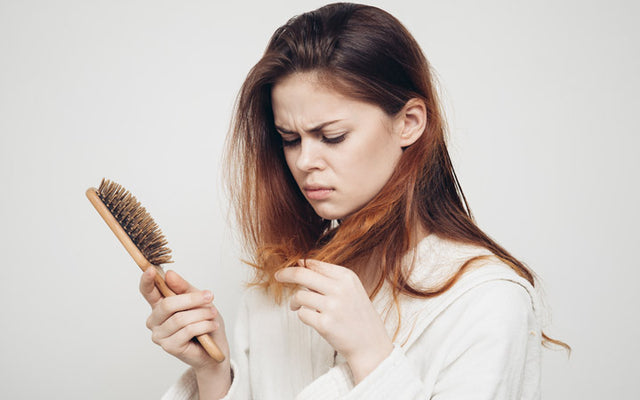
One of the most frequent and underestimated causes of hair thinning is stress.
When the body experiences physical or emotional stress—such as illness, major life changes, or intense workload—it may trigger a condition called telogen effluvium.
This condition pushes many hair follicles prematurely into the shedding phase.
The result often appears two to three months after the stressful event, which makes the connection easy to miss.
Common stress triggers include:
Major emotional stress
Illness or surgery
Rapid weight loss
Lack of sleep
Severe emotional trauma
What Helps
Reducing stress can dramatically improve hair growth recovery.
Effective strategies include:
Regular exercise
Meditation or mindfulness
Quality sleep
Balanced lifestyle routines
Hair usually begins to regrow within 3–6 months once the body stabilizes.
2. Nutritional Deficiencies 🌿
4
Hair follicles are highly active biological structures, which means they require consistent nutrition.
If the body lacks essential nutrients, hair growth can slow dramatically.
Some of the most important nutrients for hair health include:
Iron
Low iron levels—especially common in women—are a major cause of hair thinning.
Iron supports oxygen delivery to hair follicles, which fuels growth.
Protein
Hair is primarily made of keratin, a protein. Without enough dietary protein, the body prioritizes vital organs instead of hair growth.
Biotin
This B-vitamin supports keratin production and follicle strength.
Zinc
Zinc helps regulate the oil glands surrounding hair follicles and supports repair.
What Helps
A hair-supportive diet includes:
Eggs
Salmon
Spinach
Nuts and seeds
Avocados
Lean proteins
Whole grains
Balanced nutrition can significantly improve hair thickness over time.
3. Hormonal Changes
Hormones strongly influence hair growth.
Major hormonal shifts can disrupt the hair cycle and trigger shedding.
Common hormonal causes include:
Pregnancy and Postpartum Changes
After childbirth, estrogen levels drop rapidly, causing many hairs to enter the shedding phase.
Menopause
Reduced estrogen levels may lead to slower hair growth and increased thinning.
Thyroid Imbalances
Both hypothyroidism and hyperthyroidism can contribute to hair loss.
Polycystic Ovary Syndrome (PCOS)
PCOS may cause hair thinning due to androgen hormone fluctuations.
What Helps
Addressing hormonal imbalance through medical guidance often restores healthier hair growth.
If hair thinning is sudden or severe, consulting a healthcare professional is recommended.
4. Over-Styling and Hair Damage 💎


4
Sometimes the cause of thinning hair lies in everyday styling habits.
Excessive styling stress can weaken hair fibers and follicles.
Common damaging habits include:
Frequent heat styling
Tight hairstyles (ponytails, braids, buns)
Bleaching or chemical treatments
Rough brushing or detangling
Overwashing with harsh shampoos
Over time, these habits can cause traction alopecia, a form of hair loss caused by continuous pulling.
What Helps
Healthier hair habits can protect existing strands:
Reduce heat styling frequency
Use heat protectant sprays
Choose gentle hair ties
Avoid tight hairstyles
Use nourishing conditioners and masks
Treating hair gently allows follicles time to recover.
5. Aging and Genetics 🔬
For many people, hair thinning is simply part of the natural aging process.
As we age:
Hair follicles shrink
Growth cycles shorten
Individual hair strands become finer
Genetics also play a major role in pattern hair thinning.
Men and women may experience hereditary hair loss differently, but both can see reduced density over time.
What Helps
While genetics cannot be changed, modern hair science offers solutions:
Scalp-stimulating treatments
Hair growth serums
Dermatologist-recommended medications
Low-level laser therapy
These approaches can extend the growth phase and encourage thicker strands.
How to Encourage Hair to Grow Thicker Again 💡
Improving hair thickness is rarely about one miracle product.
Instead, it requires a holistic approach to scalp health, lifestyle, and haircare.
Here are the most effective strategies.
Focus on Scalp Health
A healthy scalp is the foundation of strong hair.
When the scalp becomes clogged with oil, product buildup, or inflammation, follicles struggle to grow healthy strands.
Helpful scalp practices include:
Gentle exfoliating scalp scrubs
Clarifying shampoos used occasionally
Lightweight scalp serums
Regular scalp massage
Massaging the scalp for just 5 minutes daily can improve blood circulation and stimulate follicles.
Choose Strengthening Haircare
Look for products that contain:
Keratin
Peptides
Niacinamide
Rosemary extract
Caffeine
Panthenol
These ingredients help reinforce strands and support growth.
Avoid Aggressive Hair Routines
Sometimes doing less is the secret to healthier hair.
Reduce:
Daily heat styling
Excessive brushing
Harsh chemical treatments
Tight hairstyles
Gentle routines allow hair to maintain its natural strength.
Support Hair From Within 🌍
Internal health always reflects externally.
Support hair growth by prioritizing:
Adequate sleep
Hydration
Balanced nutrition
Stress management
Hair often improves naturally once the body is in balance.
When to See a Specialist
While mild thinning is common, certain signs may require professional evaluation.
Seek medical advice if you notice:
Sudden heavy shedding
Patchy hair loss
Scalp irritation or redness
Thinning combined with fatigue or illness
A dermatologist can perform scalp analysis and identify underlying issues.
Early intervention can make a major difference in recovery.
The Future of Hair Health
Hair science is evolving rapidly. Today’s beauty industry is shifting toward scalp-first haircare, recognizing that healthy follicles are the key to lasting hair density.
Innovations such as microbiome-friendly shampoos, growth-boosting peptides, and biotechnology-derived ingredients are transforming the way we approach hair care.
Instead of quick fixes, the future of hair beauty focuses on long-term hair resilience.
Final Thoughts
Hair thinning can feel discouraging, but it’s often reversible once the root cause is understood.
Whether the trigger is stress, nutrition, hormones, or styling habits, small lifestyle and haircare adjustments can make a powerful difference over time.
Think of hair health as a reflection of overall well-being. When the body is balanced, nourished, and supported, hair naturally follows.
And with the right care, patience, and science-backed routines, fuller, stronger hair is entirely within reach.
