Ingredient Pairing Guide: What to Combine, What to Separate (Without Overcomplicating)


Ingredient Pairing Guide: What to Combine, What to Separate (Without Overcomplicating)
Modern skincare has entered a science-driven era. Today’s routines often include powerful actives, targeted treatments, and ingredient-rich formulations that promise brighter, smoother, clearer skin. But as skincare shelves expand and ingredient lists grow longer, one question keeps coming up:
Which ingredients actually work well together—and which ones should stay apart?
The internet is full of rigid skincare “rules” that can make routines feel unnecessarily complicated. Some combinations are genuinely worth avoiding, while others have been misunderstood or exaggerated. The truth is more nuanced—and thankfully much simpler.
In this guide, we’ll break down ingredient pairing in a clear, practical way so you can build a routine that works efficiently without turning your bathroom counter into a chemistry lab. 🔬
Why Ingredient Pairing Matters in Skincare
When used thoughtfully, ingredient combinations can amplify results. Certain ingredients support each other’s function, strengthen the skin barrier, or help reduce irritation.
But combining too many strong actives—or layering incompatible formulas—can sometimes cause:
Skin irritation
Increased dryness or redness
Reduced ingredient effectiveness
Barrier damage over time
This doesn’t mean you must avoid mixing ingredients entirely. Instead, think of skincare pairing as smart coordination rather than strict separation.
The goal is balance.
Some ingredients enhance each other’s benefits, while others simply work better when used at different times of day.
Ingredient Combinations That Work Beautifully Together
Certain skincare pairings are considered “power duos” because they improve results without increasing irritation.
Vitamin C + Sunscreen
One of the most beneficial combinations in skincare is vitamin C paired with sunscreen.
Vitamin C acts as an antioxidant, helping neutralize environmental damage from UV rays and pollution. When applied in the morning underneath sunscreen, it adds an additional protective layer.
Together they help:
Reduce oxidative stress
Protect collagen
Support brighter skin tone
This is why many dermatologists recommend vitamin C as a morning serum.
Think of sunscreen as the shield and vitamin C as the antioxidant defense system.
✨ Result: stronger protection against premature aging.
Retinol + Moisturizer
Retinol is widely known for improving skin texture, boosting collagen production, and helping reduce fine lines. However, it can also cause dryness or irritation—especially when first introduced.
Pairing retinol with a barrier-supporting moisturizer helps minimize these side effects.
Ingredients that work especially well alongside retinol include:
Ceramides
Hyaluronic acid
Glycerin
Squalane
These hydrating ingredients help buffer the skin while allowing retinol to perform its long-term renewal benefits.
💡 A popular technique called the “retinol sandwich” layers moisturizer before and after retinol to reduce sensitivity.
Niacinamide + Almost Everything
Niacinamide is often considered one of the most versatile skincare ingredients.
It works well with nearly all major active ingredients because it supports the skin barrier and reduces inflammation.
Niacinamide pairs well with:
Retinol
Vitamin C
Hyaluronic acid
Salicylic acid
Peptides
Its benefits include:
Oil regulation
Reduced redness
Improved barrier strength
More even skin tone
Because of its calming nature, niacinamide often acts as the balancing ingredient within multi-step routines.
Hyaluronic Acid + Active Ingredients
Hyaluronic acid is another ingredient that plays well with almost everything.
Instead of targeting a specific skin concern, it functions primarily as a hydration support molecule that helps skin retain moisture.
Pairing hyaluronic acid with stronger ingredients like retinol or exfoliating acids can help:
Reduce irritation
Maintain hydration
Improve skin comfort
In practice, this usually means applying hyaluronic acid serum before or after active treatments to support the skin barrier.
💎 Hydrated skin tolerates active ingredients far better than dry skin.
Peptides + Barrier Repair Ingredients
Peptides are small signaling molecules that encourage skin repair and collagen support. They’re typically gentle and highly compatible with barrier-strengthening ingredients.
Ideal pairings include:
Ceramides
Cholesterol
Fatty acids
Panthenol
These combinations help support skin resilience and long-term repair.
While peptides aren’t necessarily “dramatic overnight actives,” they play an important role in maintaining healthy skin structure.
Ingredient Pairings That Work Better Separately
Some ingredient combinations are not necessarily dangerous—but they can increase irritation or reduce effectiveness if used together at the same time.
Spacing them out is often the best approach.
Retinol + Strong Exfoliating Acids
Retinol and exfoliating acids like glycolic acid or salicylic acid both increase skin cell turnover.
Using them together in the same routine can sometimes lead to:
Excess irritation
Dryness
Barrier disruption
Instead of layering them simultaneously, many dermatologists recommend alternating nights.
Example schedule:
Night 1: exfoliating acid
Night 2: retinol
Night 3: recovery/hydration
This approach allows skin to benefit from both ingredients without overwhelming it.
Vitamin C + Benzoyl Peroxide
Vitamin C is an antioxidant that can become unstable when combined with certain strong acne treatments.
Benzoyl peroxide may oxidize vitamin C, potentially reducing its effectiveness.
A simple workaround is using them at different times of day:
Morning: vitamin C
Evening: benzoyl peroxide
This keeps both ingredients active while avoiding unnecessary conflict.
Multiple Exfoliating Acids
Using too many exfoliating acids at once—like combining glycolic acid, lactic acid, and salicylic acid in the same routine—can overload the skin.
Exfoliating acids already accelerate cell turnover. Layering several types may cause:
redness
peeling
compromised skin barrier
Instead, choose one main exfoliant per routine.
Some formulas safely combine acids in balanced concentrations, but stacking multiple acid serums is rarely necessary.
🌿 Less exfoliation often leads to healthier skin over time.
Common Ingredient Myths That Are Outdated
Some skincare pairing rules come from older formulations that behaved differently than modern ones.
Today’s formulas are more stable and better engineered.
Myth: Vitamin C and Niacinamide Cannot Be Used Together
This belief comes from outdated studies conducted decades ago using unstable ingredients under extreme conditions.
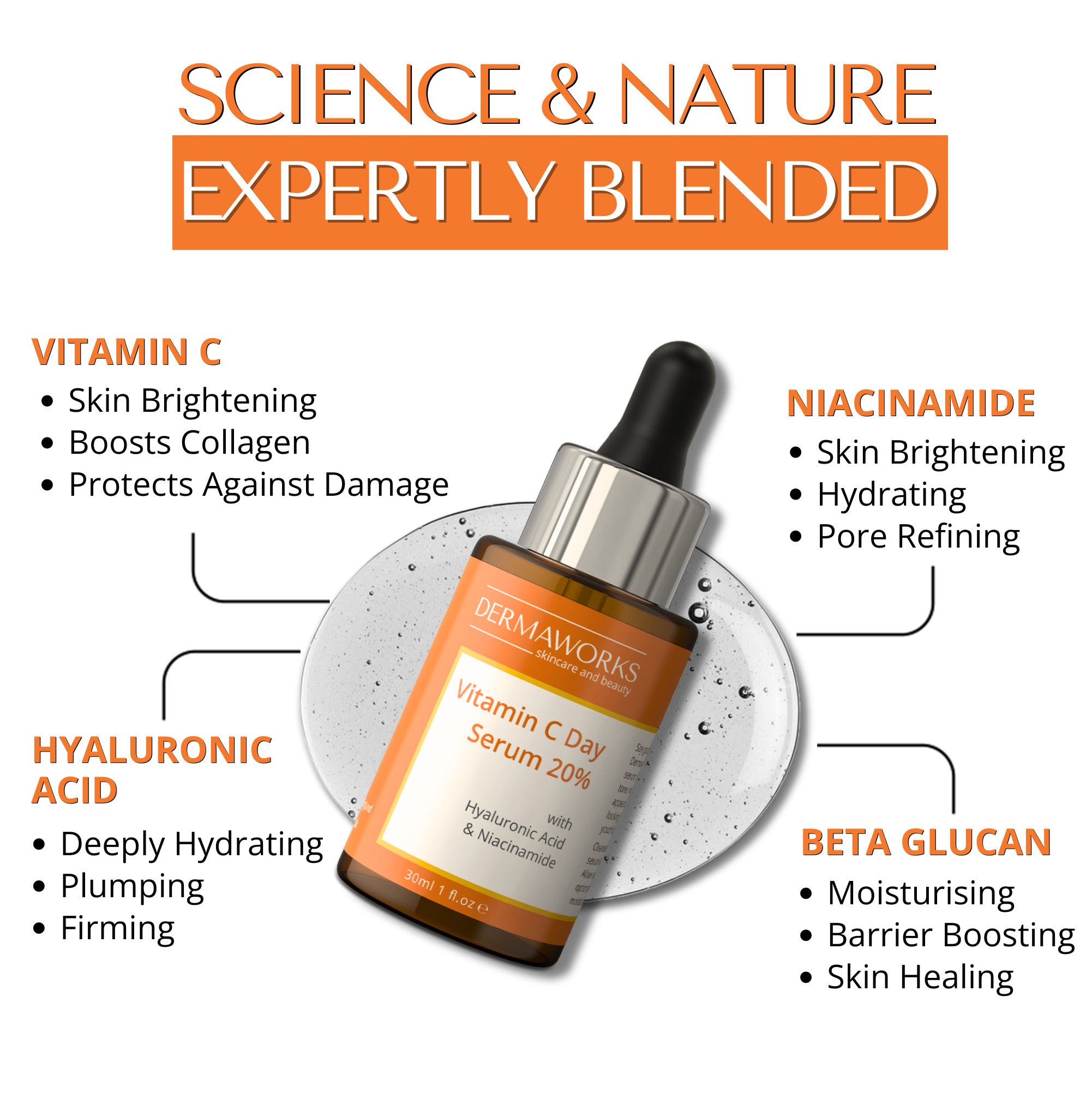
Modern formulations show that vitamin C and niacinamide can coexist perfectly well in the same routine.
In fact, the combination may offer complementary benefits:
antioxidant protection
reduced inflammation
improved brightness
Many current skincare products even include both ingredients in a single formula.
Myth: Oils Always Block Active Ingredients
Facial oils are sometimes thought to “seal off” skin and prevent actives from penetrating.
In reality, oils primarily help prevent water loss and strengthen the skin barrier.
When used correctly—usually as the final step in a routine—they do not stop earlier ingredients from working.
Instead, they can help lock in hydration and improve skin comfort.
The Simple Way to Layer Skincare Ingredients
Rather than memorizing dozens of rules, a few basic principles can guide most routines.
Follow the Texture Rule
Apply products from thinnest to thickest consistency.
Typical order:
Cleanser
Toner or essence
Serums
Treatments
Moisturizer
Oils
Sunscreen (morning)
This helps ingredients absorb properly without interfering with each other.
Avoid Too Many Actives at Once
Using multiple strong ingredients simultaneously can increase irritation without necessarily improving results.
Instead of stacking actives, consider rotating them throughout the week.
Example routine structure:
Morning
Vitamin C + sunscreen
Evening
Retinol or exfoliating acid (not both)
Recovery nights
Hydration + barrier repair
This balanced approach helps skin stay healthy while still benefiting from powerful treatments.
Pay Attention to Skin Response
Skin tolerance varies widely between individuals.
Some people can comfortably use retinol and exfoliating acids in the same routine, while others need more separation.
Signs your routine may be too aggressive include:
persistent redness
stinging
excessive dryness
flaking
If this happens, reduce active ingredient frequency and focus on barrier repair.
The Future of Ingredient Pairing in Skincare
The beauty industry is increasingly moving toward smarter formulation rather than complicated routines.
Brands are investing in advanced technologies that combine active ingredients in stable, balanced ways.
These innovations include:
encapsulated retinoids
slow-release exfoliating acids
microbiome-supporting formulations
multi-functional serums
The goal is fewer steps with better synergy between ingredients.
🧬 As skincare science evolves, routines are becoming more efficient and less confusing.
Final Thoughts: Keep Ingredient Pairings Simple
Ingredient pairing doesn’t need to feel overwhelming. Most effective routines rely on a small number of well-chosen ingredients that complement each other.
If you remember just a few principles, you’ll already be ahead:
• Hydrating ingredients support actives
• Alternate strong treatments instead of stacking them
• Protect skin with antioxidants and sunscreen
• Listen to your skin’s tolerance
Healthy skin rarely comes from doing the most—it comes from doing the right things consistently.
Skincare is ultimately about long-term balance.
And when ingredients work together thoughtfully, the results often speak for themselves. ✨
