Pet Wellness Lifestyle: Inside the Self-Care Routine of Modern Pet Owners 🐾
Introduction: When Pet Care Becomes Self-Care
In recent years, a quiet but powerful lifestyle shift has taken place. For many modern pet owners, caring for a dog or cat is no longer just about feeding and basic grooming. Instead, pet care has evolved into a holistic wellness routine—one that benefits both the animal and the human.
From sunrise walks to calming evening rituals, pets are becoming central figures in daily wellness practices. Owners now structure their routines around moments of connection, mindfulness, and care. These rituals are not only good for pets—they often improve mental health, reduce stress, and encourage healthier lifestyles for their humans as well.
This emerging pet wellness lifestyle blends emotional wellbeing, physical health, and mindful living into a daily rhythm that strengthens the bond between humans and their animal companions.
This style of lifestyle storytelling and structured editorial format follows premium blog practices commonly used in trend-driven beauty and lifestyle content.
SEO-optimized blog posts (1)
The Rise of the Pet Wellness Lifestyle ✨
Modern pet ownership has evolved far beyond traditional caregiving. Today’s pet parents increasingly treat their animals as full family members, and that shift has influenced how people approach daily routines.
Rather than viewing pet care as a chore, many now see it as an opportunity for connection and personal wellness.
Several factors have contributed to this movement:
The growing awareness of mental health
The popularity of mindfulness and wellness culture
Increased understanding of animal emotional needs
The rise of pet-friendly lifestyles and communities
Pets provide companionship, emotional grounding, and daily structure—three elements that psychologists frequently associate with improved wellbeing.
For many people, the presence of a pet naturally encourages routines that promote healthier living: waking earlier, spending more time outdoors, maintaining consistent schedules, and practicing patience and empathy.
Morning Rituals: Starting the Day With Intention 🌅



4
For modern pet owners, mornings often begin with a quiet ritual that sets the tone for the entire day.
Instead of rushing immediately into work or digital distractions, many people start with intentional moments alongside their pets.
The Mindful Walk
Morning walks are perhaps the most common shared ritual. These walks offer more than simple exercise—they create a moment of calm before the day begins.
Walking with a dog encourages owners to:
Step outside and absorb fresh air
Move their bodies naturally
Observe their surroundings
Disconnect from screens
For pets, these walks are equally beneficial. Dogs engage their senses through smells, sounds, and movement, helping them remain mentally stimulated and balanced.
Shared Quiet Moments
Many pet owners describe their mornings as calmer because of their pets. A cat sitting beside a window or a dog relaxing nearby during coffee time becomes part of a grounding routine.
These moments often resemble mindfulness practices, even if they are not labeled as such.
Nutrition as a Wellness Practice 🌿



4
Nutrition has become a major pillar of the pet wellness lifestyle.
Many owners now approach pet feeding with the same attention they give their own diets. Ingredient quality, nutritional balance, and natural formulations are increasingly prioritized.
Thoughtful Feeding Habits
Instead of automatic feeding routines, pet parents often take a more mindful approach:
Choosing natural or whole-ingredient foods
Monitoring portion sizes
Avoiding artificial additives
Incorporating supplements when recommended by veterinarians
This conscious approach reflects a broader cultural shift toward health-focused living.
The Shared Wellness Mindset
Interestingly, when people improve their pet’s diet, they often become more aware of their own nutrition. The process of researching ingredients, reading labels, and prioritizing wellness can influence the entire household.
In this way, pet care becomes an entry point for healthier personal habits.
Grooming as a Bonding Ritual 💎
4
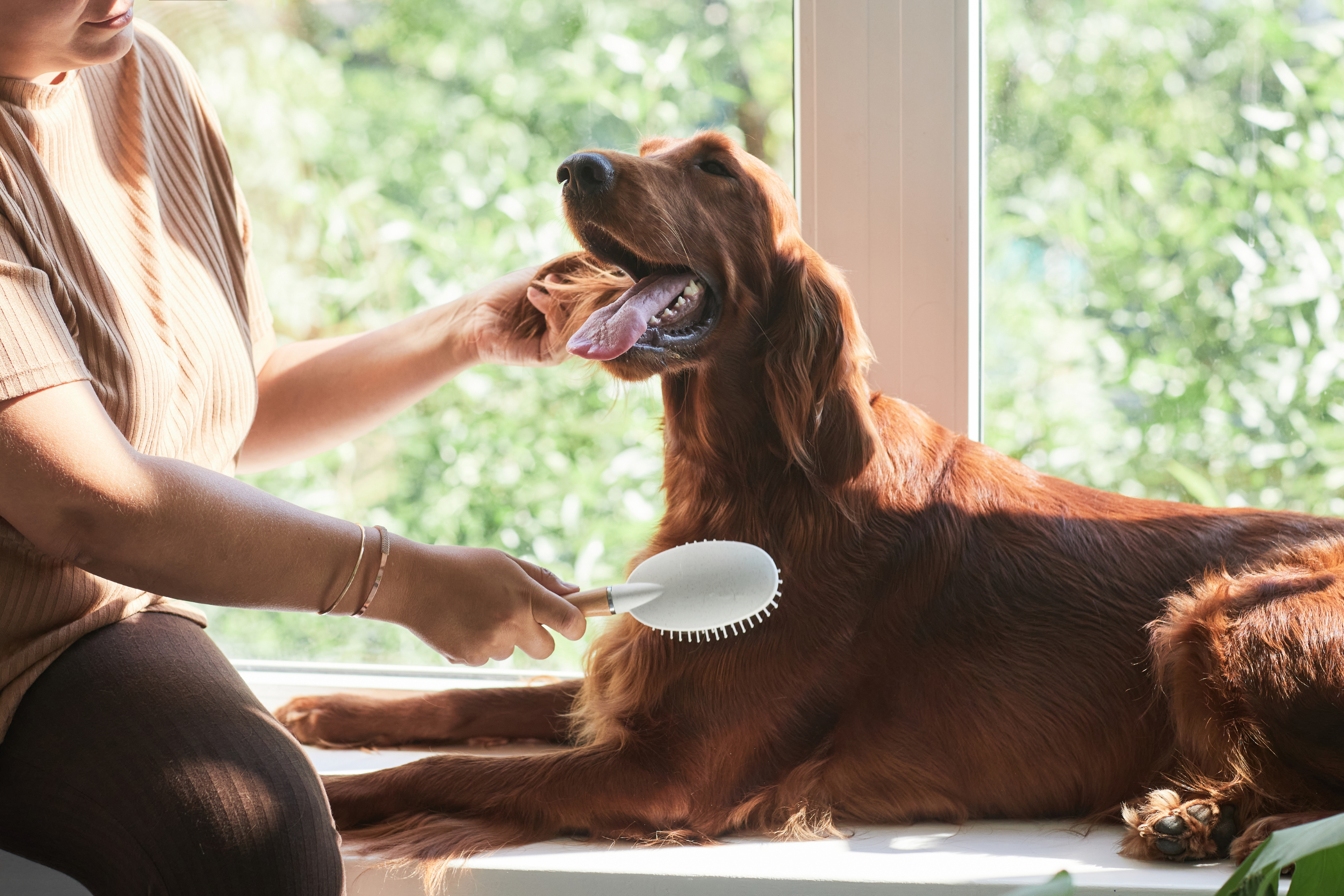
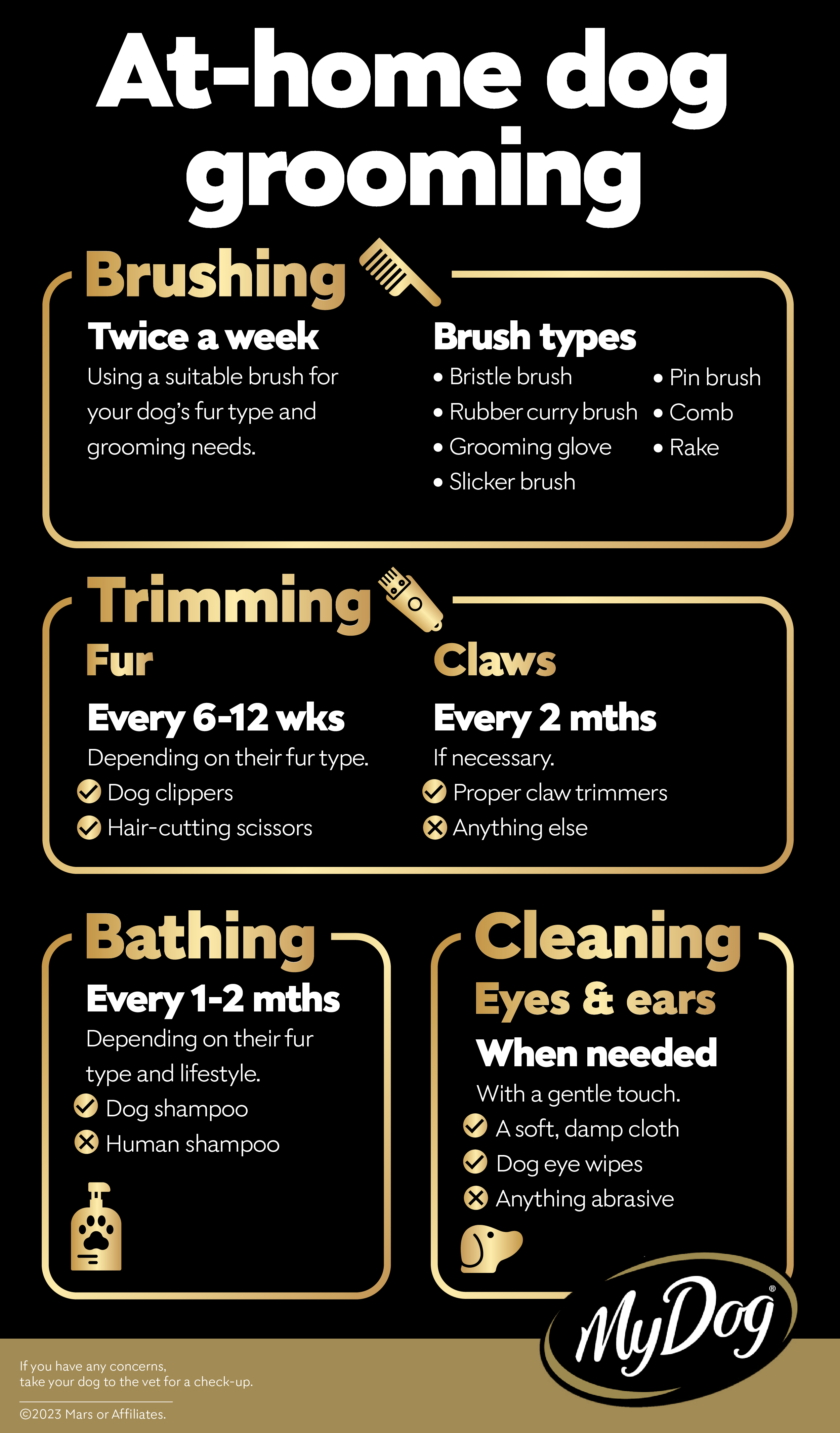
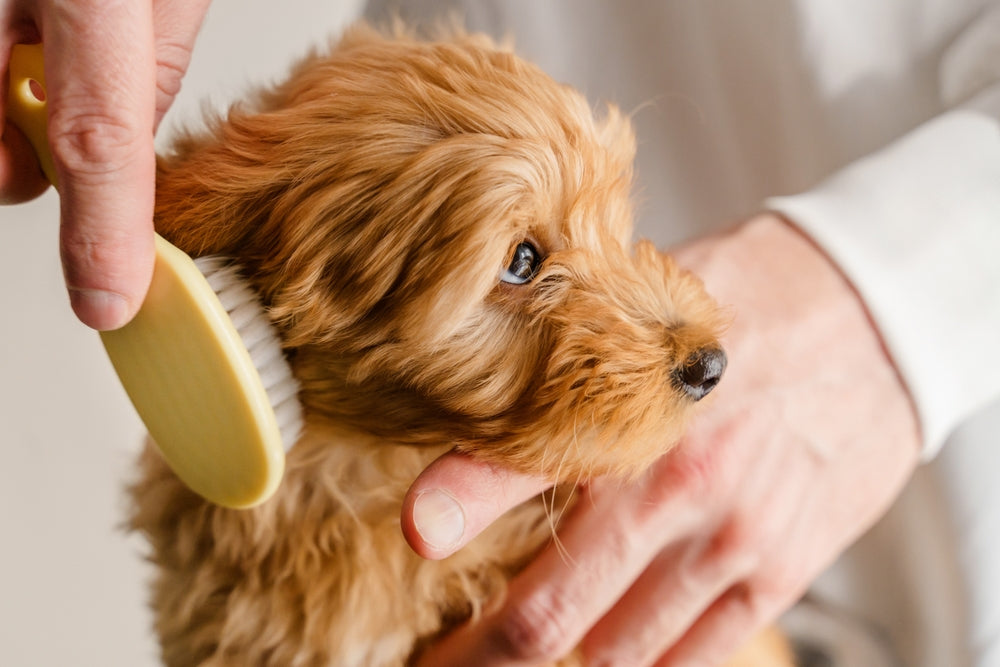
Grooming is no longer just about cleanliness. Many pet owners now treat grooming sessions as bonding rituals.
Brushing a dog’s coat, trimming nails, or gently cleaning a cat’s fur can become calming shared experiences.
The Benefits of Grooming Rituals
Regular grooming offers several wellness advantages:
For pets:
Healthier skin and coat
Reduced shedding
Early detection of health issues
For humans:
A calming tactile activity
Increased emotional connection
A moment of slow, intentional care
These small rituals often mirror human self-care practices such as skincare routines or relaxation rituals.
Movement and Play: Fitness for Two 🐕
Exercise plays a central role in the pet wellness lifestyle.
Unlike solitary workouts, activities with pets combine movement with companionship. This combination often makes exercise feel less like a task and more like recreation.
Shared Activities
Common pet wellness activities include:
Long nature walks
Jogging with dogs
Outdoor hiking adventures
Backyard play sessions
Interactive games
Because pets require consistent activity, they also help their owners maintain regular exercise schedules.
For many people, a dog becomes the most reliable workout partner.
Emotional Wellness and Mental Health 🧠
Pets provide a unique kind of emotional support that is difficult to replicate elsewhere.
Many owners describe their pets as intuitive companions who seem to sense emotions without words.
Stress Reduction
Spending time with pets can help reduce stress in several ways:
Physical touch releases calming hormones
Animals provide non-judgmental companionship
Playfulness encourages laughter and relaxation
Even brief moments—such as petting a dog or listening to a cat purr—can lower anxiety levels.
Emotional Presence
Pets also help anchor people in the present moment.
Animals naturally live in the now. They do not worry about deadlines or past mistakes. Being around them can gently encourage humans to slow down and appreciate small moments.
This quality makes pets natural partners in mindfulness and emotional wellbeing.
Evening Wind-Down Rituals 🌙
Just as pets shape morning routines, they also influence how many people end their day.
Evening routines often revolve around calming activities shared with pets.
Relaxation Together
Common nighttime rituals include:
Quiet couch time with a pet nearby
Gentle evening walks
Brushing or grooming
Calm play sessions before bedtime
These routines signal the transition from busy daytime energy to a slower, restful evening pace.
Better Sleep Patterns
Interestingly, pet ownership can also encourage healthier sleep patterns.
Because pets often maintain consistent schedules, their routines help owners develop more stable daily rhythms.
Regular wake-up times, evening walks, and feeding schedules naturally create structure within the household.
Creating a Pet-Centered Home Environment 🌍
The pet wellness lifestyle extends beyond routines—it also influences how homes are designed and organized.
Pet-friendly living spaces are becoming increasingly popular.
Comfort for Both Humans and Pets
Modern pet-centered homes may include:
Comfortable pet beds in shared spaces
Clean, organized feeding stations
Grooming areas for easy maintenance
Pet-safe plants and materials
Rather than isolating pets from daily life, these homes integrate them into shared living environments.
Cleanliness and Hygiene
Pet wellness also includes maintaining a healthy environment.
Owners often focus on:
Regular vacuuming
Grooming routines
Clean bedding and toys
Air quality and ventilation
These habits benefit both pets and humans, creating a more comfortable home atmosphere.
Social Connection Through Pets
Pets also act as social bridges.
Dog parks, walking trails, and pet events provide opportunities for people to connect with others who share similar lifestyles.
Many friendships begin with simple conversations during a daily walk.
In this way, pets help expand social networks and reduce feelings of isolation—another important component of overall wellbeing.
The Future of the Pet Wellness Movement 💡
The pet wellness lifestyle continues to grow as more people recognize the emotional and physical benefits of living closely with animals.
Future trends are likely to include:
Personalized pet nutrition plans
Advanced wellness monitoring technology
Pet-friendly workplaces
Holistic veterinary care
Wellness retreats designed for pets and owners
As this movement evolves, pets will likely play an even larger role in shaping how people approach health, balance, and happiness.
Final Thoughts: Wellness Shared Between Species
At its core, the pet wellness lifestyle is about shared wellbeing.
Caring for a pet encourages habits that naturally promote healthier living—daily movement, emotional connection, consistent routines, and mindful presence.
What begins as simple pet care often evolves into something deeper: a lifestyle centered on compassion, balance, and companionship.
For modern pet owners, self-care is no longer a solitary practice.
It’s a journey shared with four-legged friends who bring joy, grounding, and unconditional love into everyday life.
