How Pets Change Your Daily Routine in the Best Way
How Pets Change Your Daily Routine in the Best Way
Living with a pet rarely leaves life unchanged. Whether it’s the soft padding of paws across the floor in the morning or the quiet companionship during an evening wind-down, pets gradually reshape the rhythm of daily life. What starts as simple responsibility often evolves into a lifestyle—one filled with healthier habits, emotional balance, and moments of unexpected joy.
Across the world, people are discovering that pets don’t simply fit into their schedules. Instead, they transform them. Routines become more structured, mornings feel more purposeful, and even the smallest moments take on deeper meaning.
The result is a lifestyle shift that feels less like obligation and more like enrichment.
The Morning Routine Becomes More Intentional



4
For many pet owners, the day begins earlier—and better.
Instead of hitting the snooze button repeatedly, pets provide a natural alarm clock. Dogs eagerly waiting for their morning walk or cats gently nudging their owners for breakfast create a sense of purpose that immediately energizes the start of the day.
Morning routines suddenly become structured rituals rather than rushed chaos.
A typical pet-influenced morning might include:
Feeding and hydration time
A walk outdoors or backyard play
Quiet bonding moments before work begins
These small activities encourage people to wake up, move their bodies, and engage with the day sooner. Many pet owners report feeling more motivated to start the morning with intention rather than procrastination.
Beyond physical movement, pets add emotional warmth to the first moments of the day. A wagging tail or content purring sets a positive tone long before emails or responsibilities begin.
In many ways, pets transform mornings from stressful transitions into grounding rituals.
Daily Movement Becomes a Lifestyle


4
One of the most noticeable routine changes pet owners experience is increased movement.
Dogs, in particular, require consistent exercise. What initially feels like a responsibility often evolves into a daily wellness habit for the owner as well.
Daily walks are more than just bathroom breaks—they become mini escapes from work stress, screens, and indoor environments. Walking a pet creates a reliable reason to step outside at least once or twice every day.
This shift produces several lifestyle benefits:
More consistent physical activity
Increased exposure to sunlight and fresh air
Reduced sedentary habits
Improved cardiovascular health
But the benefits extend beyond fitness.
Daily walks also create mental space. They provide quiet moments for reflection, creativity, and relaxation. Many pet owners say their best ideas come during a dog walk, when their minds are free from digital noise.
Pets quietly introduce a rhythm of movement that improves both physical and mental well-being.
Breaks Throughout the Day Become Healthier
Pets naturally interrupt long periods of work or screen time.
For people working from home—or spending extended hours on digital devices—these interruptions are surprisingly beneficial.
A pet asking for attention, playtime, or a quick outdoor break becomes a reminder to step away from work.
Instead of working non-stop for hours, pet owners tend to take micro-breaks throughout the day. These small pauses reduce mental fatigue and help maintain productivity over longer periods.
Pet-related breaks often include:
Short play sessions
Quick outdoor walks
Grooming or brushing
Refill water or feeding time
These interactions provide a reset for the mind.
Even a two-minute moment of petting a dog or cat can release calming hormones and reduce stress levels. The routine becomes balanced rather than overwhelming.
In this way, pets subtly introduce healthier pacing into the workday.
Emotional Check-Ins Become Part of the Routine


4
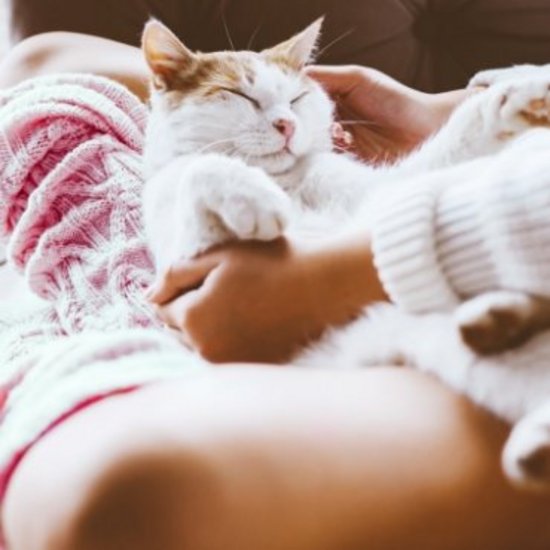
Pets also change the emotional rhythm of daily life.
Unlike many human relationships, the companionship pets offer is simple and unconditional. Their presence encourages moments of emotional pause throughout the day.
Many pet owners develop small rituals that help them reconnect emotionally:
Sitting quietly with their pet after work
Talking to their pet while preparing meals
Relaxing together before bedtime
These moments may seem small, but they create meaningful emotional balance.
Pets offer comfort without judgment. After a difficult day, the simple act of sitting with a pet can reduce anxiety and restore calm. Over time, these daily emotional check-ins become a natural coping mechanism for stress.
Instead of carrying tension through the day, pet owners are more likely to decompress through interaction and companionship.
Evenings Become More Relaxing
Without pets, evenings can easily disappear into endless scrolling, television, or unfinished work.
Pets gently redirect that energy toward slower, more relaxing routines.
Evening pet rituals often include:
Final walks or playtime
Feeding schedules
Quiet cuddle sessions
Grooming or brushing
These activities create natural transitions between daytime responsibilities and nighttime relaxation.
For example, walking a dog after dinner often becomes a peaceful end-of-day habit. Streets are quieter, the pace slows down, and owners can reflect on their day.
Similarly, cats curling up beside their owners create cozy nighttime atmospheres that encourage rest rather than productivity.
Over time, pets subtly guide their owners toward healthier evening habits and better sleep routines.
Responsibility Builds Structure and Discipline
One of the most powerful ways pets change daily life is through responsibility.
Pets rely entirely on their owners for food, exercise, care, and emotional connection. This responsibility naturally creates structure.
Feeding schedules, grooming routines, and activity times add consistent anchors throughout the day.
Rather than viewing these responsibilities as burdens, many pet owners discover they create a sense of order.
Life becomes less chaotic when there are predictable rhythms built into each day.
Pets also teach patience and attentiveness. Observing their needs encourages mindfulness and awareness—skills that extend into other areas of life.
Caring for a pet often strengthens a person’s ability to manage time, prioritize wellness, and remain consistent.
Social Interaction Happens More Naturally
Pets also influence daily social routines in subtle but meaningful ways.
Dog walks, park visits, and pet-related errands frequently lead to spontaneous conversations with other pet owners.
Unlike forced networking or formal introductions, these interactions feel natural.
Two people walking their dogs might exchange quick greetings that evolve into friendly conversations over time. Pet communities often form organically around shared routines.
These social connections can be especially valuable for people living alone or working remotely.
Pets become gentle bridges to human interaction.
Even simple conversations at a dog park or pet store can add warmth and connection to the day.
Small Moments Start Feeling Bigger
Perhaps the most beautiful change pets bring to daily life is a shift in perspective.
Routine moments—ones that might otherwise pass unnoticed—become meaningful experiences.
Examples include:
Watching a dog joyfully greet you at the door
Listening to a cat purring beside you while reading
Seeing a pet excited for a walk
Sharing quiet moments on the couch
Pets live entirely in the present. Their excitement over simple things reminds their owners to appreciate those same moments.
This shift toward mindfulness is one of the most underrated benefits of living with animals.
Instead of rushing through life’s routines, pet owners begin to savor them.
A Home Begins to Feel More Alive
Beyond routine changes, pets transform the atmosphere of a home.
Spaces that once felt quiet or empty become lively environments filled with personality.
Pets create movement, sound, and energy:
A dog running to greet visitors
A cat exploring sunny windowsills
Toys scattered across the floor
Gentle nighttime sounds of breathing or purring
These elements add warmth and vitality to everyday life.
Homes with pets often feel more relaxed, welcoming, and emotionally vibrant.
Instead of simply being places to live, they become environments filled with companionship and comfort.
Why These Changes Improve Overall Well-Being
All of these routine shifts—from morning walks to evening relaxation—combine to create a healthier lifestyle overall.
Research consistently shows that pet ownership is linked to improvements in several aspects of well-being.
These include:
Lower stress levels
Increased physical activity
Stronger emotional resilience
Reduced loneliness
Greater daily structure
Many people initially adopt pets for companionship, but they soon discover the relationship is mutually beneficial.
Pets receive care, safety, and affection, while owners gain emotional support, motivation, and joy.
The relationship becomes a daily exchange of care and connection.
The Quiet Lifestyle Upgrade Pets Bring
The most fascinating thing about pets is how quietly they transform life.
There is no dramatic moment when routines suddenly change.
Instead, small habits slowly accumulate:
Morning walks become daily rituals.
Breaks during the workday become bonding moments.
Evenings become calmer and more peaceful.
Over time, these subtle changes create a lifestyle upgrade that feels natural rather than forced.
Pets guide their owners toward healthier rhythms without requiring strict discipline or complicated routines.
They simply exist—and life adapts around them.
Final Thoughts
Pets don’t just add companionship to life. They reshape it.
From structured mornings and healthier movement habits to emotional comfort and peaceful evenings, pets introduce routines that support both physical and mental well-being.
They remind us to step outside, slow down, and appreciate simple joys.
In a fast-moving world filled with distractions, pets quietly guide us back to something essential: connection, presence, and care.
And in doing so, they transform ordinary days into richer, more meaningful ones.
